
If you’re looking for a more nutrient-dense egg option, you might have heard of Brahma chicken eggs. These unique eggs come from a breed known for its large size and gentle nature, but it’s their nutritional benefits that truly set them apart. With higher levels of protein, omega-3 fatty acids, and vitamins A and E compared to regular eggs, Brahma chicken eggs are an excellent choice for those looking to improve their overall health. But Brahma chicken eggs aren’t just a healthier option – they’re also incredibly versatile in the kitchen. From baking and cooking to making omelets and frittatas, these large eggs offer endless possibilities. In this comprehensive guide, we’ll explore the nutritional benefits, unique characteristics, and cooking versatility of Brahma chicken eggs, so you can make informed decisions about incorporating them into your diet.
Introduction to Brahma Chicken Breed
Let’s dive into one of the largest and most iconic chicken breeds, the Brahma, known for its gentle nature and impressive egg-laying abilities. This breed has been a favorite among backyard chicken keepers for centuries.
Origin and History of Brahma Chickens
The Brahma chicken breed has a rich history that spans centuries, originating from the Indian subcontinent and Southeast Asia. Developed over 200 years ago, this majestic bird was bred for its impressive size, strength, and feather quality. The breed’s name is derived from the Hindu god Brahma, who created the universe according to Hindu mythology.
Initially used for cockfighting in India, Brahmahs were later introduced to England by British officers returning from colonial duty. They quickly gained popularity among poultry enthusiasts due to their unique characteristics. To establish themselves in the Western world, breeders crossed the original stock with other native breeds, resulting in a more robust and docile bird.
Today, Brahma chickens are prized for their stunning appearance, gentle nature, and impressive egg-laying abilities. With their large size, striking plumage, and friendly demeanor, it’s no wonder that they’re a favorite among backyard chicken keepers and poultry enthusiasts alike. Their rich history and cultural significance make the Brahma breed a true gem in the world of ornamental chickens.
Key Characteristics of Brahma Chickens
Brahma chickens have gained popularity among backyard chicken enthusiasts and commercial egg producers alike due to their impressive size, gentle temperament, and remarkable egg-laying abilities. One of the most notable characteristics of Brahma chickens is their massive size, with roosters reaching up to 24 inches in height and weighing between 11-13 pounds. Hens, on the other hand, can weigh around 9-12 pounds.
Their large stature makes them a great choice for farm owners looking to produce eggs on a larger scale. However, this size also means they require more space and care compared to smaller breeds. Brahma chickens are known for their docile nature, making them an excellent choice for families with children or those new to raising backyard chickens.
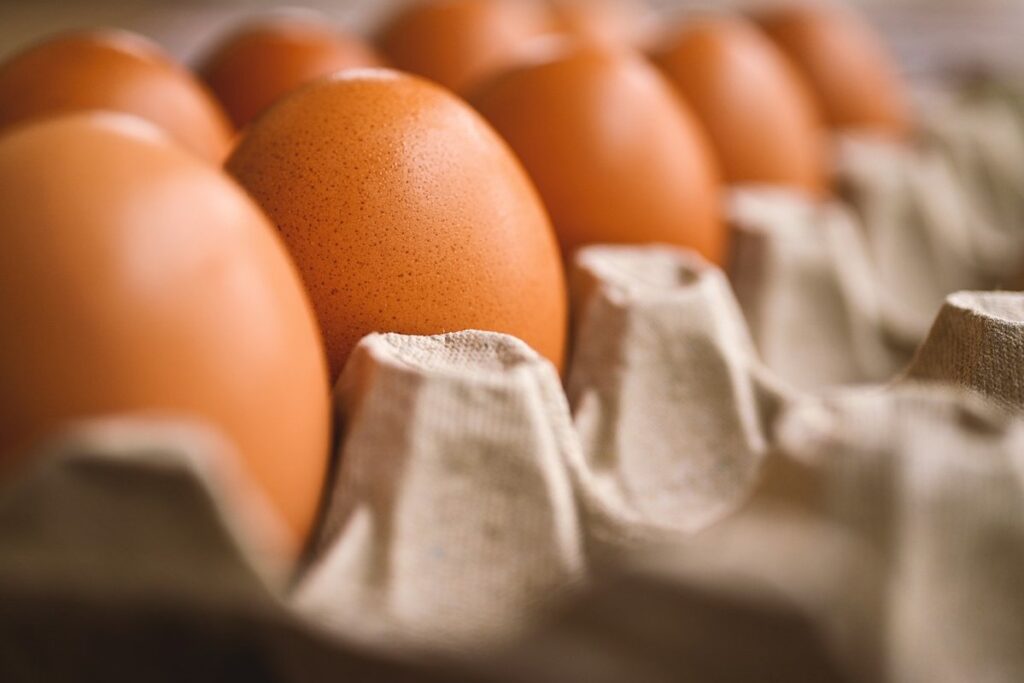
Brahma hens are prolific egg layers, producing around 200-220 eggs per year, which is relatively high compared to other large breed chicken varieties. Their eggs are often described as large and light brown in color, adding a unique touch to any omelet or baking recipe.
Nutrition and Health Benefits of Brahma Chicken Eggs
Brahma chicken eggs are renowned for their exceptional nutritional value, providing a rich source of protein, vitamins, and minerals that support overall health and well-being. Let’s dive into the specific benefits of incorporating Brahma chicken eggs into your diet.
Omega-3 Rich Brahma Chicken Eggs
Brahma chicken eggs have been found to be an excellent source of omega-3 fatty acids. These essential nutrients play a vital role in maintaining heart health and brain function. The high levels of omega-3 in Brahma chicken eggs make them a popular choice among health-conscious individuals.
According to studies, consuming foods rich in omega-3 can help reduce inflammation, lower triglycerides, and slow down the growth rate of plaque in arteries. This can significantly decrease the risk of heart disease. Additionally, omega-3 has been shown to have neuroprotective effects, which may aid in preventing age-related cognitive decline and depression.
To maximize the benefits of Brahma chicken eggs, it’s essential to choose eggs that are pasture-raised or fed a diet rich in flaxseeds and chia seeds. These sources provide the necessary nutrients for the chickens to produce high-quality eggs with optimal omega-3 content. Incorporating these eggs into your diet can be as simple as substituting them for regular eggs in omelets, scrambled eggs, or baking recipes.
When selecting Brahma chicken eggs, look for labels that indicate their omega-3 content. Some farms even offer certified organic or omega-3 enriched options. Consider incorporating 2-3 of these eggs into your daily meals to reap the benefits of their high omega-3 levels.
Vitamins and Minerals in Brahma Chicken Eggs
Brahma chicken eggs are renowned for their exceptional nutritional value, boasting an impressive array of vitamins and minerals that contribute to a healthier lifestyle. One of the standout features of Brahma eggs is their richness in vitamin D, essential for maintaining strong bones and immune function. Vitamin K, another critical nutrient found in these eggs, plays a vital role in blood clotting and cardiovascular health.
These eggs are also an excellent source of vitamin E, which serves as a powerful antioxidant protecting cells from damage caused by free radicals. Moreover, Brahma eggs contain significant amounts of calcium, crucial for bone development and density, making them an excellent option for individuals looking to strengthen their skeletal structure.
In addition to these vitamins, Brahma chicken eggs are also rich in iron, a vital mineral that contributes to healthy red blood cell production and function. Vitamin B12, another essential nutrient found in these eggs, plays a crucial role in energy metabolism and nerve function. Incorporating Brahma eggs into your diet can provide a significant boost to your overall health and nutritional well-being.
Cooking and Preparation Methods for Brahma Chicken Eggs
Whether you’re a seasoned chef or just starting out, learning how to cook and prepare Brahma chicken eggs is essential for maximizing their flavor and nutritional benefits. We’ll walk you through various methods that yield delicious results.
Boiling and Scrambled Brahma Eggs
When it comes to cooking Brahma chicken eggs, many people find them to be a delight to work with due to their rich, buttery flavor and firm texture. However, proper cooking techniques are essential to unlock the full potential of these delicious eggs.
One of the most popular ways to prepare Brahma eggs is through boiling. To do this, simply place your eggs in a single layer at the bottom of a saucepan or pot and cover them with cold water. Bring the water to a boil over high heat, then reduce the heat to low and let it simmer for 10-12 minutes. After the cooking time has elapsed, immediately transfer the eggs to an ice bath to stop the cooking process.
For scrambled Brahma eggs, crack your eggs into a bowl and whisk them gently with a fork until just combined. Heat a non-stick pan over medium heat and add a small amount of oil or butter. Once the pan is hot, pour in the egg mixture and let it cook for about 30 seconds before stirring gently. Use a spatula to break up the eggs into soft curds, then continue cooking for another minute or until they’re cooked through.
Brahma chicken eggs also have a slightly higher fat content compared to other breeds, which can make them even more tender when cooked. This is why boiling and scrambling techniques work so well with these particular eggs.
Poaching and Omelette Recipes with Brahma Eggs
When it comes to cooking with Brahma chicken eggs, experimenting with poaching and omelette recipes can add a delightful twist to your meals. Poaching is an excellent way to bring out the delicate flavor of these eggs, especially when paired with herbs like parsley or chives. For a simple yet elegant dish, try poaching two Brahma eggs and serving them on toasted brioche with smoked salmon, capers, and a squeeze of lemon.
For omelette enthusiasts, using Brahma eggs can elevate this classic breakfast staple to new heights. Consider adding flavor combinations like caramelized onions, crumbled goat cheese, or diced ham for added depth. A helpful tip is to use a mixture of grated cheese – such as cheddar and parmesan – for an irresistible creaminess.
Presentation-wise, garnish your omelette with fresh herbs or microgreens for a pop of color and freshness. You can also get creative with the filling by using other ingredients like sautéed mushrooms or roasted bell peppers. By exploring these versatile options, you’ll discover the full potential of Brahma chicken eggs in your cooking repertoire.
Storage and Handling of Brahma Chicken Eggs
When storing and handling Brahma chicken eggs, it’s essential to maintain a clean and dry environment to preserve their quality and prevent breakage. Proper storage will also help extend their shelf life.
Proper Storage Conditions for Brahma Eggs
Storing Brahma chicken eggs requires attention to detail to maintain their quality and freshness. To start, it’s essential to keep them away from direct sunlight and heat sources. The ideal storage temperature for Brahma eggs is between 32°F (0°C) and 40°F (4°C), making a refrigerator an ideal choice. However, if you don’t have access to refrigeration, a cool, dry place with consistent temperatures will suffice.
Humidity control is also crucial; maintain a relative humidity of 50-60% to prevent moisture buildup, which can lead to bacterial growth and contamination. Avoid storing eggs in areas with high humidity or near heating vents.
When storing multiple cartons, ensure they’re not stacked on top of each other, as this can cause damage and create pressure points that may crack the eggs. Store them upright or on their sides to prevent moisture from seeping through the egg’s pores.
By following these storage conditions, you’ll be able to maintain Brahma chicken eggs’ quality for an extended period.
Signs of Spoilage in Brahma Eggs
When storing and handling Brahma chicken eggs, it’s essential to be aware of the common signs of spoilage or contamination. Regularly inspecting the eggs for any unusual characteristics can help prevent foodborne illnesses and ensure a safe consumption experience.
Cracks are one of the most obvious signs of spoilage in Brahma eggs. Even small cracks can allow bacteria to enter the egg, causing it to become contaminated. If you notice a crack, it’s best to discard the egg immediately. When checking for cracks, gently roll the egg on a flat surface or submerge it in water – if there’s a crack, the air within will cause it to float.
Unpleasant odors are another indicator of spoilage. Brahma eggs should have a clean, fresh smell. If you notice an unusual odor, such as a sour or ammonia-like scent, it may be a sign that the egg has spoiled.
Discoloration is also a common sign of spoilage in Brahma eggs. Check for any unusual color changes, such as a greenish-blue tint on the yolk or white spots on the shell. If you notice any discoloration, it’s best to discard the egg.
Remember, regular inspection and proper storage can help prevent spoilage. Store Brahma eggs in their original carton, pointed end down, and keep them refrigerated at a consistent temperature below 40°F (4°C).
Comparison with Other Egg-Laying Breeds
If you’re considering raising Brahma chickens for their eggs, it’s natural to wonder how they compare to other popular egg-laying breeds in terms of productivity and characteristics. Let’s explore some key differences.
Laying Capacity of Brahma Chickens vs. Other Breeds
When it comes to egg-laying capacity, many backyard chicken keepers and farmers want to know if Brahma chickens can hold their own against other popular breeds. The answer is a resounding yes! Brahma chickens are known for their gentle nature and impressive egg-laying abilities.
In comparison, Leghorns are often touted as the top egg-layers, producing an average of 280-300 eggs per year. While this may seem like a lot, Brahma chickens actually produce around 200-220 eggs per year, which is still a respectable number. However, Rhode Island Reds take the crown for laying capacity among large breeds, producing up to 200-210 eggs per year.
What’s impressive about Brahma chickens, though, is their ability to lay consistently throughout the year. They have a slower growth rate compared to other breeds, but this means they can produce high-quality eggs for longer periods of time. For backyard chicken keepers who want a reliable and gentle egg-layer, Brahmahens are an excellent choice.
Unique Characteristics of Brahma Chickens
When it comes to egg-laying breeds, Brahma chickens stand out from the crowd due to their unique characteristics. One of the most distinctive features of this breed is their massive size. On average, a mature Brahma rooster can weigh up to 18 pounds and reach heights of over two feet tall, making them one of the largest chicken breeds in the world.
Their impressive stature is not just for show; it also contributes to their robust temperament. Brahmas are known for being friendly, docile, and even-tempered, which makes them an excellent choice for families with children or for backyard flocks where socialization is key. This calm demeanor also means they’re less prone to stress, resulting in a healthier egg-laying experience.
In terms of egg production, Brahmas are not the most prolific layers, but they still manage to lay around 200 brown eggs per year. Their eggs are medium to large in size and have a rich, dark brown color.
Conclusion: Why Choose Brahma Chicken Eggs?
Now that you’ve learned about the benefits and characteristics of Brahma chicken eggs, let’s summarize why they’re a great choice for your kitchen. We’ll explore the advantages of choosing Brahma eggs over others.
Summary of Benefits and Advantages
Brahma chicken eggs have proven to be an excellent choice for consumers looking for a nutritious and versatile egg option. In this summary of benefits and advantages, we’ll highlight the key reasons why Brahma chicken eggs stand out from other egg varieties.
In terms of nutritional value, Brahma chicken eggs are an excellent source of protein, vitamins, and minerals. They contain about 70 calories per large egg, making them a great addition to a healthy diet. The high-quality protein in Brahma eggs also helps to build and repair muscles, bones, and tissues. Moreover, they are rich in omega-3 fatty acids, which play a crucial role in heart health and brain function.
One of the most significant advantages of Brahma chicken eggs is their cooking versatility. They can be boiled, scrambled, poached, or fried, making them suitable for various recipes and cuisines. Whether you’re preparing a hearty breakfast, a quick snack, or a complex dish, Brahma eggs are an excellent choice.
Another benefit of choosing Brahma chicken eggs is their rich flavor profile. Their mild, slightly sweet taste makes them perfect for baking, cooking, and frying. Additionally, they have a thicker, more stable yolk that holds its shape well when cooked, making them ideal for dressings, sauces, and mayonnaise.
In conclusion, Brahma chicken eggs offer numerous benefits and advantages that make them an excellent choice for consumers. With their high nutritional value, cooking versatility, and rich flavor profile, they are perfect for incorporating into your daily meals. Whether you’re a health-conscious individual or a busy home cook, Brahma eggs will provide you with the convenience and nutrition you need.
Frequently Asked Questions
Can I raise Brahma chickens at home, or do they require specialized care?
Brahma chickens are relatively easy to care for and can thrive in a backyard flock with proper attention to their large size needs. They require more space than smaller breeds, so make sure you have enough room for them to roam. With adequate food, water, and regular health checks, Brahma hens will reward you with nutrient-dense eggs.
How do I store Brahma chicken eggs to keep them fresh for longer?
Proper storage is key to maintaining the quality of your Brahma eggs. Store them in a cool, dry place away from direct sunlight, and maintain a consistent temperature between 40°F and 50°F (4°C and 10°C). Avoid washing the eggs before storing, as this can introduce bacteria.
Can I use Brahma chicken eggs for making pasteurized or hard-boiled eggs?
Yes. Brahma eggs are ideal for pasteurization due to their larger size and higher water content, which makes them easier to pasteurize. For hard-boiling, make sure to use a gentle heat to prevent overcooking the egg whites.
How do I know if my Brahma chickens are healthy, or what signs should I look out for?
Monitor your Brahma flock regularly for any changes in behavior, appetite, or egg production. Keep an eye out for signs of stress, respiratory issues, or other health problems that can affect their overall well-being and egg quality.
Can I cross-breed my existing chicken flock with Brahma chickens to improve egg-laying capacity?
While it’s technically possible, breeding your flock with Brahmas may not yield the desired results. The size and temperament of the offspring will depend on various factors, including the genetic diversity of both parents. Consult with a poultry expert before making any changes to ensure successful integration and optimal egg production.