
Free-range chicken has become a popular choice for health-conscious consumers, but with this shift comes increased concerns about food safety. When chickens are allowed to roam freely outdoors, they can be exposed to bacteria like Salmonella and Campylobacter that can contaminate their meat. This has led to numerous outbreaks over the years, leaving many wondering if the nutritional benefits of free-range chicken outweigh the risks.
If you’re considering making the switch to free-range chicken, or if you already do but want to ensure it’s handled safely, this article is for you. We’ll delve into the risks and benefits of free-range chicken, including its higher risk of contamination compared to conventionally raised birds. We’ll also provide tips on how to identify safe sources, handle and cook your meat properly, and minimize the risk of foodborne illness.
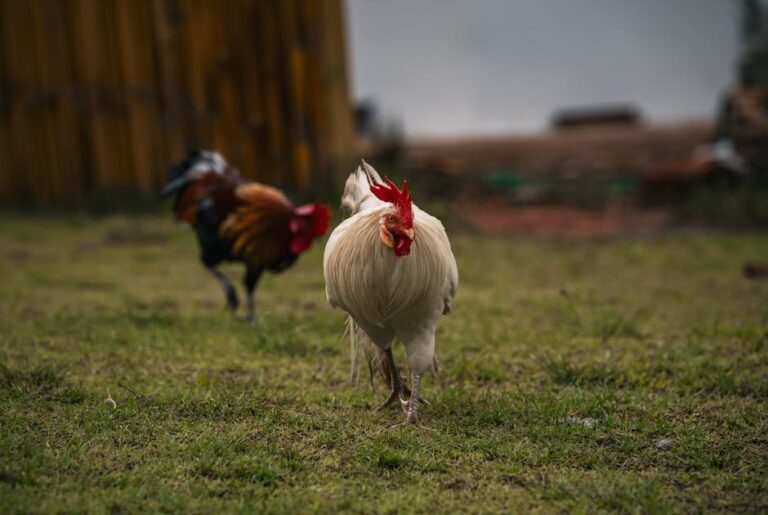
What is Free Range Chicken?
To fully grasp the safety risks associated with free range chicken, let’s first understand what it means for a chicken to be considered ‘free range’.
Definition of Free Range
When it comes to free-range chicken, it’s essential to understand what this term really means. Free-range poultry refers to birds that have access to outdoor spaces where they can forage and engage in natural behaviors. This is a stark contrast to confinement farming methods, where chickens are cooped up in small enclosures with little to no opportunity to move around.
In a free-range system, the goal is to provide hens with enough space to roam freely outdoors, allowing them to scratch, peck, and forage as they would in their natural habitat. This can include access to grasslands, forests, or other outdoor areas where chickens can exercise and engage in behaviors that are essential to their well-being.
A good free-range system should provide a minimum of 2-3 square feet per bird, both indoors and outdoors, to allow for proper movement and exercise. Some farms even offer more extensive ranges, with tens of thousands of square feet dedicated to roaming areas. This allows chickens to engage in natural behaviors like dust bathing, sunbathing, and social interaction with other birds.
Types of Free-Range Systems
There are several types of free-range systems that vary in their design and implementation. One common type is pasture-raised, where chickens have access to outdoor pastures for most of their lives. This system aims to mimic natural grazing patterns, allowing birds to roam freely and feed on a diverse range of grasses and insects.
Another type is free-roaming, which typically involves raising chickens in a large enclosed area that allows them to move around freely. However, the size of this enclosure may be limited, and birds may not always have access to fresh air or sunlight.
Organic free-range systems are also becoming increasingly popular, where farmers must adhere to strict regulations regarding feed, living conditions, and animal welfare. These systems often involve rotating flocks through different pastures to maintain soil health and prevent overgrazing.
It’s essential for consumers to understand the differences between these systems when choosing free-range chicken products. By understanding the specific type of system used, you can make more informed decisions about the safety and benefits of your free-range chicken purchase.
Risks Associated with Free Range Chicken
While free range chicken has its benefits, there are also potential risks associated with eating birds that roam freely outdoors. Let’s take a closer look at some of these concerns.
Salmonella and Campylobacter Risk
When you choose free-range chicken, it’s essential to understand that it may come with a higher risk of exposure to certain bacteria. Specifically, Salmonella and Campylobacter are more prevalent in these birds due to their increased contact with the outdoors.
Free-range chickens are exposed to various environmental pathogens, including contaminated soil, water, and other animals. For instance, if the chicken’s living area has been previously used for another bird or animal, it can harbor bacteria like Salmonella and Campylobacter. These germs can then spread to the birds through direct contact with their droppings or by consuming contaminated feed.
This increased exposure is a significant concern because people handling free-range chickens may become infected. It’s estimated that every year, around 1 million cases of food poisoning in the United States are linked to poultry products, including those labeled as “free range.” If you’re planning to raise your own free-range chicken or purchase from a farm, it’s crucial to ensure proper hygiene practices and follow safe handling guidelines to minimize the risk. This includes regularly cleaning and disinfecting living areas and equipment, as well as thoroughly washing hands after contact with birds.
Parasites and Pesticide Exposure
When you opt for free-range chicken, you may be unwittingly exposing yourself to some concerning health risks. One of these is parasites that can reside within the birds themselves. Coccidiosis, a common issue in free-range systems, occurs when these birds ingest contaminated food or water, leading to an intestinal infection.
The symptoms of coccidiosis are often non-specific and may be mistaken for other illnesses. They include diarrhea, weight loss, and lethargy. If left untreated, this condition can cause severe damage to the bird’s health, making it essential to choose a reputable producer that prioritizes parasite control measures.
Another risk associated with free-range systems is pesticide exposure. When birds are allowed to roam freely outdoors, they may ingest pesticides from contaminated soil or water. Pesticide residue has been found on many chicken farms, and while regulations exist to limit the use of these chemicals, some producers may still be using them in ways that compromise animal health.
To minimize your risk, it’s crucial to research local farms and their practices before making a purchase. Look for producers who prioritize organic and regenerative methods, which tend to have lower chemical usage rates.
Benefits of Free-Range Chicken
Free-range chicken offers several advantages, including lower risk of disease and improved nutritional quality, making it a healthier option for consumers. By understanding these benefits, you can make an informed choice about your diet.
Nutritional Advantages
When it comes to choosing chicken for your family’s dinner table, you may be wondering if free-range chicken is worth the extra cost. One of the most significant nutritional advantages of free-range chicken is its higher content of omega-3 fatty acids. These essential fats are not only beneficial for heart health but also play a crucial role in reducing inflammation in the body.
In fact, studies have shown that free-range chicken contains up to 25% more omega-3s than conventionally raised chicken. This is likely due to their ability to roam and forage, allowing them access to a diverse range of plants and insects that are rich in these beneficial fats. By choosing free-range chicken, you’re not only supporting the welfare of your bird but also providing your family with a more nutritious meal option.
When shopping for free-range chicken, look for products that have been certified by organizations such as the American Humane Association or the Certified Humane program. These labels ensure that the birds have been raised in accordance with strict animal welfare standards and have access to outdoor spaces where they can engage in natural behaviors.
Ethical and Animal Welfare Considerations
When it comes to free-range chicken farming, one of the primary concerns is animal welfare. Confinement farming methods have been linked to various health issues and stress factors for chickens, including respiratory problems, decreased mobility, and increased aggression.
On the other hand, free-range farming allows chickens to roam freely outdoors, which significantly improves their physical and mental well-being. They are able to engage in natural behaviors like scratching, pecking, and foraging, which helps to reduce stress and promote overall health.
For instance, a study conducted by the University of California found that hens raised on free-range farms had improved egg quality, increased feather coverage, and reduced incidence of reproductive problems compared to those raised in confinement systems. By choosing free-range chicken products, consumers are not only getting healthier food but also supporting more humane treatment of animals.
When selecting a free-range farm or product, look for certifications like “Animal Welfare Approved” (AWA) or “Certified Humane,” which ensure that the farm meets certain standards for animal welfare and living conditions. By doing your research and choosing responsibly raised chicken products, you can make an informed decision about the impact of your food choices on animal welfare.
How to Identify Safe Free Range Chicken
When shopping for free range chicken, it can be tricky to know what to look out for to ensure you’re getting a safe and healthy product. This section will guide you through the key factors to consider when making your selection.
Look for Certification Labels
When scouring the labels on free range chicken products, it’s essential to look for certification labels that indicate adherence to specific standards. These labels can be a reliable indicator of safe and humane production practices. One such label is “Pasture-Raised,” which means that chickens have spent at least 35% of their lives outdoors in pastures.
However, not all labels are created equal. For instance, the “Free-Range” label only requires that chickens have access to the outdoors for a minimum of six hours per day. This can be as simple as a small door or window leading to a tiny outdoor enclosure. The American Pastured Poultry Association (APPA) and Certified Humane are two reputable organizations that offer certification programs for free range chicken producers.
When shopping for free range chicken, look for these labels and do your research on the producer’s practices. Check their website, read reviews, and ask questions to ensure you’re supporting a farm that prioritizes animal welfare and safe production methods. By making informed choices, you can enjoy free range chicken with greater peace of mind.
Checking with Local Farmers and Processors
When searching for local farmers and processors that adhere to free-range practices, it’s essential to do your research. Start by asking around – talk to friends, family members, or coworkers who may have knowledge about local farms or butchers that prioritize free-range chicken.
You can also look up local farmers’ markets or online directories that list nearby farms and their practices. Some organizations, like the Certified Humane program or the Animal Welfare Approved organization, provide labels for farms that meet certain standards. Check if any of these programs have certified farms in your area.
Visit potential farms or processors in person to observe their conditions firsthand. Ask questions about their free-range policies – what kind of access do the chickens have to the outdoors? Are they provided with enough space and amenities to promote healthy living?
Take note of certifications like “Certified Humane” or “Animal Welfare Approved,” as these can indicate a higher level of care for the animals. Don’t be afraid to ask for tours or interviews with farm owners or managers – a genuine interest in their practices will go a long way.
Reducing Risk: Safe Handling and Cooking Practices
When it comes to free range chicken safety, safe handling and cooking practices are crucial to reducing the risk of foodborne illness. Let’s explore some essential tips for handling your birds responsibly.
Proper Storage and Handling
When handling free-range chicken, it’s essential to take proper precautions to minimize the risk of contamination. This includes storing and handling the poultry in a way that prevents cross-contamination with other foods and surfaces.
To store free-range chicken safely, make sure to keep it refrigerated at a temperature below 40°F (4°C) within two hours of purchase. Use shallow containers to store raw meat, and place them on the bottom shelf to prevent juices from dripping onto other foods. Label and date all stored chicken to ensure that you use the oldest items first.
When handling free-range chicken, wash your hands thoroughly with soap and warm water for at least 20 seconds before and after touching the poultry. Use a separate cutting board and utensils for raw meat, and clean them frequently with hot soapy water. Always place cooked chicken on a plate or tray to prevent juices from dripping onto other foods.
By following these storage and handling tips, you can significantly reduce the risk of contamination when working with free-range chicken in your kitchen. Remember to always prioritize cleanliness and take the necessary precautions to ensure safe handling practices.
Cooking Techniques and Temperature Control
When handling free-range chicken, it’s essential to adopt safe cooking techniques to minimize the risk of foodborne illness. One critical aspect is temperature control. Always use a food thermometer to ensure that cooked chicken reaches an internal temperature of at least 165°F (74°C). This is crucial for killing bacteria like Salmonella and Campylobacter, which are commonly found in poultry.
To avoid overcooking or undercooking, cook the chicken evenly by using a combination of high heat searing followed by gentle simmering. This technique helps to lock in juices while preventing bacterial growth. Additionally, let the chicken rest for 10-15 minutes before carving to allow the internal temperature to redistribute and reduce the risk of foodborne illness.
When cooking multiple pieces of chicken at once, ensure that each piece reaches a safe minimum internal temperature to avoid cross-contamination. Use a separate cutting board and utensils for raw chicken to prevent the transfer of bacteria to other foods. By adopting these simple yet effective techniques, you can enjoy your free-range chicken while minimizing the risk of foodborne illness.
Case Studies: Real-World Examples of Free Range Chicken Operations
Let’s take a closer look at how free range chicken operations are implementing safety measures in real-world settings, from disease control to predator management. These case studies offer valuable insights into what works and what doesn’t.
Profile 1: A Successful Pasture-Raised Operation
Take a look at Sunny Meadows Farm, a successful pasture-raised operation that has been raising free-range chickens for over 10 years. They’re a great example of what it means to prioritize chicken safety while also promoting animal welfare and sustainable farming practices.
Sunny Meadows Farm is committed to providing their birds with a stress-free environment that mimics their natural habitat. The farm is divided into smaller paddocks, each one stocked with fresh forage and rotated regularly to ensure the grass stays healthy and the chickens have access to clean water and shelter. This approach not only improves animal health but also reduces the risk of disease transmission.
Some key practices that contribute to Sunny Meadows Farm’s success include:
* Implementing a closed-loop system where manure is composted and used as fertilizer
* Monitoring temperature, humidity, and air quality to prevent heat stress and respiratory issues
* Allowing chickens to forage for their food, which reduces reliance on commercial feed and promotes a more diverse gut microbiome
By following these practices, Sunny Meadows Farm has been able to reduce the risk of disease in their flock while also improving overall chicken health and well-being.
Profile 2: An Organic Farm with Free-Range Chickens
This organic farm is a prime example of a free-range chicken operation that prioritizes animal welfare and sustainable practices. With a focus on providing chickens with ample space to roam, the farm’s owner has implemented a unique system where birds are allowed to forage freely during the day.
The farm’s layout includes large pastures divided into smaller areas to prevent overcrowding, allowing each bird to have around 10 square feet of outdoor space. The birds are also provided with shelter and shade to escape extreme temperatures. To ensure their health, the owner works closely with a veterinarian who regularly monitors the flock for signs of disease or stress.
One key aspect of this operation is its emphasis on predator control. To prevent foxes and other predators from accessing the farm, the owner has installed a network of electric fencing around the perimeter. This not only protects the chickens but also allows them to roam freely within a safe environment.
Conclusion: Balancing Safety and Sustainability in the Chicken Industry
In conclusion, free range chicken safety is a complex issue that requires a delicate balance between providing hens with adequate space and protection from potential risks. While it’s tempting to prioritize the welfare of these birds by giving them unlimited access to the outdoors, we must also acknowledge the real threats they face in these environments. Pesticide poisoning, disease transmission, and predator attacks are just a few of the dangers that free range chickens may encounter.
To strike a balance between safety and sustainability, farmers can implement measures such as regular health checks, secure fencing, and integrated pest management strategies. By taking proactive steps to mitigate risks, we can create safer environments for these birds while still allowing them to thrive in natural conditions. Ultimately, it’s up to consumers to demand high-quality, responsibly raised chicken products that prioritize both animal welfare and public health.
Frequently Asked Questions
How can I ensure my free-range chicken is handled safely at the grocery store?
When selecting free-range chicken, make sure to handle it carefully to minimize cross-contamination. Opt for pre-packaged or individually wrapped meat to prevent juices from spreading bacteria. If handling raw poultry, wash your hands thoroughly afterward and sanitize any surfaces that came into contact with the meat.
What are some common signs of spoiled or contaminated free-range chicken?
Be aware of these warning signs: slimy texture, unusual odor, visible mold, or blood-soaked packaging. If you notice any of these indicators, do not consume the chicken and return it to the store for a refund.
Can I raise my own free-range chickens safely on a small farm or backyard property?
Yes, raising your own free-range chickens can be safe if done properly. Ensure adequate space (at least 4 square feet per bird) and maintain clean living conditions. Provide access to fresh water, nutritious feed, and shelter from predators.
How do I store free-range chicken safely in the refrigerator or freezer?
Store raw poultry at a temperature of 40°F (4°C) or below to prevent bacterial growth. Use airtight containers or zip-top bags to seal out moisture. Label and date containers for easy tracking. When freezing, place meat in a single layer on a baking sheet before transferring it to an airtight container.
Can I still enjoy the nutritional benefits of free-range chicken if I’m immune-compromised or pregnant?
While individuals with compromised immunity should exercise caution when consuming raw poultry, you can still benefit from free-range chicken’s rich nutrients. Opt for cooked meat and ensure proper food handling techniques are followed to minimize risk. Consider consulting your healthcare provider for personalized advice.