
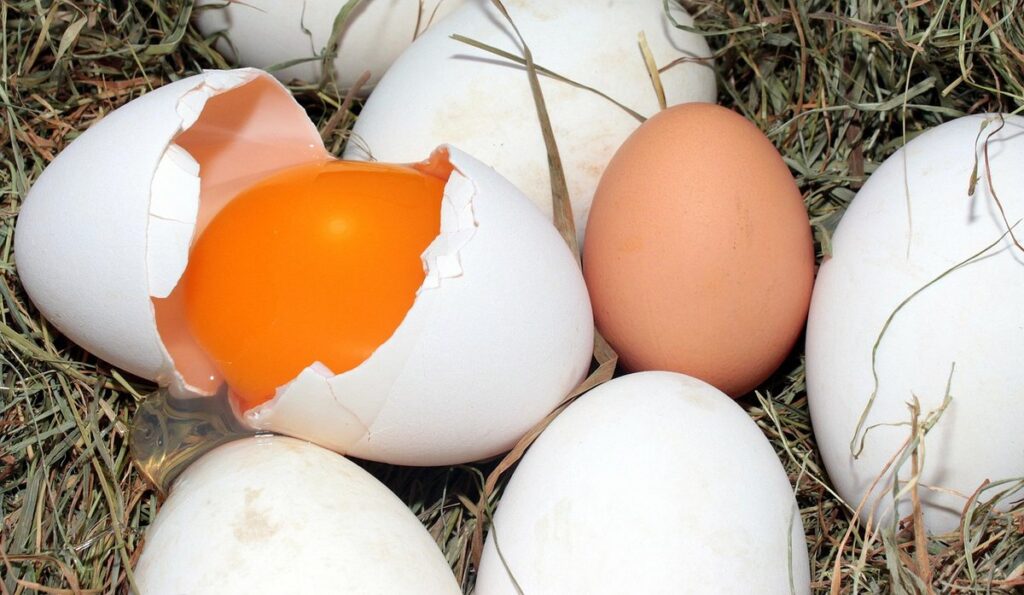
Goose eggs are often overlooked in favor of their more popular chicken counterparts, but these large and impressive eggs have so much to offer. Not only do they boast an incredible nutritional profile, with higher levels of protein and vitamins than chicken eggs, but they’re also incredibly versatile when it comes to cooking methods. From poaching to frying, baking to boiling, goose eggs can be prepared in a multitude of ways. But what sets them apart is their unique flavor and texture, which adds a rich depth to any dish. In this article, we’ll delve into the world of goose eggs, exploring different types, sustainable farming practices, and of course, delicious recipes to get you started on elevating your breakfast game with these incredible eggs.
What Are Goose Eggs?
Let’s dive into the basics of goose eggs, starting with what they are and how they compare to chicken eggs, which you might be familiar with.
Characteristics and Description
Goose eggs are often larger and more majestic than chicken eggs, which can make them stand out on their own. On average, a goose egg measures around 3-4 inches long and about 2-3 inches wide. When you hold one in your hands, you’ll notice that the shape is a bit more elongated compared to a chicken egg.
In terms of color, goose eggs can vary from pure white to creamy or pale yellowish hues. Some breeds may lay eggs with a slightly speckled appearance, while others will have a uniform color throughout. The shell’s texture is also worth noting – it tends to be thicker and rougher than a chicken eggshell.
When examining the overall structure of a goose egg, you’ll often notice that the pointed end has a slight indentation in the center, which helps prevent the embryo from slipping out during incubation. Additionally, goose eggs have fewer air pockets within them compared to chicken eggs, resulting in less shrinkage during cooking and baking.
Nutritional Benefits and Value
Goose eggs are renowned for their exceptional nutritional benefits, making them an attractive choice for those seeking a more nutritious alternative to traditional chicken eggs. With higher protein content than chicken eggs, goose eggs offer approximately 12-15 grams of protein per large egg, which is about 30% more than their smaller counterparts. The high-quality protein in goose eggs is comprised of essential amino acids necessary for muscle growth and maintenance.
Goose eggs also boast a rich source of omega-3 fatty acids, particularly alpha-linolenic acid (ALA). This beneficial nutrient supports heart health by reducing inflammation and improving circulation. Additionally, goose eggs contain higher levels of vitamins A, E, D, and B12 compared to chicken eggs, providing essential nutrients for immune function and energy production.
If you’re looking to incorporate more nutritional benefits into your diet, consider substituting goose eggs for chicken eggs in your recipes. For example, scramble up a batch of goose eggs for breakfast, make an omelette with them, or even use them as a substitute in baked goods. With their superior nutritional profile and rich flavor, it’s no wonder why many people are choosing to go ‘geese’ when it comes to their egg game!
Types of Goose Eggs
Goose eggs come in a variety of shapes, sizes, and colors, each with its own unique characteristics that make them special. From light brown to dark chocolate, let’s explore the different types you can find.
Domesticated vs. Wild Goose Eggs
When it comes to goose eggs, there’s often confusion about which type is better: domesticated or wild. While both have their own unique characteristics, they differ significantly in terms of taste, texture, and nutritional content.
Domesticated goose eggs are typically larger than those from wild geese, with a thicker, more prominent white and a slightly firmer yolk. They also tend to be sweeter and milder in flavor, making them a great choice for baking and cooking. In contrast, wild goose eggs have a richer, earthier taste and a slightly softer texture. Their yolks are often darker and more robust, giving them a higher concentration of nutrients like iron and zinc.
From a nutritional standpoint, domesticated eggs tend to be higher in fat content than their wild counterparts, but both types offer an impressive array of vitamins and minerals. Wild goose eggs, however, have been shown to contain higher levels of omega-3 fatty acids, making them a popular choice among health enthusiasts. Whether you prefer the taste or nutritional profile of domesticated or wild geese, it’s clear that these incredible eggs are a treasure worth exploring in your cooking repertoire.
Colored Goose Eggs: Rarity and Characteristics
Colored goose eggs are a rare and fascinating phenomenon that has captivated many an egg enthusiast. Among the various colors, blue-green and pink are the most common, while others like lavender, copper, and olive green are much rarer.
The rarity of colored goose eggs is due to the genetics of the parent birds. The production of these colors involves specific genetic combinations, which can be influenced by factors such as breed, diet, and environmental conditions. For instance, a study found that a certain breed of goose that produces blue-green eggs has a 50% chance of passing on this trait to its offspring.
In terms of characteristics, colored goose eggs tend to have thicker shells than their white counterparts. This is likely due to the need for extra protection against the environmental stressors that can affect egg coloration. As an enthusiast, you may want to consider providing a balanced diet rich in antioxidants and other nutrients to encourage optimal egg production and coloration.
Some breeders also report that colored eggs have distinct flavor profiles compared to white eggs. This could be attributed to differences in yolk composition or pigment distribution within the egg. While more research is needed to confirm these findings, it’s clear that colored goose eggs are not only visually stunning but may also offer unique culinary benefits.
Health Benefits of Eating Goose Eggs
Goose eggs are often overlooked, but they offer a wealth of nutritional benefits when consumed, including high levels of protein and essential vitamins.
Allergy-Friendly and High-Protein Content
Goose eggs are an excellent option for individuals with egg allergies or those following high-protein diets. For those who experience allergic reactions to chicken eggs, goose eggs can be a game-changer. The protein structure of goose eggs is slightly different from that of chicken eggs, making them less likely to trigger allergic responses.
Research suggests that about 1% of the population in Western countries suffers from egg allergy, with some individuals experiencing severe reactions. Goose eggs are an ideal alternative due to their unique characteristics. For instance, goose eggs contain more protein than chicken eggs and have a higher concentration of omega-3 fatty acids.
If you’re considering incorporating goose eggs into your diet, it’s essential to choose high-quality eggs from reputable suppliers. Look for farms that raise their geese on pasture or use organic feed to ensure the eggs are rich in nutrients. When cooking with goose eggs, keep in mind that they have a slightly thicker whites and more robust flavor than chicken eggs. Experiment with recipes that showcase these unique characteristics, such as poaching or making omelets.
Brain and Eye Development in Fertility
When it comes to brain and eye development, particularly during pregnancy and early childhood, nutrition plays a vital role. One essential nutrient that has gained attention for its benefits is choline. Research suggests that choline, found abundantly in goose eggs, supports the growth of brain cells and improves cognitive function. In fact, studies have shown that adequate choline intake can enhance memory, learning, and processing speed.
During pregnancy, a woman’s body requires an increased amount of choline to support fetal development. One large goose egg provides approximately 125 milligrams of choline – nearly one-third of the recommended daily intake. This makes goose eggs an excellent choice for expectant mothers looking to boost their choline levels naturally. When it comes to eye health, choline has also been linked to improved vision and a reduced risk of age-related macular degeneration.
To incorporate more choline-rich foods into your diet, try adding boiled or poached goose eggs to your breakfast plate, using them as an omelette filling, or blending them into smoothies. With its rich nutritional profile and numerous health benefits, it’s no wonder why goose eggs are considered a superfood for brain and eye development.
How to Cook Goose Eggs
Cooking goose eggs is a bit different from cooking chicken eggs, but don’t worry, we’ve got you covered! In this section, we’ll walk you through the steps to prepare and cook delicious goose eggs at home.
Scrambled, Fried, and Poached: Easy Recipes
When it comes to cooking goose eggs, many people assume they’re just like chicken eggs, but with a larger size and more robust flavor. However, cooking goose eggs requires some finesse due to their thicker whites and richer yolks. But don’t worry, we’ve got you covered! Here are three simple recipes to get you started: scrambled, fried, and poached.
To make scrambled goose eggs, crack 2-3 eggs into a bowl and whisk them gently with a fork. Add a pinch of salt and pepper, then heat a non-stick pan over medium heat. Pour in the egg mixture and cook until the edges start to set, about 30 seconds. Use your spatula to gently scramble the eggs, breaking them up into fluffy curds.
For fried goose eggs, you’ll want to use a cast-iron skillet or other heavy-bottomed pan. Crack an egg into the pan over medium heat, cooking for about 2-3 minutes on the first side until the whites are set and the yolks are cooked to your desired doneness. Flip the egg over and cook for another minute.
To poach goose eggs, bring a pot of water to a simmer and add a tablespoon of white vinegar. Crack an egg into the water and cook for 3-5 minutes, or until the whites are set and the yolks are cooked to your desired doneness. Use a slotted spoon to remove the egg from the water and drain off any excess moisture.
These recipes are perfect for beginners, as they require minimal equipment and effort. Just remember to adjust cooking times based on the size of your goose eggs and personal preference for doneness.
Baking with Goose Eggs: Tips and Tricks
When it comes to baking with goose eggs, you’ll need to consider their larger size and richer flavor compared to chicken eggs. Start by substituting one large goose egg for every two small to medium-sized chicken eggs called for in the recipe.
Keep in mind that using goose eggs will increase the overall moisture content of your baked goods, which can affect texture and structure. To combat this, you may want to reduce the liquid content in the recipe by about 1-2 tablespoons or add a little more flour to balance it out.
Goose eggs also have a higher fat content than chicken eggs, which can contribute to a richer, more tender crumb. For example, if you’re making a batch of muffins, using goose eggs will result in a moist and flavorful treat that’s perfect for breakfast or snacking on the go.
Goose Egg Farming and Production
Goose egg farming involves careful planning, specialized equipment, and a deep understanding of these unique birds’ needs. Let’s take a closer look at what it takes to raise geese for their prized eggs.
Sustainable Practices and Regulations
When it comes to raising geese for egg production, sustainable farming practices are essential. Not only do they promote environmental stewardship, but they also ensure the long-term health and productivity of your flock. As a goose farmer, you play a crucial role in implementing eco-friendly methods that benefit both your farm and the planet.
Some key aspects of sustainable goose egg farming include minimizing water usage, using natural pest control methods, and reducing waste generation. For example, incorporating rainwater harvesting systems can significantly decrease your dependence on municipal water supplies. Similarly, adopting integrated pest management (IPM) techniques, such as introducing beneficial insects or using physical barriers, can minimize the need for chemical pesticides.
Regulations governing sustainable farming practices vary by region, but they often focus on protecting soil and water quality. Familiarize yourself with local laws and guidelines to ensure your farm is in compliance. For instance, some jurisdictions require farmers to implement conservation tillage or use cover crops to reduce erosion. By embracing sustainable practices and staying informed about relevant regulations, you can contribute to a more environmentally conscious egg production industry while producing high-quality goose eggs for consumers.
Global Production and Trade
Goose egg production is a significant industry globally, with various countries contributing to the market. According to the Food and Agriculture Organization (FAO), China is the world’s largest goose egg producer, accounting for over 70% of global production. Other major producers include the United States, Canada, and European Union member states.
The global trade in goose eggs is substantial, with many countries exporting these products to meet demand from consumers worldwide. The top export destinations for goose eggs are the European Union, Japan, and South Korea, which import large quantities to meet their growing demand for high-quality egg products.
Interestingly, some countries have restrictive regulations governing the importation of foreign goose eggs due to concerns over disease transmission and biosecurity risks. For instance, the United States restricts imports from certain countries with known avian influenza outbreaks.
If you’re an aspiring goose farmer or a small-scale producer looking to break into the global market, research local regulations and export requirements carefully to ensure compliance. This includes understanding the necessary documentation, certification, and labeling requirements for exporting your products.
Conclusion: The Versatility and Delicacy of Goose Eggs
In conclusion, the goose egg is truly an amazing food that deserves more attention. Whether you’re looking for a unique ingredient to add some excitement to your recipes or want to try a new type of cooking experience, the versatility of goose eggs makes them an ideal choice. With their rich, buttery flavor and delicate texture, they can be cooked in a variety of ways, from poaching and boiling to frying and baking. In fact, many chefs swear by using goose eggs as a substitute for chicken eggs in recipes, especially those that require a richer flavor profile.
Ultimately, the key to enjoying the delicacy of goose eggs is to experiment with different cooking methods and recipes. Don’t be afraid to try new things and adjust seasoning accordingly. By doing so, you’ll discover the full potential of this incredible ingredient.
Frequently Asked Questions
Can I use goose eggs as a substitute for chicken eggs in all recipes?
Yes, you can often use goose eggs as a direct substitute for chicken eggs in many recipes. However, keep in mind that the richer flavor and larger size of goose eggs may affect the overall texture and taste of your final product. It’s always best to adjust liquid content or cooking time when substituting goose eggs.
How do I store goose eggs safely at home?
Goose eggs are more prone to breakage due to their larger size, so they require gentle handling during storage. Store them in a cool, dry place, away from direct sunlight and moisture. It’s also essential to clean any cracks or blemishes with soap and water before storing the egg.
Are goose eggs suitable for people with allergies?
Goose eggs are often considered hypoallergenic due to their unique protein structure. However, individual allergic reactions can vary greatly. If you have a known allergy or sensitivity, consult your doctor before incorporating goose eggs into your diet.
Can I raise my own geese for fresh eggs at home?
Yes, raising geese for eggs is possible if you have the necessary space and resources. Consider factors like climate, nutrition, and health regulations when deciding to bring geese onto your property. Research local laws and guidelines for backyard egg farming before starting your endeavor.
How do I preserve goose eggs for later use in recipes?
To preserve goose eggs, it’s best to freeze or pickle them. Freeze the eggs at 0°F (-18°C) for up to a year, or pickle them using a ratio of 1:4 (egg to brine). This will help maintain their texture and nutritional value while extending their shelf life.