
Are you fascinated by these majestic birds? If you’re wondering when your domestic or wild geese are likely to start laying eggs, you’ve come to the right place. The geese breeding season is influenced by a combination of factors, including environmental conditions and internal biological cycles. As an avid goose owner or enthusiast, understanding these dynamics can help optimize egg production in your flock.
This article will delve into the subtleties of geese breeding seasons, pointing out signs that indicate when they’re ready to lay eggs. We’ll discuss how environmental impacts, such as temperature fluctuations and humidity levels, affect fertility rates and overall health. By examining these influences, you’ll be better equipped to create an ideal environment for your geese to thrive, resulting in healthy egg production. Keep reading to learn more about the intricacies of geese breeding seasons!
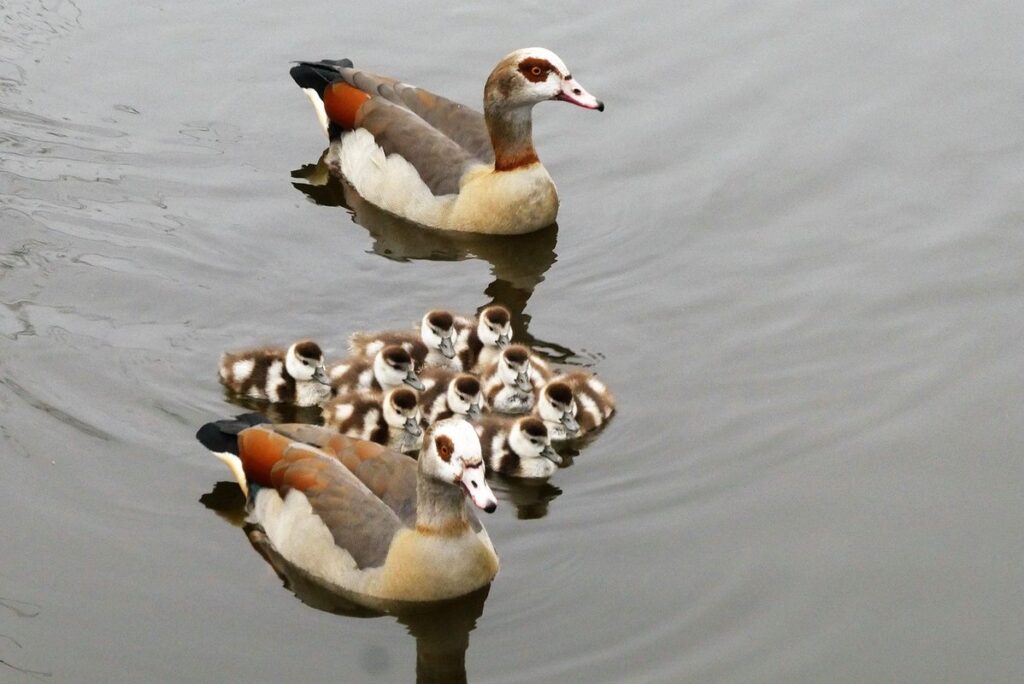
Understanding Goose Reproduction Cycles
To better understand when geese lay eggs, it’s essential to grasp their reproductive cycles and how breeding seasons are triggered by environmental changes. Let’s break down these natural processes together.
Factors Influencing Breeding Season
Climate and geographical location play significant roles in determining the breeding season of geese. In general, geese breed during spring and early summer, but the exact timing varies depending on the latitude and longitude of their habitat. For example, snow geese in the Arctic breed as early as February or March due to the prolonged daylight hours, while those in warmer regions like Africa may start breeding in late April or May.
Food availability is another crucial factor influencing goose breeding seasons. Geese typically require a reliable food source during breeding and incubation periods, so they tend to migrate or choose nesting sites near abundant foraging areas. In contrast, some species of geese are adapted to living in areas with limited resources and have adjusted their reproductive cycles accordingly.
Interestingly, different species of geese exhibit unique adaptations to their local environments. For instance, the Canada goose breeds relatively earlier than other North American species, while the Snow goose takes advantage of the long Arctic spring. By understanding these regional variations, wildlife managers can develop targeted conservation strategies to support specific goose populations.
Recognizing Physical Signs of Egg Laying
As you wait for your female geese to start laying eggs, it’s essential to recognize the physical signs that signal the onset of egg-laying. One of the most noticeable changes is broodiness, a behavior where the hen becomes obsessed with nesting and incubating eggs. You may notice her pacing back and forth, searching for the perfect spot to lay her eggs. If you provide a suitable nesting box, she’ll likely claim it as her own and start preparing it for egg-laying.
Other physical changes include changes in plumage, where your female geese may appear more rounded or puffy due to increased fat reserves. This is a natural process that helps them prepare for motherhood. You might also notice her nesting behavior, such as collecting grasses, leaves, and other materials to line her nest. If you’re new to goose keeping, these signs can be subtle, but with experience, you’ll become more attuned to the physical changes that signal egg-laying is imminent.
By recognizing these physical signs, you’ll be better prepared to support your female geese during this critical period, ensuring they have a safe and healthy environment to lay their eggs.
Identifying the Start of Egg Laying Season
To determine when your geese will start laying eggs, you’ll want to look for signs that indicate egg-laying season has begun. Keep an eye out for these subtle cues.
Determining the Breeding Season for Domestic Geese
Determining the Breeding Season for Domestic Geese is crucial to predict when they will start laying eggs. This process involves considering several factors including breed, age, nutrition, and overall health of the geese.
Geese breeds play a significant role in determining their breeding season. Some breeds like Embden and Toulouse are known to be prolific layers and can start egg-laying as early as 6-8 months. On the other hand, some Chinese and African Geese may take up to a year or more to mature. Therefore, it’s essential to research your geese breed and understand its specific breeding characteristics.
Nutrition also plays a vital role in determining when domestic geese will start laying eggs. A balanced diet rich in vitamins and minerals is necessary for maintaining the health of the geese. Ensure that they have access to clean water and quality feed at all times. It’s recommended to provide supplements like calcium and protein to support egg production.
In addition, a geese’ overall health should be monitored closely during this period. Factors such as stress, injury or disease can cause them to delay laying eggs. Regular veterinary check-ups will ensure that your geese receive the necessary care to optimize their reproductive cycle.
Understanding Migratory Patterns’ Impact
Wild geese are migratory birds that travel long distances each year between their breeding and wintering grounds. Their migratory patterns play a significant role in influencing their breeding cycles and egg-laying schedules. For instance, Canada geese typically migrate from their northern breeding grounds to the southern United States or Mexico for the winter months. This journey can be as far as 3,000 miles round trip.
As wild geese return to their breeding grounds in the spring, they usually arrive before the onset of egg laying season. However, this timing can vary depending on factors such as food availability and weather conditions. In general, female geese tend to lay eggs about a week or two after their arrival at the breeding grounds. It’s essential for farmers, conservationists, and wildlife enthusiasts to understand these migratory patterns to anticipate when egg laying season is likely to begin.
By observing the local bird populations and taking note of any changes in behavior, such as increased vocalization or courtship displays, individuals can get a better sense of when wild geese are preparing to lay eggs. This knowledge can be valuable for farmers who rely on goose eggs as a food source, as well as conservationists working to protect these birds and their habitats.
The Role of Age in Egg Laying
As you’re planning your flock, it’s essential to consider how age affects egg-laying in geese. We’ll explore the role of age in this crucial process.
Juvenile Geese’s Reproductive Development
Juvenile geese undergo significant reproductive development as they mature. Typically, goslings begin to show signs of puberty around 6-8 weeks old, but full maturity is reached at approximately 12-14 months. During this period, their reproductive organs and systems develop rapidly.
As they approach maturity, female geese will start producing eggs, but these early attempts are usually infertile. This is a natural process, as the gosling’s reproductive system isn’t fully developed yet. In fact, it can take several months for a juvenile goose to lay fertile eggs.
It’s essential to note that individual development rates can vary depending on factors such as breed, nutrition, and overall health. As a responsible goose owner, you should monitor your birds’ progress closely, ensuring they receive proper care and attention during this critical developmental stage.
Factors Affecting Fertility Rates
Geese that receive optimal nutrition will be more fertile and have higher fertility rates than those that are malnourished. A balanced diet rich in vitamins and minerals is crucial for maintaining healthy reproductive organs. Ensure they have access to a reliable source of clean water, adequate shelter, and proper feed.
Genetics also play a significant role in determining the fertility rate of geese. Some breeds are naturally more fertile than others due to their genetic makeup. For instance, Embden geese are known for their high egg production rates compared to other breeds.
In addition to nutrition and genetics, health issues can significantly impact fertility rates among adult geese. Geese that contract diseases such as avian cholera or pneumonia may experience a decline in fertility. Regular veterinary check-ups and preventative measures like vaccinations can help minimize the risk of disease.
A balanced diet combined with regular health checks will contribute to maintaining high fertility rates in your flock.
Environmental Factors Influencing Egg Laying
So, you’re wondering what affects a goose’s egg-laying schedule? Let’s dive into the environmental factors that can influence when your feathered friend lays eggs.
Climate Change’s Impact on Breeding Seasons
Climate change has significantly impacted breeding seasons for various geese species, and it’s essential to understand these changes to predict when they will lay eggs. Rising temperatures are altering the timing of spring migrations, causing some geese species to arrive at their breeding grounds earlier than usual. This shift in migration patterns can disrupt the delicate balance between geese populations and their food sources.
In addition to temperature changes, shifts in precipitation patterns have also affected goose breeding seasons. For instance, increased rainfall during spring can lead to flooding, making it difficult for geese to build nests and lay eggs safely. Conversely, droughts can reduce the availability of food resources, further exacerbating the challenges faced by these birds.
The Canada Goose is a prime example of how climate change has impacted breeding seasons. Historically, they laid eggs in late March or early April; however, due to warmer temperatures, they now start laying as early as February. If you’re trying to predict when your geese will lay eggs, it’s crucial to consider these changes and adjust accordingly.
Habitat Quality and Its Effects
The quality of a goose’s habitat plays a significant role in its reproductive health, including egg laying. Access to clean water is crucial for geese as it affects their overall well-being and fertility. A pond or lake with clear water and adequate depth allows geese to swim and exercise freely, promoting good health.
Availability of nutritious food also impacts the quality of eggs laid by geese. Geese are herbivores and require a diet rich in fiber and nutrients from plants such as grasses, aquatic plants, and grains. A well-manicured lawn or access to a designated feeding area can provide them with the necessary nutrition for healthy egg production.
Shelter is another vital aspect of a goose’s habitat that affects its reproductive health. Geese need protection from harsh weather conditions, predators, and potential threats. A safe and secure enclosure or a fenced area can help ensure their safety and well-being.
Health Considerations for Egg Production
When it comes to raising geese for egg production, there are several health considerations you’ll want to keep in mind to ensure your girls stay happy and healthy. This includes monitoring their diet, living conditions, and more.
Nutritional Requirements for Healthy Laying Geese
As geese begin laying eggs, their nutritional requirements become even more crucial to ensure optimal health and egg production. A balanced diet rich in essential nutrients is vital for geese that are producing eggs regularly.
Geese require a minimum of 15-20% protein in their diet to maintain strong eggshell production and overall health. This can be achieved by feeding them high-quality commercial poultry feed, supplemented with fresh fruits, vegetables, and grains like oats or barley. For example, you could provide your geese with a mix of 70% commercial feed, 10% fresh fruits and veggies, and 20% grains.
In addition to protein, geese also need essential vitamins and minerals such as calcium, phosphorus, and vitamin D3 to support strong eggshell production and overall health. Provide your geese with access to clean water at all times, and consider adding a calcium supplement to their diet during breeding season to ensure they get enough of this critical nutrient.
Remember to provide fresh food and water daily, and maintain a clean feeding area to prevent disease and promote overall well-being in your laying geese.
Common Health Issues in Geese
Geese are generally hardy birds, but like all animals, they can be susceptible to certain health issues that affect their reproductive cycles and egg production. Reproductive tract infections (RTIs) are a common problem in geese, especially if they’re not provided with clean living conditions or are exposed to stress. These infections can lead to inflammation, scarring, and even permanent damage to the reproductive organs.
Nutritional deficiencies can also impact egg production in geese. A diet lacking essential nutrients such as calcium, vitamin D3, or omega-3 fatty acids can cause issues like soft-shelled eggs, broken shells, or reduced fertility rates. For example, a study found that geese fed a diet with inadequate calcium levels experienced a significant decrease in eggshell thickness and an increase in shell breakage.
To prevent these health issues, it’s essential to provide your geese with a balanced and nutritious diet, regular access to clean water, and a safe living environment. Consider adding supplements or changing their feed to meet their specific nutritional needs. Regular veterinary check-ups can also help identify any potential problems early on, allowing you to take corrective action before they impact egg production.
Conclusion: Timing and Optimizing Egg Laying
Now that you know when geese typically lay eggs, let’s discuss how to time your efforts for optimal egg production and a healthy flock. Timing is everything!
Key Takeaways for Breeders and Owners
As we conclude our exploration of when geese lay eggs, it’s essential to distill the key takeaways for breeders and owners. By understanding the factors that influence egg laying, you can optimize the reproductive cycle of your goslings and increase overall productivity.
Firstly, recognize that egg laying in geese is a complex process influenced by genetics, nutrition, age, and health status. Breeders should carefully select breeding stock to ensure optimal genetic potential for fertility and egg quality. This may involve selecting birds from proven lines with a history of excellent reproductive performance.
For owners, it’s crucial to create an environment that supports healthy egg laying. Provide your geese with adequate nutrition, including high-quality feed and access to fresh water. Maintain proper living conditions, ensuring they have enough space to move around and exercise. Regular health checks will also help identify any issues early on, preventing them from affecting egg production.
In terms of timing, it’s worth noting that most goslings begin laying eggs between 18 and 24 months of age, depending on the breed and sex. However, some breeds may reach reproductive maturity earlier or later than others. Be sure to research your specific breed’s needs and plan accordingly.
Finally, don’t forget to collect eggs regularly to prevent breakage and maintain a clean environment. A daily egg collection routine will also help you monitor egg production, enabling you to identify any issues promptly.
Frequently Asked Questions
Can I start expecting eggs from my geese at any time during the breeding season?
Yes, while the general guideline for breeding seasons is spring and early summer, it’s essential to monitor your flock closely, as individual geese may start laying eggs earlier or later than expected. Keep an eye out for physical signs of egg laying, such as nesting behavior or changes in plumage, to determine when your geese are likely to begin producing eggs.
How does climate change affect the breeding season and fertility rates of geese?
Climate change can significantly impact the timing and duration of goose breeding seasons, with rising temperatures potentially altering the onset of spring. This, in turn, may disrupt the synchronization between environmental cues and internal biological cycles that regulate reproduction, affecting fertility rates and overall health.
What’s the ideal environment for promoting healthy egg production in my domestic geese?
To optimize egg production, ensure your geese have access to a nutrient-rich diet, adequate water supply, and suitable shelter. Provide them with sufficient space for exercise and social interaction, taking into account factors like temperature fluctuations and humidity levels that can impact fertility rates.
How long does it typically take for juvenile geese to start laying eggs?
The age at which juvenile geese begin laying eggs varies depending on their breed and species. Generally, most domestic breeds start producing eggs within 2-3 years of hatching, while wild geese may not reach reproductive maturity until they’re around 4-5 years old.
Can I use environmental cues to predict when my geese will start laying eggs?
Yes, understanding the specific environmental conditions that trigger breeding seasons in your region can help you anticipate when your geese are likely to begin producing eggs. By paying attention to local temperature fluctuations, day length, and other natural indicators, you can create a more accurate forecast for egg production in your flock.