
If you’re a farm or ranch owner looking to improve the health and productivity of your land, you might be interested in learning about one simple yet effective technique: geese pasture rotation. This innovative approach not only enhances biodiversity but also helps reduce soil erosion and promotes healthier pastures for your animals. By rotating your geese through different areas of your property, you can create a more balanced ecosystem that benefits both the environment and your livestock. But how exactly does rotational grazing work, and what are the key benefits you can expect to see? In this article, we’ll delve into the ins and outs of geese pasture rotation, exploring its advantages and providing practical tips for implementing this technique on your own farm or ranch.
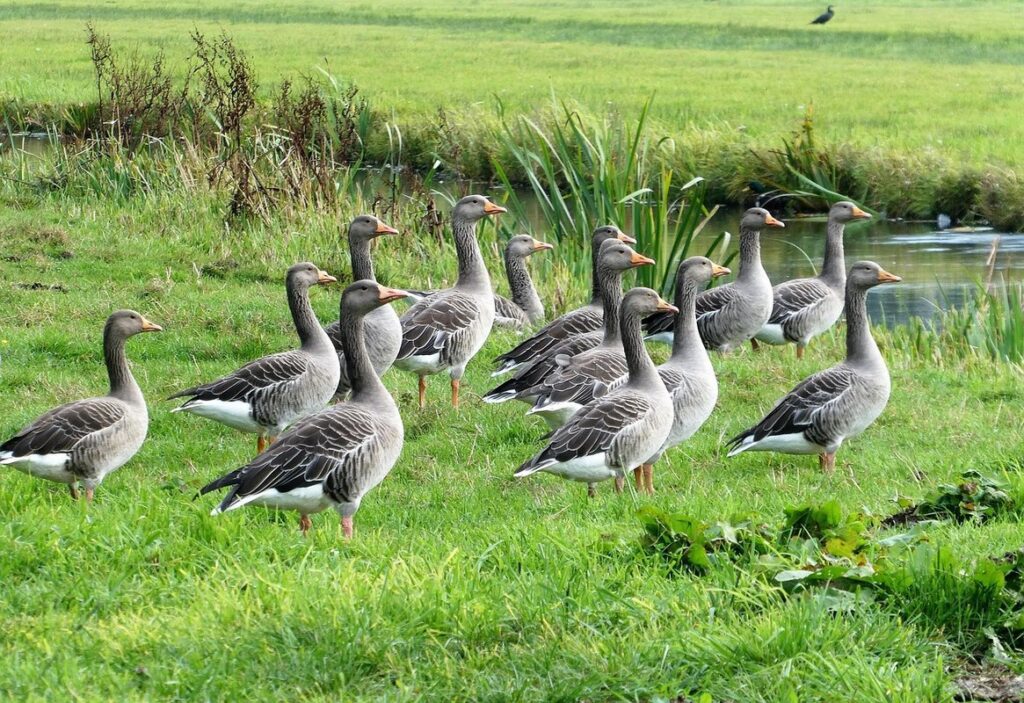
Benefits of Geese Pasture Rotation
Geese pasture rotation offers several advantages that can improve your land’s productivity, reduce waste, and promote a healthier ecosystem. Let’s explore these benefits in more detail.
Increased Forage Quality
When you implement geese pasture rotation, one of the most significant benefits is increased forage quality. Regular rotation allows you to cultivate healthier and more nutritious grasses on your land. This process promotes a balanced soil ecosystem by preventing overgrazing, reducing erosion, and replenishing nutrient deficiencies.
As a result, the grasses that grow in these pastures become more robust and resilient. They have better root systems, which enables them to absorb water and nutrients more effectively. This leads to an increase in desirable grass species, such as clover, orchard grass, and Kentucky bluegrass. These plants are not only more palatable for geese but also provide a richer source of nutrition.
For instance, by rotating pastures every 7-10 days, you can expect to see a significant improvement in forage quality within the first few weeks. This is because the grasses have ample time to recover and replenish their nutrient stores. By maintaining this rotation schedule, you’ll be able to enjoy healthier and more productive geese pastures throughout the year.
Reduced Soil Erosion
When geese pasture rotation is implemented correctly, it not only helps to maintain healthy pastures but also reduces soil erosion significantly. This is because geese are able to graze on the most productive areas of the land first, allowing the less fertile areas to recover between grazings. By giving the soil a chance to rest and recover, the soil’s natural processes can work to rebuild its structure and fertility.
This approach minimizes soil compaction and runoff, which are common issues that lead to erosion. As geese move through the pasture, their droppings act as a natural fertilizer, helping to replenish nutrients in the soil. Additionally, the geese’s grazing pattern promotes the growth of deep-rooted grasses and plants, which help hold the soil in place.
To maximize the benefits of reduced soil erosion through geese pasture rotation, it is essential to maintain optimal pasture stocking rates. This involves carefully monitoring the number of geese per acre to avoid overgrazing, which can damage the soil’s structure and increase erosion risks. By doing so, you can ensure that your pastures remain healthy, productive, and resilient in the face of environmental challenges.
Enhanced Biodiversity
Rotating pastures for geese not only benefits the birds themselves but also has a profound impact on local wildlife and ecosystem health. By mimicking the natural grazing patterns of wild geese, you can create a thriving environment that supports an array of plant and animal species.
As geese move through your pasture, they deposit nutrient-rich droppings that act as a natural fertilizer, promoting healthy growth and diversity in the vegetation. This, in turn, attracts a variety of pollinators, such as bees and butterflies, which are essential for maintaining ecosystem balance. In fact, studies have shown that rotational grazing can increase plant species diversity by up to 50% compared to conventional methods.
By incorporating geese pasture rotation into your management strategy, you can create a haven for local wildlife, including birds, insects, and small mammals. For example, consider incorporating native wildflowers or grasses that provide habitat for beneficial insects and attract pollinators. This not only enhances biodiversity but also supports the overall health of your ecosystem, making it more resilient to pests, diseases, and environmental stressors.
Understanding Geese Behavior and Needs
To create a thriving geese pasture, it’s essential to understand their behavior and needs, which we’ll explore next. This includes their social dynamics and foraging patterns that impact grazing habits.
Establishing a Basic Understanding of Geese Psychology
Understanding geese behavior and needs is crucial for implementing effective pasture rotation practices. To start, it’s essential to recognize that geese are highly social animals that thrive in groups. In the wild, they typically form flocks of 10-20 birds, with a dominant pair leading the group. This social structure can be replicated on your farm by keeping multiple geese together.
Geese are also grazers, and their feeding habits play a significant role in determining pasture rotation needs. They have a unique digestive system that allows them to consume a wide variety of plants, including grasses, leaves, and aquatic vegetation. However, they tend to overgraze certain areas, leading to soil erosion and nutrient depletion if not managed properly.
When planning your pasture rotation, consider the geese’s preference for grazing in the morning and afternoon, while avoiding midday heat. By creating a diverse landscape with a mix of grasses, legumes, and aquatic plants, you can cater to their feeding habits and promote sustainable grazing practices.
Identifying Geese Grazing Patterns
To effectively implement geese pasture rotation, it’s essential to understand their natural grazing patterns. Geese are social birds that follow a specific foraging behavior. In the wild, they tend to graze in a pattern of “strip grazing,” where they move across a large area, feeding on grasses and other vegetation.
Observing geese in their natural habitat can help you identify their preferred grazing areas. Look for patterns such as:
• Grazing near water sources: Geese often prefer areas with access to water for drinking and bathing.
• Favoring lush grasslands: Geese tend to concentrate in areas with the most nutritious and palatable vegetation.
• Avoiding heavily grazed or trampled areas: Geese will generally avoid areas that have been overgrazed, especially if they’ve been previously damaged.
By recognizing these patterns, you can create an effective geese pasture rotation plan. Consider dividing your pastures into smaller sections, allowing the geese to graze on one section while another area is rested and recovering.
Designing an Effective Pasture Rotation System
When designing a pasture rotation system for your geese, consider factors such as land availability, soil type, and desired grazing periods to ensure optimal outcomes. This thoughtful approach will help you create a thriving ecosystem.
Assessing Your Land and Resources
When designing an effective geese pasture rotation system, it’s essential to assess your land and resources carefully. This involves evaluating your soil type and climate to determine its suitability for rotational grazing.
Start by examining your soil type. Different soils have varying levels of fertility and drainage, which can impact the health and productivity of your geese. For example, if you have a heavy clay soil, it may be prone to waterlogging, making it difficult to maintain optimal pasture conditions. On the other hand, sandy soils can be more susceptible to erosion.
Consider factors like climate and weather patterns as well. Extreme temperatures, rainfall, or droughts can affect your geese’s grazing needs and the overall health of your pasture. A moderate climate with adequate rainfall is ideal for rotational grazing.
Another critical factor is topography – the lay of the land. If you have uneven terrain or steep slopes, it may be challenging to create a cohesive rotation system that allows your geese to access all areas of the pasture.
By taking these factors into account, you’ll get a better understanding of your land’s capacity for rotational grazing and can make informed decisions about its layout and management.
Creating a Rotational Plan
Creating a rotational plan that suits the specific needs of your geese and land is crucial for a successful pasture rotation system. To design an effective rotational plan, consider the following factors: the size and layout of your pastures, the number and breed of geese you’re raising, the type and quality of forage available, and the overall climate and soil conditions.
Start by dividing your pastures into sections or paddocks that can be easily accessed and managed. This will allow you to rotate your geese through different areas, giving each section a chance to rest and recover from grazing. Aim to allocate about 2-3% of your total pasture area for pathways and access routes to ensure easy movement between paddocks.
Next, determine the optimal rotation cycle based on your geese’s needs and the growth stage of the forage. As a general rule, allow your geese to graze each section for 1-3 days before moving them to fresh pasture. This will give you ample time to observe their grazing patterns and adjust the rotation schedule as needed.
By implementing a tailored rotational plan, you’ll be able to promote healthy forage growth, reduce soil erosion, and create a thriving ecosystem for your geese.
Implementing Geese Pasture Rotation in Practice
Now that you’ve learned the benefits and principles of geese pasture rotation, let’s dive into practical implementation steps to get started on your own farm. Here are some key considerations for a successful program.
Initial Setup and Preparation
When establishing a geese pasture rotation system, it’s crucial to set up a solid foundation for successful implementation. This involves preparing the necessary infrastructure and arrangements that will support the health and well-being of your geese.
To begin, determine the optimal pasture size for your geese based on their breed, age, and desired stocking rate. A general rule of thumb is to allocate 1/4 acre per every 10-15 geese. Ensure there’s sufficient space to allow them to roam freely while minimizing overgrazing.
Next, consider investing in sturdy fencing that can withstand the unique needs of your geese. This may include durable materials such as wood or metal with an additional layer for protection from predators like coyotes and foxes. Install water sources like ponds or troughs close to the pasture area, taking care to maintain a steady supply.
Geese require adequate shelter, especially during harsh weather conditions. Set up wooden shelters or three-sided sheds in areas with partial shade, providing enough space for all geese to move comfortably.
Monitoring Progress and Making Adjustments
Monitoring progress and making adjustments is an essential part of implementing geese pasture rotation effectively. As you begin to see results from your new grazing system, it’s crucial to continuously assess and improve the rotation plan based on observed outcomes.
Regular monitoring involves tracking key indicators such as grass growth rates, weed control, soil health, and geese performance. Set up a data collection system that works for you, whether it’s through spreadsheets or using mobile apps like PastureMap or Grazing Manager. Take regular measurements of these metrics to establish baseline values and track changes over time.
By regularly reviewing your data, you can identify areas where the rotation plan is working well and where adjustments are needed. For instance, if you notice that certain pastures are not recovering as quickly as expected, it may be necessary to adjust the grazing duration or introduce additional rest periods. Similarly, if you observe a decline in geese performance, re-evaluate their access to water, nutrients, and suitable forage. By making informed adjustments based on your data, you’ll be able to optimize your geese pasture rotation plan for maximum sustainability and productivity.
Challenges and Solutions: Overcoming Common Obstacles
One of the biggest hurdles you’ll face when implementing geese pasture rotation is identifying and addressing common challenges that can arise, such as uneven forage growth. Let’s tackle these issues together and explore practical solutions to overcome them.
Managing Geese Numbers and Distribution
Managing geese numbers and distribution within the pasture is crucial for maintaining optimal grazing practices. This involves striking a balance between providing enough space for the birds to roam freely while preventing overgrazing that can damage vegetation.
To determine ideal goose population densities, consider factors such as pasture size, type of grasses present, and available water sources. A general rule of thumb is to allocate 10-15 square meters per goose, assuming moderate grazing intensity. However, this may vary depending on the specific conditions of your pasture.
Regular monitoring of geese numbers through counts or censuses can help you identify trends and make informed decisions about culling or introducing new birds. Additionally, consider implementing a rotation plan that allows sections of the pasture to rest and recover between rotations, mimicking natural grazing patterns found in nature.
Addressing Nutrient Deficiencies and Overgrazing
When implementing geese pasture rotation, it’s crucial to address potential nutrient deficiencies and overgrazing. These issues can arise when geese are not given adequate time to recover from grazing, leading to depleted soil fertility and decreased forage quality.
One way to mitigate these problems is through the use of cover crops. By planting a mix of legumes and grasses between rotations, you can replenish nutrients in the soil and promote healthy microbial activity. For example, alfalfa or clover can be used as a nitrogen-fixing crop to enhance soil fertility. By incorporating cover crops into your rotation plan, you can create a more balanced and resilient ecosystem.
Another strategy is to monitor geese grazing patterns closely and adjust the rotation schedule accordingly. By observing which areas of the pasture are being overgrazed or underutilized, you can make informed decisions about where to move the flock next. This approach requires some trial and error but can help prevent nutrient deficiencies and promote optimal forage utilization.
Long-Term Benefits and Sustainable Management
Effective geese pasture rotation is not just a short-term solution, but a long-term investment that yields numerous benefits for your farm’s ecosystem and productivity. Let’s explore these advantages in more detail.
Enhanced Land Health and Productivity
When implemented correctly, rotational grazing has numerous long-term benefits for land health and productivity. One of the most significant advantages is the improvement of soil structure. By allowing geese to rest on certain areas of the pasture while being moved to others, the soil has time to recover from overgrazing. This leads to increased water infiltration, reduced erosion, and a better ability to support plant growth.
As a result, the quality of forage available to the geese also improves, making them healthier and more productive. In fact, studies have shown that rotational grazing can increase pasture productivity by up to 50%. Additionally, the diverse range of plants that grow in rotationally grazed pastures provide a natural source of nutrients and minerals, reducing the need for synthetic fertilizers.
By adopting this approach, farmers can expect to see increased yields and improved overall land health. With careful planning and management, rotational grazing can be a powerful tool for sustainable grazing practices that benefit both geese and the environment.
Maintaining a Healthy Balance with Other Livestock
When incorporating geese pasture rotation into larger farm or ranch operations involving other livestock, it’s essential to maintain a healthy balance between different species. This can be achieved by designing a diverse grazing plan that takes into account the specific needs and requirements of each animal.
For instance, integrating geese with cattle or sheep requires careful planning to avoid overgrazing and ensure adequate resources for all animals. A balanced rotation schedule should consider factors such as nutrient cycling, soil health, and water availability. To achieve this, you can implement separate grazing paddocks for each species, rotating them through a series of areas to maintain optimal pasture quality.
Some key considerations include: allocating sufficient space for each animal type; ensuring access to adequate water sources; and implementing measures to prevent competition between species for resources. By striking the right balance, you can create a thriving ecosystem that benefits both geese and other livestock, while promoting long-term soil health and biodiversity.
Frequently Asked Questions
How do I assess my land’s suitability for geese pasture rotation?
When implementing geese pasture rotation, it’s essential to assess your land’s topography, soil type, and existing vegetation cover. Consider factors like slope, aspect, and drainage patterns to determine the most suitable areas for grazing. Additionally, evaluate your land’s nutrient levels and potential for erosion to ensure a successful rotational system.
Can I use geese pasture rotation in combination with other livestock?
Yes, incorporating multiple species can enhance biodiversity and improve overall ecosystem health. However, it’s crucial to carefully plan and manage the grazing patterns of each species to avoid competition and overgrazing. This may involve staggering their arrival times or allocating specific areas for exclusive use.
How do I identify and address potential nutrient deficiencies in my geese pastures?
Regular soil testing can help you detect nutrient deficiencies before they impact pasture health. Addressing these issues promptly is crucial to maintaining optimal forage quality. Consider adding organic amendments, adjusting your rotational schedule, or incorporating cover crops to replenish depleted nutrients.
What are some common challenges associated with implementing geese pasture rotation?
Some farmers may experience difficulties in managing geese grazing patterns, particularly during the initial setup phase. Others might struggle with balancing nutrient levels and preventing overgrazing. To overcome these obstacles, it’s essential to monitor your land closely, adjust your rotational schedule as needed, and develop strategies for addressing specific challenges.
Can I use geese pasture rotation on small-scale farms or in urban areas?
While geese pasture rotation is often associated with large-scale agricultural operations, its principles can be applied to smaller properties. However, it’s crucial to carefully evaluate your land’s resources and limitations, adapting the system to suit your unique circumstances. Consider working with local experts or using online resources for guidance on implementing geese pasture rotation in smaller settings.