
Peacocks are known for their dazzling displays, but have you ever wondered what goes on behind those vibrant feathers? The truth is, these birds are masters of complex social structures and intriguing behaviors that are worth exploring. Peacocks establish dominance hierarchies within their groups, with the most dominant bird claiming prime mating opportunities. But how do they communicate with each other, and what strategies have they developed to thrive in various environments?
In this article, we’ll delve into the fascinating world of peacock behavior, examining their communication methods, social dynamics, and adaptations to different ecosystems. Whether you’re an avid birdwatcher or simply curious about these stunning creatures, join us as we uncover the secrets of peacocks’ unique behaviors and learn what makes them so resilient in the wild.
The Social Structure of Peacocks
When it comes to peafowl, their social dynamics play a crucial role in their behavior and survival. Let’s delve into the fascinating world of peacock hierarchies and interactions.
Dominance and Hierarchy
In the complex social structure of peacocks, dominance and hierarchy play a crucial role in determining mating rights. When it comes to establishing dominance, male peacocks employ an array of strategies, including their iconic courtship displays.
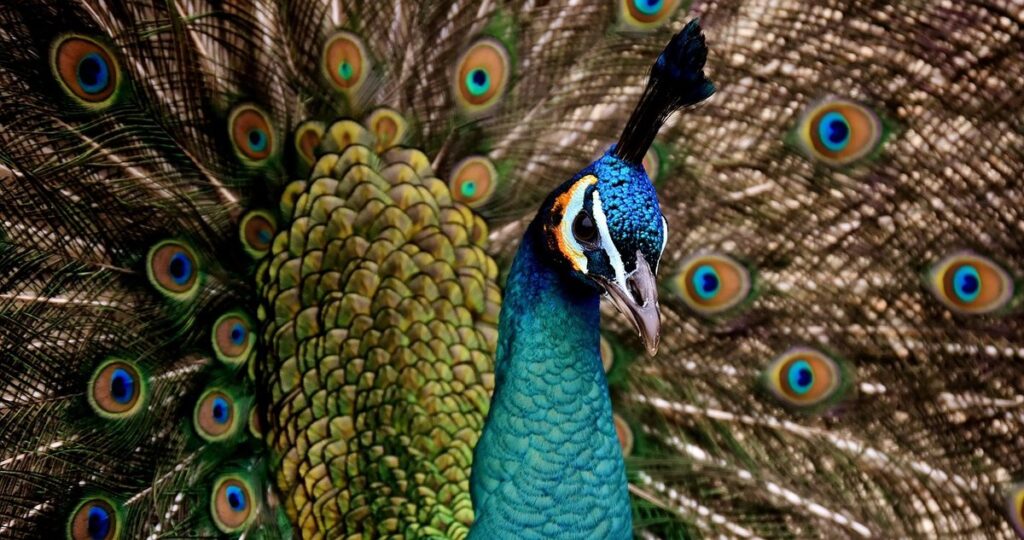
During these displays, a dominant peacock will spread its vibrant plumage, shake its tail feathers, and perform a series of intricate dance moves to showcase its prowess to potential mates. The more extravagant the display, the greater the chances of attracting a female peacock‘s attention.
However, when competing for mating rights, aggressive behaviors come into play. Dominant males will often engage in intense displays of aggression, including loud calls, aggressive posturing, and even physical confrontations with rival males. In such situations, the male with the most impressive plumage, combined with assertive behavior, is more likely to emerge victorious.
When observing peacocks in their natural habitat, it’s essential to recognize these dominance dynamics at play. By understanding how they establish dominance, you can gain valuable insights into the intricate social hierarchies of these fascinating birds.
Peahen Roles in Peacock Societies
In addition to their stunning plumage and impressive courtship displays, peahens play a vital role in maintaining social balance within flocks of peacocks. While the males often take center stage, it’s the females that ensure the continuation of the species through their crucial roles in brooding and protecting young.
A peahen typically lays between 2-6 eggs per clutch, which she carefully incubates for about a month before they hatch. Once the chicks emerge, the mother peahen takes on the responsibility of feeding, sheltering, and guarding them from potential threats. This is no easy task, as peacocks often engage in aggressive behavior towards each other during mating season, making it essential for the females to keep their young safe.
To appreciate the importance of peahens, observe a flock’s dynamics over time. You’ll notice that the males will often take turns trying to impress potential mates, while the females remain vigilant and focused on nurturing their young. By understanding the intricate social balance within a peacock society, we can better appreciate the interdependent relationships between these magnificent birds.
Communication Methods in Peacocks
Peacocks use a variety of fascinating communication methods to convey their intentions, and understanding these signals can be essential for appreciating their unique behavior. Let’s take a closer look at how they communicate.
Visual Displays
When it comes to communication, peacocks rely heavily on visual displays to convey their intentions and status. This is particularly evident during mating season when males will spread their magnificent tails to attract females. The display, known as the “train,” is a stunning spectacle of iridescent blues and greens that can be up to 6 feet long.
To create an even more impressive display, peacocks will often add movement to their visual displays by shaking their tails or bobbing their heads. This not only grabs the attention of potential mates but also helps to establish dominance over rival males. For example, a male peacock may use his visual display to signal to other males that he is strong and healthy enough to mate.
Females will often choose the male with the most impressive visual display as they are able to see the condition and health of the bird reflected in its plumage.
Vocalizations and Body Language
When it comes to communication, peacocks use a combination of vocalizations and body language to convey vital information about their status and intentions. One of the most distinctive vocalizations is the loud call, which can be heard from great distances. This call serves as an announcement of the peacock’s presence, often used during mating season or when defending its territory.
A peacock’s posture also plays a significant role in communication. When feeling threatened or displaying dominance, a peacock will arch its neck and spread its tail feathers, creating a stunning visual display. Conversely, when relaxed or submissive, it will lower its neck and feathers, adopting a more subdued appearance. Pay attention to the direction of a peacock’s gaze – if it’s looking away from potential rivals or predators, it may be signaling submission.
To better understand a peacock’s body language, observe how it stretches its neck. When done in a smooth, fluid motion, this indicates confidence and dominance. However, if the stretch appears jerky or erratic, it could signify anxiety or aggression. By paying attention to these subtle cues, you can gain valuable insights into a peacock’s mental state and intentions.
Foraging Behaviors in Peacocks
When it comes to foraging, peacocks are opportunistic feeders that use their striking plumage to distract potential predators while they search for food on the ground. Let’s take a closer look at how they go about finding what they need.
Dietary Preferences and Adaptations
Peacocks are primarily omnivores, which means their diet consists of both plant and animal matter. When it comes to their preferences, peacocks have a particular fondness for certain fruits, including berries, figs, and pomegranates. They also enjoy munching on leaves from various trees and shrubs, especially those with soft, tender shoots.
Insects are another crucial component of a peacock’s diet, particularly during the breeding season when protein is essential for their reproductive efforts. Grasshoppers, crickets, and mealworms are all popular choices among peacocks. Grains such as oats, wheat, and barley can also be part of their diet, but they tend to prefer the seeds rather than the whole grain.
In various environments, peacocks have adapted unique foraging strategies. For instance, in dry regions with limited vegetation, they have learned to survive on a diet rich in insects and small reptiles. In contrast, peacocks living in lush forests may focus more on fruits and leaves, often using their sharp beaks to tear into tree bark and extract sap.
Water-Based Activities
Water plays a crucial role in a peacock’s life, extending beyond mere sustenance to encompass an essential aspect of their behavior and well-being. When it comes to drinking, peacocks are known to be discerning, often preferring shallow water sources that allow them to easily wade in and out.
Interestingly, peacocks also exhibit unique bathing behaviors, typically involving a series of ritualistic preening actions after a drink or bath. This process serves as an essential grooming routine, allowing the birds to maintain their plumage’s vibrant colors and overall health.
In terms of display behaviors, peacocks often showcase their courtship displays near water sources. These elaborate rituals can involve spreading their magnificent tails, shaking their feathers, and engaging in loud vocalizations to impress potential mates or rivals. Observing these captivating displays near a water source not only provides insight into peacock behavior but also offers a unique opportunity for enthusiasts to witness the majesty of these birds up close.
When interacting with peacocks near water sources, it’s essential to maintain a safe distance and allow them space to perform their natural behaviors without interference. This will not only ensure your safety but also enable you to appreciate the complex social dynamics at play in these situations.
Courtship Rituals in Peacocks
One of the most fascinating displays of peacock behavior is their courtship ritual, a dazzling spectacle that showcases their vibrant plumage and impressive agility. Let’s take a closer look at this captivating display.
Mating Seasons and Preparations
When it comes to showcasing their vibrant plumage and impressive courtship displays, peacocks have specific periods during which they engage in these elaborate rituals. These mating seasons are crucial for the survival of the species, and peacocks go through meticulous preparations to make a lasting impression on potential mates.
The most prominent mating season for peacocks is during spring, when days start getting longer and temperatures rise. It’s not uncommon to see multiple peacocks competing for dominance and displaying their extravagant feathers in this time. To prepare themselves, peacocks will often undergo a molting period around 2-3 months before the peak breeding season, where they shed their old feathers and grow new ones.
This preparatory phase is crucial as it allows peacocks to flaunt their vibrant colors and impressive tail feathers during courtship displays. In fact, research suggests that peafowl with more extensive train length tend to have higher mating success rates. By observing and learning from these natural behaviors, bird enthusiasts can gain a deeper understanding of the intricate social dynamics at play in peacock societies.
Female Selectivity and Mate Choice
When it comes to attracting a mate, peahens are known to be quite selective. In fact, research has shown that they invest significant time and energy into evaluating potential partners. So, what exactly do peahens look for in a suitor? It all comes down to a combination of traits that showcase the male’s quality as a mate.
For instance, plumage brightness plays a significant role in attracting a peahen. A vibrant display of iridescent feathers can signal to potential mates that the male is healthy and robust. However, it’s not just about looking good – the display itself must also be impressive. Peahens have been observed watching males strut their stuff, paying close attention to factors like tail spread and shake, as well as overall energetic performance.
To increase your chances of impressing a peahen, focus on developing a strong display. Practice your strutting skills, work on building up your plumage brightness, and don’t be afraid to show off your aggression in a controlled manner. By doing so, you’ll be well on your way to attracting the attention of these discerning birds.
Habitat Selection by Peacocks
When it comes to finding the perfect spot to strut their stuff, peacocks are quite particular about their habitat selection. They seek out areas with lush vegetation and nearby water sources for ideal display grounds.
Forest, Grassland, or Urban Environments?
When it comes to habitat selection, peacocks are quite particular about their surroundings. They can thrive in various environments, including forest, grassland, and urban areas. However, each of these habitats presents unique challenges and opportunities for our vibrant friends.
In forests, peacocks prefer the understory, where they can forage for insects, fruits, and leaves. The dense foliage provides them with ample shelter from predators and harsh weather conditions. For example, in the Indian subcontinent, you can spot peacocks inhabiting the moist deciduous forests of the Western Ghats.
In contrast, grasslands offer a more open landscape, allowing peacocks to engage in impressive displays of courtship and territorial behavior. With an abundance of insects and seeds available, they can gorge on food without worrying about competition for resources. However, grasslands also expose them to predators like foxes and wild dogs.
Urban environments present a mixed bag for peacocks. While they may find abundant food sources in gardens and parks, the lack of natural shelter and high human activity levels can be stressful for these birds. Nevertheless, with proper management and conservation efforts, urban areas can support thriving peacock populations. By understanding their habitat preferences, we can create more suitable environments for these magnificent creatures to thrive.
Habitat Adaptations and Challenges
As we delve into the world of peacocks, it’s fascinating to observe how these majestic birds adapt to their surroundings. Habitat adaptations are a crucial aspect of peacock behavior, and they have evolved unique strategies to thrive in diverse environments.
In terms of diet, peacocks modify their feeding habits according to the season and availability of food sources. For instance, during winter months, they tend to eat more grains and seeds, whereas in summer, they feast on insects and small reptiles. To adapt to temperature extremes, peacocks exhibit physiological responses such as panting and sweating to regulate their body heat.
In hot climates, peacocks often take refuge under shaded areas or engage in activities that help them cool down, like flapping their wings or stomping their feet. Conversely, in cold temperatures, they puff out their feathers to trap warm air next to their skin and maintain a stable body temperature.
When choosing your own habitat for raising peacocks, consider the local climate and ensure you provide a suitable environment that meets their dietary and physiological needs.
Threats Facing Peacock Populations
Unfortunately, peacocks face numerous threats that impact their populations worldwide, from habitat loss and hunting to disease and human-wildlife conflict. We’ll delve into these pressing concerns in this critical section.
Human-Induced Hazards
As we delve into the mysterious world of peacocks, it’s essential to acknowledge the significant threats they face due to human activities. One of the most critical concerns is habitat destruction. The natural habitats of peacocks are being cleared for agriculture, urbanization, and infrastructure development, leaving them with limited spaces to roam and find food.
Another pressing issue is poaching, particularly for their majestic feathers and meat. Many peacock species are hunted for their plumage, which is highly valued in the exotic pet trade. In some parts of Asia, they’re even considered a delicacy and are hunted for food. According to a study by the International Union for Conservation of Nature (IUCN), over 70% of the world’s peafowl species are threatened or near-threatened due to habitat loss and hunting.
To mitigate these threats, conservation efforts are underway. Organizations such as the Wildlife Conservation Society (WCS) and the World Wildlife Fund (WWF) are working to protect peacock habitats and combat poaching. You can also contribute by supporting eco-tourism initiatives that promote responsible wildlife viewing, spreading awareness about the importance of preserving natural habitats, and advocating for policies that protect these magnificent birds.
In addition, you can make a difference in your own community by creating bird-friendly environments. This includes planting native vegetation that provides food and shelter for peacocks, reducing pesticide use, and supporting local conservation efforts. By taking these steps, we can work together to ensure the long-term survival of these incredible creatures.
Disease and Parasite Issues
Diseases and parasites pose a significant threat to peacock populations worldwide. Peacocks are susceptible to various health issues, including bacterial, viral, and parasitic infections. One common problem is the avian cholera bacterium, which can cause severe mortality rates among flocks. Research has shown that poor sanitation, inadequate nutrition, and overcrowding contribute to the spread of diseases.
Parasites, such as mites, lice, and fleas, also plague peacocks, causing discomfort and stress. Peacocks with heavy parasite loads may exhibit lethargy, weight loss, and changes in plumage quality. Conservation practices can help mitigate these issues. For example, maintaining clean enclosures, providing a balanced diet, and ensuring adequate space for birds to move around can reduce disease transmission.
In some cases, vaccinations can be effective against certain diseases. However, their use must be carefully managed due to the risk of adverse reactions and potential harm to other bird species in the area. If you’re a peacock owner or caretaker, it’s essential to work with a qualified veterinarian to develop a comprehensive health plan tailored to your flock’s needs.
Conservation Efforts for Peafowl
Efforts are underway to protect these magnificent birds and their habitats, including habitat restoration and anti-poaching initiatives that prioritize their welfare. You’ll learn more about how you can contribute to these vital conservation efforts.
National Parks and Protected Areas
When it comes to safeguarding wild peacock populations, protected areas play a crucial role. These natural sanctuaries provide a safe haven for peafowl to thrive, free from human disturbances and threats such as habitat destruction, poaching, and fragmentation. According to the IUCN Red List, many Indian national parks, including Ranthambore, Keoladeo National Park, and Kaziranga, have successfully conserved wild peacock populations.
Some of these protected areas have implemented innovative conservation strategies. For instance, Bandhavgarh National Park in Madhya Pradesh has introduced a ‘Fence Patrol’ program to safeguard the habitat and prevent human-wildlife conflict. Similarly, the Keoladeo National Park has established a dedicated Peafowl Conservation Unit that monitors and manages peacock populations within the park.
If you’re interested in supporting conservation efforts for wild peacocks, consider visiting or volunteering at these protected areas. By contributing to these initiatives, you’ll not only be helping to safeguard the future of these magnificent birds but also gaining insights into their behavior and habitat needs. Remember to respect wildlife and follow guidelines set by park rangers and local authorities to ensure a safe and enjoyable experience for both humans and animals alike.
Community Engagement and Education Initiatives
In many parts of the world, peafowl are an integral part of local ecosystems and cultures. However, their presence often sparks controversy due to misconceptions about their behavior and ecological impact. To address these issues, community engagement and education initiatives play a vital role in promoting coexistence with peacocks.
These initiatives focus on raising awareness about peacocks’ ecological value, such as their role in seed dispersal and insect control. Local communities are educated on the importance of preserving peacock habitats, which also support other biodiversity hotspots. Furthermore, cultural significance is highlighted through workshops and exhibitions that showcase traditional art forms inspired by peafowl imagery.
One notable example is a community-driven project in India, where locals were empowered to develop eco-friendly tourism initiatives centered around peacocks. This collaboration not only generated revenue but also encouraged the preservation of natural habitats. To replicate such success, communities can follow these steps:
• Partner with local conservation groups to organize workshops and awareness campaigns
• Develop and implement community-led tourism projects that promote responsible wildlife viewing
• Collaborate with artists to create traditional art forms inspired by peafowl, which can be sold to support conservation efforts
Frequently Asked Questions
How do I identify a dominant peacock in the wild?
To determine dominance, look for peacocks with the most vibrant plumage, frequent displays of courtship behavior, and assertive vocalizations. Dominant birds often establish territories by displaying their iridescent feathers to potential rivals.
Can I replicate peacocks’ social structures in my backyard or aviary?
While it’s possible to create a simulated environment for peafowl, replicating the complex social dynamics of wild peacock populations is challenging due to factors like space constraints and human interference. Research local regulations before attempting to establish a large-scale enclosure.
How can I contribute to peacock conservation efforts in my community?
Consider collaborating with local wildlife organizations or participating in citizen science projects focused on monitoring peacock populations, habitat preservation, and education initiatives. Your involvement can help raise awareness about the importance of preserving these majestic birds and their habitats.
What are some common threats facing peacock populations worldwide?
Human-induced hazards such as habitat destruction, hunting, and fragmentation, as well as disease and parasite issues, contribute significantly to declining peacock populations. Efforts like conservation breeding programs and community-led initiatives aim to mitigate these challenges and protect the species.
Can I keep a peafowl in an urban environment, and what are the specific needs?
Peacocks can thrive in urban environments if provided with suitable habitats and care. Ensure adequate space (around 1 acre or more), water features, and plant diversity that mimics their natural habitat. Additionally, familiarize yourself with local regulations regarding exotic birds in residential areas.
What role do peahens play in the courtship displays of male peacocks?
While peahens are often overlooked as passive observers, they play a crucial role in mate selection by assessing a peacock’s display and behavior. Female selectivity and mate choice can influence a peacock’s reproductive success and dominance within their social hierarchy.