
Are you ready to crack open the world of incubation? If you’re a beginner or an experienced poultry enthusiast, getting your first hatch right can be a game-changer. But with so many types of incubators and techniques out there, it’s easy to get overwhelmed. That’s why we’ve created this ultimate guide to incubator eggs and egg incubators.
In this article, we’ll take you on a journey from the basics of artificial incubation to expert-level hatching techniques. We’ll cover the different types of incubators available, including traditional and digital options, and provide tips on how to choose the right one for your needs. Whether you’re looking to hatch chicken eggs, quail eggs, or something else entirely, we’ve got you covered. By the end of this article, you’ll be well-equipped with the knowledge and confidence to succeed with your first hatch.
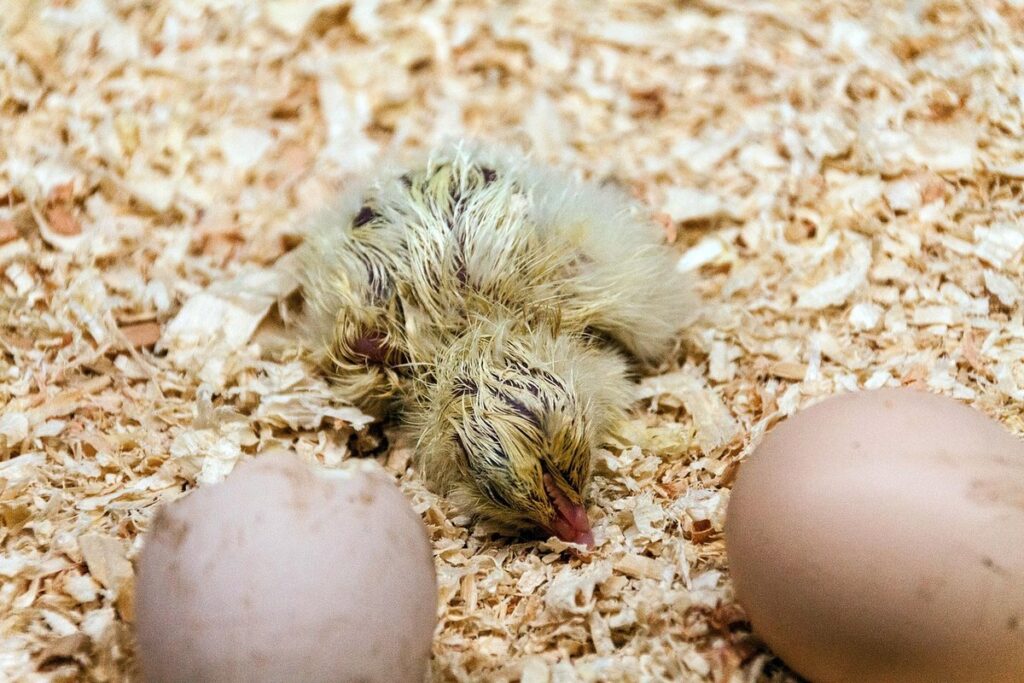
What are Incubator Eggs?
Let’s get started with the basics – if you’re new to incubators, understanding what incubator eggs actually are is a great place to begin your journey.
Definition and Purpose of Incubator Eggs
Incubator eggs are specially designed for artificial incubation, providing a precise environment for hatching. These eggs differ from regular chicken eggs due to their specific design and materials used. The primary purpose of an incubator egg is to create an optimal condition for embryonic development.
When it comes to designing incubator eggs, manufacturers focus on replicating the natural conditions found in a broody hen‘s nest. This includes precise temperature control between 99-100°F (37.2-37.8°C), humidity levels ranging from 50-60%, and gentle vibrations that mimic the mother’s movements.
The materials used to construct incubator eggs are also crucial, as they must withstand the artificial incubation process while maintaining a safe environment for the embryo. These eggs often feature built-in sensors and monitoring systems to track temperature, humidity, and other essential parameters. By using incubator eggs specifically designed for artificial incubation, you can ensure a higher success rate of hatching compared to regular chicken eggs.
Look for incubator eggs with features such as precise temperature control, built-in sensors, and durable construction materials when selecting an incubation system.
Types of Incubator Eggs: Automatic and Manual Options
When it comes to choosing incubator eggs, you’ll often come across two main types: automatic and manual options. Understanding the differences between these two will help you make an informed decision for your specific needs.
Automatic incubator eggs are equipped with advanced technology that monitors temperature, humidity, and turning. These eggs are perfect for beginners or those who want to focus on other aspects of chicken keeping. They’re relatively low-maintenance and can be left unattended for extended periods. For instance, the HovaBator Incubator uses a digital control panel to ensure precise temperature and humidity levels.
On the other hand, manual incubator eggs require more hands-on care. You’ll need to manually monitor and adjust the temperature, humidity, and turning of the eggs. These options are ideal for small-scale or experimental breeding programs where you have a better understanding of the specific needs of your flock. Manual incubators also tend to be more cost-effective than their automatic counterparts.
It’s essential to consider factors like egg capacity, ease of use, and power consumption when selecting an incubator type. Whether you choose an automatic or manual option, proper egg care is crucial for successful hatching. Always follow the manufacturer’s instructions and take necessary precautions to ensure a healthy environment for your eggs.
How Egg Incubators Work
So, you’re curious about how egg incubators actually work their magic? Let’s dive into the details of what makes these clever machines tick.
Components and Mechanics of an Egg Incubator
An egg incubator is essentially a self-contained environment that simulates the conditions necessary for hatching. At its core, it’s a delicate balance of temperature control systems, humidity management, and turning mechanisms. Temperature control is the most crucial aspect, as it directly affects embryonic development. Most modern incubators use thermostats to maintain a consistent temperature within 0.1-0.5°C of the set point.
Humidity levels are also critical for hatching success. Typically, an egg needs to maintain a relative humidity (RH) level between 45% and 55%. Many incubators come equipped with built-in hygrostats or separate humidification systems that can be adjusted according to specific breed requirements. The turning mechanism is designed to simulate the natural process of egg movement in a broody hen’s nest. This usually involves a slow rotation (around every hour) using electric motors or manual adjustments.
Some incubators come with advanced features such as automatic egg tracking and monitoring, air circulation systems, and internal light sources that mimic daylight patterns. These technologies contribute to healthier eggs by reducing the risk of fungal infections and maintaining optimal oxygen levels within the incubator.
Factors Affecting Incubation Success: Temperature, Humidity, and Turning
Maintaining an optimal environment within the incubator is crucial for successful hatching. Temperature fluctuations can significantly impact embryonic development. Most commercial egg incubators are set between 99°F and 100°F (37°C to 38°C), with slight variations depending on the breed or species of the bird.
Humidity levels also play a vital role in maintaining proper moisture levels within the incubator. A relative humidity range of 50% to 60% is considered ideal for most incubation processes. However, some breeds may require higher or lower humidity levels. For instance, waterfowl and game birds often prefer a more humid environment.
Egg turning techniques are also essential for preventing the embryo from sticking to the shell membranes. A minimum of 5-7 turns per day is recommended, with a slight angle adjustment to ensure even distribution of air cells within the egg. Proper turning helps in maintaining a healthy circulation of blood and nutrients throughout the embryo’s development stages.
Remember to monitor temperature and humidity levels closely, as even minor variations can have a significant impact on incubation success. Regular cleaning and maintenance of the incubator also help prevent bacterial contamination, which can lead to failed hatch rates.
Choosing the Right Egg Incubator for Your Needs
With so many options on the market, selecting the right egg incubator can be overwhelming. Let’s break down what to consider when making your choice today.
Factors to Consider When Selecting an Egg Incubator
When selecting an egg incubator, there are several key factors to consider to ensure you find the right one for your needs. The first consideration is capacity – think about how many eggs you plan to hatch at once and choose an incubator that can accommodate that number. For example, a small hobbyist may only need an incubator with a capacity of 10-20 eggs, while a larger operation or educational institution may require one that holds hundreds.
Another important factor is the level of automation you need. Some egg incubators are completely manual, requiring constant monitoring and temperature adjustments, while others come equipped with advanced technology like automatic temperature control, humidity sensors, and data logging software.
The price range is also crucial to consider. While it’s tempting to opt for the cheapest option, remember that a more expensive incubator may provide better performance, accuracy, and longevity in the long run. Consider your budget and balance it against the specific features you need.
When deciding between different models, think about the level of maintenance required and whether you have the resources available to keep the incubator running smoothly. Consider factors like energy efficiency, noise levels, and durability when making your decision.
Reviews of Popular Egg Incubators: Pros, Cons, and User Experiences
Let’s dive into some of the most popular egg incubators on the market. We’ll examine their strengths and weaknesses based on user feedback, reviews, and technical specifications.
One popular option is the Brinsea Mini II Incubator. Users praise its compact design, ease of use, and consistent temperature control. However, some reviewers note that it can be finicky with humidity levels and may require more frequent cleaning. With a price point around $150, it’s an affordable entry-point for beginners.
Another contender is the HovaBator 1588 Incubator. Users appreciate its large capacity, robust build quality, and advanced features like automatic egg turning and temperature control. However, some reviewers note that it can be bulky and may require more power consumption than other models. With a price point around $250, it’s a good option for those looking to hatch multiple eggs at once.
The Aviary Incubator is another popular choice among users. It boasts a sleek design, precise temperature control, and advanced features like egg turning and humidity management. However, some reviewers note that it can be more expensive than other models, with a price point around $300. Overall, each incubator has its strengths and weaknesses, so it’s essential to research and choose the one that best fits your needs.
It’s also worth noting that user experiences can vary greatly depending on individual circumstances, such as egg type, incubation method, and environment. When selecting an egg incubator, consider factors like size, price, features, and customer support to ensure you find the right fit for your needs.
Hatching 101: From Fertile to Hatched
Let’s dive into the fascinating process of hatching, where fertile eggs transform into adorable chicks under the right conditions and care. We’ll walk you through every step of this incredible journey.
Understanding the Hatching Process: Stages and Timeline
As you approach the final stages of incubation, it’s essential to understand the hatching process and what to expect. The journey from fertile egg to newly hatched chick is a complex and fascinating one. Here are the key stages of hatching:
Initially, around 24-48 hours before hatching, you’ll notice a significant increase in pip-making – the first sign of pecking at the shell by the chick. This can be accompanied by slight shaking or rocking of the egg as the chick tries to free itself.
Next, around 12-18 hours before hatching, the pip will become more pronounced and may even crack the shell slightly. You might hear faint chirping sounds from within the egg.
About 6-8 hours before hatching, the chick’s beak has cracked through a significant portion of the shell, creating an exit tunnel for its body to emerge. This is usually accompanied by increased chirping and straining against the remaining shell fragments.
During this time, ensure the incubator temperature remains stable and humidity levels are at optimal ranges (50-60%) to facilitate successful hatching.
Common Issues During Incubation: Causes and Solutions
One of the most crucial stages in the incubation process is embryo development. However, issues can arise during this time, affecting the overall success rate. Common problems include delayed or slowed growth, malformations, and mortality. Temperature fluctuations are a primary cause of these issues, with temperatures outside the optimal range of 99-100°F (37-38°C) being particularly detrimental.
Other factors contributing to embryo development problems include incorrect egg handling, contaminated eggs, and inadequate humidity levels within the incubator. To address these challenges, it’s essential to monitor temperature closely and maintain a consistent level throughout the process.
In cases where embryo development issues are detected early on, it may be possible to correct the problem by adjusting the environment or implementing additional support measures such as increased humidity or gentle vibrations. If issues persist, it’s best to prioritize egg quality and discard affected eggs to avoid compromising the overall health of the remaining embryos.
Advanced Techniques for Egg Incubation
If you’re looking to take your egg incubation skills to the next level, learn advanced techniques for maintaining humidity and temperature stability in your incubator. These tips will help ensure hatching success.
Breeding Program Optimization: Genetic Selection and Cross-Breeding
Genetic selection is a crucial aspect of breeding program optimization. By choosing breeders with desirable traits and selecting for genetic diversity, you can improve fertility rates, hatchability, and overall egg quality. This involves evaluating individual birds’ performance data, such as their fertility rates, growth rates, and feed efficiency.
When implementing genetic selection, it’s essential to consider the long-term implications of your choices. For instance, selecting for high-producing hens may lead to a decrease in eggshell thickness over time. To mitigate this risk, you can incorporate cross-breeding into your program.
Cross-breeding involves combining the genetic material of different breeds or strains to create hybrid offspring with desirable traits. This strategy allows breeders to leverage the strengths of multiple lines while minimizing their weaknesses. By implementing genetic selection and cross-breeding strategies, experienced breeders can significantly improve the efficiency and effectiveness of their breeding programs.
Artificial Incubation Methods: Alternative Approaches
Artificial incubation methods have come a long way, with alternative approaches offering innovative solutions for hatching eggs. One such method is using broody hens, also known as “setting” or “mothering.” This approach mimics natural incubation, where a hen sits on her own eggs to keep them warm and safe until they hatch.
Using broody hens can be an effective way to incubate eggs, but it requires careful management. You’ll need to identify a broody hen, introduce the fertile eggs under her care, and monitor her behavior closely to ensure the eggs are receiving enough warmth and humidity. This method is beneficial for small-scale breeders or backyard chicken keepers who want to replicate natural hatching conditions.
On the other hand, innovative technologies like LED-based incubators offer a more controlled and efficient approach. These incubators use advanced lighting systems to provide optimal temperature and humidity levels, reducing the risk of embryo mortality. They also enable precise monitoring and automation, making them ideal for large-scale commercial operations or busy backyard chicken enthusiasts who want to maximize hatch rates with minimal supervision.
Frequently Asked Questions (FAQs)
If you have any doubts or questions regarding incubator eggs and egg incubators, we’ve got answers to some of the most frequently asked questions right here. Check out our FAQs below!
Common Queries About Egg Incubators and Incubator Eggs
Are you considering starting an incubator project but have some questions about egg incubators and incubator eggs? You’re not alone! Many people have misconceptions or concerns when it comes to these specialized tools. Let’s address some of the most common queries we’ve received.
One of the most frequently asked questions is: “What’s the difference between an incubator egg and a regular egg?” The answer lies in the origin and treatment of the eggs. Incubator eggs are specifically selected for their high fertility rate, optimal weight, and clean appearance. They’re often obtained from reputable hatcheries or breeders who specialize in producing healthy, fertile eggs.
On the other hand, regular eggs might be collected from backyard flocks or even supermarkets, but they may not have the same quality and consistency as incubator eggs. While it’s possible to use regular eggs for hatching, the success rate will be lower due to factors like egg age, storage conditions, and handling.
Another query we’ve encountered is: “Can I use a homemade incubator or should I invest in a commercial one?” The answer depends on your level of experience, available resources, and the number of chicks you plan to hatch. Commercial incubators are designed with precise temperature control, humidity management, and monitoring systems, making them more reliable for large-scale operations.
However, if you’re just starting out or have limited space, a DIY incubator can be an excellent option. You can repurpose household items like plastic containers or PVC pipes to create a functional incubation environment. Just ensure you follow proper guidelines and safety precautions to avoid any issues.
In terms of egg handling, people often ask: “How do I handle eggs safely to prevent breakage and contamination?” When storing or transporting eggs, it’s essential to keep them in their original cartons or containers with the pointed end facing down. This prevents moisture from seeping into the egg through the larger end.
Avoid washing eggs before incubation, as this can introduce bacteria and reduce fertility rates. Instead, gently wipe off any dirt or debris using a dry cloth. When transferring eggs to the incubator, take care not to touch the shell, which can also lead to contamination.
Frequently Asked Questions
How can I ensure the incubator eggs I purchase are of high quality?
When selecting incubator eggs, it’s essential to buy from reputable suppliers or hatcheries that follow strict breeding and sanitation standards. Look for eggs with clean, intact shells and check the seller’s reviews and ratings before making a purchase.
What is the ideal temperature range for incubating different types of bird eggs?
The optimal temperature range varies between species. For example, chicken eggs require 99-100°F (37-38°C) during the first 18 days, while quail eggs need slightly lower temperatures around 98-99°F (36-37°C). Always research specific temperature requirements for your target species.
Can I use an incubator to hatch other types of bird eggs besides chickens?
Yes. Incubators can be used to hatch various bird species, including ducks, geese, turkeys, and quails. However, it’s crucial to choose the right incubator model and follow specific temperature, humidity, and turning requirements for each species.
How often should I turn the eggs during the incubation period?
Turning is essential for even development and preventing embryonic entrapment. Most automatic incubators have built-in turning mechanisms that can be adjusted according to the stage of incubation. For manual incubators, it’s recommended to turn the eggs 3-5 times a day.
Can I use an egg incubator to hatch fertilized duck or goose eggs?
Yes. However, keep in mind that these birds require specific temperature and humidity conditions during incubation. A dedicated automatic incubator with precise temperature control (around 99°F/37°C for ducks and 100°F/38°C for geese) is recommended for successful hatching.
What should I do if I notice irregularities or issues during the incubation process?
If you encounter any problems, such as inconsistent temperatures or humidity fluctuations, it’s essential to troubleshoot the issue promptly. Consult your incubator manual, contact the manufacturer’s customer support, or reach out to online communities and forums for advice.