
Are you looking for a low-maintenance pet that’s perfect for your backyard? Look no further than the White Brahma chicken breed. With their gentle nature and stunning appearance, it’s no wonder why many backyard chicken keepers swear by these lovely birds.
But what makes the White Brahma so special? For starters, they’re relatively easy to care for – a bonus for busy owners who don’t want to spend hours tending to their flock each day. They also have a rich history, with roots dating back to 18th century India. In this article, we’ll delve into the characteristics and needs of the White Brahma breed, as well as provide tips on how to care for these lovable birds. Whether you’re a seasoned chicken keeper or just starting out, keep reading to learn more about why the White Brahma is an ideal choice for any backyard flock.
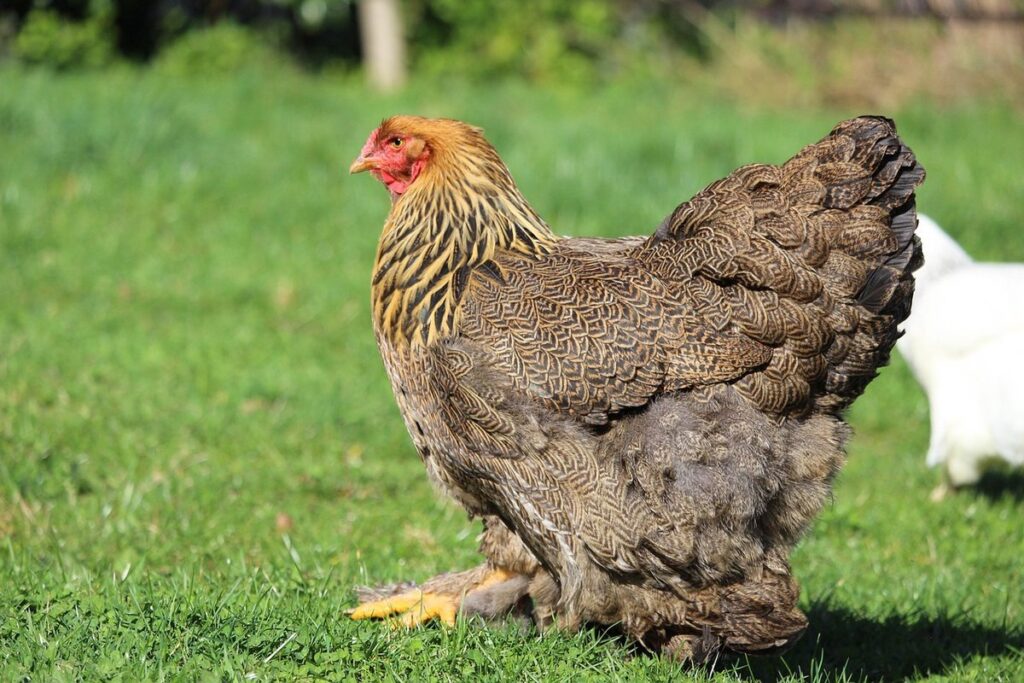
History and Origins of the White Brahma
The origins of the majestic white Brahma chicken are steeped in history, tracing back to ancient India where they were highly prized for their size and striking appearance. Let’s explore how this breed came to be.
Breeding and Development in India
In ancient India, the White Brahma chicken breed was highly esteemed for its exceptional characteristics and temperament. The Indians were particularly fascinated by their large size, impressive plumage, and docile nature. As a result, they became one of the most sought-after breeds in the country.
To meet the growing demand, Indian farmers began selectively breeding Brahmas to enhance these desirable traits. They focused on producing birds with a larger size, while maintaining their distinctive white feathers. This selective breeding led to the development of the modern White Brahma breed.
One notable example is the Mughal Empire’s fondness for Brahmas as pets and status symbols. The emperors would often keep them in their palaces, admiring their stunning appearance and gentle disposition. This imperial connection further solidified the breed’s reputation and importance in Indian culture.
As you try to replicate this breeding process, remember that patience is key. It can take several generations of selective breeding to achieve the desired characteristics. Be prepared to invest time and effort into developing a robust and healthy flock.
Introduction to the Brahmaputra Valley
The Brahmaputra Valley, a lush and vibrant region in eastern India, has been the cradle of civilization for centuries. Its rich cultural heritage and unique geographical characteristics have significantly influenced the development of various animal breeds, including the majestic White Brahma chicken.
Located in the state of Assam, the Brahmaputra Valley is a vast alluvial plain where the mighty Brahmaputra River flows through. The region’s fertile soil and subtropical climate create an ideal environment for agriculture and animal husbandry. For generations, local farmers have selectively bred chickens to thrive in these conditions, resulting in the creation of distinct breeds like the White Brahma.
The cultural traditions of the region also played a significant role in shaping the characteristics of the White Brahma. In Assamese culture, chickens are not only a source of food but also considered sacred animals. This reverence is reflected in the breed’s gentle nature and striking appearance. The valley’s rich history and cultural practices have thus contributed to the development of this iconic breed, making it an integral part of India’s poultry heritage.
Physical Characteristics and Health
When it comes to your White Brahma chicken, understanding its physical characteristics and health is crucial for providing the best care. This section will delve into the breed’s overall appearance and common health issues.
Size and Weight
The White Brahma’s impressive size and weight are among its most notable physical characteristics. On average, adult White Brahmas can weigh between 10 to 14 pounds (4.5 to 6.3 kilograms), with some individuals reaching up to 18 pounds (8.2 kilograms) or more in exceptional cases.
In terms of length, roosters typically reach 28-30 inches (71-76 centimeters) in height, while hens tend to be slightly smaller at around 26-28 inches (66-71 centimeters). This substantial size makes the White Brahma a popular choice for backyard chicken keepers who want a majestic and striking addition to their flock.
When selecting a White Brahma, it’s essential to consider the space you have available in your coop. With their large size comes increased appetite, so ensure you’re providing enough feed to meet their nutritional needs. A good rule of thumb is to provide at least 1/4 pound (113 grams) of feed per bird daily.
Remember, proper nutrition and care can help support healthy growth and development in your White Brahma flock. By understanding the needs of these magnificent birds, you’ll be better equipped to provide the best possible life for them.
Feather Patterns and Colors
When it comes to the physical characteristics of the White Brahma chicken, their stunning feather patterns and colors are undoubtedly one of the most distinctive features. The breed is known for its striking appearance, which can be attributed to the unique combination of genetic factors that influence their plumage.
The genetic origins of the White Brahma’s feather patterns and colors are rooted in the interaction between multiple genes that control feather color and pattern inheritance. This complex interplay results in a wide range of variations, including solid white, silver-white, and cream-colored feathers, often with intricate patterns such as lacing or penciling.
In terms of specific feather patterns, you’ll notice that many White Brahmas have feathers with a subtle sheen or iridescence, which can give the appearance of shimmering in the light. This is due to the way that microscopic structures within the feathers reflect and refract light. As a breeder or owner, understanding these genetic influences can help you appreciate the unique characteristics of your White Brahma flock and make informed decisions about breeding and selection.
The variations in feather patterns and colors among White Brahmas also serve as an important indicator of their overall health and well-being. For example, changes in feather color or pattern can be a sign of nutritional deficiencies or underlying health issues. As such, it’s essential to monitor your birds’ plumage closely and take prompt action if you notice any unusual changes.
Temperament and Personality Traits
When it comes to their temperament, White Brahmas are known for being gentle giants with a calm demeanor, making them an excellent choice for families with children. They’re also intelligent and curious birds.
Docile Nature and Friendly Temperament
If you’re looking for a chicken breed that’s perfect for families with children or as a low-maintenance pet, the White Brahma is an excellent choice. One of the standout features of this breed is its gentle nature and friendly temperament.
The White Brahma’s docile personality makes them an ideal companion for kids, who can safely interact with them without causing stress to either party. This breed is also known for being calm and composed, which means they’re less likely to become anxious or agitated in the presence of loud noises or sudden movements.
This friendly temperament extends to their interactions with other animals as well. White Brahmas are generally good with other chickens and can even be kept alongside smaller pets like rabbits or guinea pigs if introduced properly. If you’re planning to keep them as a pet, it’s essential to socialize them from an early age to ensure they become confident and friendly adults.
With their gentle nature and easy-going disposition, the White Brahma is sure to bring joy and companionship into your home.
Intelligence and Trainability
White Brahmas are renowned for their exceptional intelligence, which makes them one of the most trainable chicken breeds. This intellectual capacity enables them to learn and master various tasks with ease. They can be taught to perform tricks, obey commands, and even assist with simple jobs around the farm.
To tap into this potential, it’s essential to engage White Brahmas in regular interactive activities. Start by setting aside dedicated time for training sessions, which should ideally last between 10-15 minutes per day. During these sessions, focus on teaching specific commands or tasks, such as fetching items or navigating through obstacles. Use positive reinforcement techniques like treats and praise to encourage desired behavior.
As you train your White Brahmas, remember that consistency is key. Establish a routine and stick to it to avoid confusing the birds. Be patient and allow them to absorb new information at their own pace. With time and practice, White Brahmas will become reliable assistants on the farm or in the backyard, making them an excellent addition to any poultry-keeping family.
Eggs and Egg Production
When it comes to the White Brahma chicken, one of their most notable characteristics is their impressive egg-laying abilities. Let’s dive into how these chickens produce eggs in abundance.
Egg Size, Shape, and Color
When it comes to egg production, one of the most notable characteristics of White Brahma chickens is their ability to lay large, white eggs. On average, a healthy White Brahma hen will produce an egg every 24-26 hours, making them one of the most prolific layers among backyard chicken breeds.
In terms of size, White Brahma eggs are typically medium to large in dimension, with some individuals producing extra-large eggs. These eggs often measure around 2.5 inches long and 1.75 inches wide, although sizes can vary slightly from bird to bird.
The shape of a White Brahma egg is also worth noting – they tend to be elongated rather than round or oval-shaped, which can make them stand out among other breeds’ eggs. The color, of course, is the most distinctive feature: pure white with no visible brown speckles or other markings.
Some exceptional breeders report that their White Brahma hens have produced up to 300 eggs per year – a remarkable feat considering many backyard chicken owners are happy with an average yield of around 200-220 eggs annually.
Factors Affecting Egg Production
As you strive to maximize egg production from your White Brahmas, it’s essential to understand the various factors that influence their laying abilities. Nutrition plays a critical role, and providing a balanced diet rich in protein, calcium, and other essential nutrients is vital. Ensure that they have access to fresh water at all times and a nutritious layer feed specifically formulated for their age and production level.
Health issues can also significantly impact egg production. Regular vaccinations and parasite control measures are crucial to maintaining your flock’s overall health. Monitor their behavior and health closely, seeking veterinary care if you notice any signs of illness or stress. Breed-specific traits can also affect egg production; White Brahmas are known for being prolific layers, but some individuals may naturally lay fewer eggs due to genetic predisposition.
Keep in mind that individual hens within the same flock can have varying levels of productivity, so it’s essential to monitor each bird’s performance and make adjustments as needed. By providing optimal nutrition, maintaining good health practices, and understanding breed-specific traits, you can help maximize egg production from your White Brahmas.
Feeding and Nutrition
When it comes to caring for your White Brahma, providing a balanced diet is crucial for their health and well-being. In this section, we’ll cover feeding recommendations and nutritional needs specific to this breed.
Dietary Requirements and Recommendations
White Brahmas are large and energetic birds that require a balanced diet to support their growth, health, and egg production. They need a high-quality layer feed that is rich in protein, calcium, and phosphorus to ensure optimal nutrition. A good rule of thumb is to provide 16-18% protein content in the feed, with a calcium level of around 3-4%.
When it comes to feeding White Brahmas, it’s essential to consider their age and production stage. Young chicks require starter feed with higher protein levels (around 20%), while pullets need a transition feed that gradually increases the protein content. Layer hens, on the other hand, can thrive on a high-quality layer feed.
Aim to provide around 1/4 pound of feed per bird per day for egg production and maintenance. Fresh water should always be available, and consider supplementing with oyster shells or crushed eggshells to support calcium intake. Avoid overfeeding, as this can lead to obesity and other health issues.
Supplemental Nutrients and Treats
As we discuss the nutritional needs of the majestic White Brahma chicken, it’s essential to consider supplemental nutrients and treats that can support their health and well-being. A balanced diet is crucial, but sometimes, extra care may be necessary to ensure these birds thrive.
White Brahmas are known to be voracious eaters, and they require a significant amount of food to maintain their size and energy levels. However, even with a nutritious diet, they might benefit from additional nutrients or treats to prevent deficiencies or support specific health needs. For example, oyster shells can provide essential calcium for strong eggshell production and bone development.
Some chicken keepers swear by adding probiotics to the flock’s feed to promote gut health and immunity. Others use crushed eggshells as a natural source of calcium or add mealworms as a tasty treat rich in protein. When introducing supplements or treats, it’s crucial to follow these guidelines: start with small amounts, monitor your birds’ reaction, and adjust accordingly.
Remember that every flock is different, so it’s vital to observe your White Brahmas’ individual needs and preferences when incorporating supplemental nutrients or treats into their diet. Always consult with a veterinarian if you’re unsure about what supplements or treats are suitable for your birds.
Raising and Caring for White Brahmas
If you’re considering bringing a new flock of White Brahmas into your backyard, learn how to raise them from scratch and provide the best care for these gentle giants. We’ll walk you through everything you need to know.
Housing and Enclosure Requirements
When it comes to housing and enclosures for your White Brahmas, providing them with adequate space to roam is crucial. As a large breed, they require more room to move around than smaller chickens. A good rule of thumb is to provide at least 4-5 square feet of space per bird inside the coop, and an additional 8-10 square feet of outdoor space in the run.
Consider building or purchasing a coop with adequate ventilation and natural light. White Brahmas are prone to heat stress, so it’s essential to ensure your coop has proper airflow to keep them cool. You can add windows, vents, or even a small awning to help regulate temperatures.
In terms of enclosure size, think about the breed’s adult weight and energy level. White Brahmas are known for their gentle nature but can be quite active, so they need space to stretch their wings and legs. Aim for an enclosure that’s at least 2-3 times larger than the coop itself, allowing your birds to roam freely without feeling confined.
When designing or selecting a coop and run, remember that White Brahmas are social birds and benefit from companionship. Consider adding nesting boxes, roosting bars, and perches to create a comfortable environment for multiple birds.
Health and Disease Prevention
Regular health checks and disease prevention measures are crucial for maintaining the health of White Brahmas. As a responsible breeder or owner, it’s essential to be aware of common health issues that can affect this breed.
White Brahmas are prone to respiratory problems due to their massive size and tendency to puff out their chests when excited or threatened. To prevent respiratory issues, ensure your birds have adequate ventilation in their coop and run. Keep an eye on the temperature in the coop, as extreme heat or cold can exacerbate breathing difficulties.
Another common issue is obesity, which can lead to a range of problems including heart disease and diabetes. Monitor your birds’ food intake and ensure they have plenty of space to forage and exercise. Regularly inspect their droppings to check for signs of digestive issues.
To maintain the health of your White Brahmas, schedule regular veterinary check-ups to catch any potential issues early on. A healthy diet, a clean living environment, and proper care can go a long way in preventing common health problems.
Conclusion
In conclusion, the White Brahma chicken is a delightful breed that can make an excellent addition to your backyard flock. Whether you’re a seasoned farmer or a beginner looking for a low-maintenance bird, this gentle giant has plenty to offer. With its striking white plumage and friendly demeanor, it’s easy to see why many enthusiasts fall in love with the White Brahma.
If you’ve decided to bring home one of these beautiful birds, make sure to provide them with a spacious coop and a nutritious diet that includes high-quality grains and proteins. Regular exercise and socialization are also essential for maintaining their health and happiness. By following our comprehensive guide and doing your research, you’ll be well on your way to becoming an expert White Brahma owner in no time!
Frequently Asked Questions
Can I keep White Brahmas in colder climates?
Yes, the White Brahma is a hardy breed that can tolerate cold temperatures, but they still require proper shelter and protection from extreme weather conditions. Ensure their coop is well-insulated, and provide them with enough bedding to stay warm. With proper care, White Brahmas can thrive in climates as low as 0°F (-18°C).
How often should I collect eggs from my White Brahma flock?
You’ll want to collect eggs daily to encourage your hens to continue laying. If you don’t need the eggs for consumption, consider selling them or giving them away to friends and family. Collecting regularly will also help prevent any potential health issues related to egg retention.
Can I mix White Brahmas with other breeds in my backyard flock?
Yes, White Brahmas are generally friendly and adaptable birds that can get along well with other breeds. However, introducing new birds to your existing flock should be done gradually to ensure a smooth transition. Monitor their behavior closely during the introduction process to prevent any conflicts.
How do I maintain the health of my White Brahma flock?
Regular veterinary check-ups, proper nutrition, and regular cleaning of their coop are essential for maintaining the health of your White Brahmas. Make sure they have access to fresh water and a balanced diet at all times. Also, be on the lookout for any signs of illness or injury, such as changes in appetite or droppings.
Can I raise White Brahmas as pets for my children?
Yes, White Brahmas make excellent family pets due to their gentle nature and friendly temperament. Children can help with daily chores like feeding, cleaning, and collecting eggs under adult supervision. However, ensure your children understand how to handle the birds gently and safely to prevent any potential harm or injury.