
Are you fascinated by the unique charm of backyard birds? Look no further than the Barred Cochin, a beloved breed that has captured the hearts of many poultry enthusiasts. With their striking physical characteristics and charming personality traits, it’s easy to see why this bird species is so well-loved.
But beyond its good looks, the Barred Cochin also boasts an impressive history and requires specific care to thrive. As you learn more about this breed, you’ll discover that they’re not just a pretty face – but also require attention to their health considerations and are even show-worthy. Whether you’re a seasoned expert or just starting out on your poultry journey, this article will guide you through the ins and outs of caring for Barred Cochins, from feeding and habitat requirements to tips for showing these stunning birds off at competitions.
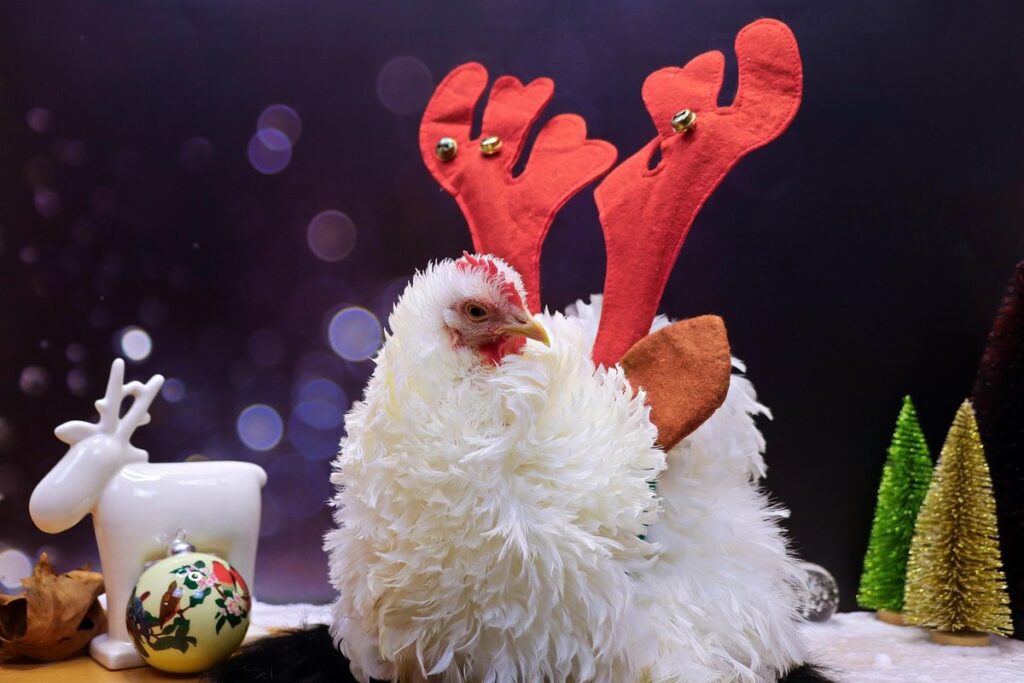
History and Origin of the Barred Cochin
Let’s dive into where these incredible birds originated, tracing their roots back to the early days of chicken domestication in Southeast Asia. You’ll discover how they evolved into the unique breed we know today.
Early Development and Introduction
The Barred Cochin’s roots can be traced back to Southeast Asia, where this breed originated as a cross between the Cochin and other local chicken breeds. It is believed that the Cochin was introduced to Asia by European traders and missionaries, who brought their own breeds with them. Over time, these early imports interbred with native Asian chickens, resulting in the development of distinct characteristics that would become synonymous with the Barred Cochin.
As trade routes expanded and European exploration increased, the Barred Cochin made its way to the Western world. The breed was first introduced to England in the 19th century, where it gained popularity for its unique appearance and friendly temperament. Today, the Barred Cochin can be found on small farms and homesteads around the globe, prized for its gentle nature and impressive egg-laying abilities.
Interestingly, the Barred Cochin’s adaptability has allowed it to thrive in a variety of environments, from tropical climates to cooler, more temperate regions. This makes it an excellent choice for backyard chicken keepers who want a low-maintenance breed that can tolerate different living conditions.
Key Characteristics that Define the Barred Cochin
One of the most striking characteristics of the Barred Cochin is its unique plumage pattern. The breed’s feathers display a striking black and white barred effect on their body, with a distinctive ‘bar’ pattern running along each feather shaft. This distinctive appearance is one of the key identifying features that set the Barred Cochin apart from other breeds.
In addition to its striking looks, the Barred Cochin is also known for its gentle temperament. These friendly birds are known to be approachable and docile, making them a great choice for families or for those who want a low-maintenance pet. Their calm nature makes them an excellent addition to any backyard flock, as they get along well with other breeds.
If you’re considering bringing home a Barred Cochin, it’s essential to note that they require regular exercise and attention to stay happy and healthy. Provide your bird with plenty of space to roam and engage in activities like dust bathing or foraging to keep them stimulated. With proper care and attention, the Barred Cochin will reward you with its unique charm and loving personality.
Physical Characteristics and Types
Let’s take a closer look at what makes a Barred Cochin unique, including their striking physical characteristics and the different types that exist within the breed.
Size and Weight Variations
One of the most distinctive features of the Barred Cochin breed is its size and weight variations. While you may be familiar with the standard-sized birds, did you know that there are also Bantam Cochins available? These miniature versions weigh in at around 12-14 ounces (340-390 grams), making them perfect for backyard flocks or as pets.
The Standard Barred Cochin, on the other hand, weighs between 6-10 pounds (2.7-4.5 kilograms) and can reach heights of up to 18 inches (46 cm). This larger size is ideal for egg production, as these birds are prolific layers and can produce around 200 large brown eggs per year.
If you’re interested in raising Barred Cochins, it’s essential to consider the space and resources needed to accommodate their different sizes. Make sure you have enough room in your coop and run to house multiple birds, regardless of their size. Additionally, be prepared for regular feeding and exercise routines to keep your flock healthy and happy.
Whether you’re a seasoned breeder or just starting out, understanding the size and weight variations within the Barred Cochin breed can help you make informed decisions when selecting birds for your farm or backyard flock.
Plumage Patterns and Colors
When it comes to the physical characteristics of the Barred Cochin, one of their most striking features is their plumage patterns and colors. The breed’s distinctive barring on their wings and tail is a result of their genetic makeup, which creates a unique pattern of alternating bands of color. On close inspection, you’ll notice that the barring is more pronounced on the wings, with a subtle transition to a slightly less intense pattern towards the tail.
The overall effect is a beautiful, mottled appearance that adds depth and visual interest to the bird’s plumage. The colors themselves are also quite striking, with a range of hues from rich black to deep brown, often punctuated by subtle splashes of golden or reddish-brown.
If you’re looking to breed Barred Cochins, keep in mind that the quality and intensity of the barring can vary greatly between individuals. To select for the best-quality birds, look for those with well-defined, evenly spaced bands of color on the wings and tail. Avoid birds with muddled or faded patterns, as these may not be representative of the breed’s true potential.
Temperament and Personality Traits
Understanding a Barred Cochin’s temperament and personality traits is crucial for any potential owner, as it will greatly impact their interaction and care. Let’s dive into what makes this breed tick!
Friendly and Affectionate Nature
One of the most endearing characteristics of the Barred Cochin is their friendly and affectionate nature. They have a strong desire to please their owners, which makes them highly trainable. This trait also translates to their ability to form strong bonds with family members, making them excellent pets for those who want a loyal companion.
In fact, many breeders describe the Barred Cochin as ” Velcro chickens” due to their tendency to stick close by and seek attention from their owners. They are known to follow people around the house, snuggle up next to them on the couch, and even initiate cuddle sessions. This level of affectionateness is a rare find in many chicken breeds, making the Barred Cochin a standout choice for those who want a loving pet.
To encourage this friendly nature in your own Barred Cochin, make sure to spend quality time with them daily, such as offering treats and scratches behind the ears. With patience and consistency, you’ll be rewarded with a loyal companion that will bring joy and companionship into your life.
Interaction with Humans and Other Animals
Barred Cochins are known for their affectionate and gentle nature, making them an excellent choice as pets. They thrive on human interaction and attention, requiring regular socialization to remain happy and healthy. To ensure a harmonious relationship with your Barred Cochin, spend quality time with it daily, engaging in activities like feeding, grooming, and playtime.
One of the most significant aspects of their personality is their ability to form close bonds with family members. They are often described as “velcro chickens” due to their tendency to follow their owners around the house. Barred Cochins are also known to be great talkers, with some owners reporting that they mimic human speech and sounds.
In terms of social requirements, Barred Cochins do well in small flocks or as solo pets. However, introducing them to other animals requires patience and careful observation. It’s essential to start slow, allowing the chickens to become familiar with each other’s presence before attempting to integrate them into a single group.
Some owners have successfully integrated their Barred Cochins with dogs, cats, and even smaller birds, but it’s crucial to monitor the behavior of all animals involved to prevent any conflicts. By understanding your Barred Cochin’s social needs and personality traits, you can create a harmonious and loving home for these unique birds.
Health Considerations and Care Requirements
When it comes to owning a Barred Cochin, it’s essential to understand their unique health considerations and care requirements to ensure they live a happy and healthy life. Regular veterinary check-ups are crucial for this breed.
Common Health Issues and Their Causes
Barred Cochins are prone to several common health issues that can affect their quality of life and lifespan. One of the most significant concerns is obesity, which can lead to a range of secondary problems such as diabetes, joint pain, and breathing difficulties. This breed’s tendency to overeat can be attributed to their gentle nature and easy-going temperament, making them susceptible to being over-fed by well-meaning owners.
Respiratory problems are another common issue in Barred Cochins, particularly in hot or humid environments. Their large body size and heavy feathering can make it difficult for them to regulate their body temperature, leading to heat stress and related health issues. Regular exercise and a balanced diet can help mitigate these risks, but owners should also ensure that they provide adequate ventilation and cooling measures for their birds.
In addition to obesity and respiratory problems, Barred Cochins may also be prone to other health concerns such as egg-laying disorders and reproductive issues in females. It’s essential for owners to work closely with a veterinarian to monitor their bird’s health and address any potential problems early on.
Nutrition and Exercise Needs
When it comes to ensuring your Barred Cochin’s optimal health, understanding their unique nutritional and exercise needs is crucial. As a responsible owner, you want to provide the best possible care for your feathered friend.
Dietarily, Barred Cochins are prone to obesity due to their laid-back nature and love for food. To avoid this, it’s essential to monitor their food intake and stick to a balanced diet rich in whole grains, fruits, and vegetables. A high-quality commercial feed should be the foundation of their diet, supplemented with treats like fresh greens, berries, or sliced carrots. Avoid overfeeding, as even small amounts can lead to weight gain.
In terms of exercise, Barred Cochins require regular movement to maintain their health and prevent obesity-related issues. Aim for at least 30 minutes of daily activity, including short walks around the coop and playtime outside. You can also incorporate interactive toys and puzzles filled with treats to keep them engaged and stimulated.
Regular veterinary check-ups will help identify any potential health issues early on, ensuring your Barred Cochin lives a long and happy life as a cherished companion.
Breeding and Showing the Barred Cochin
If you’re interested in raising or showing Barred Cochins, learning about their breeding requirements is crucial to producing healthy, well-conformed birds. This section will cover essential tips and best practices for breeding and showcasing this unique breed.
Selecting a Suitable Mate
When it comes to breeding and showing Barred Cochins, selecting a suitable mate is crucial for maintaining genetic diversity and ensuring the overall health of your flock. As you begin searching for a mate, consider the importance of genetic diversity. This means looking for birds that have different bloodlines, are unrelated to each other, or at least don’t share similar ancestors.
For instance, if both parents come from the same breeder or share common lineage, their offspring may be more susceptible to inherited health issues. To avoid this, it’s essential to research and choose a mate with a diverse genetic background.
In addition to genetic diversity, compatibility is also vital. Make sure your chosen mate has a temperament that complements yours. A compatible pair will not only ensure healthy offspring but also make the breeding process more enjoyable. It’s also crucial to consider their overall health, physical condition, and fertility before making a decision.
Show Preparation and Tips for Exhibitors
When it comes time to show off your Barred Cochin’s unique features, preparation is key. As an exhibitor, you want to make a great impression and showcase your bird’s best qualities. To start, ensure your bird is healthy and well-groomed. This includes regular nail trimming, beak maintenance, and preening to prevent matting.
When it comes to grooming for show, focus on the Barred Cochin’s specific needs. They have a distinctive black-and-white feather pattern that requires attention to detail. Use a fine-tooth comb or slicker brush to gently remove any tangles or mats from their feathers, being careful not to pull too hard and cause discomfort.
In terms of essential equipment, you’ll need a sturdy show cage or carrier that provides ample ventilation for your bird. A comfortable, well-padded perch is also a must to prevent strain on your bird’s legs during the show. Don’t forget to pack a small first-aid kit and any necessary medication in case of emergencies.
Make sure to research specific show rules and regulations beforehand to avoid any last-minute stress or disqualification. With proper preparation and attention to detail, you’ll be well on your way to showcasing your Barred Cochin’s unique charm and winning over judges’ hearts.
Conclusion: The Barred Cochin’s Place in the Aviary World
Now that we’ve explored the Barred Cochin’s history, characteristics, and care, let’s wrap up by discussing its place among other breeds in your aviary.
Recap of Key Points Covered
As you’ve reached the end of this comprehensive guide to the Barred Cochin, let’s recap the key points covered. We began by exploring the breed’s origins and history, delving into its evolution from the Cochin chicken that was brought back to Europe from Asia in the 16th century.
We then discussed the physical characteristics that make the Barred Cochin stand out, such as its distinctive barred feathers and friendly demeanor. The importance of proper nutrition and exercise for maintaining the breed’s health and vitality was also highlighted, with examples of suitable diets and activities to keep your Barred Cochin happy and thriving.
Additionally, we touched on the topic of breeding and raising Barred Cochins, including tips on selecting compatible mates, managing broodiness, and introducing young chicks to the flock. The unique needs of this breed were also addressed, such as their requirement for regular dust baths and plenty of space to roam.
By now, you should have a solid understanding of what it takes to care for these wonderful birds. Remember to prioritize their specific needs, provide plenty of love and attention, and enjoy the rewards of owning a Barred Cochin in your aviary.
Future Prospects and Trends for the Breed
As we conclude our comprehensive guide to the Barred Cochin breed, it’s exciting to consider its future prospects and trends that may shape its popularity. The world of poultry is constantly evolving, driven by changing consumer preferences, advancements in genetics, and shifting agricultural practices. One emerging trend that may impact the breed’s popularity is the growing interest in heritage breeds and their role in sustainable agriculture.
Breeds like the Barred Cochin, with their unique characteristics and rich history, are likely to gain traction among backyard farmers and enthusiasts seeking to preserve traditional poultry practices. This shift towards heritage breeds also presents opportunities for innovative breeding programs that combine traditional lines with modern genetics, creating healthier, more resilient birds better suited to today’s agricultural landscape.
To capitalize on this trend, breeders may need to adapt their strategies to emphasize the Barred Cochin’s unique strengths and appeal to a new generation of poultry keepers. This could involve highlighting the breed’s excellent foraging ability, cold hardiness, and high-quality egg production, as well as promoting its suitability for small-scale farming operations.
By embracing these emerging trends and staying attuned to changing consumer demands, the Barred Cochin is poised to remain a beloved and sought-after breed in the years to come.
Frequently Asked Questions
How do I introduce my Barred Cochin to other birds and pets in the household?
Introducing your Barred Cochin to other animals in the household requires patience and careful planning. Start by keeping them separated for a few days, allowing them to become familiar with each other’s scents and sounds. Once you feel they’re ready, supervise their first interaction, providing treats and rewards for calm behavior.
Can I raise my Barred Cochin from chick to adult without any experience in poultry care?
While it’s possible to raise a Barred Cochin without prior experience, doing so can be challenging. Be prepared to invest time and effort into learning about proper nutrition, habitat requirements, and health considerations. Start by researching reputable breeders or adopting an adult bird from a trusted source.
How often should I trim my Barred Cochin’s nails, and what tools do I need for the task?
Trimming your Barred Cochin’s nails is essential to prevent overgrowth, which can cause discomfort and lead to health issues. Trim their nails every 4-6 weeks using a high-quality nail clipper specifically designed for chickens. Start by getting your bird accustomed to having its feet handled.
What are some common mistakes beginners make when caring for Barred Cochins, and how can I avoid them?
Beginners often overlook the importance of providing adequate space and proper ventilation in their coop. Ensure you’re meeting these needs by allocating sufficient room for movement and installing a well-functioning ventilation system to prevent ammonia buildup.
Can I breed my Barred Cochin with other chicken breeds, or are they best suited for breeding within their own kind?
The Barred Cochin is an excellent choice for cross-breeding due to its impressive size and robust health. However, it’s essential to research the specific characteristics of the breed you’re considering crossing them with to ensure compatibility and desirable traits in the offspring.