
Are you looking to bring home some adorable companions? White bantam chickens are definitely worth considering. These tiny birds have a long history, with records showing their presence in England as far back as the 19th century. Their small stature, varying from just over 6 inches tall, makes them an excellent choice for backyard flocks or even indoor living spaces.
As you’re probably aware, raising chickens comes with its own set of responsibilities. This comprehensive guide aims to provide a thorough overview of the white bantam chicken, covering everything from their characteristics and health considerations to showing and long-term care requirements. Whether you’re an experienced poultry owner or just starting out, this article will walk you through what it takes to bring home these charming birds and give them the care they deserve.
Introduction to the White Bantam
Welcome to our comprehensive guide, where we’ll start by diving into the fascinating world of white bantams and their unique characteristics. Let’s explore what makes them so endearing to many backyard chicken enthusiasts!
History and Origins of the Breed
The white bantam chicken has a rich and fascinating history that spans centuries. Originating from Europe, specifically from the Mediterranean region, this small but mighty breed was highly prized by poultry enthusiasts for its unique characteristics and charming personality. The name “bantam” is derived from the Indonesian island of Bali (formerly known as Bantam), where exotic birds were traded extensively in the 17th century.
In the early days, white bantams were bred specifically for their diminutive size, gentle nature, and striking white plumage. They quickly gained popularity among royalty and nobility, who valued them for their beauty and entertaining qualities. As European poultry breeding developed, the white bantam was selectively bred to emphasize its desirable traits, resulting in a breed that is both visually stunning and endearing.
Today, the white bantam remains a beloved breed among backyard chicken keepers and competitive poultry enthusiasts alike, cherished for its friendly demeanor, vibrant appearance, and impressive egg-laying abilities.
Characteristics and Traits of the Breed
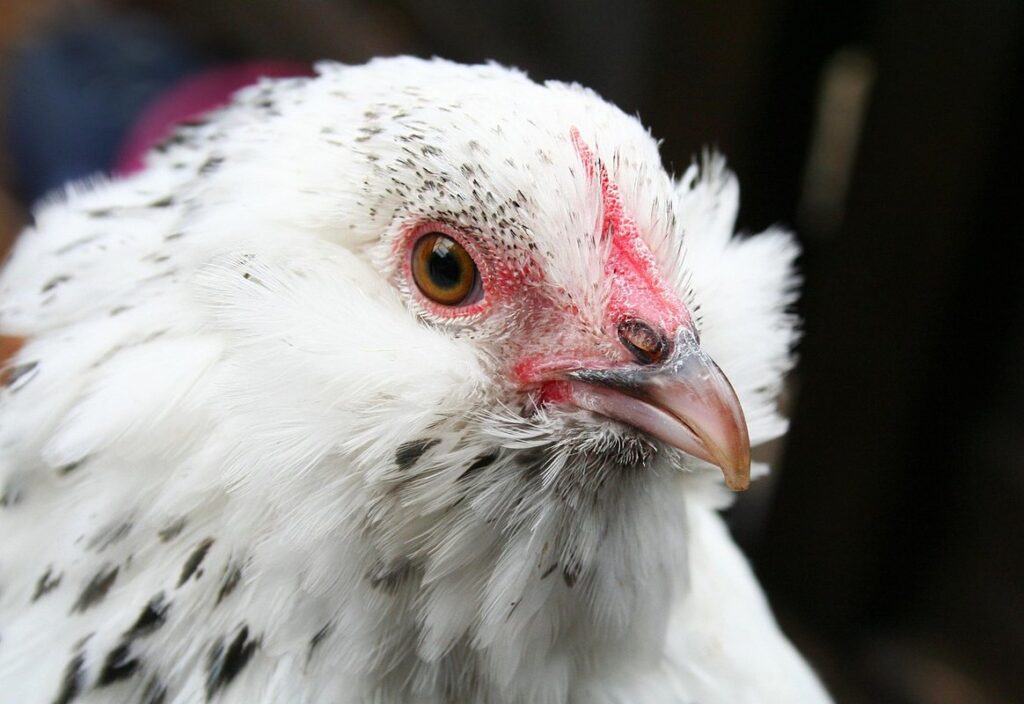
The white bantam chicken is a delightful breed that boasts a unique combination of physical characteristics and traits. One of its most striking features is its small size, with roosters typically weighing around 2-3 pounds (0.9-1.4 kg) and hens weighing slightly less. Their feather color is, of course, pure white, giving them a clean and elegant appearance.
Their beak shape is also worth noting – it’s short and strong, perfect for pecking at grain and seeds. Another distinctive feature is their erect, pea comb, which helps to regulate body temperature in hot weather. The white bantam chicken’s gentle disposition makes them an excellent choice for backyard flocks, as they are relatively quiet and won’t disturb the neighbors.
In terms of unique traits, the white bantam chicken is known for its impressive egg-laying abilities – hens can produce up to 280 large, brown eggs per year. Their friendly nature also makes them a great breed for families with children or for people new to raising chickens. With proper care and attention, the white bantam chicken can thrive in a variety of environments, making them an excellent choice for anyone looking to add some feathered friends to their backyard.
Types of White Bantams
There are several breeds of white bantam chickens, each with its own unique characteristics and charm, and learning about them is a great place to start your journey. Let’s take a look at some of the most popular varieties.
English White Bantam
One of the most beloved and sought-after breeds among white bantam enthusiasts is the English White Bantam. This charming bird has a rich history dating back to the early 19th century when it was first developed in England by crossing various game breeds with the common bantam.
In terms of temperament, the English White Bantam is known for its friendly and outgoing personality. They are highly social birds that thrive on human interaction and attention, making them an excellent choice for families or individuals who want a pet chicken that will be their constant companion. However, they can also be quite territorial and may not get along with other birds if not introduced properly.
In the world of poultry shows, the English White Bantam is a crowd-pleaser due to its striking appearance and impressive plumage. To showcase this breed’s full potential, it’s essential to pay attention to detail when grooming your bird. Make sure to keep their feathers clean and well-groomed, paying particular attention to the hackle (feathers around the neck) which should be sleek and smooth. With proper care and handling, the English White Bantam is a true showstopper that’s sure to win over even the most discerning judges.
Japanese Silkie White Bantam
The Japanese Silkie White Bantam is a beloved breed known for its endearing appearance and gentle disposition. One of its most distinctive features is its fluffy feathers, which are soft to the touch and come in a variety of textures. The Japanese Silkie’s plumage is often described as being “velvety” or “downy,” giving it a sweet, childlike charm.
In terms of temperament, the Japanese Silkie White Bantam is renowned for its docile nature. They are friendly, approachable birds that make excellent pets, particularly for families with children. If you’re looking to introduce your kids to backyard chicken-keeping, the Japanese Silkie is an ideal choice. With proper care and handling, they can become quite tame and enjoy human interaction.
Their small size also makes them a great fit for smaller backyards or urban environments. Japanese Silkies typically weigh between 1.5 and 2 pounds, making them easy to manage and maintain.
Care and Management of White Bantams
To ensure your white bantam chicken thrives, it’s essential to provide them with proper care and management, including nutrition, health checks, and a safe living environment. Let’s explore these crucial aspects in more detail.
Housing and Living Conditions
When it comes to housing and living conditions for your white bantams, providing them with a suitable environment is crucial for their health and happiness. White bantams require a minimum of 2-3 square feet of space per bird inside the coop, and at least 4-6 hours of direct sunlight per day outside in the run.
To ensure good ventilation, make sure your coop has adequate airflow by installing windows or vents that allow fresh air to circulate. This is especially important for white bantams as they can be prone to respiratory issues. A well-maintained coop with good lighting will also help regulate their natural light cycle and reduce stress levels.
When creating a suitable environment, consider the following tips: keep your coop clean by removing soiled bedding at least once a week, provide enough roosting bars for your birds to comfortably perch on at night, and ensure there are no gaps or holes in the walls or floor that could allow predators to enter. By paying attention to these details, you’ll be well on your way to creating a happy and healthy home for your white bantams.
Nutrition and Diet
When it comes to caring for your white bantams, providing them with a nutritious diet is crucial for their overall health and well-being. These tiny birds require a balanced diet that includes a mix of protein, carbohydrates, fats, vitamins, and minerals.
A good quality commercial chicken feed should be the main staple in their diet, but it’s essential to supplement it with fresh fruits and vegetables. Dark leafy greens like kale, spinach, and collard greens are excellent choices as they’re rich in calcium and iron. You can also offer fruits like berries, apples, and bananas in moderation.
Access to fresh water is equally important, and you should ensure that your white bantams always have access to clean drinking water. A general rule of thumb is to provide at least one cup of water per bird per day.
In terms of nutritional requirements, white bantams are relatively low-maintenance when it comes to diet. However, they do require a bit more calcium than other chicken breeds due to their small size and rapid growth rate.
Health Considerations for White Bantams
When it comes to keeping your white bantams healthy, there are a few specific considerations you’ll want to be aware of as an owner. These small birds have unique needs that can impact their overall well-being.
Common Health Issues
White bantams are prone to several common health issues that can affect their overall well-being. One of the most significant concerns is respiratory problems, which can be caused by factors such as genetics, environment, and nutrition. For instance, white bantam chickens may inherit a tendency towards bronchitis or pneumonia from their parents. To mitigate this risk, ensure your flock has adequate ventilation in their coop and provide plenty of space for exercise.
Parasites are another common issue that can affect white bantams. Internal parasites like worms and coccidiosis can lead to weight loss, lethargy, and decreased egg production. Regular deworming treatments and a clean living environment can help prevent these issues. Additionally, a balanced diet rich in fiber and nutrients is essential for maintaining a healthy gut.
Vitamin deficiencies are also prevalent among white bantams. These birds require specific nutritional supplements, such as vitamin D3 and calcium, to maintain strong bones and immune systems. A well-planned feed that meets their dietary needs can help prevent deficiencies. Regular check-ups with a veterinarian can also help identify potential issues early on.
Tips for Preventing Health Issues
As a responsible white bantam owner, it’s essential to take proactive steps in preventing health issues that can affect your feathered friends. Regular check-ups with a veterinarian are crucial in maintaining your bird’s overall health and well-being.
Schedule annual check-ups to monitor your bantam’s growth, detect any potential health problems early on, and receive personalized advice from a veterinarian familiar with the breed. During these visits, have your vet inspect your bird’s eyes, ears, beak, and feathers for any signs of trouble.
Maintaining clean living conditions is also vital in preventing health issues. Ensure your coop and run are well-ventilated, dry, and free from drafts. Regularly clean out the droppings, replace bedding, and disinfect feeding and watering equipment to prevent the spread of diseases. Provide adequate space for your bantams to roam and exercise, as obesity can lead to various health problems.
By prioritizing regular check-ups and maintaining a clean environment, you’ll be well on your way to raising healthy, happy white bantams.
Showing and Breeding White Bantams
When it comes to showing and breeding your white bantam, understanding their unique characteristics and requirements is crucial for success. This includes recognizing breed standards and health considerations specific to this small but mighty bird.
Preparing Your Bird for Shows
Preparing your white bantam for poultry shows requires patience, dedication, and attention to detail. The first step is training, which involves getting your bird accustomed to being handled and manipulated by strangers. Start by gently handling your bird daily, gradually increasing the time spent on it. Desensitize your bird to having its wings, tail, and legs handled.
Next, focus on grooming. White Bantams have a unique feather structure that requires regular cleaning and maintenance to prevent matting and tangling. Use a fine-tooth comb or pin brush to gently detangle feathers, paying extra attention to areas around the eyes, neck, and vent. Trim any stray or overgrown feathers, and clean beaks and nails regularly.
To make your bird more show-worthy, practice posing and handling techniques with it. Hold your bird correctly, supporting its weight and keeping its wings tucked in. Encourage your bird to stand on a pedestal or platform, rewarding it with treats for calm behavior. By following these steps, you’ll have a well-prepared white bantam ready for the show ring.
Breeding Principles and Best Practices
When it comes to breeding white bantams, adhering to certain principles and best practices is essential for producing healthy, well-tempered birds. Selecting parents with desirable traits, such as feather quality, size, and temperament, is a crucial step in the breeding process.
To ensure the health of your flock, it’s vital to maintain a clean breeding environment. This includes regular cleaning and disinfecting of coops, runs, and equipment, as well as providing adequate ventilation and sanitation. A balanced diet rich in nutrients should also be provided to promote optimal health.
Some key considerations when selecting parents for breeding include:
* Genetic diversity: Choosing birds with unique characteristics can help maintain the breed’s overall quality
* Pedigree: Researching a bird’s lineage can indicate potential health issues or genetic defects
* Temperament: Selecting calm, even-tempered birds is essential for producing friendly, docile offspring
Regular veterinary check-ups and monitoring your flock’s health can also help identify potential issues early on. By following these breeding principles and best practices, you’ll be well on your way to raising healthy, beautiful white bantams that are a joy to own and show.
Conclusion: Enjoying Your White Bantam Companion
Now that you’ve learned how to care for and raise your white bantam, it’s time to focus on enjoying the companionship of these charming birds.
The Joy of Owning a White Bantam
Owning a white bantam as a companion animal is an incredibly rewarding experience. Their friendly and outgoing nature makes them perfect for those looking to add some social interaction to their lives. Whether you’re a seasoned chicken owner or just starting out, the white bantam’s charm is sure to win your heart.
One of the most delightful aspects of owning a white bantam is their entertaining behavior. They are known for their curious and playful nature, often engaging in antics that will leave you laughing. Imagine watching your white bantam chase after toys or explore its surroundings with excitement and wonder. Their joyful clucking and chirping add to the entertainment, creating a symphony of sounds that are sure to bring a smile to your face.
In terms of companionship, white bantams are highly social animals that thrive on interaction. They love human attention and will often follow you around the house or yard, eager to be petted or cuddled. With their affectionate nature and gentle disposition, it’s no wonder why many people consider them ideal pets for families or individuals looking for a low-maintenance but loving companion.
Tips for Long-Term Care and Responsibility
As you continue to enjoy the companionship of your white bantam chicken, it’s essential to consider their long-term care and responsibility. A well-cared-for white bantam can live up to 10-12 years or more with proper attention to their physical and mental needs.
Regular exercise is crucial for maintaining your white bantam’s overall health and preventing obesity-related issues. Provide a spacious and safe enclosure where they can roam freely, incorporating perches, ladders, and climbing structures to promote physical activity. Allocate at least 2-3 hours of supervised outdoor time daily, weather permitting, allowing them to engage in foraging and exploring.
Mental stimulation is equally vital to prevent boredom and stress-related behaviors. Engage your white bantam’s problem-solving skills with puzzle toys filled with treats or hide-and-seek games. Rotate toys regularly to maintain novelty and excitement. Allocate dedicated time for interaction, such as gentle petting, talking, and reading near their enclosure.
Remember, every small step counts in providing a happy and fulfilling life for your white bantam companion. By incorporating these simple yet essential tips into your daily routine, you’ll be rewarded with a long-lasting and loving relationship.
Frequently Asked Questions
Can I keep a single white bantam chicken as a pet, or do they require a flock to thrive?
Yes, you can definitely keep a single white bantam chicken as a pet! While having a flock can be beneficial for socialization and companionship, many owners have successfully raised and cared for solo white bantams. However, ensure your home is equipped with adequate space, proper ventilation, and suitable living conditions to meet the bird’s needs.
How often should I clean my white bantam chicken’s living area, especially when it comes to nesting boxes?
Aim to clean your white bantam chicken’s living area at least once a week. Pay special attention to the nesting box area by changing bedding materials and removing waste regularly. This will help maintain good hygiene, prevent health issues, and keep your bird happy.
What are some common signs of stress in my white bantam chickens, and how can I mitigate them?
Stressed white bantams may exhibit behaviors such as excessive feather plucking, aggression towards humans or other birds, or changes in appetite and vocalization. To minimize stress, ensure a stable environment with proper lighting, adequate food, and sufficient space for movement.
Can I introduce my new white bantam chicken to an existing flock of larger chickens?
When introducing your new white bantam chicken to a flock of larger chickens, do it gradually and under close supervision. Start by keeping them in separate areas but allowing visual contact. Then, once the birds seem comfortable with each other’s presence, allow supervised interactions to ensure a smooth integration.
How can I protect my white bantam chickens from predators, such as hawks or foxes?
To safeguard your white bantam chickens from predators, consider investing in sturdy coop and run construction that meets local building codes. Add secure fencing around the perimeter of your property, using materials like chicken wire or hardware cloth to prevent predators from accessing the area.