
Are you fascinated by the rich brown eggs laid by Cochin chickens? If so, you’re not alone! These gentle giants have been a staple in many backyard flocks and small-scale farms for their exceptional egg-laying abilities. Not only do Cochin chicken eggs offer numerous benefits to your health and wellbeing, but they also make for a fantastic addition to any meal or recipe. But what makes these eggs truly special? From their unique characteristics to expert tips on raising and marketing these exceptional birds, we’ve got you covered. In this ultimate guide, we’ll delve into the world of Cochin chicken eggs, covering everything from their nutritional benefits and egg-laying abilities to expert advice on integrating them into your poultry operation or backyard flock.
Benefits and Characteristics of Cochin Chickens
Cochin chickens are a popular breed known for their large size, gentle nature, and numerous benefits when used as egg-layers. Let’s explore what makes them stand out from other breeds.
Origin and History of Cochin Chickens
The origins of Cochin chickens date back thousands of years to ancient China. These majestic birds were highly valued for their impressive size and docile nature, often being used as a symbol of wealth and status. In the 14th century, Buddhist monks brought Cochin chicken breeds from Asia to Europe, where they quickly gained popularity among nobility and aristocrats.
During this time, European breeders selectively bred Cochin chickens for desirable traits such as large size, feathered legs, and a calm temperament. This selective breeding led to the development of several distinct Cochin varieties, including the modern-day Cochin chicken we know today. By the 19th century, Cochin chickens had become one of the most sought-after breeds in Europe, prized for their unique characteristics and impressive egg-laying abilities.
As Cochin chickens were bred specifically for their egg-laying potential, it’s no surprise that they have become a popular choice among backyard chicken keepers. With proper care and management, Cochin hens can produce an average of 200-250 large brown eggs per year, making them an excellent addition to any small farm or homestead.
Temperament and Egg-Laying Ability of Cochin Chickens
Cochin chickens are renowned for their gentle nature and impressive egg-laying ability, making them an excellent choice for backyard chicken keepers. When it comes to temperament, Cochin chickens are often described as docile and laid-back, a trait that makes them an ideal breed for families with children or those who want to introduce chickens into their yard without worrying about aggression.
One of the primary reasons why Cochin chickens are popular among backyard chicken keepers is their impressive egg-laying ability. On average, a mature Cochin hen will lay around 200-220 large brown eggs per year. This steady supply of eggs makes them an excellent choice for those who rely on their flock for fresh eggs.
In addition to their egg-laying ability and temperament, Cochin chickens are also relatively low-maintenance birds. They require regular feeding, watering, and exercise, but they are not as demanding as some other breeds when it comes to space or social interaction.
Unique Characteristics of Cochin Chicken Eggs
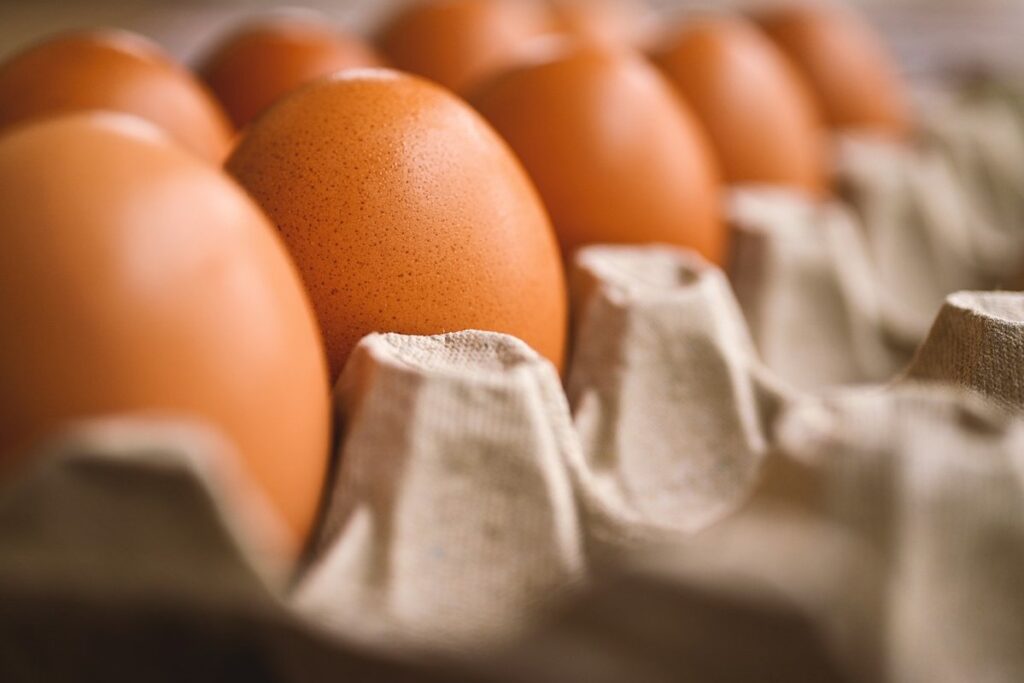
Cochin chicken eggs are renowned for their distinctive characteristics, setting them apart from other breeds. One of the most notable features is their egg size – on average, Cochin chicken eggs weigh around 60-70 grams and measure approximately 4-5 cm in length. This larger size makes them a favorite among chefs and home cooks who value the extra richness and moisture they provide.
The quality of the shell is another aspect that distinguishes Cochin chicken eggs. Due to their thicker, more robust composition, these eggs have a lower risk of breaking during transportation or handling. Furthermore, the shells are often described as “more delicate” in appearance, showcasing a mix of brown and tan tones that add an attractive aesthetic touch.
When it comes to nutritional content, Cochin chicken eggs stand out for their higher yolk-to-white ratio. This translates to more beneficial fatty acids, vitamins A and E, and other essential nutrients within the egg.
Raising Cochin Chickens for Egg Production
To successfully raise Cochin chickens for egg production, you’ll want to focus on their diet, living conditions, and breeding strategies that promote optimal health. Proper care will ensure a steady supply of fresh eggs.
Choosing Healthy Cochin Chicks
When selecting healthy Cochin chicks for egg production, it’s crucial to inspect them carefully before making a purchase. A reputable breeder will prioritize their flock’s health and well-being, so look for chicks that appear robust and active.
Signs of good health in Cochin chicks include:
• Bright, alert eyes with no discharge or cloudiness
• Fluffy, clean feathers with no signs of mites or lice
• A plump, firm body with no visible deformities
• Healthy beak and claw development
To ensure you’re getting healthy chicks from a reputable breeder, research local breeders in your area and ask about their flock health practices. Visit the farm personally to inspect the conditions and see how the birds are treated.
Ask the breeder questions such as “What vaccinations do you provide?” or “How often do you clean the coops?” This will help you gauge their commitment to maintaining a healthy environment for their chickens. By choosing healthy Cochin chicks from the start, you’ll set yourself up for success in raising happy, productive hens that provide plenty of delicious eggs.
Providing Optimal Care for Your Cochin Hens
When it comes to raising Cochin chickens for egg production, providing optimal care is essential for their overall health and well-being. A crucial aspect of this care is nutrition. Cochin hens have high energy requirements due to their large size and rapid growth rate. Feed them a high-quality layer feed that contains around 16-18% protein to meet their dietary needs.
In terms of housing, Cochin hens need plenty of space to roam and exercise. A minimum of 2-3 square feet per bird is recommended, but ideally provide more if possible. Ensure good ventilation and adequate shelter from the elements. You can also add some fun and engaging activities such as dust baths or scratching posts to keep them entertained.
Regular health checks are vital for maintaining your Cochin hens’ overall health. Keep an eye out for signs of illness such as lethargy, labored breathing, or changes in appetite. Implement a vaccination program if necessary, and have a plan in place for emergency veterinary care. By prioritizing the nutrition, housing, and health needs of your Cochin hens, you can ensure they produce eggs that are not only delicious but also healthy for consumption.
Tips for Increasing Egg Production in Cochin Chickens
When it comes to increasing egg production in Cochin chickens, there are several strategies you can implement to see significant improvements. One of the most effective ways is by improving feed quality. Provide your flock with a nutrient-rich diet that includes essential vitamins and minerals such as calcium, phosphorus, and protein. You can also consider supplementing their feed with fresh fruits and vegetables to ensure they’re getting all the necessary nutrients for optimal health.
Another key factor in increasing egg production is reducing stress levels in your flock. Cochin chickens are known to be sensitive birds, so it’s essential to create a calm and peaceful environment for them to thrive in. Provide plenty of space for exercise and relaxation, and make sure their living quarters are clean and well-ventilated.
In addition, consider implementing a routine vaccination program to protect your flock from diseases that can impact egg production. Regular health checks will also help identify any issues early on, preventing the spread of illness throughout the flock. By following these tips, you’ll be well on your way to increasing egg production in your Cochin chickens and reaping the rewards of a happy and healthy flock.
Health Considerations for Cochin Chickens
When it comes to collecting eggs from your cochin chickens, health considerations play a vital role in ensuring both your flock and you stay safe. Let’s explore some important factors to keep in mind.
Common Health Issues Affecting Cochin Chickens
Cochin chickens are generally a hardy breed, but like all poultry, they can be prone to certain health issues. One of the most common problems affecting Cochin chickens is parasites, such as mites and lice. These external pests can cause discomfort, stress, and even lead to secondary infections if left untreated.
Internal parasites, including worms and coccidiosis, are also a concern for Cochin chicken keepers. Coccidiosis, in particular, can be a serious issue if not managed properly. Symptoms include diarrhea, weight loss, and lethargy. Regular deworming, a clean living environment, and a balanced diet can help prevent internal parasite infestations.
Nutritional deficiencies are another common health problem affecting Cochin chickens. A diet lacking essential nutrients can lead to issues such as poor egg production, brittle feathers, and weakened immunity. Ensure your Cochin hens have access to a high-quality layer feed that meets their nutritional needs, and supplement with oyster shells or crushed eggshells for calcium if necessary.
To keep your Cochin chickens healthy, it’s essential to monitor them regularly for signs of illness or stress. Be aware of any changes in behavior, appetite, or droppings, and take prompt action if you notice anything unusual.
Preventative Measures to Keep Your Cochin Flock Healthy
As you strive to collect high-quality eggs from your Cochin flock, maintaining their overall health is paramount. To prevent illnesses and ensure a robust population, it’s essential to implement preventative measures.
Firstly, vaccinations are crucial to protect your birds against common diseases such as Newcastle disease and Infectious Bronchitis. Consult with a veterinarian to determine the best vaccination schedule for your flock based on factors like age and location. Ensure all vaccinations are administered according to the manufacturer’s instructions and follow-up appointments are kept.
To control parasites, practice regular cleaning of coops, runs, and feeding areas using disinfectants. Replace bedding material regularly, and keep a watchful eye out for signs of mites, lice, or internal parasites like coccidiosis. Implement a parasite-control program that incorporates medications as recommended by your veterinarian.
Lastly, maintain excellent sanitation practices to prevent disease spread. This includes washing hands thoroughly before handling birds, disinfecting equipment regularly, and ensuring adequate ventilation within coops. Regular health checks will also help identify potential issues early on, allowing you to take prompt action.
Recognizing Early Warning Signs of Illness in Cochin Chickens
As a Cochin chicken owner, it’s essential to be aware of the early warning signs of illness in your flock. These birds are prone to certain health issues due to their large size and temperament. Recognizing the symptoms at an early stage can help prevent more severe problems and ensure you provide the necessary care.
Some common signs of illness in Cochin chickens include:
* Changes in appetite or water intake
* Lethargy or depression
* Discharge from the eyes, nostrils, or vents
* Swelling or redness around the face, legs, or feet
* Droopy wings or tail
* Changes in droppings (such as diarrhea or blood)
If you notice any of these symptoms, it’s crucial to take action quickly. Start by checking for parasites, inspecting their living area for cleanliness, and providing fresh food and water. However, if the issue persists or worsens, consult a veterinarian experienced in poultry care.
A local Cochin breeder once shared that she noticed her birds’ reduced activity level due to a respiratory infection. With prompt veterinary attention, they were able to recover and continue laying healthy eggs.
Marketing and Selling Cochin Chicken Eggs
To successfully market and sell your prized Cochin chicken eggs, you’ll need to understand their unique characteristics and appeal to potential buyers. We’ll explore effective marketing strategies in this section.
Niche Markets for Cochin Chicken Eggs
When it comes to selling Cochin chicken eggs, you don’t have to rely on traditional channels like supermarkets or grocery stores. By targeting niche markets, you can tap into a more loyal customer base and command a higher price for your premium eggs.
Consider reaching out to local restaurants that value fresh, high-quality ingredients. Many chefs are willing to pay top dollar for unique egg varieties, especially if they’re raised using sustainable methods. For example, farm-to-table eateries or those specializing in organic cuisine might be interested in Cochin chicken eggs.
You can also approach specialty food stores, which often cater to customers looking for artisanal and locally sourced products. These stores may be willing to stock your eggs alongside other gourmet items, such as heirloom vegetables or free-range meats. To get started, research local businesses that align with your values and target them directly with a sales pitch.
Keep in mind that building relationships with these niche markets requires effort and dedication, but the potential rewards are substantial. By providing exceptional customer service and educating your clients about the benefits of Cochin chicken eggs, you can establish a loyal following and generate consistent revenue.
Pricing Strategies for Cochin Chicken Eggs
When it comes to pricing strategies for Cochin chicken eggs, there are several factors to consider. First and foremost, you need to calculate your production costs. This includes the cost of feed, healthcare, and labor involved in collecting and processing the eggs. You should also factor in any marketing or distribution expenses.
To determine a competitive price point, research what other breeders are charging for their Cochin chicken eggs. Keep in mind that market demand plays a significant role in pricing. If there’s high demand, you can charge more. However, if supplies are plentiful and competition is fierce, prices may need to be adjusted accordingly.
It’s also essential to consider the quality of your eggs. Are they larger or smaller than average? Do they have any unique characteristics that would justify a premium price? By understanding your production costs and market dynamics, you can set a pricing strategy that balances profitability with consumer demand.
Regulatory Compliance for Selling Cochin Chicken Eggs
When selling Cochin chicken eggs, it’s essential to ensure you comply with regulatory requirements. This includes labeling requirements, food safety regulations, and zoning laws.
To start, familiarize yourself with the labeling requirements set by the US Department of Agriculture (USDA). You’ll need to include information such as the egg size, weight, date, and the name of the farm or producer on each carton. Consider investing in a label printer for efficiency.
Food safety regulations are also crucial. Ensure you maintain proper sanitation and hygiene practices within your coop and processing facility. Regularly test your water supply, feed, and eggs for bacterial contamination. The USDA has established guidelines for egg washing, grading, and packaging to prevent salmonella outbreaks.
When it comes to zoning laws, check with your local government to determine if there are any restrictions on backyard chicken keeping or commercial egg production in your area. Some areas may require special permits or licenses to sell eggs. Research and understand these regulations to avoid potential fines or penalties.
Comparing Cochin Chickens to Other Breeds
When deciding which breed to keep for egg-laying, it’s helpful to compare Cochin chickens to other popular breeds. Let’s take a closer look at how they stack up against others in terms of egg production and characteristics.
Comparison of Cochin Chickens to Other Popular Breeds
If you’re considering keeping Cochin chickens for egg production, it’s essential to understand how they compare to other popular breeds. Let’s take a closer look at Leghorns and Rhode Island Reds, two of the most common backyard chicken breeds.
Leghorns are known for their high egg production, laying an average of 280-300 eggs per year. While this may seem impressive, Cochin chickens actually produce around 200-220 eggs annually, which is still a respectable amount. However, it’s worth noting that Leghorns require more space and can be quite noisy, whereas Cochins are generally quieter and easier to manage.
Rhode Island Reds, on the other hand, are known for their friendly, docile nature, which makes them a great choice for families with children. However, they tend to be larger than Cochins and produce around 200-220 eggs per year, similar to our beloved Cochin breed. In terms of management requirements, Rhode Island Reds need regular grooming to prevent matting and tangling of their feathers.
When it comes to choosing a breed, consider your lifestyle and egg production needs. If you’re looking for a laid-back, easy-to-manage breed that still provides plenty of eggs, Cochins may be the perfect choice.
Why Choose Cochin Chickens Over Other Breeds?
When it comes to choosing a breed for egg-laying purposes, you have several options available. However, Cochin chickens stand out from the rest due to their unique characteristics and benefits that make them an attractive choice.
One of the primary reasons to choose Cochin chickens is their impressive egg-laying capacity. On average, a mature Cochin hen can lay around 200 eggs per year, which is significantly higher than some other popular breeds. This makes them an excellent option for small-scale farmers or backyard chicken keepers who want a reliable source of fresh eggs.
Another advantage of Cochin chickens is their friendly and docile nature, making them an ideal choice for families with children or those who are new to raising chickens. They are also relatively low-maintenance birds that require minimal space and care.
In comparison to other popular breeds like Leghorns or Rhode Island Reds, Cochin chickens have a more relaxed attitude towards laying eggs. This means they will continue to produce eggs throughout the year without a significant drop in production during hot summer months.
Overall, the benefits of owning Cochin chickens far outweigh their few drawbacks, making them an excellent choice for anyone looking to raise a flock that provides plenty of delicious and nutritious eggs.
Conclusion
In conclusion, Cochin chicken eggs are a treasure trove of goodness for any backyard flock or commercial farm. Not only do they offer an impressive egg-laying capacity, but their rich brown eggs are also packed with nutrients and flavor. As you’ve learned throughout this guide, proper care and attention to the health of your Cochin hens will ensure that their eggs remain healthy and plentiful.
To maximize your Cochin chicken’s potential, be sure to provide them with plenty of space, fresh water, and a balanced diet. With these simple tips and a little practice, you’ll be enjoying delicious brown eggs from your very own backyard in no time. Whether you’re a seasoned farmer or just starting out, we hope this ultimate guide has given you the knowledge and confidence to raise happy and healthy Cochin chickens.
Frequently Asked Questions
Can I raise Cochin chickens for egg production if I live in a small urban space?
Yes, it’s possible to raise Cochin chickens for egg production even with limited space. Consider investing in a sturdy coop and providing enough room for your birds to exercise. You can also explore vertical farming or backyard chicken keeping methods that suit your urban setting.
How do I handle the extra attention and affection from Cochin hens?
Cochin hens are known for their friendly nature, but excessive attention can lead to behavioral issues. Set clear boundaries, provide enough space for them to roam, and ensure they receive adequate socialization with other birds. Regular handling and interaction will help train your flock.
What’s the best way to store Cochin chicken eggs without sacrificing quality?
Proper egg storage is crucial to maintaining their quality. Store Cochin chicken eggs in a cool, dry place, such as a refrigerator or a designated egg storage area. Keep them pointed end down to prevent moisture from entering through the air cell.
Can I use Cochin chickens for dual-purpose farming (meat and eggs)?
Yes, Cochin chickens can be raised for both meat and eggs. They are one of the most popular dual-purpose breeds due to their excellent egg-laying abilities and moderate growth rate. Consider implementing a rotational grazing system or integrating them into your existing farm layout.
How do I ensure my Cochin hens receive optimal care during extreme weather conditions?
Provide adequate shelter, ventilation, and access to fresh water for your Cochin hens during hot or cold weather. Make sure their coop is well-insulated and equipped with a reliable feeding system. Regularly monitor temperature fluctuations and take necessary precautions to protect your flock’s health.