
Are you raising chickens and wondering how to get them to hatch more chicks? Or maybe you’re an aspiring backyard farmer looking for breeds that are known for their motherly instincts. Whatever your goal, understanding broody chicken breeds is crucial for any serious poultry keeper.
As a responsible chicken owner, identifying the signs of broodiness in your flock can be a challenge, but it’s also an opportunity to encourage natural incubation and increase fertility rates. In this article, we’ll explore how to recognize and manage broodiness in chickens, as well as recommend some top breeds known for their impressive fertility and motherly instincts. We’ll also cover the essential steps you need to take to create a supportive environment that allows your girls to successfully raise their own chicks. By the end of this article, you’ll be equipped with the knowledge to boost your flock’s reproductive health and start hatching more chicks naturally.
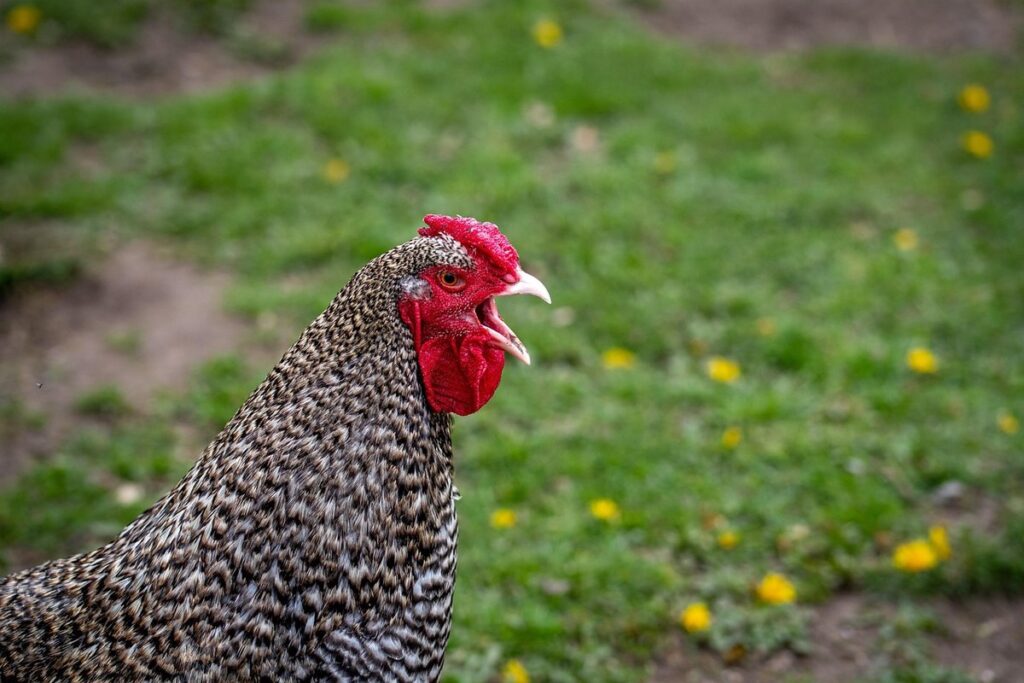
Understanding Broodiness in Chickens
Broody chickens can be a mystery to many backyard flock owners, but understanding their behavior is key to managing and even encouraging it. Let’s take a closer look at what makes a chicken go broody.
What is Broodiness?
So, you’re curious about what all the fuss is about when it comes to broodiness in chickens. Simply put, broodiness is a natural behavior exhibited by hens where they decide to incubate eggs and care for their chicks as if they were their own. It’s a crucial aspect of chicken behavior that every backyard farmer or breeder should understand.
But why do chickens become broody in the first place? The causes can be attributed to a combination of factors, including genetics, age, nutrition, and environmental conditions. Some breeds are more prone to broodiness due to their natural instincts and breeding history. For instance, Orpingtons, Plymouth Rock, and Sussex hens are known for being prolific broodies.
It’s essential to distinguish between natural and induced broodiness. Natural broodiness occurs when a hen decides to go off feed and start incubating eggs without any external stimulation. Induced broodiness, on the other hand, can be triggered by manipulating factors such as temperature, light exposure, or even giving them hormones. It’s crucial to recognize the differences between these two states to provide the best care for your flock and avoid health issues.
Signs of Broodiness in Hens
When you have a broody hen on your hands, it’s essential to recognize the signs of broodiness early on. Hens typically exhibit certain behaviors and physical changes when they become broody, which can be an indicator that she’s preparing to incubate eggs.
One of the most noticeable signs is a decrease in egg production. A brooding hen will often stop laying eggs or reduce their frequency significantly. You may also notice changes in her behavior, such as increased restlessness and pacing around the coop. She might become more vocal, making loud clucking sounds or even hissing at you if she feels threatened.
Another sign of broodiness is a loss of appetite. Your hen might seem less interested in food or water, which can be a concern for her overall health. Additionally, her plumage may appear ruffled and disheveled as she becomes more focused on nesting and preparing to incubate eggs.
If you suspect your hen is showing signs of broodiness, it’s crucial to monitor her closely and provide her with proper care and attention. This can include removing any eggs from the nesting box and separating her from other birds to prevent stress.
Risks Associated with Broodiness
Prolonged broodiness can be detrimental to a hen’s overall health and well-being. One of the primary concerns is the strain it puts on her body. Brooding causes hens to experience physical changes, such as weight gain, swollen vents, and a decrease in egg production. This prolonged stress can lead to reproductive issues, including ovarian cysts and prolapse.
Moreover, broodiness can also have a ripple effect on flock dynamics. A hen that’s been experiencing prolonged broodiness may become more aggressive towards other birds, especially if she feels threatened or protective of her imaginary eggs. This can disrupt the social hierarchy within your flock and even lead to bullying behavior.
It’s essential to recognize the signs of prolonged broodiness in chickens, including excessive egg sitting, pacing, and vocalization. If you notice any of these behaviors persisting for an extended period, it’s crucial to intervene promptly to prevent further health issues and maintain a harmonious flock environment.
Choosing the Right Broody Breed
So, you’ve decided to bring home a broody hen and want to make sure you choose the right breed for your needs. This section will help you navigate popular broody breeds and their characteristics.
Popular Breeds for Backyard Flocks
When choosing a broody breed for your backyard flock, you’ll want to consider popular options known for their exceptional mothering abilities. One such breed is the Silkie. These gentle giants are famous for their fluffy feathers and affectionate nature, but they’re also renowned for their dedication to raising their young.
Silkies are prolific layers, producing an impressive 200-220 brown eggs per year, making them a great choice for backyard flocks. Their calm demeanor and docile personalities make them an excellent addition to families with children or other pets. However, keep in mind that Silkies can be prone to health issues like frostbite and heat stress due to their unique coat.
Another popular breed is the Brahma. Known for their large size and gentle nature, Brahmas are natural mothers who take their brooding duties very seriously. They’re excellent layers, producing around 200-250 brown eggs per year. However, their size can be a challenge in smaller backyard flocks, requiring more space to roam.
Consider also the Orpington breed, known for its friendly and docile nature. Orpingtons are prolific layers, producing an impressive 200-220 brown eggs per year. Their ability to tolerate cold temperatures makes them an excellent choice for cooler climates. However, their size can be a challenge in smaller spaces, requiring more room to roam.
It’s essential to remember that each breed has its unique characteristics and needs. When selecting a broody breed for your backyard flock, research the specific requirements of each bird to ensure you provide the best possible care for both the chickens and your family.
Factors to Consider When Selecting a Broody Breed
When selecting a broody breed for your backyard flock, it’s essential to consider several key factors that will ensure a harmonious and successful relationship between the birds and their environment. Climate is one of the primary considerations – some breeds thrive in hot and humid conditions, while others prefer cooler temperatures and dry air.
For example, the Silkies are well-suited for cold climates due to their dense feathers, which help to insulate them from harsh winters. On the other hand, breeds like the Marans and Barnevelders excel in warmer environments and can tolerate high temperatures with ease. Space is another critical factor – a breed’s size and temperament will dictate how much room they need to roam.
When it comes to egg production, desired yield also plays a significant role in choosing a broody breed. Some breeds are prolific layers, producing dozens of eggs per week, while others are more laid-back and might only provide 100-150 eggs annually. Consider your needs and space before deciding which breed is the best fit for you – if you want to enjoy fresh eggs daily, look into high-producing breeds like Leghorns or Australorps.
Additionally, the temperament of the breed should also be taken into account – some broody birds can become aggressive when guarding their nest, so it’s crucial to choose a breed that complements your existing flock.
Crossbreeds and Hybrids
When it comes to choosing a broody breed, many backyard chicken keepers consider crossbreeding or hybridizing chickens. This can be an effective way to create birds with desirable traits, but it’s essential to understand the benefits and drawbacks of this approach.
Crossbreeding involves breeding two different breeds together to produce offspring that combine the best characteristics from each parent. In the context of broodiness, crossbreeding can help you create chickens that are both productive and good mothers. For example, crossing a prolific egg-layer like the Leghorn with a breed known for its broodiness, such as the Brahma, can result in chicks that inherit the best traits from each parent.
However, hybridizing also introduces uncertainty and potential drawbacks. Genetic diversity may be reduced, making it more challenging to predict the characteristics of the offspring. Additionally, fertility can be affected, leading to lower hatch rates or even sterility in some cases. To mitigate these risks, it’s crucial to work with reputable breeders who have experience with crossbreeding and hybridizing chickens specifically for broodiness.
Breeds Known for Fertility and Broodiness
If you’re looking for broody chicken breeds that are prolific layers, then you’ll love these top picks known for their exceptional fertility and broodiness. Let’s dive in and explore some popular breeds!
Orpingtons: A Classic Choice
Orpingtons are one of the most popular breeds among backyard chicken enthusiasts, and for good reason. Their reputation for high fertility and strong motherly instincts makes them an excellent choice for those looking to raise a brood of healthy chicks.
One of the standout characteristics of Orpingtons is their exceptional egg-laying abilities. Hens can lay up to 200 large brown eggs per year, making them a great addition to any backyard flock. But what really sets Orpingtons apart is their broody behavior. These girls love to sit on eggs and take care of their chicks, often going into full-blown broodiness with as few as 3-4 fertile eggs.
While this can be beneficial for raising a healthy brood, it’s essential to note that Orpingtons can become over-broody if not managed correctly. To encourage successful hatching and prevent your hen from getting stuck on the nest, make sure to collect fertile eggs regularly and provide her with plenty of space to move around.
When introducing an Orpington to your flock, consider pairing her with a friendly rooster to help stimulate broodiness and encourage her natural maternal instincts. With proper care and attention, your Orpington hen will reward you with a thriving family of chicks.
Sussex and Other Heritage Breeds
When it comes to broody chicken breeds, there are several heritage breeds that stand out for their unique traits and potential benefits. One such breed is the Sussex, known for its exceptional broodiness and gentle nature. These chickens are naturally inclined to sit on eggs, making them an excellent choice for small-scale farmers or backyard keepers looking to hatch their own chicks.
Another popular heritage breed is the Plymouth Rock, prized for its friendly demeanor and high fertility rates. With a strong instinct to mother, Plymouth Rocks are often sought after by breeders and hobbyists alike. Their broodiness can be a bit more unpredictable than some other breeds, but with proper management, they can make wonderful mothers.
The Brahma is also worth mentioning, as this gentle giant is renowned for its large size and impressive egg-laying abilities. Despite their massive stature, Brahmas are known to be devoted parents, making them an excellent choice for those seeking a broody breed that’s both productive and loyal. When introducing these breeds to your flock, remember to provide plenty of space, good nutrition, and attention to their specific needs – with the right care, they’ll reward you with many happy clucks and chicks!
Marans: The Dark Cornish Egg Layers
Marans are one of the most sought-after breeds for their exceptional broodiness and fertility. One of the standout features of Marans is their rich dark eggs, which are a favorite among backyard chicken enthusiasts. With eggshell colors ranging from dark brown to almost black, these eggs make a beautiful addition to any breakfast plate. But it’s not just about aesthetics – Marans also excel when it comes to hatching and fertility rates.
In fact, studies have shown that Marans have one of the highest fertility rates among all chicken breeds, with some studies reporting up to 90% hatch rates. This means that if you’re looking for a breed that will reliably produce healthy chicks, Marans are an excellent choice. To maximize your chances of success with Marans, be sure to provide them with plenty of space and a balanced diet. With proper care and management, these beautiful birds can become valuable assets to any backyard flock, producing delicious eggs and reliable broodiness year after year.
If you’re new to raising chickens, it’s essential to understand that Marans are naturally more prone to broodiness than other breeds. This means they may go off-lay and focus on incubating their eggs instead of laying them continuously. While this can be a challenge for some backyard chicken keepers, many find the benefits of owning Marans far outweigh the drawbacks. With patience, understanding, and proper care, you can encourage your Marans to reach their full potential as broody hens.
Tips for Encouraging Broodiness in Your Flock
Encouraging broody behavior in your flock can be a bit tricky, but don’t worry, we’ve got you covered with some expert tips and tricks to try.
Creating a Broody-Friendly Environment
When it comes to encouraging broodiness in your flock, creating an environment that supports this natural behavior is crucial. Provide your birds with sufficient space to move around and forage, as crowded conditions can suppress broody instincts. Aim for at least 4-5 square feet of space per bird indoors or 10-12 square feet outdoors.
Lighting also plays a significant role in promoting broodiness. While it’s tempting to provide bright lighting to stimulate egg production, dimmer environments with natural light exposure tend to trigger broody behavior. Consider adding shade cloth or providing a shaded area for your birds to retreat to during the hottest part of the day.
Social interaction is another vital factor in encouraging broodiness. Hens are more likely to go broody when they feel secure and have a stable social hierarchy within their flock. Introduce new birds slowly, and ensure each hen has a designated nesting box where she can feel safe and relaxed.
By creating an environment that caters to these needs, you’ll increase the chances of your hens going broody naturally.
Natural Induction Methods
When it comes to encouraging broodiness in your flock, natural induction methods can be just as effective as manipulating their environment and behavior. One of the most straightforward ways to induce broodiness is through temperature manipulation. Chickens are naturally inclined to nest when temperatures drop, so try reducing the ambient temperature in their coop by 5-10 degrees Fahrenheit to stimulate broody behavior.
Providing a comfortable nesting box can also encourage your hens to go broody. Make sure the box has a snug fit and comfortable bedding such as straw or hay. Avoid using too much litter as it can make the area feel cramped. Some chicken owners swear by adding a “nesting box within a nest” – essentially, placing a smaller nesting box inside an existing one.
Collecting eggs regularly is another natural method to induce broodiness. When hens lay eggs outside of their nesting boxes, they may begin to seek out a more suitable location for incubation. This can lead to some creative (and sometimes messy) attempts at nesting in unusual places – so be sure to keep an eye on your flock!
Managing Broody Hens Humanely
Managing broody hens humanely is crucial to prevent stress and potential health issues for both the hen and her eggs. Recognizing when a hen has lost interest in incubating eggs is essential. Look out for signs such as reduced pecking at eggs, decreased nesting behavior, or excessive scratching around the nesting box. If you notice any of these changes, it’s likely she’s no longer interested in incubating.
At this point, gently remove her from the broody situation by placing her outside of the nesting area and reintroducing food and water to stimulate appetite. Gradually increase access to fresh air and light exposure to signal a return to normal behavior. Be cautious not to stress the hen, as sudden changes can lead to health problems.
If you’re unable to intervene promptly or notice severe decline in the hen’s condition, consider consulting with a veterinarian for guidance on managing the situation. Remember that some breeds are more prone to extreme broodiness than others, so understanding your flock’s specific characteristics is key to successful management.
Conclusion: Raising Happy and Healthy Broody Chickens
Now that you’ve learned all about broody chicken breeds, it’s time to think about what comes next: raising happy and healthy chicks from your very own egg-laying superstars.
Summary of Key Points
Raising happy and healthy broody chickens requires attention to several key factors. To recap, our journey through the world of broody chicken breeds has covered essential considerations for prospective backyard flock owners.
When selecting a breed, look for temperaments that are known to thrive under broodiness, such as Silkies, Cochins, and Orpingtons. These gentle giants tend to take care of their eggs naturally, without requiring human intervention. On the other hand, breeds like Leghorns and Rhode Island Reds may need more coaxing or assistance in raising their chicks.
Providing a suitable environment is also crucial for broody chickens. Ensure that your coop has adequate ventilation, light, and space for movement. This will help prevent overheating, stress, and the spread of disease. Keep in mind that over-crowding can lead to reduced fertility rates and an increased risk of health issues.
Maintaining a healthy broody chicken also involves proper nutrition and hydration. Supplement their diet with calcium-rich foods, such as crushed eggshells or dark leafy greens, to support strong eggshell production and overall health.
In addition to these key takeaways, we’ve discussed the importance of understanding your local regulations regarding backyard chickens. Research and compliance are essential for ensuring a harmonious relationship between you, your neighbors, and the authorities.
By incorporating these principles into your flock management strategy, you’ll be well on your way to raising happy and healthy broody chickens that bring joy and fulfillment to your life. With patience, attention to detail, and a willingness to learn, even beginners can successfully care for these incredible birds.
Frequently Asked Questions
Can I induce broodiness in my chickens if they’re not naturally inclined to go broody?
Yes, it’s possible to encourage natural incubation with techniques like providing a nesting box, reducing light exposure, and introducing a fertile egg. However, be cautious not to force broodiness, as this can lead to health issues.
How do I manage multiple hens going broody at the same time in my backyard flock?
Managing simultaneous broodiness requires careful planning, ensuring each hen has a dedicated nesting box and adequate resources. Monitor their behavior closely and separate them if needed to prevent overcrowding and potential conflicts.
What’s the average time frame for a broody hen to successfully hatch her eggs?
The incubation period typically lasts around 21 days, but it can vary depending on factors like breed, egg size, and environmental conditions. Keep an eye out for signs of imminent hatching, such as restlessness and vocalizations.
Can I use crossbreeds or hybrids as broody breeds in my backyard flock?
While some crossbreeds exhibit desirable traits from their parent breeds, their fertility and motherly instincts may not be guaranteed. Research the specific characteristics of the crossbreed before introducing them to your flock.
How do I handle a hen that’s showing signs of prolonged broodiness (more than 2 weeks)?
Monitor her closely for health issues like heat stress or egg bound. Provide a balanced diet, ensure adequate hydration, and consider separating her from the rest of the flock to prevent overexertion and stress.