
As a new parent to your flock, you’re probably eager to provide the best possible start in life for your adorable little chicks. But did you know that maintaining the right brooder temperature is crucial for their healthy growth and development? It’s not just about keeping them warm; it’s also about helping them thrive. Each week of their lives, from hatching to maturation, has specific needs when it comes to brooder temperature. This article will guide you through the essential guidelines for setting the perfect temperature for your chicks by week, ensuring they stay happy and healthy throughout their journey. By following these expert recommendations, you’ll be well on your way to raising a robust and thriving flock.
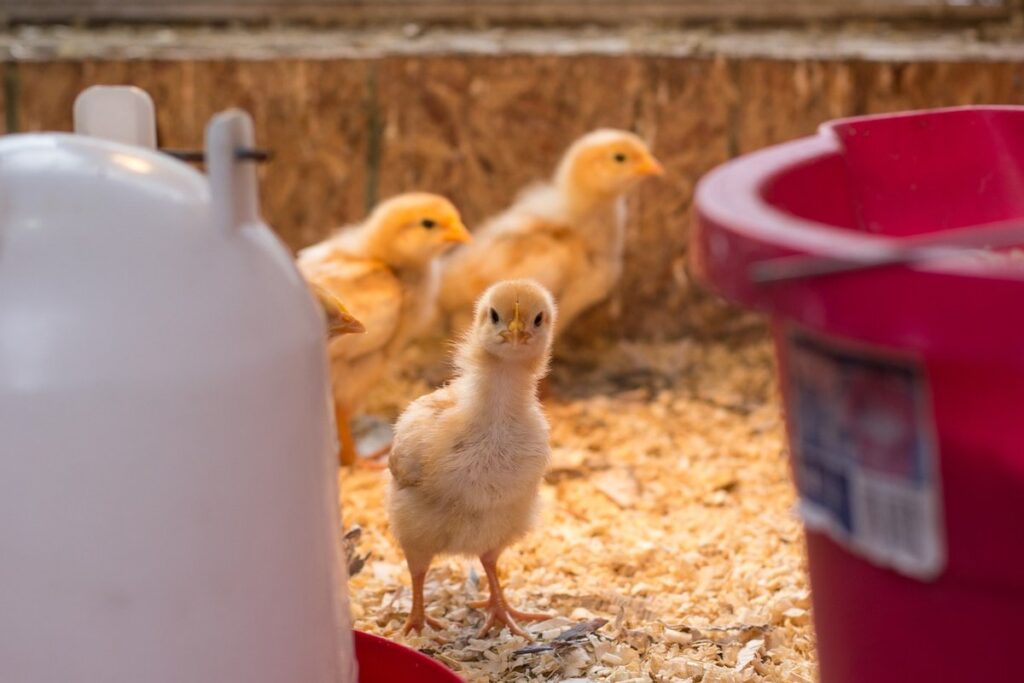
Understanding Chick Development and Temperature Needs
To raise healthy chicks, it’s essential to understand their development stages and how temperature needs change as they grow. This section breaks down those milestones by week.
Stages of Chick Development and Temperature Requirements
As chicks develop from eggs to fluffy adults, their temperature requirements change dramatically. Let’s break down the stages of chick development and how temperature affects each one.
Embryonic development occurs within the egg, where a chick grows from a single cell into a fully formed embryo. During this stage, the temperature inside the incubator is crucial for proper development. A consistent temperature between 99°F (37°C) and 100°F (38°C) ensures that the chick’s organs and systems develop correctly.
Once hatching begins, the temperature requirements shift slightly. The initial brooder temperature should be around 90°F (32°C) to 95°F (35°C), allowing the chicks to dry off and regulate their body heat after emerging from the egg. As they start to fluff out their feathers, you can gradually increase the temperature by 5°F (3°C) each day.
Post-hatch growth is a critical stage where temperature requirements are essential for optimal development. Chicks need a consistent temperature of around 90°F (32°C) to 95°F (35°C), with adequate ventilation and lighting to promote healthy growth and prevent respiratory issues.
Importance of Proper Temperature Control
Maintaining a proper brooder temperature is crucial for optimal chick health, growth, and survival. If the temperature is too high or too low, it can lead to stress, which makes chicks more susceptible to diseases. For example, if the temperature is above 95°F (35°C), chicks can suffer from heatstroke, while temperatures below 60°F (15°C) can cause hypothermia.
When the brooder temperature is just right, chicks will be comfortable and energetic, which is essential for their development. A study by the University of California found that chicks raised in an optimal temperature range (around 90-95°F or 32-35°C) had a higher growth rate and better feed conversion efficiency compared to those raised in extreme temperatures.
To ensure you’re providing the right environment for your chicks, make sure to monitor the brooder temperature regularly. You can use thermometers or hygrometers to track the temperature and humidity levels. Keep an eye out for any signs of stress or discomfort in your chicks, such as panting, lethargy, or loss of appetite.
By maintaining a proper brooder temperature, you’ll be giving your chicks the best chance at optimal growth, health, and survival.
Week 1-2: Critical Hatching Period
During the first two weeks, your chicks will be in their most critical hatching period, requiring precise temperature control to ensure healthy growth and development. Proper brooder temperatures can make all the difference during this time.
Initial Brooding Temperature (98°F – 100°F)
During the first two weeks, it’s crucial to maintain an ideal temperature range for newly hatched chicks. As a general rule of thumb, the initial brooding temperature should be between 98°F and 100°F (36°C-37.7°C). This range allows the chicks to absorb enough heat from the brooder, which is essential for their growth and development.
It’s worth noting that this temperature range might vary depending on the breed and size of your chicks. However, as a general guideline, it’s always better to err on the side of caution and maintain a slightly warmer environment during the first two weeks. A good rule of thumb is to add 5-10°F (2.7°C-5.6°C) to the brooder temperature for every week-old chick.
A typical scenario would be to start with a temperature of around 100°F (37.7°C) on day one and gradually decrease it by 1-2% each week as the chicks grow and develop. For example, if you have a batch of 1-week-old chicks, you can set the brooder temperature at 100°F (37.7°C). By the time they reach two weeks old, the temperature would be around 95-96°F (35-35.5°C).
Maintaining a Consistent Environment
Maintaining a consistent brooder temperature during this critical period is crucial for preventing cold stress and hypothermia. Chicks are highly sensitive to changes in temperature, especially between 1-2 weeks of age. Even a slight drop or rise can have detrimental effects on their growth and health.
To maintain a consistent environment, it’s essential to monitor the brooder temperature frequently, ideally using a thermometer with an alarm feature that alerts you when temperatures fluctuate outside the safe range. Make sure the brooder is draft-free, as cold air can quickly enter the enclosure through gaps or vents.
For example, if your chicks are 6 days old and the temperature suddenly drops to 90°F (32°C), it’s crucial to adjust the heating source immediately. A consistent temperature of around 98-100°F (36-38°C) during this period is ideal. Avoid placing the brooder near drafty areas or windows, which can cause temperature fluctuations. By maintaining a stable environment, you’ll minimize the risk of cold stress and create a healthy foundation for your chicks’ growth and development.
Week 3-4: Growth and Development
Now that your chicks have settled into their new surroundings, it’s time to gradually reduce the temperature to support their growth and development during weeks 3-4.
Gradual Temperature Reduction (95°F – 98°F)
As your chicks approach 3-4 weeks of age, their growth and development accelerate. It’s essential to continue providing a suitable environment for them to thrive, which includes gradually reducing the brooder temperature. The ideal temperature range during this period is between 95°F to 98°F.
By this stage, the chicks’ metabolism has increased significantly, and they are burning more energy than before. To prevent overheating, it’s crucial to decrease the brooder temperature by about 1-2°F every few days. This allows them to adjust gradually and prevents any potential stress or discomfort.
You can start reducing the temperature from around 98°F to 96°F, then further down to 95°F as your chicks become more comfortable with the change. It’s also essential to monitor their behavior and body language, adjusting the temperature accordingly. If you notice any signs of distress, such as panting or lethargy, return to a slightly higher temperature.
By following this gradual reduction schedule, you’ll be promoting healthy growth and development in your chicks, setting them up for a strong start in life.
Providing Adequate Ventilation and Air Circulation
As chicks grow and develop during weeks 3-4, it’s essential to provide adequate ventilation and air circulation in the brooder. Inadequate airflow can lead to respiratory problems, which can be detrimental to their health and even deadly.
Proper ventilation helps maintain a healthy environment by removing ammonia from droppings and reducing moisture levels. This is crucial during this stage as chicks start to shed their down feathers and develop their adult plumage. The increased heat and humidity can cause the air quality in the brooder to degrade rapidly, putting your chicks at risk.
To ensure adequate ventilation, make sure your brooder has good airflow by keeping it away from any walls or obstructions that could restrict air movement. Also, maintain a temperature range of 90-100°F (32-38°C) during this period. You can achieve this by adjusting the heat source or using a fan to circulate the air and reduce the temperature in areas where it may be higher.
Keep an eye on your chicks’ behavior and health status. If you notice any signs of respiratory distress, such as labored breathing or coughing, take immediate action to improve ventilation.
Week 5-6: Feather Development and Integration
Now that your chicks are starting to grow, it’s time to adjust their brooder temperature again. By week five or six, they’ll be developing feathers and integrating into a flock, requiring a slightly cooler environment.
Maintaining Optimal Temperature (90°F – 95°F)
As your chicks continue to grow and develop feathers, it’s essential to maintain an optimal brooder temperature between 90°F and 95°F. This narrow range may seem small, but it plays a significant role in supporting their integration with other birds.
To achieve this balance, ensure that the temperature drops by no more than 5°F each day. Aiming for 2-3°F reduction per day is even better, as it allows for smoother transitions and reduces stress on your chicks. Keep in mind that different breeds have unique needs, so monitor your flock’s behavior and adjust temperatures accordingly.
A good rule of thumb is to aim for the lower end of this temperature range (90-92°F) during the first few days after feather development begins. As your chicks become more active and their feathers continue to grow, you can gradually raise the temperature by 1-2°F increments every two to three days.
Monitor the brooder’s thermometer closely to maintain this optimal range, as sudden drops or spikes in temperature can be detrimental to your flock’s health and well-being.
Reducing Stress and Promoting Socialization
As your chicks enter weeks 5-6 of development, it’s essential to continue monitoring their environment and behavior. During this stage, they’ll begin to show signs of feather growth, and socialization becomes a critical factor in their overall health and well-being.
To reduce stress among the chicks, maintain a clean brooder area by regularly changing bedding, providing fresh water, and removing any potential hazards. A dirty or cluttered environment can exacerbate existing stress levels, leading to behavioral problems like pecking order issues or feather plucking.
Promote socialization by introducing new chicks to the group gradually. Start with 2-3 birds at a time and observe their behavior before adding more. Provide enough space for each chick to move around comfortably, ensuring they don’t feel crowded or threatened. You can also try offering enrichment activities like scratching posts or shallow water dishes to stimulate exploration.
Monitor your chicks’ behavior closely during this stage, as socialization issues can arise from overcrowding or stress. Keep the brooder temperature between 95-100°F (35-38°C) to encourage normal development and reduce the risk of health problems associated with high temperatures.
Week 7-8: Maturation and Weaning
As your chicks enter weeks 7 and 8, they’ll be maturing rapidly, requiring adjustments to their brooder temperature to ensure a smooth transition to weaning. Let’s explore how to fine-tune their environment during this critical period.
Adjusting Temperature for Adult Birds (85°F – 90°F)
As your chicks approach week 7-8, they’re maturing rapidly and their energy needs are changing. It’s essential to adjust the brooder temperature accordingly to ensure they’re comfortable and healthy. The ideal temperature range for adult birds is between 85°F to 90°F (29°C to 32°C). This slight drop in temperature helps regulate their growth and prepares them for weaning.
When adjusting the brooder temperature, it’s crucial to do so gradually to prevent shocking your birds. A good rule of thumb is to lower the temperature by 1-2°F every day or two until you reach the desired range. For example, if your current temperature is 95°F (35°C), you can start reducing it to 93°F (34°C) and then 91°F (33°C) over a period of 3-4 days.
Remember, every flock is different, so monitor your birds’ behavior and adjust the temperature accordingly. If they seem uncomfortable or stressed, adjust the temperature up or down by 1-2°F to find their sweet spot. By following this temperature adjustment plan, you’ll be well-prepared for weaning and transition to a production environment.
Transitioning to Outdoor Housing
As you near the end of the brooding period, it’s time to start thinking about transitioning your chicks from their cozy indoor brooder to outdoor housing. This is an exciting milestone, but it requires careful planning to ensure a smooth transition for your birds.
First and foremost, ensure that your outdoor housing provides adequate shelter from harsh weather conditions such as wind, rain, and direct sunlight. A sturdy coop with a waterproof roof, walls, and windows will provide protection from the elements. Consider adding a run or enclosed area for your birds to exercise and roam freely.
Nutrition is another critical consideration when transitioning your chicks to outdoor housing. At this stage, they should be eating starter feed that provides all the necessary nutrients for growth and development. Make sure they have access to clean water at all times, and consider installing a watering system that reduces the risk of contamination.
Finally, take steps to prevent health issues in your flock by ensuring their outdoor housing is free from pests and predators. Regularly inspect the coop and run for signs of damage or invasion, and take action promptly if you notice any problems. By following these guidelines, you can help your chicks thrive in their new outdoor home.
Common Temperature-Related Issues and Solutions
Don’t worry, we’ve all been there – a brooder temperature issue can be stressful for your chicks’ health. Let’s address common problems and solutions to get you back on track.
Recognizing Signs of Temperature Stress or Hypothermia
Recognizing signs of temperature stress or hypothermia in chicks is crucial to prevent serious health issues. As a brooder owner, you should be vigilant and monitor your chicks’ behavior closely. One common sign of temperature stress is excessive panting or labored breathing. If the ambient temperature is too high, chicks may also exhibit lethargy, loss of appetite, or have difficulty walking.
Conversely, if the temperature is too low, chicks may shiver, become lethargic, or experience weight loss. Hypothermia can be just as deadly as heat stress, and it’s essential to catch these signs early on. If you notice your chicks acting listlessly, struggling to move around, or having a slower metabolism than usual, take immediate action.
Monitor the temperature in their brooder regularly, using thermometers placed at chick level to ensure accurate readings. A sudden drop in temperature can cause rapid heat loss, so be prepared to intervene quickly if you notice any unusual behavior. Keep an eye out for signs of dehydration or poor circulation, such as wetness around the vent area or a bluish tint to their combs.
Early recognition and intervention are key to preventing these issues from escalating into serious health problems. By staying attentive and proactive, you can create a safe and healthy environment for your chicks to thrive in.
Effective Remedies for Temperature-Related Problems
Maintaining a clean brooder is crucial to preventing temperature-related problems. Ensure that bedding material is changed frequently to absorb moisture and reduce ammonia buildup, which can cause respiratory issues in chicks. Remove soiled bedding, replace with fresh material, and disinfect all surfaces before re-populating the brooder.
Adequate feed and water are also essential for maintaining a healthy temperature environment. Provide feed at least 2-3 times a day to prevent overcrowding around feeding areas, which can lead to heat stress. Ensure water is readily available and that the waterer is positioned to avoid drafts or extreme temperatures.
Proper ventilation is critical in regulating brooder temperature. Install vents to allow for airflow and maintain a balanced interior air exchange rate. This will help remove excess heat and prevent moisture buildup. Adjust vent sizes according to climate, season, and brooder size to ensure optimal air circulation.
By following these guidelines, you can effectively manage temperature-related problems and create a safe environment for your chicks’ growth and development.
Frequently Asked Questions
What if I accidentally maintain the wrong temperature for my chicks during a critical development stage?
If you notice that your chicks have been exposed to an inappropriate temperature, immediately adjust their environment to meet their current needs. Monitor them closely for signs of stress or discomfort, and provide extra care and attention as needed.
Can I use a thermometer with a digital display to measure the brooder temperature accurately?
Yes, using a reliable thermometer with a digital display is highly recommended to ensure accurate temperature readings. Calibrate your thermometer regularly to guarantee precise measurements and maintain the optimal temperature for your chicks’ growth and development.
How do I know if my chicks are experiencing temperature stress or hypothermia, and what should I do in such cases?
Watch for signs of lethargy, labored breathing, or changes in appetite. If you notice any unusual behavior or physical symptoms, immediately inspect the brooder environment to identify potential issues with temperature control, ventilation, or air circulation. Adjust the conditions accordingly to alleviate stress.
What are some essential precautions I can take when integrating chicks from different hatches into a single brooder?
To minimize stress and prevent disease transmission, ensure that each hatch has its own separate area within the brooder initially. Gradually introduce chicks from different batches once they reach about 3-4 weeks of age. Monitor their behavior closely for signs of aggression or stress.
Can I use a heat lamp or ceramic heat emitter instead of a brooder with built-in heating elements?
Yes, alternative heating methods like heat lamps or ceramic heat emitters can be effective options for maintaining the optimal temperature in your chicks’ environment. However, ensure that they are safely secured to prevent accidental tipping and follow the manufacturer’s guidelines for usage and maintenance.