
Are you looking to give your feathered friends a nutritional boost? Quail eggs have long been touted as a superfood for humans, but did you know they also offer numerous benefits for birds? Rich in protein, vitamins, and minerals, quail eggs can provide a much-needed energy kick for our fine-feathered friends. However, incorporating quail eggs into your bird’s diet requires careful consideration to ensure their safety and nutritional value.
In this article, we’ll delve into the world of quail egg nutrition for birds, exploring their potential benefits and risks in detail. We’ll discuss how to choose high-quality quail eggs that are safe for consumption by your birds, as well as expert tips on managing potential risks associated with introducing new foods to their diet. By the end of this article, you’ll be equipped with the knowledge you need to make informed decisions about incorporating quail eggs into your bird’s nutrition plan.
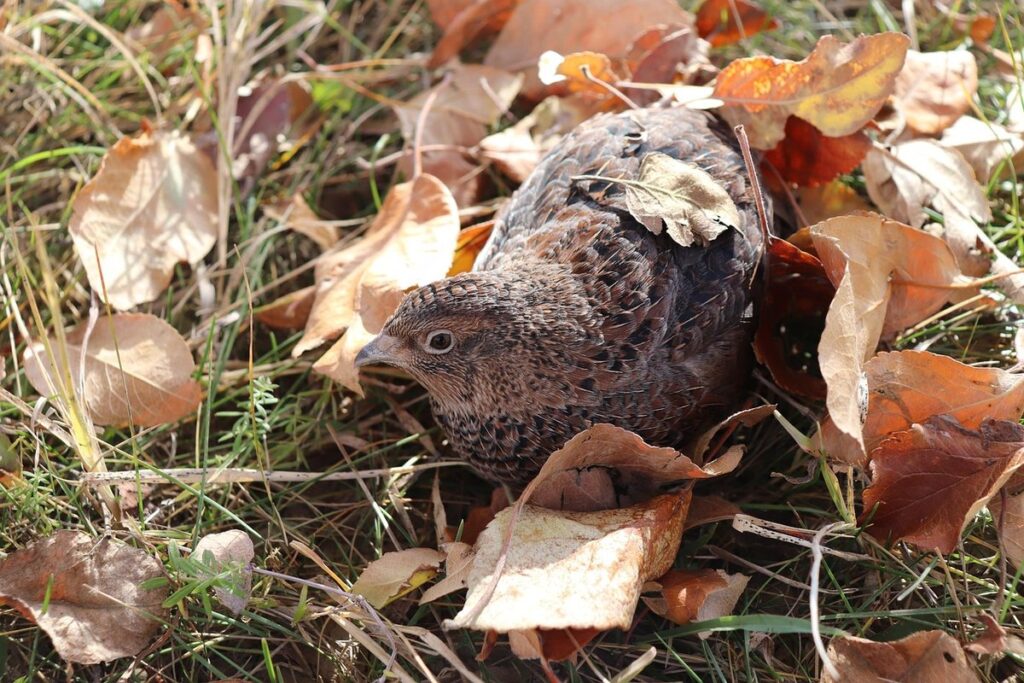
Benefits and Importance of Quail Eggs in Bird Diets
Quail eggs are a nutritious addition to your bird’s diet, offering numerous benefits that can boost their overall health and well-being. Let’s explore these advantages together.
Nutritional Value of Quail Eggs
Quail eggs are an excellent source of essential nutrients that promote optimal bird health. One large quail egg contains approximately 3-4 grams of protein, which is comparable to a chicken egg but with a higher concentration of iron and calcium. The vitamin content of quail eggs includes vitamins A, D, E, K, and B12, making them an excellent supplement for birds suffering from nutritional deficiencies.
The mineral profile of quail eggs includes phosphorus, zinc, magnesium, and potassium, which are vital for maintaining strong bones, immune function, and overall well-being. The bioavailability of these nutrients in quail eggs is also higher compared to chicken eggs due to their smaller size and more compacted structure. This makes them an excellent addition to a bird’s diet, particularly for those requiring a boost in protein or essential minerals.
When incorporating quail eggs into your bird’s diet, it’s recommended to start with small quantities (about 1-2 eggs per week) and gradually increase as needed based on the individual bird’s requirements. This will help prevent digestive upset and ensure the optimal absorption of nutrients.
Comparison with Chicken Eggs
When it comes to egg nutrition for birds, quail eggs have often been compared to chicken eggs. While both types of eggs provide essential nutrients, there are some key differences that set quail eggs apart.
One significant advantage of quail eggs is their lower cholesterol content. A single quail egg contains about 0.6 grams of cholesterol, whereas a chicken egg has around 5 grams. This makes quail eggs an excellent choice for birds with high cholesterol levels or those prone to heart disease.
Quail eggs are also more easily digestible due to their smaller size and lower protein content compared to chicken eggs. This is particularly beneficial for young or elderly birds that may struggle to process larger egg yolks.
In terms of nutritional profile, quail eggs offer a higher percentage of omega-3 fatty acids than chicken eggs. These essential fatty acids are crucial for maintaining healthy feathers, skin, and overall bodily functions in birds.
Overall, while both types of eggs provide valuable nutrients, quail eggs have several unique benefits that make them an attractive option for bird owners looking to enhance their feathered friends’ diets.
Choosing High-Quality Quail Eggs
When it comes to feeding your feathered friends, selecting high-quality quail eggs is crucial for optimal nutrition and health. Let’s explore the key factors to look for when choosing the best quail eggs for your birds.
Factors to Consider When Selecting Quail Eggs
When selecting quail eggs for your feathered friends, there are several essential factors to consider that can impact their nutritional content and overall quality. Let’s start with the origin of the quail eggs. Where the quails are raised matters a lot, as different regions may have varying levels of feed quality, environmental conditions, and disease management practices.
For instance, quails raised in free-range or organic farms tend to produce eggs with higher omega-3 fatty acid content due to their access to diverse insects and plants. In contrast, quails raised on conventional farms might be fed commercial pellets that can lead to a less desirable egg quality. Some breed-specific characteristics, such as the Japanese Coturnix bantam, are also worth considering.
The feeding practices of the quail farm are another crucial factor to consider. Quails fed on a balanced diet with adequate protein and calcium tend to produce eggs with higher nutritional value. You can even ask the breeder or supplier about their feeding schedule and make an informed decision based on that information. By paying attention to these factors, you can ensure that your quail egg purchases provide the best possible nutrition for your birds.
Understanding Labels and Certifications
When shopping for quail eggs, you may come across various labels and certifications that claim to offer improved nutrition. However, it’s essential to understand what these labels mean and whether they align with your bird’s specific needs.
Organic quail eggs are produced without the use of synthetic fertilizers, pesticides, or genetically modified organisms (GMOs). While this label is appealing for human consumption, its relevance to bird nutrition is limited. Birds require a balanced diet that includes essential nutrients, but the source of these nutrients doesn’t necessarily impact their bioavailability.
Free-range quail eggs, on the other hand, imply that hens have access to the outdoors and engage in natural behaviors like foraging and flying. However, this label is often misleading, as birds may only have limited access to a small outdoor area or be confined within an enclosure labeled “outdoor.”
Omega-3 enriched quail eggs contain higher levels of these essential fatty acids, which are vital for heart health and immune function in birds. Look for labels that specify the level of omega-3 enrichment (e.g., 30mg per serving) to ensure you’re providing your bird with a meaningful nutritional boost.
When selecting quail eggs, prioritize nutrition over labeling. Consider working with a reputable breeder or farm that provides detailed information about their production methods and nutritional content. This way, you can make informed decisions about the best quail egg choice for your feathered friend.
Incorporating Quail Eggs into Bird Diets
When adding quail eggs to your bird’s diet, it’s essential to do so gradually and in moderation to ensure a smooth transition and prevent digestive upset. This allows your feathered friend to adjust.
Types of Birds Suitable for Quail Egg Consumption
When it comes to introducing quail eggs into their diet, not all bird species are created equal. Certain birds are better suited for consuming quail eggs due to factors such as size, age, and dietary requirements.
For instance, small to medium-sized birds like budgies (parakeets), cockatiels, and canaries can safely consume quail eggs as a nutritious supplement. These birds benefit from the protein-rich content of quail eggs, which supports their high energy needs. For example, a single quail egg provides around 6-7 grams of protein, making it an ideal food source for these small bird species.
On the other hand, larger birds like parrots and macaws may require more substantial nutrition from whole foods or pellets. However, some larger bird species can tolerate quail eggs in moderation. It’s essential to research the specific dietary needs of your feathered friend and consult with a veterinarian or avian expert before introducing quail eggs into their diet.
Birds under 6 months old should not be fed quail eggs as they are still developing their digestive systems. Adult birds, especially those with sensitive stomachs or allergies, may also require careful monitoring when consuming quail eggs. Always prioritize your bird’s individual needs and health status before making any changes to their diet.
Safe Handling and Preparation Guidelines
When handling and preparing quail eggs for your bird’s consumption, it’s essential to follow safe guidelines to prevent contamination and ensure nutritional value. Always wash your hands thoroughly before and after handling the eggs.
Quail eggs can be stored at room temperature for up to two weeks or refrigerated for longer periods. Store them in their original packaging or a sealed container to maintain humidity and prevent cracking. When preparing quail eggs, cook them thoroughly to an internal temperature of 160°F (71°C) to kill any bacteria that may be present.
There are several cooking methods you can use to prepare quail eggs. Boiling is the simplest method: place the eggs in a single layer at the bottom of a saucepan, cover them with cold water, and bring to a boil. Remove from heat and let sit for 12-15 minutes before rinsing with cold water.
Poaching is another option: crack an egg into simmering water and cook for 3-5 minutes or until the whites are set and the yolks are cooked to your bird’s preference. You can also bake quail eggs in a preheated oven at 350°F (175°C) for 10-12 minutes.
It’s crucial to avoid overcooking, as this can cause the eggs to become rubbery or develop off-flavors. Always check the internal temperature before serving to ensure your bird is getting properly cooked quail eggs.
Nutritional Considerations and Potential Risks
When feeding quail eggs to your feathered friends, it’s essential to consider their nutritional value and potential risks associated with consumption. We’ll cover these crucial aspects next.
Allergies and Intolerances in Birds
When introducing quail eggs into your bird’s diet, it’s essential to consider potential allergies or intolerances. Some birds may develop sensitivities to the protein or other components of quail eggs, which can manifest as digestive issues, skin problems, or even respiratory distress.
Common signs and symptoms of an allergy or intolerance to quail eggs in birds include:
* Excessive droppings or changes in stool consistency
* Lethargy or loss of appetite
* Skin lesions, feather plucking, or excessive preening
* Respiratory issues such as sneezing, coughing, or labored breathing
If you notice any of these symptoms, consult with a veterinarian to rule out other potential causes. To minimize the risk of allergies or intolerances, it’s recommended to introduce quail eggs gradually and in small quantities (about 1-2 per week) initially, monitoring your bird’s response closely.
Keep an eye on your bird’s overall health and adjust their diet accordingly. If you experience any adverse reactions, discontinue use and explore alternative egg sources or consult with a qualified avian nutritionist for guidance.
Interactions with Medication or Health Conditions
When incorporating quail eggs into your bird’s diet, it’s essential to consider potential interactions with certain medications or health conditions. Birds with kidney disease, for example, may require a balanced diet that is low in protein and phosphorus to help manage the condition. Quail eggs are relatively high in both, which could exacerbate kidney issues if not managed carefully.
Similarly, birds with high cholesterol may benefit from a reduction in dietary fat intake. While quail eggs do contain some fat, it’s primarily unsaturated and considered healthier than other sources. However, moderation is still key to avoid overloading your bird’s system.
If you’re unsure about the impact of quail eggs on your bird’s health or medications, consult with an avian veterinarian for personalized advice. They can help you create a tailored diet plan that meets your bird’s specific needs while minimizing potential risks.
Monitor your bird’s overall health and adjust their diet accordingly. If you notice any adverse reactions or changes in behavior, discontinue quail egg consumption and reassess their nutritional needs.
Supplementing Quail Eggs in Bird Diets
When supplementing quail eggs into your bird’s diet, it’s essential to consider their frequency and quantity to avoid overfeeding and ensure a balanced nutrient intake. This section explores practical tips for successful incorporation.
When to Use Quail Egg Supplements
When it comes to supplementing quail eggs into bird diets, there are several scenarios where this can be particularly beneficial. If you’re raising birds for breeding purposes, adding quail egg supplements to their diet during the breeding season can make a significant difference. Quail eggs are rich in protein and other essential nutrients that help support the reproductive health of birds.
For example, female budgies may benefit from quail egg supplements when they start laying eggs, as this can be a stressful time for them nutritionally speaking. Supplementing with quail eggs during this period can help promote healthy egg-laying and reduce the risk of metabolic bone disease.
Quail egg supplements can also be beneficial for birds that are malnourished or have a history of nutritional deficiencies. These birds may not be getting all the nutrients they need from their regular diet, so supplementing with quail eggs can provide an extra boost of protein, vitamins, and minerals to help them recover.
Recommended Dosage and Frequency
When it comes to supplementing quail eggs in bird diets, one of the most common questions pet owners have is how much and how often to give them. The recommended dosage and frequency of quail egg supplementation depend on several factors, including the size and age of the bird.
For small birds like finches or canaries, a good starting point is 1-2 quail eggs per week for every pound of body weight. So, if you have a 4-pound canary, aim for 4-8 quail eggs per week. For larger birds like parrots or cockatiels, the dosage can be doubled to 2-4 quail eggs per pound of body weight.
It’s also essential to consider the age of your bird. Baby birds need more protein-rich foods, so you may want to start with 1/4 to 1/2 of a quail egg per pound of body weight daily and gradually increase the dosage as they grow. For adult birds, a weekly supplement is usually sufficient.
Remember, it’s always better to err on the side of caution and start with smaller amounts to avoid digestive issues or an overdose of protein. Monitor your bird’s behavior, energy levels, and droppings to adjust the dosage accordingly.
Conclusion: Maximizing Quail Egg Nutrition for Birds
Now that you’ve learned how to incorporate quail eggs into your bird’s diet, let’s summarize the key takeaways and explore ways to maximize their nutritional benefits.
Recap of Key Takeaways
In conclusion, quail eggs offer a wealth of nutritional benefits for birds, making them an excellent addition to their diets. By incorporating quail eggs, you can provide your feathered friends with a concentrated source of protein, essential vitamins, and minerals that support overall health and well-being.
Some key takeaways from this comprehensive guide include the importance of introducing quail eggs as a supplement or replacement for commercial pellets, particularly during breeding season when nutrient demands are high. Quail eggs also offer a cost-effective alternative to traditional egg sources, providing a similar nutritional profile without breaking the bank.
Incorporating quail eggs into your bird’s diet can be as simple as adding them whole to their morning meal or blending them into a nutritious smoothie. With regular consumption, you may notice improvements in energy levels, plumage quality, and overall vitality. To maximize quail egg nutrition for birds, consider combining them with other nutrient-dense foods like fruits, vegetables, and leafy greens. By making these simple changes, you can give your birds the best possible start in life.
Future Research Directions
As we conclude our comprehensive guide to quail egg nutrition for birds, it’s essential to acknowledge that there is still much to be discovered and explored in this area. The unique nutritional profile of quail eggs makes them an attractive option for bird owners seeking to optimize their feathered friends’ diets.
Future research directions could focus on examining the long-term effects of quailing egg consumption on various bird species, including parrots, canaries, and finches. Additionally, studies investigating the optimal ratio of quail eggs to other protein sources in a bird’s diet would be valuable. The impact of quail egg production on small-scale farms or backyard flocks is another area worth exploring.
Moreover, researchers could delve into the nutritional benefits of incorporating quail eggs into seed-based diets for birds, such as parrots and cockatiels. Understanding the interactions between quail eggs and specific bird health conditions, like feather plucking or obesity, would also be beneficial.
The continued exploration of quail egg nutrition will undoubtedly shed more light on its potential to support the overall well-being of our feathered companions.
Frequently Asked Questions
Can I feed quail eggs to baby birds or are they suitable for adult birds only?
Quail eggs can be a nutritious addition to the diet of both baby and adult birds, but it’s essential to consider their individual nutritional needs. Baby birds require more protein than adults, so you may want to choose quail eggs that are higher in protein (around 4-5 grams per egg). Adult birds, on the other hand, can benefit from the iron and calcium content in quail eggs.
How do I store and handle quail eggs safely?
To ensure the quality and safety of your quail eggs, it’s crucial to store them properly. Keep them refrigerated at a consistent temperature below 40°F (4°C) and use within a few days of opening. Always wash your hands before handling quail eggs, and make sure to clean any utensils or equipment used for preparation.
What are the potential allergenic effects of introducing quail eggs into my bird’s diet?
While quail eggs are generally considered safe for birds, some may experience allergic reactions or intolerance. Watch for signs such as diarrhea, vomiting, or lethargy after introducing quail eggs to their diet. If you notice any adverse reactions, consult with a veterinarian to determine the best course of action.
Can I mix quail eggs with other supplements or medications?
When combining quail eggs with other supplements or medications, it’s essential to exercise caution and consult with a veterinarian first. Some birds may have underlying health conditions that could interact negatively with certain ingredients in quail eggs or other supplements. Always prioritize your bird’s safety and monitor their response closely.
How long can I safely store quail eggs at room temperature before refrigeration?
Quail eggs can be stored for up to 5 days at room temperature (around 70°F/21°C), but it’s best to refrigerate them as soon as possible. Always check the eggs regularly for any signs of spoilage or cracking, and discard them immediately if you notice any issues.