
Dealing with an aggressive rooster can be a stressful experience, especially if you’re new to raising chickens or have young children in your household. Roosters are meant to protect their flock, but when they become overly defensive towards humans, it’s essential to understand why and how to manage the situation. Many backyard chicken owners struggle with this issue, not knowing where to draw the line between normal behavior and aggression. In this article, we’ll explore the causes of rooster aggression, identify signs that indicate a problem, and provide effective training methods to prevent and manage aggressive behavior. By understanding what’s considered normal versus abnormal behavior, you can create a safe and peaceful environment for both your chickens and family members.
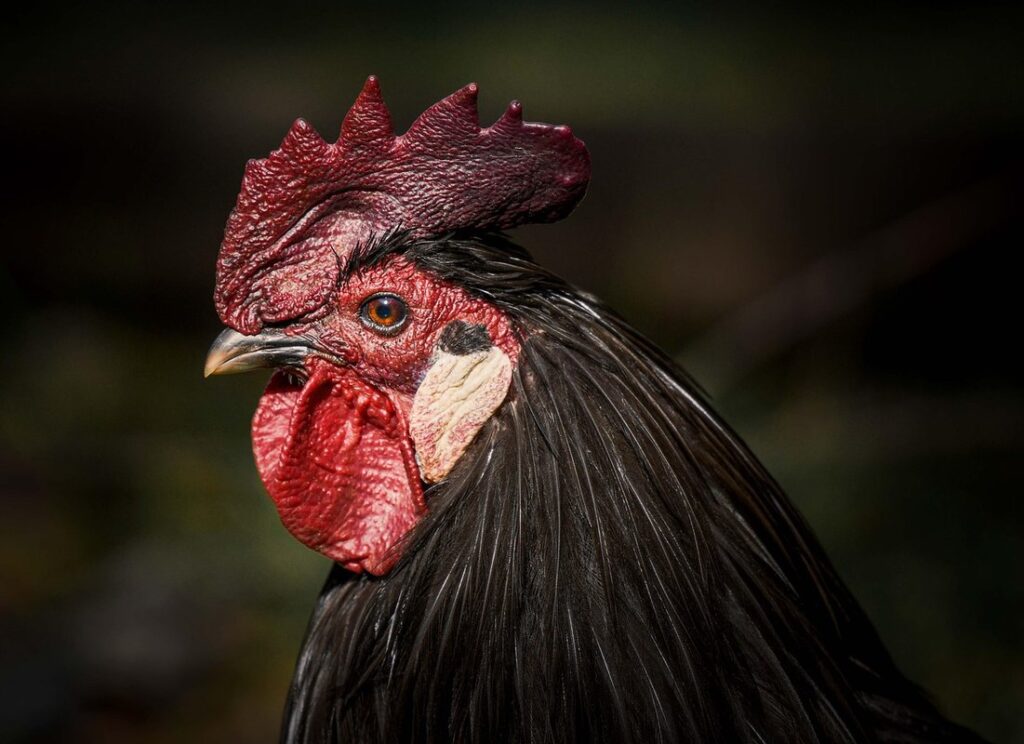
Understanding Rooster Behavior
To better address your rooster’s aggression, it’s essential to understand why he behaves in certain ways, so let’s dive into the world of rooster behavior and body language.
Normal Rooster Behavior vs. Aggression
When it comes to roosters, normal behavior can sometimes be misinterpreted as aggression. A rooster’s instinct is to protect his territory and the females within it from potential threats. This natural protective behavior often manifests as crowing loudly, flapping wings, or even chasing perceived intruders.
However, it’s essential to differentiate between this typical behavior and genuine aggression. Some signs that your rooster’s behavior has crossed the line into aggression include persistent attacking or pecking at humans, hissing or spitting when approached, or displaying an abnormal level of fearfulness around specific people or objects.
To determine whether your rooster is being aggressive or simply protective, observe its behavior over time. Note what triggers its reactions and how often they occur. If you’ve ruled out any underlying issues such as illness or injury, it may be that your rooster has developed an overly defensive nature due to factors like inadequate socialization, poor handling practices, or exposure to stressors.
Consider the specific situations in which your rooster displays aggression. For example, is it only when visitors arrive, or does it also react to family members? Understanding these patterns can help you identify potential causes and develop targeted strategies for addressing them.
Factors Contributing to Aggression in Roosters
When it comes to understanding rooster aggression towards humans, it’s essential to consider two critical factors: genetics and breeding, as well as environment and socialization. Let’s start with the role of genetics.
Certain breeds are naturally more aggressive than others due to their genetic predispositions. For instance, certain game bird breeds like the Malay or the Jungle Fowl have a reputation for being feisty and territorial. These birds may be more likely to develop aggression towards humans if they’re not handled carefully from an early age. Even within well-behaved breeds, individual roosters can exhibit more aggressive traits due to their genetic makeup.
On the other hand, environment and socialization play a significant role in shaping a rooster’s behavior. Roosters that are handled gently, introduced to new environments gradually, and exposed to humans from an early age tend to be less aggressive. This is why it’s crucial for backyard chicken keepers to handle their young birds regularly and introduce them to different surroundings to help them become confident and calm around people.
When introducing a new rooster to your flock or when handling existing ones, make sure to move slowly and calmly to avoid startling them. It’s also vital to provide ample space for exercise and enrichment activities to reduce stress levels and prevent boredom-related aggression. By understanding these factors and taking proactive steps, you can help minimize the likelihood of aggression in your roosters and create a more harmonious backyard flock.
Identifying Signs of Aggression in Roosters
When interacting with your rooster, it’s essential to recognize the warning signs that indicate he’s becoming aggressive. These subtle cues can often go unnoticed until a situation escalates.
Physical Signs of Aggression
When interacting with an aggressive rooster, it’s essential to recognize the physical signs that indicate their hostile behavior. One of the most noticeable indicators is raised hackles, which are the feathers on the back and neck area. When a rooster is agitated or threatened, these feathers will stand upright, making the bird appear larger and more intimidating.
Another physical sign of aggression is puffing out the chest, often accompanied by loud crowing or strutting. This behavior is a clear warning signal that the rooster feels threatened or cornered. Lowered wings can also be a sign of aggression in roosters, as they prepare to attack or defend themselves.
Be aware of changes in stance and posture, as an aggressive rooster may adopt a more assertive or puffed-up position, often with their legs spread wide apart. If you notice any of these physical signs, it’s crucial to maintain a safe distance and avoid direct confrontation. By recognizing these warning signals, you can take steps to prevent potential attacks and ensure a safer interaction with your rooster.
Behavioral Signs of Aggression
When interacting with a rooster that’s exhibiting aggressive behavior towards humans, it’s essential to be aware of its behavioral signs. One of the most obvious indicators is an increase in screaming or loud crowing. This can signal frustration, anxiety, or even warning calls to potential predators. If you notice your rooster consistently making excessive noise, it may be a sign that something is amiss.
Other notable behaviors include chasing or attacking humans on sight. This could be due to dominance issues, mating instincts, or simply feeling threatened. It’s crucial to recognize these displays of aggression early on and take action before the situation escalates further.
Threat displays, such as spreading wings or puffed-out feathers, are also telltale signs of a rooster preparing for battle. These visual cues indicate that your rooster feels cornered or intimidated. If you encounter any of these behaviors, it’s vital to remain calm and assess the situation carefully before intervening. By acknowledging these warning signs early on, you can take proactive steps to address the root causes of aggression and prevent harm to both humans and animals.
Causes of Rooster Aggression Towards Humans
When it comes to rooster aggression towards humans, understanding its underlying causes is crucial. In this next part, we’ll explore some common reasons why your rooster might be displaying aggressive behavior.
Stress and Anxiety
Stress and anxiety can be significant contributors to rooster aggression towards humans. When roosters feel stressed or anxious, they may become more defensive and territorial, leading them to attack people who approach their territory. So, what causes stress in roosters?
Changes in environment can be a major source of stress for roosters. For example, introducing a new rooster to an existing flock or moving a rooster from one location to another can cause significant stress. Similarly, lack of space and inadequate food and water can also contribute to stress and anxiety in roosters.
If you notice that your rooster is experiencing stress or anxiety, there are several things you can do to help alleviate the situation. First, provide plenty of space for your rooster to move around and exercise. Make sure he has access to fresh water and a balanced diet. You should also consider providing a safe and quiet area for him to retreat to when feeling stressed.
In addition to these practical measures, it’s essential to recognize and address the underlying causes of stress in your rooster. By doing so, you can help reduce aggression and create a more harmonious relationship between your rooster and yourself.
Fear and Territorialism
When it comes to rooster aggression towards humans, fear and territorial instincts play a significant role. These natural behaviors can drive aggressive behavior in roosters, especially when they feel threatened or perceive their territory as being encroached upon.
For instance, new people entering the property can trigger a rooster’s defensive instincts. Imagine you’ve just moved into a new home with your family and there’s already a rooster on the premises. When strangers arrive, the rooster may view them as intruders, leading to aggressive behavior such as loud crowing, flapping wings, or even attacking.
Similarly, other animals encroaching on territory can also spark territorial aggression in roosters. This might include dogs wandering into your yard or neighboring chickens straying onto your property. When a rooster perceives its territory as being threatened, it may become aggressive to protect what it considers its own domain.
To minimize the risk of fear and territorial-related aggression, it’s essential to establish clear boundaries with your rooster and provide a safe, secure environment for both you and your feathered companion.
Solutions for Reducing Rooster Aggression
If you’re dealing with a feisty rooster, don’t worry – we’ve got practical solutions to help reduce aggression and create a more peaceful backyard. Let’s explore some effective ways to calm your rooster down.
Training and Desensitization Techniques
When dealing with a rooster that exhibits aggression towards humans, training and desensitization techniques can be a game-changer. The key is to gradually expose the bird to various stimuli while associating these experiences with positive outcomes.
One effective method is clicker training. This involves using a small device that makes a distinct sound when pressed, allowing you to mark desired behavior and reinforce it with treats. For example, start by having your rooster associate the sound of the clicker with food rewards in a controlled environment. Gradually increase exposure to humans, beginning with quiet, calm individuals, then progressing to louder or more energetic interactions.
Positive reinforcement is also crucial. Reward your rooster for remaining calm or engaging in desired behavior, such as approaching you without aggression. Consistency and patience are vital when implementing these techniques, but the payoff can be significant. By teaching your rooster to associate humans with positive outcomes, you can reduce aggression and create a safer, more harmonious environment for both parties.
Environmental Changes
When it comes to reducing rooster aggression towards humans, one of the most effective solutions lies in making environmental changes that cater to their natural needs and behaviors. By providing a safe and comfortable environment, you can significantly reduce aggression levels.
Start by ensuring your roosters have adequate space for exercise and movement. A minimum of 2-4 square feet per bird is recommended, but ideally, they should have more room to roam freely. This will help burn off excess energy and reduce stress caused by confinement. For example, you can convert a section of your backyard into a secure and predator-proof enclosure where roosters can exercise and play.
Improving nutrition and access to food and water is also crucial in reducing aggression. A balanced diet that includes fresh fruits, vegetables, and grains will help maintain their overall health and well-being. Make sure to provide clean drinking water at all times, and consider using a feeding schedule to prevent competition for resources. Adding visual barriers or hiding places can also help reduce stress and anxiety, providing roosters with a sense of security. Consider adding plants, trees, or even a small coop with hidden areas where they can retreat when feeling overwhelmed.
By implementing these environmental changes, you’ll be taking significant steps towards creating a more harmonious living situation for both humans and roosters.
Special Considerations for Specific Situations
While every rooster is different, some situations require extra attention and special considerations to ensure a harmonious household. We’ll explore these nuances in more detail below.
Aggression in Backyard Flocks
When you notice aggression in one of your roosters towards humans, it’s essential to consider its impact on your backyard flock as a whole. A dominant and aggressive bird can create an environment of stress and fear among the other birds, leading to decreased egg production, feather pecking, and even flightiness.
To manage aggression in your flock, separating the aggressive bird from the rest is often the most effective solution. This might mean isolating it in a separate enclosure or coop until you’ve addressed the underlying issues driving its behavior. Introducing new birds can also help reduce dominance, as the addition of new personalities and dynamics can shift the pecking order.
For example, adding hens to a flock with an aggressive rooster can diffuse tension and distract him from targeting humans. Just be sure to introduce the newcomers slowly and under close supervision to avoid exacerbating the situation. By taking steps to address aggression in your backyard flock, you’ll not only protect yourself but also create a healthier environment for all your birds.
Rooster Aggression Towards Children and Pets
When it comes to roosters, many of us may not consider the potential risks they pose to our loved ones, particularly children and pets. However, it’s essential to acknowledge that even friendly-looking roosters can become aggressive if threatened or scared.
Supervising interactions between humans and roosters is crucial when there are young children around. Roosters may view kids as a threat to their territory or family, leading them to attack. To minimize this risk, ensure children understand how to approach roosters calmly and respectfully, keeping a safe distance at all times.
When it comes to pets, the situation can be more complex. Small animals like cats, dogs, and even rabbits may trigger a rooster’s natural instinct to chase or defend its territory. Keep these pets away from your rooster, either by separating them with fencing or keeping them indoors when the rooster is out. By taking these simple precautions, you can enjoy sharing your backyard space with both your feathered friend and furry companions safely.
Conclusion: Preventing and Managing Rooster Aggression
Now that we’ve identified the root causes of rooster aggression, let’s discuss practical strategies for preventing and managing aggressive behavior in your backyard flock.
Recap of Key Points
In this article, we’ve explored the complex issue of rooster aggression towards humans. To recap, the main causes of rooster aggression stem from a combination of factors, including inadequate socialization and handling, dominance hierarchy issues within the flock, and individual personality traits.
We’ve also discussed several signs that may indicate a rooster is becoming aggressive, such as sudden or repeated attacks on people, hissing, growling, or raising hackles. It’s essential to recognize these warning signs early on and take corrective action before aggression escalates into violent behavior.
As we’ve emphasized throughout the article, understanding normal rooster behavior is crucial in identifying potential issues. Roosters are natural predators and may exhibit aggressive tendencies as a defense mechanism. By recognizing the fine line between normal behavior and aggression, you can intervene promptly to prevent harm.
If you suspect your rooster is exhibiting signs of aggression, consult with a veterinarian or poultry expert for guidance on addressing these issues. With proper care, handling, and management, many cases of rooster aggression can be prevented or managed effectively.
Final Tips for Responsible Rooster Ownership
As you’ve navigated the complexities of rooster aggression towards humans, it’s essential to remember that responsible ownership is a long-term commitment. Researching breeds before purchasing a rooster is crucial, as some breeds are naturally more aggressive than others. Look into the temperament and history of the breed, and don’t be afraid to ask breeders or experts about potential aggression issues.
Providing adequate care and attention to meet a rooster’s needs can also help prevent aggression. This includes ensuring access to space, fresh water, and a balanced diet. However, it’s not just about providing basic necessities – roosters are social animals that require interaction and exercise. Spend time with your rooster daily, engaging in activities like walking or playtime.
Ultimately, knowing when to rehome or consider alternative pets is crucial. If you notice aggression issues persisting despite proper care, it may be time to consider rehoming your rooster to a more suitable owner or exploring other pet options that better fit your lifestyle and needs.
Frequently Asked Questions
Can I still train a rooster that’s already aggressive towards humans?
Training an aggressive rooster requires patience, consistency, and careful planning to avoid escalating the situation. Begin by creating a safe space for your rooster where he feels secure, and gradually introduce training techniques such as positive reinforcement and desensitization. However, if your rooster’s aggression is severe or poses a threat to human safety, consult a professional animal behaviorist for personalized guidance.
How do I manage aggressive roosters in multi-chicken households?
In households with multiple chickens, it’s crucial to establish clear pecking orders and ensure each rooster has its own territory. Provide separate roosts, feeding areas, and dust baths to reduce competition and stress among the flock. Monitor their behavior closely and intervene promptly if you notice signs of aggression or dominance struggles.
What are some warning signs that my rooster’s aggression is becoming more severe?
Watch for escalated behaviors such as feather pecking, increased crowing, or physical attacks on other chickens or humans. Pay attention to changes in your rooster’s body language, including raised hackles, aggressive posturing, or direct stares at perceived threats.
Can I keep a rooster with my young children if it’s been aggressive towards adults?
While some training and desensitization techniques can help reduce aggression, it’s crucial to consider the safety of your children. If your rooster has shown aggression towards adults, it may pose an even greater threat to younger or more vulnerable individuals. Consult a professional for guidance on safely reintroducing your rooster into family settings.
Are there any specific breeds known to be more aggressive than others?
While breed-specific tendencies can play a role in rooster behavior, individual personalities and environmental factors also contribute significantly to aggression. Research the temperament of popular backyard chicken breeds and consider factors such as size, energy level, and social needs when selecting a rooster for your flock.