
Quails are beloved birds known for their vibrant plumage and melodic calls, but these charming creatures face numerous threats in the wild. As we strive to protect and conserve our wildlife populations, it’s essential to understand the common predators that quails encounter on a daily basis – from cunning mammals like foxes and coyotes to clever birds of prey, such as hawks and owls. Even reptiles, insects, and other small animals pose a threat to these iconic birds. In this article, we’ll delve into the world of quail predators, exploring the various threats they face and providing effective conservation strategies for protecting these beautiful birds. By understanding the challenges that quails face, we can work towards preserving their populations and ensuring the long-term health of our ecosystems.
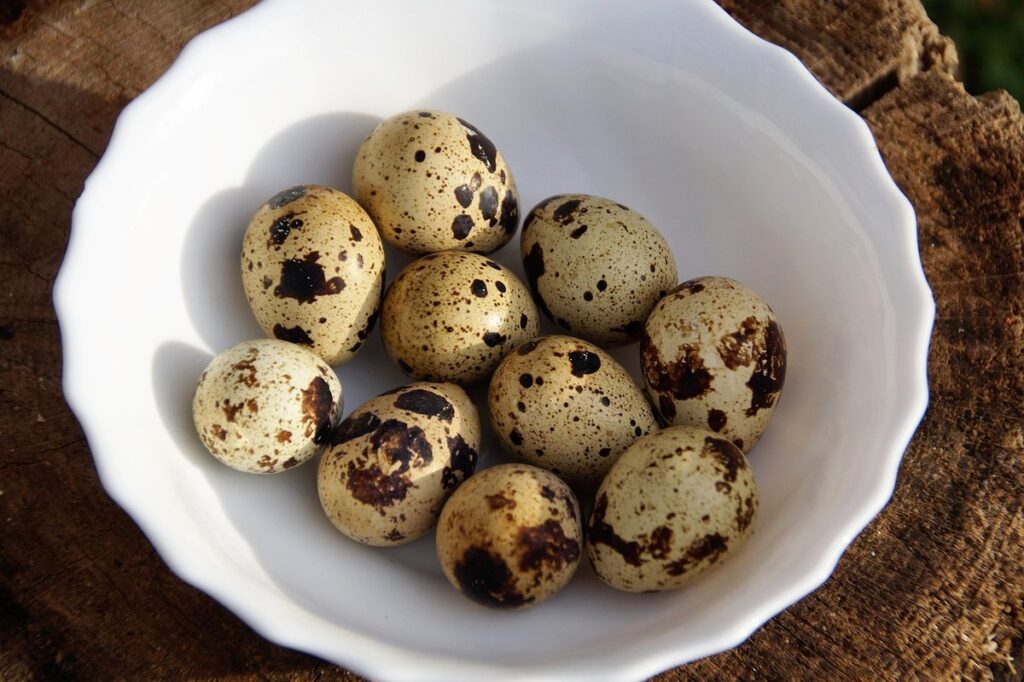
Introduction to Quail Predators
Let’s take a closer look at the predators that threaten your quail population, from birds of prey to mammals and reptiles. You’ll learn about their habits and habitats here.
Common Types of Quail Predators
When it comes to quail predators, understanding their diversity is crucial for developing effective conservation strategies. The most common types of quail predators can be categorized into four main groups: mammals, birds, reptiles, and insects.
Mammals such as foxes, coyotes, and bobcats are known to prey on quails. These carnivores often hunt in packs, using their sharp senses to locate and capture unsuspecting quail flocks. Farmers and hunters can take steps to prevent mammalian predation by installing fencing around their properties or using deterrents like noise-making devices.
Bird predators include hawks, owls, and eagles, which are natural hunters that feed on small bird species, including quails. To minimize avian predation, landowners can plant vegetation that provides cover for quails during nesting periods or use netting to protect vulnerable areas.
Reptiles like snakes and lizards also prey on quails, especially young or injured birds. To control reptilian predators, farmers may consider using snake-proof fencing around their properties or removing debris and weeds that provide hiding spots for these predators.
Economic Impact of Quail Predation
The economic impact of quail predation is a significant concern for many farmers and landowners. Quail are an important food source for many species, but their populations can be decimated by predators such as coyotes, bobcats, and hawks. When quail numbers decline, it can have far-reaching consequences for agriculture and wildlife management.
For example, in the United States alone, it’s estimated that quail hunting generates over $1 billion annually in economic revenue. However, if predator populations aren’t managed effectively, this income can be lost due to declining quail populations. In addition, quail play a crucial role in maintaining healthy ecosystems by controlling pest insects and dispersing seeds. By preying on these birds, predators can disrupt the delicate balance of local ecosystems.
To mitigate the effects of quail predation, landowners and farmers can work together with wildlife managers to develop effective predator control strategies. This might involve using non-lethal deterrents such as motion-activated sprinklers or installing fencing around vulnerable areas. By taking proactive steps to manage predator populations, we can help protect these valuable birds and preserve the economic and ecological benefits they provide.
Mammalian Predators
When it comes to quail predators, some of the most formidable threats come from mammals like coyotes and foxes that are skilled hunters.
These cunning animals often lie in wait for unsuspecting quail to wander into their territory.
Coyotes: The Primary Predator
Coyotes are a primary predator of quail, and understanding their behavior, habitat, and hunting strategies is crucial to protecting these birds. Coyotes are highly adaptable and can be found in a wide range of habitats, from deserts to forests, making them a significant threat to quail populations. They are skilled hunters, using their keen senses to track and catch their prey.
When it comes to hunting quail, coyotes often use a stalk-and-pounce strategy, relying on stealth and surprise to get close to their target. They may also use cover such as vegetation or rocks to get within striking distance. In addition to individual coyote attacks, packs of coyotes can also pose a significant threat to quail populations.
If you’re a quail enthusiast or landowner, it’s essential to be aware of coyote activity in your area and take steps to protect your birds. Consider using coyote-deterrent measures such as guard animals (like donkeys or llamas), fencing, or repellents to keep these predators at bay. By understanding and addressing the threat posed by coyotes, you can help safeguard quail populations and preserve their habitat for future generations.
Foxes: Stealthy Hunters
Foxes are one of the most cunning and stealthy predators of quail populations. Their slender builds and reddish-orange fur allow them to blend seamlessly into their surroundings, making them expert hunters. Foxes have a keen sense of smell and exceptional hearing, enabling them to locate quail nests and young birds with ease.
Their hunting tactics often involve stalking their prey over long distances, using cover such as bushes or rocks to get close before pouncing. This methodical approach allows foxes to catch unsuspecting quail off guard, especially during the vulnerable nesting season. Foxes are also opportunistic hunters, preying on injured or weak birds that may be more easily caught.
As a result of their hunting prowess, fox populations can have a significant impact on local quail numbers. In areas where foxes are prevalent, it’s not uncommon to see a decline in quail populations over time. However, by taking proactive measures such as controlling fox numbers through humane deterrents or implementing conservation strategies, you can help mitigate the effects of these stealthy predators and protect your quail population.
It’s worth noting that different species of foxes exhibit varying levels of aggression towards quail, with some being more successful hunters than others. Understanding the local ecosystem and adapting your conservation efforts accordingly can be a key factor in maintaining healthy quail populations.
Bobcats: Rare but Devastating Predators
Bobcats are one of the most elusive and effective predators of quail populations. While they may not be as common as other predators, their impact on quail numbers can be significant. In fact, studies have shown that bobcat predation can account for up to 20% of quail mortality in certain regions.
So, how do bobcats hunt quail? These skilled predators rely on stealth and agility to stalk their prey. They typically hunt during dawn or dusk when quail are most active, using their sharp hearing and vision to locate unsuspecting birds. Once they’ve pinpointed a target, they’ll use their powerful legs to pounce on their quarry.
It’s worth noting that bobcats tend to prefer areas with dense vegetation, such as brushlands or scrub habitats, where quail feel safe foraging. As a result, landowners and wildlife managers should be aware of the presence of bobcats in these areas and take steps to mitigate their impact on quail populations. For example, creating quail-friendly habitat through managed burns or controlled grazing can help reduce the number of quail available to bobcats.
Avian Predators
Let’s take a closer look at some of the most common avian predators that threaten your quail flock, from hawks to owls and beyond. These birds are skilled hunters, posing a significant threat to your feathered friends.
Hawks and Eagles: Birds of Prey
Hawks and eagles are two of the most formidable predators of quail populations. These birds of prey possess exceptional hunting skills, speed, and agility that make them a significant threat to quailing families. Hawks, such as the Red-tailed Hawk and the Swainson’s Hawk, have incredible vision, allowing them to spot their prey from great heights.
Eagles, particularly the Bald Eagle, are known for their powerful talons and strong wingspans, making them capable of swooping down on unsuspecting quail with ease. When hunting quail, hawks and eagles often use a “stoop” technique, diving rapidly towards their prey before snatching it up in mid-air.
The impact of these predators can be devastating, leading to significant declines in quail populations. To mitigate the effects of hawk and eagle predation, consider implementing bird-scaring devices or noise-making deterrents around your property. Additionally, maintaining a diverse landscape with cover crops and native vegetation can help provide quail with hiding places and escape routes from these predators.
Owls: Nocturnal Hunters
When it comes to nocturnal hunters, owls are a crucial component of the ecosystem. These birds play a vital role in controlling small mammal populations, which indirectly affects quail numbers. Owls primarily feed on rodents, rabbits, and other small mammals that can compete with quails for resources.
In fact, studies have shown that owl predation can maintain rodent populations within a certain range, preventing them from overgrazing vegetation and depleting food sources for quails. For example, a study in the southwestern United States found that great horned owls and barn owls together reduced rodent numbers by 70% on average.
While owls don’t directly target quails, their impact on small mammal populations has a ripple effect. If owl predation is too high or low, it can disrupt the balance of the ecosystem and affect quail numbers indirectly. To attract owls to your property and encourage their presence, consider creating habitat diversity with trees, shrubs, and grasslands that provide shelter and hunting grounds for these nocturnal hunters. This can also help maintain a healthy balance between rodent populations and other wildlife species.
Reptilian and Amphibian Predators
When it comes to quail predators, reptiles and amphibians pose a significant threat to these birds. We’ll examine some of the most common species in this category that you should be aware of.
Snakes: Stealthy Stalkers
Snakes are one of the most stealthy and effective predators of quail populations. These slithering hunters have evolved to become masters of ambush, using their agility and camouflage abilities to sneak up on unsuspecting quails. One of the primary reasons snakes are successful at hunting quail is because they inhabit many of the same habitats as their prey.
In fact, studies have shown that in areas where snakes and quail coexist, snake populations can reduce quail numbers by up to 50%. This is especially concerning for farmers and landowners who rely on quails for pest control. To minimize the impact of snakes on your quail population, it’s essential to understand their hunting strategies. For example, many species of snakes are most active during dawn and dusk when quails are most likely to be foraging.
To outsmart these stealthy predators, consider implementing habitat modifications such as removing cover vegetation or using snake-proof fencing around enclosures. Additionally, keeping a clean and well-maintained environment can help discourage snakes from inhabiting the area in the first place.
Lizards: Small but Effective Predators
Lizards are often underestimated as quail predators due to their small size, but they can be highly effective hunters. In fact, some lizard species have evolved specialized hunting tactics that allow them to catch prey much larger than themselves.
For example, the collared lizard (Crotaphytus collaris) has been known to chase down and kill quails in open fields. These lizards are also skilled at ambush hunting, using their camouflage and agility to surprise unsuspecting birds. In addition to these individual predators, lizard populations can have a significant impact on quail populations as a whole.
In areas where lizards are abundant, it’s not uncommon for them to make up a substantial portion of a quail’s diet. If you’re concerned about the impact of lizards on your quail population, consider conducting a thorough survey of your property to determine their presence and abundance. You can also take steps to manage lizard populations through habitat modification or other non-lethal methods.
Some species of lizards are more voracious predators than others, so it’s essential to identify which species are present in your area before implementing any control measures.
Insectivorous Predators
Quail are preyed upon by a variety of insectivorous predators, from snakes and lizards to birds and mammals, all of which are skilled hunters. These stealthy feeders often go unnoticed until it’s too late for your quail flock.
Birds of Prey vs. Insects: The Quail Connection
When it comes to quail predators, many of us think immediately about larger birds of prey like hawks and owls. However, there’s another group of insectivores that play a crucial role in controlling pest populations: birds of prey. These birds may seem like natural allies for quails, but their diet often overlaps with the quail population.
Some examples of bird species that can be both predators and insectivores include falcons, kestrels, and merlins. These birds feed on insects, which helps to regulate pest populations. However, they also occasionally prey on small birds like quails. This dual role highlights how the natural balance of ecosystems can sometimes seem counterintuitive.
The key takeaway here is that understanding the complex relationships between predators in your local ecosystem is essential for managing quail populations effectively. By recognizing both the benefits and drawbacks of insectivorous birds, you can better appreciate the delicate interplay at work in your backyard or surrounding wildlife areas.
Ground-Nesting Bees as Unlikely Predators
When it comes to quail predators, many of us think of birds of prey, coyotes, and snakes. However, a more unlikely predator is making headlines: ground-nesting bees. These tiny creatures may seem harmless, but they can pose a threat to quails, especially during breeding season.
Ground-nesting bees, such as carpenter bees and bumblebees, are important pollinators, but their nesting habits can sometimes conflict with those of quails. Female ground-nesting bees often dig complex underground nests using plant material and saliva, which can be attractive to curious quail chicks searching for food or shelter.
While the threat is relatively low compared to other predators, it’s essential for quail enthusiasts and landowners to be aware of this unique relationship. If you’re concerned about protecting your quails from ground-nesting bees, consider relocating nests away from areas where quails are present. Another solution is to provide bee-friendly habitats elsewhere on your property, encouraging these beneficial pollinators to nest in areas less accessible to quail.
Keep in mind that it’s not a matter of eradicating ground-nesting bees entirely – they play a vital role in ecosystems as pollinators. By understanding and respecting their habits, we can coexist peacefully with these tiny predators while safeguarding our quails’ well-being.
Conservation Efforts for Quail Populations
While it’s essential to understand the predators threatening quail populations, conservation efforts are also underway to protect these birds and their habitats. Let’s take a look at some of the initiatives in place.
Habitat Restoration: A Crucial Step
Habitat restoration is a crucial step towards quail conservation. Quails rely heavily on suitable habitats to survive and thrive. Unfortunately, human activities such as deforestation, urbanization, and intensive agriculture have led to widespread habitat destruction and fragmentation.
To create and maintain suitable habitats for quails, we need to focus on restoring native vegetation, improving soil quality, and enhancing water resources. One effective strategy is to plant native grasses, shrubs, and trees that provide shelter, food, and breeding grounds for quails. For example, the California Quail relies heavily on scrublands and chaparral habitats, which can be restored through controlled burns, seed dispersal, and careful management of invasive species.
In addition to restoring vegetation, we must also address soil degradation and erosion. This can be done by implementing sustainable land-use practices, such as rotational grazing and contour farming. By creating a network of interconnected habitats, we can provide quails with the necessary resources to survive and adapt to changing environmental conditions.
Coexistence with Predators: Strategies and Techniques
When it comes to coexisting with predators, many quail enthusiasts feel torn between protecting their feathered friends and allowing nature to take its course. However, there are effective strategies that can help minimize the impact of predation on your quail population.
One key approach is to use deterrent methods to discourage predators from visiting your property in the first place. For instance, you can install motion-activated sprinklers or ultrasonic repellent devices that emit sounds undetectable to humans but unpleasant for wildlife. These non-lethal measures can be an effective way to protect your quail without causing harm to the predators.
Another option is to implement humane control measures when necessary. This might involve using fencing to enclose your quail enclosure and preventing predators from accessing it. You can also take steps to remove attractants such as food sources and shelter, making your property less appealing to predators.
In addition to these measures, it’s essential to be mindful of the time of day and season when introducing new birds to your enclosure. For example, if you’re releasing quail in areas with high predator activity during breeding seasons, you may want to consider a more controlled introduction process or alternative release sites. By taking proactive steps to coexist with predators, you can help ensure the long-term health and stability of your quail population.
Frequently Asked Questions
Can I completely eliminate quail predators from my property?
While it’s not possible to completely eradicate predators, you can take steps to reduce their presence through habitat modification and conservation efforts. Focus on creating a balanced ecosystem that minimizes the risk of predation.
How do I identify the type of predator affecting my quail population?
Observe your quails’ behavior and look for signs of predation, such as feathers or eggshells scattered around the area. Consider consulting with local wildlife experts to help determine the specific predator(s) you’re dealing with.
What’s the best time of day to monitor quail activity and potential predators?
Early morning and late afternoon are typically the most active periods for many quail predators, including birds of prey and mammals. Monitoring during these times can increase your chances of observing predation behavior.
Can I trap or remove predators from my property without causing more harm?
While it may be tempting to eliminate predators through trapping or removal, this approach often has unintended consequences. Instead, consider non-lethal deterrents, such as motion-activated sprinklers or ultrasonic repellent devices, to discourage predators from your property.
How do I balance conservation efforts with the presence of natural predators in my quail population?
Effective conservation involves understanding and managing both human-induced threats and natural predation pressures. By implementing a combination of habitat restoration, predator deterrents, and monitoring programs, you can strike a balance that supports quail populations while respecting ecosystem dynamics.