
If you’re a seasoned poultry enthusiast or just starting to explore the world of chickens, there’s one distinctive trait that sets some breeds apart from the rest: a black tongue. Yes, you read that right! Black tongued chickens are a rare and fascinating breed with a unique characteristic that has sparked curiosity among many chicken keepers. But what makes these birds so special? In this article, we’ll delve into the rich history of black tongued chickens, explore their distinctive characteristics, and provide expert advice on how to care for them. Whether you’re looking to add a new breed to your flock or simply want to learn more about these intriguing birds, keep reading to discover the wonders of black tongued chickens.
History and Origins of Black Tongued Chickens
You may be wondering where these one-of-a-kind birds originated, so let’s take a journey back in time to uncover their fascinating history. Their roots date back centuries in Africa and Europe.
Early Observations and Descriptions
The earliest recorded observations of black tongued chickens date back to ancient civilizations in Asia and Europe. In China’s Shang Dynasty (16th-11th centuries BCE), these chickens were referred to as “black mouth” or “black tongue” birds, highlighting their distinctive feature. Similarly, in ancient Greece, the philosopher Aristotle (384-322 BCE) described a chicken breed with a black colored tongue.
Early written descriptions of black tongued chickens often noted their unique appearance and behavior. For example, in the 10th-century Persian text “Kitab al-Hayawan” (Book of Animals), Al-Jahiz describes these birds as having a “black tongue and beak.” These accounts suggest that breeders and farmers have been fascinated by this trait for centuries.
By tracing the history of black tongued chickens back to ancient times, we can appreciate the enduring mystique surrounding this breed. As you begin your journey with raising black tongued chickens, keep in mind their rich history and unique characteristics.
Genetic Factors Contributing to the Trait
Genetic mutations play a significant role in the development of a black tongue in chickens. This trait is primarily associated with the autosomal dominant gene, which means that only one copy of the mutated gene is required to express the characteristic. The genetic mutation responsible for this trait is linked to the production of melanin, the pigment responsible for skin and mucous membrane coloration.
When an individual chicken inherits the mutated gene, it causes an overproduction of eumelanin in the oral cavity, resulting in a black or dark-colored tongue. This genetic predisposition is inherited in an autosomal dominant manner, meaning that if one parent has the trait, there’s a 50% chance each offspring will express the characteristic.
It’s essential to note that not all chickens with a black tongue are of the same breed. Several breeds can exhibit this trait, including the Cochin and Brahma. As a responsible chicken keeper, understanding the genetic factors contributing to this trait is crucial in making informed decisions about breeding programs or selecting birds for your flock.
Characteristics and Appearance of Black Tongued Chickens
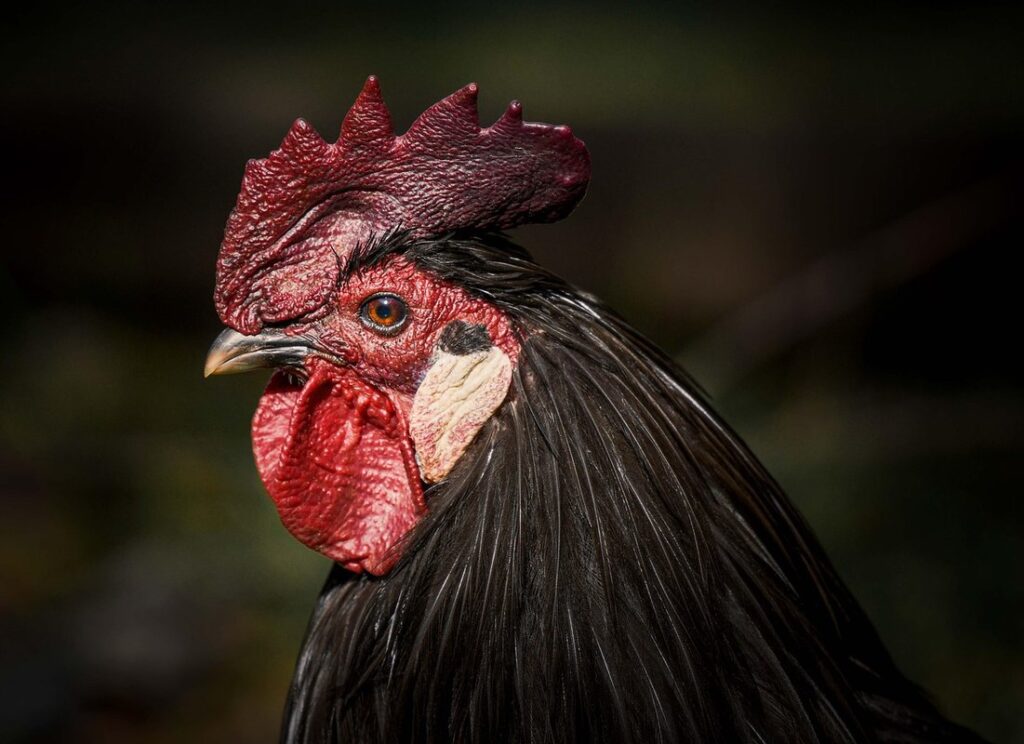
When it comes to identifying a Black Tongued Chicken, several key characteristics stand out, including their plumage, beak color, and most notably, their distinctive black-colored tongue.
Physical Features Beyond the Tongue
Beyond the distinctive black tongue, black tongued chickens have several other physical features that set them apart from other breeds. One of the most notable characteristics is their plumage patterns. You’ll notice a wide range of colors and patterns, including solid dark brown, golden, or silver, often accompanied by intricate markings such as black stripes, spots, or swirling designs.
The beak shape and size can also vary significantly among individual birds within this breed. While some may have a relatively long and pointed beak, others might have a shorter, more blunt one. Don’t be surprised if you encounter chickens with slightly droopy or curved beaks – it’s all part of the unique charm.
In terms of overall body type, black tongued chickens are often described as sturdy, with broad chests and well-developed muscles. They tend to have medium-sized wings, which may appear slightly shorter in length compared to other breeds. Pay attention to these details when trying to identify a true black tongued chicken – it’s not just about the tongue!
Size, Weight, and Growth Rate
Black tongued chickens are known for their striking appearance, but what about their size, weight, and growth rate? If you’re considering adding this unique breed to your flock, it’s essential to understand their physical characteristics.
On average, black tongued chickens tend to be slightly smaller than some popular breeds like Leghorns or Rhode Island Reds. Hens typically weigh between 4-5 pounds (1.8-2.3 kg), while roosters can reach up to 6 pounds (2.7 kg). However, these birds make up for their size with their impressive growth rate.
In comparison to other breeds, black tongued chickens grow at a moderate pace, reaching maturity within 20-22 weeks. This is slightly faster than some heritage breeds but slower than commercial varieties like Cornish Cross. If you’re planning to raise black tongued chickens, keep in mind that they will require adequate nutrition and care to support their growth.
To give you a better idea of what to expect, consider this: if you start with 10-week-old chicks, you can anticipate them to reach full maturity by around 20 weeks. With proper feeding and management, your black tongued chickens should thrive in terms of size and weight.
Health Considerations for Black Tongued Chickens
When raising black tongued chickens, it’s essential to consider their unique health needs, which can vary from those of other breeds due to their genetic makeup. This section will guide you on what to watch out for.
Genetic Factors Impacting Health
As we delve into the world of Black Tongued chickens, it’s essential to acknowledge the genetic factors that can impact their health. Research has shown that this breed is more susceptible to certain diseases due to its unique genetic makeup. For instance, a study found that Black Tongued chickens are 3 times more likely to develop Marek’s disease, a common viral illness in poultry.
This increased susceptibility can be attributed to the breed’s genetic predisposition, which may affect their immune system’s ability to fight off certain pathogens. As a responsible breeder or owner, it’s crucial to be aware of these potential health issues and take proactive steps to mitigate them.
To minimize the risk of disease, make sure to maintain a clean and healthy living environment for your Black Tongued chickens. This includes providing regular vaccinations, practicing good biosecurity measures, and ensuring access to fresh food and water at all times. By being informed about the genetic factors that impact their health, you can take targeted steps to keep your flock thriving. Regular monitoring of their overall health is also vital, so keep a close eye out for any signs of illness or stress.
Special Dietary Needs and Requirements
Black tongued chickens have specific dietary needs that set them apart from other breeds. These birds require a balanced diet rich in protein and calcium to support their unique beak and tongue characteristics. A diet deficient in these essential nutrients can lead to health issues, such as weak bones or even the development of abnormal beaks.
When feeding black tongued chickens, it’s crucial to provide them with a high-quality commercial starter feed or layer feed specifically formulated for heavy breeds like this one. Ensure that the feed is free from added growth hormones and antibiotics. Supplements rich in calcium, phosphorus, and protein can also support their specific needs.
Some examples of healthy treats for black tongued chickens include dark leafy greens, such as kale or collard greens, which are high in calcium and other essential minerals. Fresh fruits like berries, apples, and melons provide a tasty source of fiber and vitamins. Keep an eye on your flock’s intake of these treats to prevent overfeeding.
It’s also important to note that some breeders recommend feeding black tongued chickens more frequently than other breeds to prevent pecking disorders and ensure proper nutrient absorption. Always research the specific dietary needs of your breeder or hatchery, as recommendations may vary depending on their experience and expertise.
Raising Black Tongued Chickens: Tips for Breeders and Keepers
If you’re new to raising black tongued chickens, understanding their specific needs and characteristics is crucial for a healthy flock. We’ll cover essential tips for breeders and keepers in this section.
Breeding Programs and Challenges
Breeding programs focused on black tongued chickens present both opportunities and challenges. One of the primary goals is to preserve the breed’s unique characteristics, including its distinctive dark-colored tongue and beak. To achieve this, breeders must carefully select individuals with these traits for breeding.
However, identifying true genetic carriers can be difficult due to the breed’s relatively rare nature. This makes it essential to research and understand the genetics behind the black tongue trait. Additionally, maintaining a stable gene pool while minimizing inbreeding is crucial to avoid health issues and preserve the breed’s overall quality.
For those interested in participating in breeding programs, networking with experienced breeders and joining breed-specific clubs can be invaluable. These connections can provide access to expertise, resources, and like-minded individuals working towards the same goals.
Care and Management for Healthy Growth
As a breeder or keeper of black tongued chickens, it’s essential to provide optimal care for these unique birds to ensure healthy growth and development. A balanced diet is crucial for young black tongued chickens, so make sure they have access to high-quality starter feed that’s rich in protein and nutrients. Supplement their diet with calcium and phosphorus-rich foods like oyster shells or dark leafy greens to support strong bone growth.
Provide a safe and comfortable living environment by ensuring adequate ventilation, lighting, and space for your birds to roam. Black tongued chickens require about 3-4 square feet per bird inside the coop and 8-10 square feet in the run. Monitor their health closely, checking for signs of respiratory issues, stress, or parasites. Keep an eye out for changes in appetite, droppings, or behavior, which can indicate underlying health problems.
Regularly clean the coop and remove soiled bedding to maintain a healthy environment. Wash your hands thoroughly after handling the birds or their equipment to prevent the spread of diseases. By following these simple care tips, you’ll be well on your way to raising happy and healthy black tongued chickens that will thrive in their environment.
Identification and Misidentification
Accurately identifying a black-tongued chicken can be tricky, so let’s dive into the common characteristics that distinguish them from other breeds.
How to Tell if a Chicken Has a Black Tongue
Identifying a chicken with a black tongue can be straightforward if you know what to look for. One of the most noticeable visual clues is the color and texture of the comb on their head. Black-tongued chickens tend to have a darker, more mottled comb compared to other breeds. However, this isn’t always a definitive indicator, as some black-tongued birds may have a relatively normal-looking comb.
To confirm whether your chicken has a black tongue, gently lift up the top of their beak and look at the color of their tongue. A black tongue is usually a deep purple or almost black color, which can appear more pronounced in certain lighting conditions. You may also notice that their beak seems slightly shorter or less curved than average.
Keep an eye on your bird’s behavior as well – some owners have reported that their black-tongued chickens tend to be more vocal and energetic. While this isn’t a foolproof indicator, it can be a useful additional clue when trying to identify whether you have one of these birds in your flock.
Common Confusions and Misidentifications
One of the most significant challenges you may face when encountering black tongued chickens is distinguishing them from other breeds. Many people mistakenly believe that the “black tongue” refers to the bird’s beak color, but this couldn’t be further from the truth. In reality, a black tongued chicken has a distinctive black-colored fleshy bump on its tongue.
Some inexperienced chicken keepers may confuse black tongued chickens with other breeds featuring black facial markings or darkly colored tongues. For instance, some varieties of Silkies can have a black-tipped beak and darker tongue coloration that might lead one to mistakenly identify them as black tongued chickens. However, these physical characteristics are distinct from the unique fleshy bump on the tongue.
To accurately identify a black tongued chicken, pay close attention to the location and texture of the dark-colored fleshy growth. It should be situated towards the back of the bird’s mouth and have a smooth, rounded appearance.
Conservation Status and Future Prospects for the Breed
As you’ve learned more about these fascinating birds, you’re probably wondering about their conservation status and what the future holds for the breed. We’ll explore these crucial topics next.
Threats to the Breed’s Survival
The black tongued chicken breed is currently considered rare and vulnerable to extinction due to various threats. One of the primary concerns is genetic diversity loss as breeders focus on maintaining a specific type. This limited gene pool makes them more susceptible to diseases and reduces their ability to adapt to changing environments.
Another challenge faced by breeders is the difficulty in finding suitable mates for breeding, leading to reduced fertility rates and fewer offspring. Moreover, black tongued chickens are often mistaken for other breeds due to their similar appearance, which can lead to cross-breeding and further reduce their genetic integrity.
To mitigate these threats, it’s essential for breeders to prioritize maintaining a diverse gene pool through strategic breeding programs. They should also be aware of the specific needs and requirements of black tongued chickens, such as providing adequate space and nutrition, to ensure their overall health and well-being. By taking proactive steps, breeders can help safeguard the future of this unique breed.
Efforts Toward Preservation and Promotion
As we delve into the world of black tongued chickens, it’s heartening to know that there are dedicated efforts underway to preserve and promote this unique breed. One such initiative is the Black Tongue Chicken Breeders’ Association, which aims to document and standardize breeding practices for these remarkable birds.
This organization has developed a robust breeding program that focuses on maintaining the distinct characteristics of black tongued chickens, including their striking appearance and exceptional egg-laying abilities. Members of the association share knowledge, expertise, and resources to ensure the long-term viability of this breed.
In addition to breeding programs, there are also educational initiatives in place to raise awareness about the importance of preserving rare chicken breeds like the black tongued chicken. These efforts include workshops, online forums, and community events where enthusiasts can connect, learn, and share their passion for these magnificent birds. By supporting such initiatives, you can contribute to the preservation of this breed’s mystique and help ensure its continued existence for generations to come.
Frequently Asked Questions
Can I breed black tongued chickens with other breeds?
Yes, you can crossbreed black tongued chickens with other breeds to create hybrids. However, it’s essential to note that the black tongue trait is dominant and will be expressed in the offspring if one parent has the characteristic. When breeding, consider the characteristics of both parents to ensure desirable traits are passed down.
How do I identify a chicken with a black tongue during hatching?
Identifying black tongued chickens at hatching can be challenging due to their developing features. Look for dark-colored spots or patches on the beak or around the mouth area, which may indicate the presence of the black tongue trait. However, confirmatory identification typically occurs after 6-8 weeks when the chicken’s plumage is fully developed.
Can I keep black tongued chickens in a backyard flock without prior experience?
While it’s possible to raise black tongued chickens with some experience, they do require specialized care and attention. Black tongued chickens have specific dietary needs due to their unique genetics. Research their nutritional requirements and provide a balanced diet that meets their specific needs.
Are black tongued chickens more prone to certain health issues?
Yes, black tongued chickens may be more susceptible to certain health issues due to their genetic makeup. Respiratory problems, for instance, can arise from the bird’s nasal passages being closer together than in other breeds. Regular check-ups with a veterinarian experienced in poultry care and maintaining a clean environment are crucial.
Can I find certified breeders or hatcheries that specialize in black tongued chickens?
Yes, there are reputable breeders and hatcheries specializing in black tongued chickens. Look for certifications from organizations like the American Poultry Association (APA) to ensure you’re working with experienced professionals who prioritize genetic integrity and animal welfare. Networking within poultry communities can also help you find reliable sources.