
Are you looking to bring home a stunning Wyandotte chicken, but not sure if this breed is right for you? Or perhaps you’re already a proud owner and want to learn more about your feathered friends’ unique characteristics. Either way, understanding the origins, physical traits, temperament, and specific care needs of the Wyandotte breed is crucial in making informed decisions.
In this comprehensive guide, we’ll delve into the fascinating world of Wyandottes, exploring their rich history, distinct appearance, and what makes them such lovable companions. From their striking plumage to their friendly disposition, we’ll cover all aspects that make the Wyandotte an excellent choice for backyard flocks. Whether you’re a seasoned chicken keeper or just starting out, this article aims to provide valuable insights into the world of Wyandottes.
Origins and History
The Wyandotte breed has a rich history that dates back to the 19th century, when it was developed from various British breeds. Let’s explore how its origins have shaped its unique characteristics today.
Early Development and Purpose
The Wyandotte breed has its roots in the 19th century, developed in the United States as a companion bird known for its vibrant plumage. It’s fascinating to note that this breed was created with the sole intention of being a show-stopping pet, and it still holds true today.
Developed from various breeds, including the American Spangled and the Silver Duckwing, the Wyandotte was specifically designed to showcase striking color patterns and unique feathering. Breeders aimed to create a bird that would captivate audiences with its appearance alone. The result was a breed that boasts an impressive array of colors, including silver, gold, and blue.
One key aspect of the Wyandotte’s development is its origins as a show bird. From its inception, this breed has been bred for its visual appeal, making it perfect for owners who want to showcase their feathered friends in competitions or simply admire their beauty at home.
Evolution and Standardization
The Wyandotte breed has undergone significant transformations since its origins. Through centuries of selective breeding, breeders have refined the breed’s characteristics to meet specific standards. This process, known as standardization, has led to the distinct appearance and temperament we associate with the breed today.
As early as the 19th century, Wyandottes were exhibited in poultry shows, showcasing their impressive plumage and unique feathering patterns. However, it wasn’t until the establishment of the American Poultry Association (APA) in 1874 that breed standards began to take shape. Breeders worked together to create a comprehensive set of guidelines for breeding Wyandottes, focusing on key characteristics such as:
• Feather pattern: Breeders aimed to develop a consistent and visually appealing feather pattern, with specific attention paid to the hackle, saddle, and wing feathers.
• Plumage color: Various shades of plumage were developed, including silver-laced, golden-spangled, and blue-fringed, each contributing to the breed’s distinctive appearance.
These early breeders made concerted efforts to standardize the Wyandotte’s characteristics, laying the groundwork for the modern breed we know today. By adopting a standardized approach to breeding, they ensured that each bird shared a common set of attributes, setting the stage for continued refinement and improvement.
Physical Characteristics
When it comes to identifying a Wyandotte, their physical characteristics are truly one of a kind. Let’s take a closer look at the breed’s unique plumage patterns and distinctive features.
Plumage Varieties and Patterns
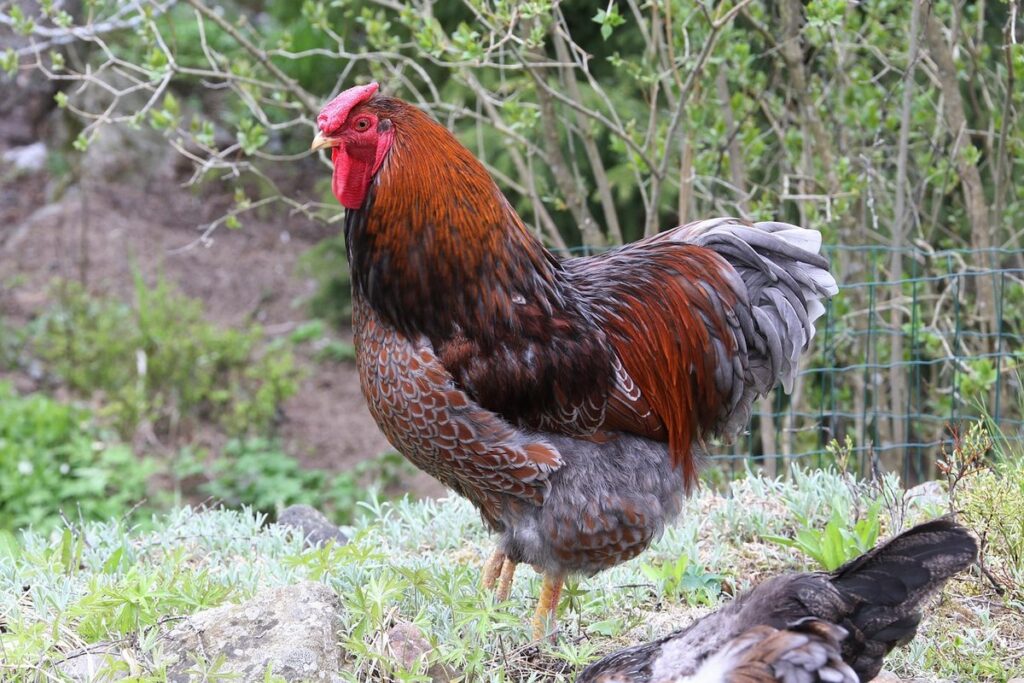
The Wyandotte breed is renowned for its vibrant and varied plumage, which sets it apart from other breeds. You’ll notice a range of stunning colors and patterns, including the classic silver, white, and gold varieties. But that’s not all – these birds also boast intricate markings that add to their unique charm.
One of the most striking aspects of the Wyandotte’s plumage is its ability to display subtle shading and gradations of color. For example, a bird with a silver base coat may have delicate golden or copper undertones, while a white Wyandotte might exhibit a subtle sheen that catches the light. When choosing a Wyandotte, look for these nuanced details – they can make all the difference in bringing out your bird’s individual personality.
In terms of specific plumage patterns, you’ll find Wyandottes with everything from simple solid colors to intricate lacework designs. Some birds may have small, rounded patches of color on their backs or tails, while others might display larger, more dramatic markings that sweep across their chests or bellies. Whatever the pattern, it’s sure to be eye-catching and add a touch of drama to your flock.
Beak and Eye Coloration
One of the most distinctive features of the Wyandotte breed is its vibrant beak and eye coloration. As you gaze at a Wyandotte’s face, you’ll notice that their beaks come in a variety of colors, including red, yellow, black, and white. But what really sets them apart are their eyes – bright, clear, and shining like jewels. The breed standard allows for three main eye color combinations: blue, bay (a brownish-blue shade), and the rare but striking gold.
Wyandottes’ beak colors can range from a deep, rich red to a more pastel yellow or even white. Some owners prefer the more dramatic look of a solid-colored beak, while others like the subtle charm of a marbled or striped pattern. When selecting a Wyandotte, consider what beak color you find most striking – will it complement your flock’s overall appearance or create a stunning visual contrast?
Temperament and Personality
When it comes to Wyandotte temperament, one of the breed’s most charming traits is its friendly, outgoing personality that makes them a great addition to many families. Let’s take a closer look at what you can expect from their behavior.
Friendly and Affectionate Nature
Wyandottes are renowned for their gentle and social nature, making them excellent pets for families and experienced bird owners alike. One of the most distinctive characteristics of this breed is their friendly demeanor, which makes them a joy to be around. They are known to form strong bonds with their owners, often becoming devoted companions.
In fact, Wyandottes are one of the few breeds that are suitable for households with children due to their calm and patient nature. They are also highly social birds, thriving on interaction and attention from their human family members. This social aspect makes them an excellent choice for experienced bird owners who can devote time and attention to their pets.
To get the most out of your Wyandotte’s friendly and affectionate nature, it’s essential to provide regular interaction and exercise. Spend quality time with your pet, engaging in activities such as playing with toys or teaching tricks. By doing so, you’ll strengthen your bond and encourage a happy and well-adjusted bird.
Intelligence and Trainability
The Wyandotte breed is known for its exceptional intelligence and trainability. This trait makes them highly responsive to their owners’ commands and allows for a strong bond to form between the bird and its companion. In fact, with consistent training and positive reinforcement, Wyandottes can learn a wide range of tricks and behaviors.
One of the key characteristics of this breed is their ability to mimic human speech and other sounds they hear in their environment. Some owners have even reported that their Wyandottes will repeat entire phrases or songs, demonstrating their impressive cognitive abilities. To tap into this intelligence, it’s essential to establish a strong training routine from an early age.
Here are some practical tips for training your Wyandotte:
* Start with simple commands such as “step up” and “whisper”
* Use positive reinforcement techniques like treats and praise
* Be consistent and patient, as Wyandottes can be prone to distractions
* Gradually increase the difficulty of tasks and tricks
By following these guidelines and leveraging their intelligence, you can develop a strong relationship with your Wyandotte and enjoy the many rewards that come with owning this remarkable breed.
Health and Longevity
Maintaining a healthy Wyandotte is crucial, so let’s dive into their potential health issues and lifespan to ensure you can provide the best care for your feathered friend.
Common Health Issues and Concerns
When it comes to Wyandottes, there are several health issues and concerns that responsible owners should be aware of. One common issue is respiratory problems, which can range from mild breathing difficulties to more severe conditions like tracheal collapse. This can be caused by the breed’s unique characteristics, such as their slender build and flat face. As an owner, it’s essential to monitor your Wyandotte’s health closely, especially in hot or humid weather.
Another concern is feather plucking, a condition where birds pull out their own feathers due to stress, anxiety, or other underlying issues. This can be caused by genetics, environment, or even nutritional deficiencies. To prevent feather plucking, it’s crucial to provide your Wyandotte with a stimulating environment, plenty of exercise, and a balanced diet. Regular veterinary check-ups can also help identify any potential health problems early on.
By being aware of these common health issues, you can take proactive steps to ensure the well-being of your Wyandotte.
Average Lifespan and Care Expectations
When considering bringing a Wyandotte into your family, it’s essential to understand that these birds are long-term companions. With proper care and attention, they can thrive for 30-40 years or more. This means you’re making a significant investment of time, resources, and love.
To ensure your Wyandotte lives up to its full potential, focus on providing a stimulating environment that meets their physical and emotional needs. Regular exercise, social interaction, and mental stimulation are crucial to maintaining their health and well-being. Consider providing toys, perches, and foraging activities to keep them engaged and active.
A healthy diet is also vital to extend your Wyandotte’s lifespan. Feed a balanced and nutritious diet that includes high-quality pellets as the main staple, supplemented with fresh fruits and vegetables daily. A clean living environment and regular veterinary check-ups will also help prevent health issues and detect any potential problems early on.
Care and Management
Now that you know more about Wyandotte temperament and appearance, it’s time to learn how to provide top-notch care for your feathered friend. Proper management will keep them happy and healthy for years to come.
Diet and Nutrition Requirements
When it comes to maintaining the optimal health of your Wyandotte bird, providing a well-balanced diet is crucial. A mix of pellets specifically formulated for poultry should make up the bulk of their diet, supplemented with fresh fruits and vegetables.
Aim to offer a variety of colorful fruits such as berries, melons, and apples, as well as leafy greens like kale and spinach. Avoid giving them high-fat foods or avocado, as this can lead to weight gain and other health issues. For example, a Wyandotte’s digestive system is sensitive, so feeding them too many beans or cabbage can cause digestive problems.
To ensure your Wyandotte gets the necessary nutrients, consider providing a cuttlebone or mineral block for added calcium and minerals. A good rule of thumb is to provide about 1-2 tablespoons of fresh produce per bird per day, along with their regular pellets. Always introduce new foods gradually to prevent any adverse reactions.
Remember, every bird has unique nutritional needs, so observe your Wyandotte’s behavior and adjust their diet accordingly. If you’re unsure about what to feed or how much, consult a veterinarian or experienced breeder for personalized advice.
Environmental Enrichment and Exercise Needs
When it comes to providing a stimulating environment and adequate space for exercise, Wyandottes have specific needs that must be met. A bored or under-exercised bird can lead to behavioral problems such as feather plucking and screaming. To prevent this, provide a spacious coop with perches of varying heights to allow your Wyandotte to move around comfortably.
In addition to the coop, create an exercise area outside where your bird can fly and stretch its wings. This can be a fenced-in area or a flight pen that allows for safe flying. Aim for at least 2-3 hours of supervised exercise time per day. Consider enrolling your Wyandotte in a flying class or providing toys and activities to keep them mentally stimulated.
Remember, every bird is different, so observe your Wyandotte’s preferences and adjust their environment accordingly. For example, some Wyandottes may enjoy flying on a particular type of perch or with specific toys attached. By paying attention to these details, you can create an enriching environment that meets the physical and mental needs of your feathered friend.
Breeding and Showing
If you’re considering breeding Wyandottes, it’s essential to understand the temperament, fertility, and overall quality of your birds to produce healthy, show-worthy offspring. We’ll explore these key factors in the next section.
Breed Standards and Expectations
For those interested in breeding or showing Wyandottes, understanding breed standards and requirements is vital to producing high-quality birds. The American Bantam Association (ABA) and the American Poultry Association (APA) are two prominent organizations that establish and maintain breed standards for the Wyandotte.
According to the ABA, the ideal Wyandotte should have a sturdy build, with males weighing between 28 and 30 ounces and females between 26 and 28 ounces. The bird’s length should be approximately 9-10 inches, with a wingspan of around 14-15 inches. The feathers should be glossy, with a distinctive sheen in shades of silver, gold, or bronze.
When breeding Wyandottes, it’s essential to focus on producing birds that meet these standards. This can involve selecting parents based on their conformation, feather quality, and overall appearance. Regular grooming and health checks are also crucial to maintaining the breed’s reputation for excellence. By prioritizing these factors, you’ll be well on your way to raising high-quality Wyandottes that can excel in both breeding and showing competitions.
Best Practices and Ethics
When it comes to breeding and showing Wyandottes, it’s essential to prioritize their welfare above all else. Responsible breeders strive to produce birds that excel in both form and function while maintaining a focus on the well-being of their animals.
To ensure this balance, start by understanding the breed standard and identifying areas where you can make improvements without compromising your bird’s health. For example, if you’re breeding Wyandottes for their stunning plumage, consider selecting birds with robust beaks and strong legs that will withstand the demands of showing.
Be mindful of overbreeding, which can lead to genetic issues and compromise the overall health of your flock. Regularly inspect your birds’ physical condition, ensuring they have adequate space, nutrition, and veterinary care. This might mean limiting the number of litters per year or culling birds that exhibit signs of stress or disease.
When showing your Wyandottes, remember that their well-being should be your top priority. Never push a bird to perform if it shows signs of distress or discomfort. Instead, focus on showcasing its natural beauty and charm in a way that’s both fun for the bird and engaging for the audience.
Frequently Asked Questions
Can I keep Wyandottes with other breeds, or do they prefer to be alone?
Yes, Wyandottes are generally friendly and social birds that can thrive in mixed flocks. They get along well with other breeds, but it’s essential to introduce them slowly and under close supervision to ensure a harmonious coexistence.
How do I determine the best diet for my Wyandotte flock, considering their specific nutritional needs?
To provide the optimal diet for your Wyandottes, consider consulting with a poultry expert or conducting research on their dietary requirements. A balanced layer feed should be supplemented with fresh fruits and vegetables, ensuring access to clean water at all times.
What are some common health issues I should be aware of when caring for my Wyandottes?
Wyandottes are generally hardy birds, but they can be prone to respiratory problems, especially in dusty environments. Regular vaccinations, proper ventilation, and a clean living space will help minimize the risk of illness. Monitoring their behavior and keeping an eye out for signs of disease is also crucial.
Can I keep Wyandottes in small backyards or do they require large areas to roam?
While Wyandottes can adapt to smaller spaces with regular exercise and enrichment activities, they do benefit from having a decent amount of space to move around. A minimum of 2-3 square feet per bird is recommended, but ideally, you should aim for more extensive outdoor areas for them to roam freely.
How long does it take to train a Wyandotte to be responsive to commands and routines?
Wyandottes are intelligent birds that respond well to consistent training and positive reinforcement. With patience and regular interaction, you can expect them to learn basic commands and adapt to daily routines within 1-3 months, depending on individual personalities and your level of involvement.