
If you’re passionate about providing a safe haven for your feathered friends, you might be considering adding nesting box curtains to your backyard aviary or wildlife sanctuary. But before making that decision, it’s essential to weigh the pros and cons of these curtains. Nesting box curtains can significantly enhance bird comfort, safety, and egg security by protecting nests from harsh weather conditions, predators, and curious onlookers. However, they may also limit airflow and visibility, which could have unintended consequences for your nesting birds. In this article, we’ll delve into the advantages and disadvantages of using nesting box curtains to help you make an informed decision about their role in your backyard bird-friendly habitat. We’ll explore how these curtains can impact bird behavior, health, and overall well-being.
What are Nesting Box Curtains?
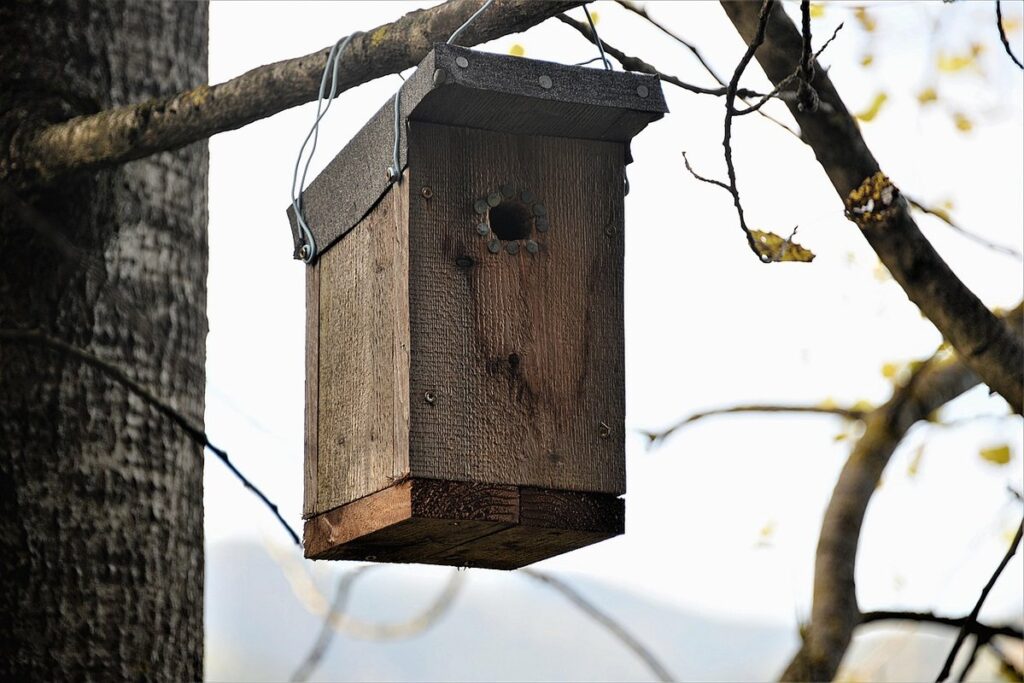
Let’s start by understanding what nesting box curtains are and how they differ from traditional curtains. Essentially, these are specially designed covers for nest boxes to provide birds with a cozy, secure space to lay eggs.
Introduction to Nesting Boxes
Nesting boxes provide a vital service for birds, particularly during breeding season. These structures offer a safe and secure space for females to lay their eggs and raise their young away from predators and harsh weather conditions. The primary purpose of nesting boxes is to mimic natural cavities found in trees or rocks, which are essential for bird reproduction.
By installing nesting boxes, you can support local bird populations by providing them with a reliable source of shelter and breeding sites. This is especially beneficial for species that have adapted to living in urban areas where suitable nesting sites may be scarce. Nesting box curtains play a crucial role in this process as they help maintain the internal temperature and humidity levels within the nest, creating an ideal environment for incubation.
When selecting a nesting box, consider factors such as size, shape, material, and placement. A good rule of thumb is to position them 3-5 meters off the ground and facing east or southeast to maximize sunlight exposure. Regular cleaning and maintenance are also essential to prevent disease transmission and ensure the longevity of the nest.
Types of Nesting Box Curtains
When it comes to choosing nesting box curtains, one of the most important decisions is selecting the right material. The type of material used can greatly impact the functionality and effectiveness of the curtains.
There are several types of materials available, each with its own unique characteristics. Mesh curtains are a popular choice for nesting boxes as they allow for maximum airflow and visibility while keeping predators out. They’re ideal for outdoor enclosures or large aviaries where ventilation is crucial. Netting curtains offer similar benefits but have smaller holes, making them suitable for smaller spaces or areas where the risk of escape is higher.
Cloth curtains are another option and can provide a more aesthetically pleasing appearance. However, they may not be as effective at keeping predators out due to their woven structure. Some cloth options, such as those made from durable polyester blends, can withstand outdoor conditions but still offer adequate protection.
Consider the specific needs of your nesting box when selecting material for your curtains. For example, if you’re housing birds that are prone to escape or vulnerable to predator attacks, mesh or netting may be a better choice.
Benefits of Using Nesting Box Curtains
Let’s dive into one of the most exciting benefits of using nesting box curtains: they can actually improve your hens’ behavior and overall well-being.
Improved Ventilation
When it comes to creating an ideal nesting environment for birds, airflow is crucial. Nesting box curtains play a significant role in enhancing ventilation within the nesting box. By providing controlled airflow, these curtains help regulate temperatures and humidity levels, keeping the nesting area comfortable for the birds.
Proper ventilation also prevents the buildup of ammonia from bird droppings, which can be toxic to birds. Birds need oxygen-rich air to breathe and thrive, so improved ventilation ensures they get what they need. Installing a nesting box curtain that allows for airflow is essential, especially in enclosed or small spaces where heat can accumulate.
To ensure maximum benefit from your nesting box curtains, choose materials with mesh panels or slits that allow for cross-ventilation. Regularly cleaning the nesting area and changing bedding will also contribute to maintaining a healthy environment. By prioritizing airflow, you’ll be supporting the overall well-being of the birds inhabiting the nesting box.
Reduced Predation and Stress
When birds nest on open platforms, they’re exposed to various predators such as hawks, owls, and cats. This can lead to reduced chick survival rates and increased stress levels among the nesting birds. Nesting box curtains provide a solution by covering the entrance of the nesting box, effectively reducing predation risks.
One way nesting box curtains help minimize predation is by breaking up the bird’s silhouette against the skyline, making it harder for predators to spot them. This can be especially beneficial during peak breeding seasons when birds are more active and vulnerable. In addition to reduced predation, nesting box curtains also provide a sense of security and comfort for the nesting birds.
Studies have shown that birds with access to covered nesting boxes exhibit lower stress levels and improved reproductive success compared to those without such amenities. To maximize the benefits of nesting box curtains, consider using them in combination with other features like predator guard rings or baffles to create a comprehensive protection system.
Enhanced Egg Safety
One of the most significant advantages of using nesting box curtains is their ability to protect eggs from harsh environmental conditions. When strong winds, heavy rainfall, or direct sunlight threaten to damage your hens’ precious eggs, these curtains provide a safe and secure haven. By shielding the nesting box from the outside elements, you can rest assured that your hens will lay their eggs in peace.
In areas prone to extreme weather conditions, nesting box curtains are an essential investment for any backyard chicken keeper. A simple example of this is a heavy downpour on a sunny day. Without proper protection, rainwater could seep into the nesting box, making it difficult for your hens to stay dry and comfortable while laying eggs. With nesting box curtains in place, you can prevent such issues from arising.
To ensure maximum egg safety, consider choosing curtains made from water-resistant materials like nylon or polyester. These materials are easy to clean and maintain, reducing the risk of bacterial contamination that could harm your hens’ health.
Drawbacks of Nesting Box Curtains
While nesting box curtains have many benefits, they also come with some drawbacks that you should consider before deciding to install them. Let’s take a look at these potential issues up close.
Increased Cost
Purchasing or making nesting box curtains can come with an additional cost that may not be immediately apparent. One of the primary expenses associated with these curtains is the materials themselves. Depending on the design and size, you may need to purchase a variety of fabrics, including cotton, linen, or thermal material, which can range in price from $10 to $50 per yard.
In addition to the cost of materials, you’ll also need to consider the expense of any necessary hardware, such as hooks, rods, or rings. These components can add an extra $20 to $100 to your overall cost, depending on the quality and type. If you’re making your own curtains, you may also need to invest in a sewing machine or other crafting tools, which can be a significant upfront expense.
To put these costs into perspective, consider that a basic nesting box curtain kit can range from $50 to $200, while a custom-made set can cost upwards of $500. While these expenses may seem daunting, many bird owners find the benefits of nesting box curtains far outweigh the additional costs. By providing your birds with a safe and secure space for breeding and raising their young, you’ll be making a valuable investment in their health and well-being.
Potential for Reduced Light Entry
One potential drawback of nesting box curtains is their impact on natural light entry into the nesting box. While these curtains are designed to provide birds with a safe and cozy space, they can sometimes block out too much sunlight, leading to reduced visibility for the bird’s nesting activities.
This issue may be particularly relevant during peak breeding seasons when birds rely heavily on visual cues to navigate their surroundings. Insufficient light can also make it challenging for you to monitor the nest without disturbing the birds or compromising their security.
In extreme cases, over-blocking of natural light might even lead to issues with egg development and chick growth. So, how can you balance the need for nesting box curtains with the importance of adequate lighting? Consider installing a curtain with a mesh or grid pattern that allows filtered sunlight to enter while maintaining bird safety.
When selecting your nesting box curtains, look for materials and designs that prioritize natural light transmission without compromising security. This might involve choosing lightweight fabrics, adjusting the curtain’s placement, or experimenting with different types of window treatments.
Maintenance and Cleaning Challenges
As you continue to use nesting box curtains in your home, you may start to notice some challenges that arise with maintenance and cleaning. Over time, these curtains can accumulate dust, dirt, and other debris, making them look dingy and less attractive.
One of the main issues is the difficulty in removing stubborn stains or odors. The fabric used for nesting box curtains can be prone to absorbing strong smells, which can be difficult to eliminate. For example, if a bird has an accident on the curtain, the stain may not come out easily with just a simple wash. In such cases, you may need to use specialized cleaning products or even consider replacing the entire curtain.
Another challenge is the buildup of dust and debris on the fabric. While regular vacuuming can help, it’s often not enough to keep these curtains looking their best. You may find yourself needing to clean them more frequently, which can be time-consuming and inconvenient.
To mitigate these issues, it’s essential to choose a curtain material that is easy to clean and maintain. Look for fabrics with built-in stain resistance or those that can be machine washed and dried. Additionally, consider using a liner or under-curtain to protect the main fabric from dirt and debris. By taking these precautions, you can enjoy your nesting box curtains for longer while minimizing maintenance headaches.
Design Considerations for Nesting Box Curtains
When designing curtains for your nesting box, it’s essential to consider a few key factors that will ensure both the birds and your home benefit from this feature. Let’s take a closer look at what you should prioritize in these designs.
Size and Shape
When it comes to designing nesting box curtains, the size and shape are crucial factors that can make or break their effectiveness. A well-designed curtain should fit snugly within the nesting box, allowing for easy access while preventing escape artists from squeezing through tiny openings.
To determine the optimal size, consider the dimensions of your nesting boxes. Measure the entrance hole and add a few inches to allow for comfortable entry and exit. Typically, a rectangular shape with a slightly wider top than bottom is preferred. This design allows the curtain to hang evenly and prevents sagging. A good rule of thumb is to create curtains that are at least 12-18 inches wide and 6-8 inches tall.
When choosing shapes, consider the natural habits of your birds. For example, if you have species with long bodies or tails, a more rectangular shape will provide ample clearance. On the other hand, smaller birds may prefer narrower openings to conserve heat.
Attachment Methods
When it comes to attaching nesting box curtains, you have several methods to choose from, each with its own advantages and ease of use. Velcro is a popular option as it provides a secure attachment without damaging the curtain material or the nesting box itself. This method allows for easy installation and removal, making it perfect for frequent cleaning or when moving the nesting boxes.
Another common method is using hooks, either directly attached to the nesting box or through a separate mounting bracket. This approach offers greater flexibility in terms of hanging style and can be more visually appealing. However, it may require additional hardware and some know-how when setting up.
Some users prefer to use curtain rings or small clips, which provide a seamless look while allowing for easy removal. For those who want the ultimate ease, adhesive-backed hooks are also available – though they might leave residue upon removal.
Consider your specific needs and preferences when selecting an attachment method. Do you prioritize ease of installation and removal? Or perhaps aesthetic appeal is your top concern?
Material Selection Criteria
When choosing materials for nesting box curtains, there are several factors to consider. Durability is one of the most crucial aspects to think about. You want the material to withstand frequent cleaning and daily wear and tear. For example, cotton or linen fabrics are great options as they are breathable, easy to clean, and can withstand regular use.
Ease of cleaning is another essential consideration. Look for materials that are machine washable and dry quickly. This will save you time and effort in the long run. Some popular choices include polyester blends and canvas fabric. These materials are also resistant to pests and mildew, which is a bonus when it comes to nesting box curtains.
When selecting materials, don’t forget about moisture resistance. Nesting boxes can be prone to dampness, especially if they’re located in areas with high humidity or near water sources. Opt for materials that can withstand moisture without compromising their durability. By considering these factors, you’ll be able to choose the right material for your nesting box curtains and ensure they remain effective and functional over time.
When cleaning your nesting box curtains, it’s essential to follow a few simple steps: wash them regularly in warm water with a mild detergent, dry thoroughly, and inspect them regularly for signs of wear or damage. By taking good care of your curtains, you’ll be able to extend their lifespan and keep your nesting boxes clean and healthy.
Choosing the Right Nesting Box Curtains for Your Birds
When it comes to selecting nesting box curtains, you’ll want to consider factors such as material, color, and pattern to ensure they blend in with your bird’s surroundings.
Considerations Based on Climate and Region
When choosing nesting box curtains for your backyard birds, it’s essential to consider the climate and region you live in. The harshness of your local weather can significantly impact the performance and longevity of your nesting box curtains.
In regions with high winds or extreme temperatures, you’ll want to opt for sturdy, wind-resistant materials that can withstand the elements. For example, a durable fabric like burlap or canvas would be an excellent choice. On the other hand, in areas with milder climates, lighter and breathable materials like cotton or mesh might be more suitable.
It’s also crucial to consider the local bird species you’re trying to attract. Different birds have varying preferences when it comes to nesting box curtains. For instance, some birds, like bluebirds and swallows, prefer a more open design that allows for good airflow, while others, such as robins and sparrows, may require a bit more privacy.
By taking into account your local climate and bird species, you can select the perfect nesting box curtains to meet their needs and ensure they thrive in their new home.
Bird Species-Specific Requirements
When it comes to choosing the right nesting box curtains for your birds, it’s essential to consider their specific needs and preferences. Different bird species have unique requirements when it comes to ventilation, visibility, and protection from predators.
For example, hummingbirds are particularly sensitive to temperature fluctuations and require very small mesh openings (about 1/4 inch) to maintain a stable environment within the nesting box. In contrast, larger birds like woodpeckers can tolerate coarser mesh (around 1/2 inch) but may still appreciate some shading from direct sunlight.
Some species, such as finches and sparrows, prefer curtains with a more subtle pattern or texture to feel secure in their nesting area. On the other hand, bold birds like robins often don’t mind brightly colored or striped patterns on their curtains.
When selecting curtains for your bird’s nesting box, research the specific needs of your species and choose materials that meet those requirements. Consider factors like mesh size, color, and pattern to create an environment that feels safe and comfortable for your feathered friends.
DIY vs. Purchased Options
When it comes to choosing nesting box curtains for your birds, one of the key decisions you’ll need to make is whether to go with a DIY option or purchase pre-made ones. Both approaches have their pros and cons.
Making your own nesting box curtains can be a cost-effective and customizable solution. You can choose the materials that suit your birds’ needs and preferences, and design the patterns and colors that match your aviary’s aesthetic. However, this approach requires some time and effort to research and gather materials, cut out fabric, and assemble the curtains. Additionally, if you’re not experienced with sewing or crafting, it may be more challenging to achieve a professional-looking result.
On the other hand, purchasing pre-made nesting box curtains offers convenience and speed. You can choose from a wide range of designs, materials, and sizes available in the market. However, these options often come with a higher price tag, and you might not have as much control over the design or customization.
To make an informed decision, consider your budget, crafting skills, and the specific needs of your birds. If you’re on a tight budget or want to add a personal touch, making your own curtains may be the way to go. However, if you value convenience and don’t mind paying extra for quality, pre-made options might be a better choice.
Conclusion and Final Thoughts
Now that you’ve weighed the pros and cons of nesting box curtains, let’s summarize the key takeaways from our discussion so far.
Recap of Key Points
As we conclude our discussion on nesting box curtains, let’s recap the key points that will help you make an informed decision. On one hand, there are numerous benefits to using these curtains. They can block out drafts and keep your birds warm during harsh weather conditions. For instance, a study by the University of Wisconsin-Madison found that chickens who had access to draft-free nesting boxes laid 10% more eggs than those without.
On the other hand, there are some drawbacks to consider. Nesting box curtains can be expensive to install and maintain, especially if you’re using high-quality materials. Additionally, they may obstruct the view of your birds or make it difficult for you to observe their behavior. To balance these pros and cons, consider choosing a curtain that allows for good ventilation while still providing adequate protection from drafts.
Ultimately, whether or not to use nesting box curtains depends on your specific situation and priorities. If you value the health and well-being of your birds above all else, investing in a high-quality curtain may be worth it.
Recommendations for Bird Enthusiasts and Keepers
As we conclude our exploration of nesting box curtains, it’s time to put theory into practice. If you’re a bird enthusiast or keeper, here are some final recommendations to help you optimize the benefits of these innovative solutions.
When selecting nesting box curtains, consider the type of birds you’re trying to attract and their specific needs. For instance, if you’re targeting species like blue tits or robins, opt for smaller mesh sizes (around 6-8mm) that allow for easier navigation. Conversely, larger mesh sizes (up to 20mm) might be suitable for woodpeckers or owls.
To ensure smooth installation, attach the curtains about 1-2 inches below the nesting box entrance. This allows for easy access while preventing predators from getting too close. Regular maintenance is also crucial – inspect the curtains every few months and replace them if you notice signs of wear or damage.
By following these guidelines, you’ll be able to create a safe haven for your feathered friends, promoting successful breeding and reducing stress on both birds and homeowners alike. Happy birdwatching!
Frequently Asked Questions
Can I install nesting box curtains myself, or do I need professional help?
Yes, you can definitely install nesting box curtains yourself if you have basic DIY skills. However, consider your climate and region’s specific requirements when choosing the right materials and installation method. It’s also essential to consult local bird species’ preferences for nesting box design and size.
How will nesting box curtains affect the airflow inside the nest boxes?
Nesting box curtains can potentially limit airflow if not installed correctly or made from dense materials. To minimize this impact, choose lightweight, breathable fabrics or incorporate mesh panels to ensure air circulation while maintaining privacy.
What are some common mistakes to avoid when selecting nesting box curtain materials?
When choosing materials for your nesting box curtains, be mindful of the following common pitfalls: using materials that may melt under direct sunlight, selecting colors that can attract predators, and neglecting durability and easy cleaning. Opt for weather-resistant, bird-safe materials and consider the local climate and regional preferences.
Can I use a single type of curtain for all my nesting boxes, or do I need to choose differently for each species?
While some birds might tolerate similar curtains, others may require specific designs based on their size, beak shape, or feather characteristics. Consider choosing bird-species-specific curtain designs or offering different options to cater to various needs and preferences.
How will I know if my nesting box curtains are negatively impacting the birds’ behavior or health?
Monitor your birds closely for any changes in behavior, such as reduced egg-laying rates, increased stress signs, or altered activity patterns. If you notice significant changes after installing nesting box curtains, consult with local bird experts or consider adjusting curtain design or material to better suit your birds’ needs.