
Are you tired of relying on synthetic fertilizers to give your plants a boost? Look no further than chicken manure compost tea, a natural and potent solution that can revolutionize your gardening routine. This amazing liquid fertilizer is made by steeping chicken manure in water, allowing the beneficial microbes and nutrients to release into the solution. The result is a powerful elixir that not only improves soil structure but also increases fertility and promotes healthy plant growth.
As we delve into the world of chicken manure compost tea, you’ll discover its numerous benefits and uses. From improving crop yields to reducing soil erosion, this natural fertilizer has it all. In this article, we’ll show you how to prepare and use chicken manure compost tea effectively, so you can say goodbye to synthetic fertilizers and hello to a healthier, more sustainable garden.
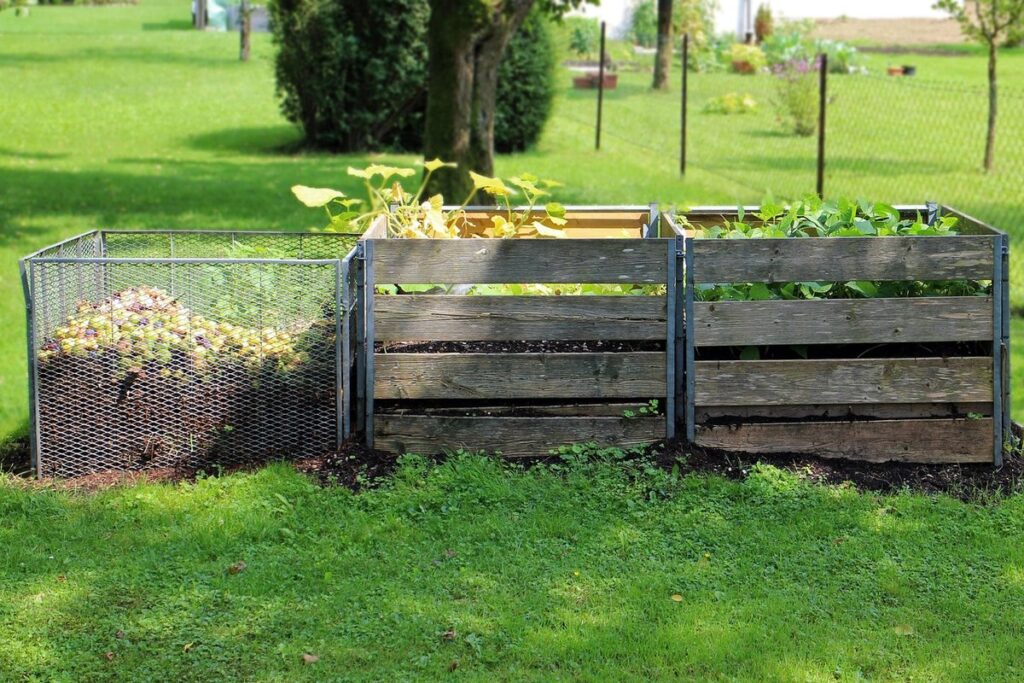
Understanding Chicken Manure Compost Tea
So, you’ve heard of compost tea, but are wondering how chicken manure fits into the picture. Let’s break down what it is and how it works.
What is Compost Tea?
Compost tea is a liquid solution made by steeping compost in water. But what sets it apart from regular compost? Its purpose is to harness the beneficial microbes present in the compost and release them into the water, creating an easily absorbable form of nutrient-rich goodness for plants.
To make chicken manure compost tea, you’ll need a few basic supplies: a bucket or container with a lid, some water, chicken manure compost, and an aerator (optional). Start by filling your bucket about 1/4 to 1/2 full with the chicken manure compost. Then, add water to the remaining space, making sure that the compost is completely submerged.
Next, allow the mixture to steep for 24-48 hours. This will give the beneficial microbes ample time to break down and release their nutrients into the water. If you’re using an aerator, it’s best to start it within the first few hours of steeping to help oxygenate the liquid and encourage microbial activity.
The result is a concentrated liquid solution teeming with beneficial microbes that can be used as a natural fertilizer or soil amendment for your plants.
History and Origins of Using Manure in Agriculture
Using animal manure as fertilizer dates back to ancient civilizations. The Egyptians and Greeks used human waste to fertilize their crops around 2500 BC. Similarly, Chinese farmers utilized animal dung to enrich the soil for centuries. This practice continued through the Middle Ages in Europe where nightsoil (human waste) was collected from cities and applied to fields as a rich source of nitrogen.
The use of manure as fertilizer eventually led to its treatment and processing into compost. In the 19th century, farmers began creating compost by mixing animal waste with other organic materials like leaves and straw. This blend was left to decompose, producing a nutrient-rich soil amendment that supported plant growth. The development of modern composting techniques in the early 20th century allowed for more efficient production of compost tea.
Today, compost tea is often made from chicken manure, which has become a preferred choice due to its high nitrogen content and lower pathogen risk compared to human waste.
Benefits of Chicken Manure Compost Tea for Plants
If you’re looking to supercharge your plants’ growth and health, you’ll want to learn about the numerous benefits of using chicken manure compost tea as a natural fertilizer.
Improved Soil Structure and Fertility
When used as a compost tea, chicken manure has been shown to significantly improve soil structure and fertility, leading to healthier plant growth. As we’ve discussed earlier, compost teas are a liquid solution made by steeping rich organic matter in water, allowing the beneficial microbes to infuse into the brew. Chicken manure is an excellent material for creating this type of liquid fertilizer due to its high nutrient content.
The improved soil structure achieved through the use of chicken manure compost tea is largely due to the increased presence of beneficial microorganisms. These microbes help break down organic matter, making it easier for plants to access essential nutrients. As a result, soil fertility increases, and plant roots can grow more freely, leading to healthier, more robust growth.
In practical terms, you can expect your garden’s soil to be better at retaining moisture, reducing erosion, and supporting the overall ecosystem when using chicken manure compost tea. To maximize its benefits, be sure to apply it in moderation, allowing the beneficial microbes to colonize your soil over time. Regular applications will help maintain optimal soil health, creating a thriving environment for your plants to flourish.
Enhanced Nutrient Uptake by Plants
When plants are exposed to chicken manure compost tea, they experience an enhanced nutrient uptake that is nothing short of remarkable. This phenomenon can be attributed to the bioavailable form of nutrients present in the liquid solution, which makes it easier for plants to absorb them. In fact, studies have shown that plants grown using chicken manure compost tea exhibit a 20-30% increase in biomass production compared to those grown with synthetic fertilizers.
The improved nutrient uptake also leads to better root development, allowing plants to anchor themselves firmly in the soil and draw up essential nutrients more efficiently. This process not only strengthens the plant’s overall health but also increases its resilience against pests and diseases. In a practical application of this concept, gardeners can use chicken manure compost tea as a foliar spray or add it directly to the soil around their plants’ roots. By doing so, they can unlock their plants’ full potential for growth and development.
One notable benefit of using chicken manure compost tea is its ability to increase crop yields. By optimizing nutrient uptake and promoting healthy root development, gardeners can enjoy a 25-50% boost in harvests compared to traditional farming methods. This is particularly beneficial for commercial growers looking to maximize their profits while minimizing environmental impact.
Preparing and Using Chicken Manure Compost Tea
To brew a beneficial batch, you’ll need to learn how to prepare and use chicken manure compost tea correctly for optimal results in your garden. Let’s dive into those essential steps together.
Materials Needed and Safety Precautions
To prepare and use chicken manure compost tea safely and effectively, you’ll need to gather some essential materials. These include a large bucket or container with a lid, a garden hose or watering can for adding water, a submersible pump (optional), an aerator or air stone, a timer, and gloves.
When handling chicken manure, it’s crucial to take safety precautions seriously. Chicken manure is a nutrient-rich fertilizer that’s also high in nitrogen, phosphorus, and potassium, which can be detrimental if not handled properly. Wear protective gloves when handling the manure, as they can reduce the risk of skin irritation or allergic reactions.
Before adding water, ensure the bucket is clean and sanitized with a 10% solution of chlorine bleach to kill any potential pathogens. This step is vital in preventing the growth of unwanted microorganisms that could harm your plants. Once you’ve gathered all necessary materials and taken the required safety precautions, you’re ready to brew your chicken manure compost tea.
To minimize risks associated with handling chicken manure, make sure to maintain good hygiene practices when working with it. Wash your hands thoroughly after handling the material, and avoid inhaling dust or particles that may become airborne during brewing.
Brewing Methods: Submerged Aerobic vs. Static
When it comes to brewing chicken manure compost tea, you have two primary methods to choose from: submerged aerobic and static brewing. While both techniques can produce a nutrient-rich liquid fertilizer, they differ significantly in terms of equipment requirements, ease of use, and overall efficiency.
Submerged Aerobic Brewing: This method involves submerging the composted chicken manure in water, typically using an oxygen-rich air pump to introduce oxygen into the mixture. This process accelerates the breakdown of pathogens and increases the availability of beneficial microbes. Submerged aerobic brewing is often considered a more efficient method, as it allows for faster microbial activity and can be completed within 24-48 hours.
Static Brewing: In contrast, static brewing involves simply steeping the composted chicken manure in water without introducing oxygen. While this method may seem more straightforward, it requires longer brewing times (typically 2-7 days) to achieve similar results. However, static brewing is often preferred by those with limited equipment or who prefer a simpler process.
Ultimately, the choice between submerged aerobic and static brewing comes down to your specific needs and preferences. If you’re looking for faster results and are willing to invest in additional equipment, submerged aerobic brewing may be the better option. However, if simplicity and ease of use are your top priorities, static brewing could be a more suitable choice.
Chicken Manure Compost Tea as a Natural Fertilizer
So, you want to know how to harness the power of chicken manure compost tea as a natural fertilizer for your garden? Let’s dive into its benefits and uses.
Comparison with Synthetic Fertilizers
When it comes to natural fertilizers, chicken manure compost tea stands out as a superior alternative to synthetic options. Unlike chemical-based fertilizers that can harm the environment and deplete soil quality, our liquid gold is not only eco-friendly but also incredibly effective.
In contrast, synthetic fertilizers can lead to over-fertilization, resulting in water pollution and decreased crop yields. They may provide temporary boosts to plant growth, but their benefits are often short-lived and come with significant drawbacks. On the other hand, chicken manure compost tea is a slow-release fertilizer that continuously supplies plants with essential nutrients, promoting long-term health and resilience.
Studies have shown that natural fertilizers like compost tea can reduce synthetic fertilizer usage by up to 90% while maintaining or even increasing crop yields. By switching to our sustainable solution, gardeners and farmers can significantly lower their environmental impact and support a healthier ecosystem.
Cost-Effectiveness and Long-Term Benefits
Using chicken manure compost tea as a natural fertilizer is not only beneficial for the environment but also cost-effective in the long run. When compared to commercial fertilizers, CMCT requires less initial investment and ongoing maintenance costs. For instance, if you’re producing 100 gallons of CMCT at $0.50 per gallon, your total cost would be just $50. In contrast, commercial fertilizers can range from $1 to $3 per gallon or more.
Moreover, CMCT can help reduce crop failure rates by improving soil health and reducing the need for synthetic fertilizers. By adopting this method, you’ll save money on fertilizers over time and minimize potential losses due to failed crops. To calculate your savings, consider the following: if you’re able to decrease your fertilizer expenses by $500 per year using CMCT, that’s $5,000 over 10 years.
In addition to cost benefits, CMCT also offers long-term advantages for sustainable agriculture. By creating a nutrient-rich environment, you’ll promote soil biodiversity and improve its water retention capacity. These positive effects will be evident in your crops’ overall health, growth rates, and yields. By making the switch to chicken manure compost tea, you’re investing in a more eco-friendly farming practice that’s both cost-effective and beneficial for future generations.
Common Challenges and Solutions When Using Chicken Manure Compost Tea
When using chicken manure compost tea, you may encounter some common challenges that can hinder its effectiveness. Let’s explore these potential pitfalls and their practical solutions together.
Odor Control and Pest Management
When using chicken manure compost tea, two common challenges that gardeners and farmers often face are odor control and pest management. The strong smell of ammonia from the decomposing chicken waste can be overwhelming, especially in enclosed spaces or near living areas. To minimize this issue, it’s essential to ensure proper aeration during the brewing process.
This involves increasing the ratio of water to manure, allowing for adequate oxygenation and reducing the likelihood of anaerobic conditions that contribute to the pungent odor. Adding beneficial microorganisms like effective microbes (EM) can also help break down the organic matter more efficiently, reducing volatile compounds and minimizing odors.
As for pest management, chicken manure compost tea has natural insecticidal properties due to its high nutrient content and diverse microbial population. However, it’s crucial to monitor the brewing process closely to prevent contamination by pathogens or pests like nematodes that can harm plants. A balanced blend of beneficial microbes and a well-managed brewing process will help minimize odors and ensure effective pest control while maximizing the benefits of chicken manure compost tea in your garden or farm.
Potential Health Risks to Humans and Animals
When using chicken manure compost tea, it’s essential to be aware of the potential health risks associated with its improper handling or use. While this liquid fertilizer can be a game-changer for plant growth and soil health, it’s crucial to take necessary precautions to avoid any adverse effects on humans and animals.
Exposure to pathogens like E. coli and Salmonella, which are present in chicken manure, can cause severe gastrointestinal issues, such as diarrhea, vomiting, and stomach cramps, if not handled properly. To mitigate these risks, ensure that the compost tea is brewed at a temperature of 140°F (60°C) for at least 30 minutes to kill off any bacteria. This process is called pasteurization.
When working with chicken manure compost tea, it’s also vital to wear protective gear like gloves and goggles to avoid skin contact and eye irritation. After handling the liquid fertilizer, wash your hands thoroughly with soap and water. Additionally, keep the compost tea away from children and pets to prevent any accidental ingestion or exposure. By following these simple guidelines, you can enjoy the benefits of chicken manure compost tea while minimizing its risks.
Case Studies and Success Stories
Let’s dive into real-world examples of how chicken manure compost tea has been successfully implemented on farms and gardens to boost soil health and crop yields. Here are some inspiring case studies to learn from.
Real-World Applications in Agriculture and Horticulture
Chicken manure compost tea has been successfully implemented in various agriculture and horticulture settings around the world. In a study conducted by the University of California, Davis, researchers found that using chicken manure compost tea as a fertilizer significantly increased crop yields and improved soil health.
One notable example is the use of chicken manure compost tea on a large-scale commercial farm in Georgia. The farmer noticed a significant increase in plant growth and fruit production after switching to the compost tea. He reported an average increase of 30% in tomato yields and a 25% increase in strawberry yields, while also reducing his water usage by 20%. Another example is from a small-scale urban garden in New York City, where the use of chicken manure compost tea led to a remarkable improvement in soil fertility and a significant reduction in pest infestations.
The key to successfully implementing chicken manure compost tea lies in its proper preparation and application. It’s essential to follow the recommended steeping time and ratio of tea bags to water to avoid overloading the plants with nutrients. A general rule of thumb is to start with a small batch and gradually increase the amount as you monitor the plant’s response.
To give you an idea of the potential cost savings, consider this: a 5-gallon bucket of chicken manure compost tea can be made for under $10, using only a few pounds of dried chicken manure. This not only saves money but also reduces waste and minimizes the environmental impact of traditional chemical-based fertilizers.
Incorporating chicken manure compost tea into your agricultural or horticultural practices can have numerous benefits, from increased crop yields to improved soil health. By following these simple steps and guidelines, you too can experience the advantages of using this natural fertilizer in your own garden or farm.
Frequently Asked Questions
Can I use chicken manure compost tea on all types of plants, or are there any exceptions?
While chicken manure compost tea is a versatile fertilizer, it’s not suitable for acid-loving plants like azaleas and blueberries. These plants require more acidic conditions, which can be disrupted by the alkaline properties of the manure. Start with testing it on your favorite fruits and vegetables before applying to sensitive or rare species.
How long can I store chicken manure compost tea in the fridge before using it?
Yes, you can store brewed chicken manure compost tea in the fridge for up to 24 hours without losing its potency. However, make sure to stir the mixture well before use and consider using an aeration system or stirring mechanism to maintain oxygen levels. Always check the solution’s appearance and smell before applying it to your plants.
Can I mix chicken manure compost tea with other fertilizers or soil amendments?
No, we don’t recommend mixing chicken manure compost tea with synthetic fertilizers or chemical-based products, as this can create an overly acidic environment for your plants. Instead, use it as a standalone fertilizer or combine it with natural soil conditioners like worm castings or alfalfa meal for optimal results.
How often should I brew and apply chicken manure compost tea to my garden?
Brew new batches of chicken manure compost tea every 1-2 weeks, depending on the size of your garden and desired frequency of application. Aim to apply it as a foliar spray (every 7-10 days) or drench (every 14-21 days) for optimal results.
Can I use dried chicken manure instead of fresh, or will it affect the brewing process?
While dried chicken manure can still be used to make compost tea, it may require longer steeping times and more frequent agitation to release its beneficial microbes. Fresh manure is generally preferred due to its higher moisture content and better microbial activity.