
Using chicken manure in your garden can be a fantastic way to give your plants a nutrient boost, but it requires some caution. You see, raw chicken manure is like a ticking time bomb for diseases and pests – if not handled properly, it can do more harm than good. But don’t worry, with the right approach, you can harness its power without compromising your garden’s health.
In this article, we’ll explore the ins and outs of using chicken manure safely in your garden. We’ll cover everything from composting and application rates to health considerations and integrated pest management strategies. By the end of it, you’ll be equipped with the knowledge to use chicken manure as a valuable asset in your gardening toolkit. Let’s dive into the world of safe and effective chicken manure usage!
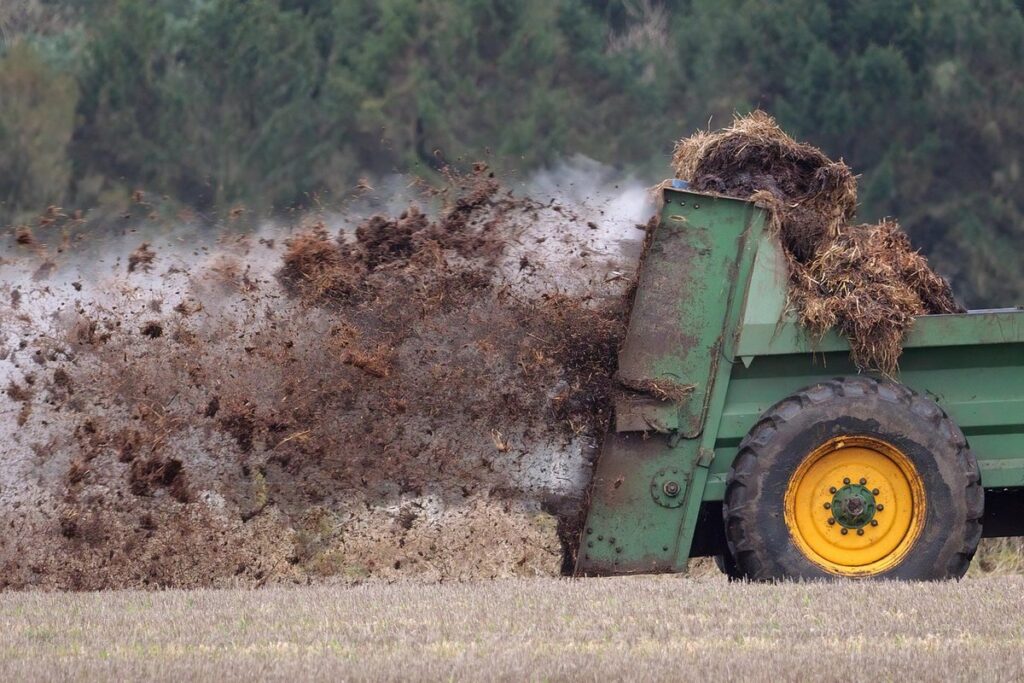
Understanding Chicken Manure Benefits and Risks
When using chicken manure in your garden, it’s essential to understand its benefits and risks to make informed decisions about its safe use. Let’s dive into the advantages and disadvantages of incorporating this nutrient-rich resource into your gardening practices.
Composting Chicken Manure: The First Step to Safety
Composting chicken manure is an essential step to ensure its safe use in gardens. But what exactly does this process entail? To create a balanced compost pile, you’ll want to maintain the ideal carbon-to-nitrogen ratio. This means mixing materials high in carbon (e.g., straw or shredded newspaper) with those high in nitrogen (like your chicken’s manure). Aim for a mix that’s roughly 2/3 carbon-rich materials and 1/3 nitrogen-rich.
Aeration is also vital, as it allows oxygen to penetrate the pile and help break down waste efficiently. Turn your compost pile every week or two to ensure this process occurs evenly. This can be done using a pitchfork or shovel, depending on the size of your pile.
Regular turning will also help speed up decomposition, getting you from raw manure to usable garden gold faster.
Nutrient Content and Value of Chicken Manure Compost
When it comes to composted chicken manure, the nutrient content is truly impressive. A single pound of composted chicken manure can provide up to 3 pounds of nitrogen, making it an excellent natural fertilizer for your garden. This high nitrogen content can promote healthy plant growth, improve soil structure, and increase crop yields.
But what about raw or uncomposted chicken manure? While it’s rich in nutrients, its use can also pose some risks. If not properly composted, chicken manure can contain pathogens like E. coli and Salmonella that can contaminate your soil and water sources. These risks are particularly concerning if you’re growing fruits and vegetables for human consumption.
To put things into perspective, a study found that raw chicken manure contained over 100 times more contaminants than composted chicken manure. To ensure safe use, make sure to compost your chicken manure properly before adding it to your garden. This involves mixing the manure with other organic materials, like leaves or straw, and allowing it to break down for several months.
This process not only eliminates pathogens but also reduces odors and leachates that can contaminate soil and water sources. By taking these simple precautions, you can harness the benefits of chicken manure compost while minimizing its risks.
Preparing and Applying Chicken Manure in Your Garden
Now that you’ve learned how to handle chicken manure safely, it’s time to explore its benefits in your garden. We’ll walk you through preparing and applying it effectively.
Ensuring Proper Storage and Handling
Storing chicken manure properly is crucial to prevent contamination and unpleasant odors. To store it safely, you’ll need a container that’s specifically designed for composting or storing animal waste. A plastic bin with a lid, such as a Rubbermaid Roughneck, works well for this purpose. Make sure the container has a capacity of at least 12 gallons to hold enough manure for your needs.
When selecting a storage location, choose an area that’s well-ventilated and shaded from direct sunlight. Avoid storing it in an enclosed space or near living areas to minimize odors. Regular cleaning is also essential – set aside time each week to check the container for buildup and clean it as needed.
Here are some tips for maintaining your storage setup:
* Keep the lid closed tightly when not adding new manure
* Add a layer of straw or peat moss at the bottom for easy cleanup
* Every 2-3 months, turn the contents over to aerate them
* Consider setting up a composting system with adequate carbon-to-nitrogen ratio to speed up decomposition
Application Rates and Timing for Optimal Benefits
When applying chicken manure compost to your garden, timing and rates are crucial to avoid overfertilization risks. Soil type plays a significant role in determining optimal application rates. Sandy soils, for instance, require more frequent applications due to their low water-holding capacity, while clay soils can handle less frequent applications.
Crop requirements also influence application rates. Leafy greens and root vegetables benefit from higher nitrogen levels found in chicken manure compost, but legumes like beans and peas may require less due to their ability to fix nitrogen naturally. For example, spinach can tolerate up to 2 pounds of compost per 10 square feet, whereas carrots prefer about half that amount.
Timing is equally important, as excessive application can lead to overfertilization and nutrient imbalances. A general rule of thumb is to apply compost in early spring or fall, allowing time for microbial activity to break down excess nutrients before the growing season begins. Be cautious not to overdo it – too much nitrogen can cause more harm than good. Aim for 1-2 pounds per 10 square feet as a starting point and adjust according to soil test results and crop requirements.
Health and Safety Considerations When Handling Chicken Manure
When handling chicken manure, it’s crucial to prioritize your safety by wearing protective gear and taking precautions against potential health risks. This will help prevent accidents and ensure a safe working environment.
Microbial Hazards: Salmonella, E. coli, and More
When handling chicken manure, it’s essential to be aware of the potential microbial hazards that come with it. Two of the most notorious culprits are Salmonella and E. coli. These bacteria can cause serious illnesses in humans, particularly those who have weakened immune systems or young children.
Salmonella, for instance, is often associated with poultry products, including manure. According to the Centers for Disease Control and Prevention (CDC), there were over 1 million reported cases of salmonellosis in the United States alone between 2005-2014. To put this into perspective, that’s roughly 280 cases per day.
E. coli is another microorganism commonly found in chicken manure. Some strains of E. coli can cause severe diarrhea, kidney failure, and even death. Proper hand hygiene and equipment cleaning are crucial when handling raw or contaminated chicken manure to prevent the spread of these pathogens. Always wash your hands thoroughly with soap and water after handling manure, and make sure any equipment comes into contact with it is disinfected regularly.
Regularly disinfecting equipment not only protects against microbial hazards but also helps maintain overall garden hygiene.
Animal Health Implications and Precautions
When using uncomposted chicken manure in your garden, it’s essential to consider the potential animal health implications. Chicken manure can contain pathogens like Salmonella and E. coli, which can be transmitted to animals that come into contact with contaminated soil or plants.
Dogs, cats, and other pets may ingest contaminated soil while digging or eating grass, putting them at risk of contracting diseases. Even if your pet doesn’t eat the affected area directly, they may still be exposed through grooming habits or accidental ingestion of contaminated material.
To minimize these risks, make sure to compost chicken manure before using it in your garden. Composting breaks down pathogens and makes the manure safe for use around animals. You can also take preventative measures by keeping your pets away from areas where you’ve applied chicken manure, washing their paws after being outdoors, and ensuring they have access to clean water.
If you do choose to use uncomposted chicken manure, apply it in small amounts and mix it well with soil to reduce the risk of contamination. Keep a close eye on your pets’ behavior and health, and seek veterinary advice if you notice any unusual symptoms or changes.
Integrated Pest Management (IPM) Strategies with Chicken Manure
When it comes to managing pests in your garden, using chicken manure as a natural deterrent can be a game-changer. This section will explore effective IPM strategies that harness the power of chicken manure to keep pests at bay.
Using Composted Chicken Manure as a Natural Fertilizer
Using composted chicken manure as a natural fertilizer is a game-changer for gardeners who want to adopt integrated pest management (IPM) strategies while nourishing their soil. This organic fertilizer offers numerous benefits that can boost plant growth and overall soil health.
One of the primary advantages of using composted chicken manure is its high nutrient content. It’s rich in nitrogen, phosphorus, and potassium – essential macronutrients for plant development. Composting breaks down the manure, making it safe to use without the risk of burning your plants’ roots or contaminating soil with pathogens.
When applied correctly, composted chicken manure can increase crop yields, improve soil structure, and even reduce the need for synthetic fertilizers. A study by the University of California found that using composted manure increased tomato yields by 25% compared to conventional fertilizer treatments. To get started, mix 1-2 cups of composted chicken manure into your garden bed or apply it as a top dressing around established plants.
As you incorporate this natural fertilizer into your IPM strategy, remember to use it in moderation and balance its application with other beneficial gardening practices, such as crop rotation and cover cropping.
Repelling Pests: The Benefits of Chicken Manure Tea
One of the most exciting and lesser-known benefits of chicken manure is its ability to repel pests naturally. Chicken manure tea is a simple yet effective solution that can be used to keep unwanted critters at bay without harming the environment or your garden’s ecosystem.
To make chicken manure tea, simply steep composted chicken manure in water for 24-48 hours. The liquid solution that results from this process is rich in nitrogen and phosphorus, making it an attractive option for pest control. The key to using chicken manure tea as a repellent lies in its ability to alter the pH of the soil, creating an environment that’s inhospitable to pests.
For example, nematodes are microscopic worms that feed on insect larvae, but they’re also sensitive to high nitrogen levels. By applying chicken manure tea to the affected area, you can create a barrier that repels these unwanted guests without harming beneficial insects. This makes it an excellent addition to your integrated pest management (IPM) strategy.
When using chicken manure tea as a repellent, be sure to dilute it with water according to the instructions above and apply it at the recommended rate.
Case Studies and Examples from Experienced Gardeners
Let’s take a closer look at real-life examples of how experienced gardeners have successfully used chicken manure to enrich their soil. We’ll learn from their successes and mistakes.
Success Stories with Composted Chicken Manure
Composting chicken manure may seem like a daunting task, but it’s actually a great way to create nutrient-rich fertilizer for your garden. Many experienced gardeners have successfully integrated composted chicken manure into their gardening practices with fantastic results.
For example, Sarah from rural Wisconsin has been using composted chicken manure for her vegetable garden for over 5 years now. She collects the manure from her backyard flock and adds it to a dedicated compost bin. After 6-8 weeks of regular turning, the manure is transformed into a dark, crumbly compost that she mixes into her soil before planting. The result? Her tomatoes are bigger, juicier, and more productive than ever! Sarah’s secret: “I make sure to balance the nitrogen-rich manure with carbon-rich materials like leaves or straw, so it doesn’t burn my plants.”
Similarly, John from California has seen a significant increase in his garden’s fertility and yields after switching to composted chicken manure. He uses it as a top dressing for his fruit trees and shrubs, and also mixes it into his potting soil for container gardens. The added bonus? His garden is virtually pest- and disease-free thanks to the beneficial microbes that thrive in the composted manure.
These real-life examples demonstrate the potential of composted chicken manure as a safe and effective gardening solution. By following simple guidelines like balancing nitrogen with carbon, you can unlock its full benefits for your garden’s health and productivity.
Common Mistakes to Avoid When Using Chicken Manure
When using chicken manure in your garden, it’s essential to avoid common mistakes that can lead to over-fertilization, contamination, and even plant damage. One mistake to watch out for is not allowing the manure to break down before applying it to your soil. Chicken manure can contain high levels of nitrogen, which can burn plants if applied fresh. To avoid this, make sure to compost or age the manure for at least 6-8 weeks.
Another common mistake is applying too much manure, thinking that more is better. While chicken manure is a valuable fertilizer source, over-fertilization can lead to an imbalance of nutrients in your soil. This can cause water pollution and harm beneficial microorganisms. To avoid this, follow the recommended application rates: typically 1-2 inches of composted manure per season.
It’s also crucial not to mix chicken manure with other fertilizers or chemicals without proper research. Manure can react unpredictably when combined with certain products, causing unintended consequences. Always err on the side of caution and test small areas before applying large quantities. By being mindful of these common mistakes, you’ll be able to harness the benefits of chicken manure while keeping your garden safe and healthy.
Supporting Materials for Further Research and Learning
For a more in-depth understanding, we’ve compiled a list of additional resources that you can consult to further your knowledge on using chicken manure safely.
Additional Resources for Safe Use and Handling
If you’re interested in learning more about using chicken manure safely and effectively in your garden, there are many excellent resources available. One of the most comprehensive guides I recommend is “The Organic Gardener’s Handbook” by Fern Marshall Bradley. This book covers all aspects of organic gardening, including the safe use of animal manures.
For online courses, I suggest checking out “Permaculture Design Certification Course” by the Permaculture Research Institute. While not exclusively focused on chicken manure, this course provides a deep understanding of permaculture principles and sustainable gardening practices that can be applied to using chicken manure safely.
If you’re looking for articles specifically addressing the use of chicken manure in gardens, I recommend checking out “The Benefits and Risks of Using Chicken Manure as Fertilizer” by Gardening Know How. This article provides a balanced view of the benefits and risks associated with using chicken manure and offers practical advice on how to incorporate it safely into your garden.
Additionally, there are several online forums and communities dedicated to sustainable gardening and animal husbandry that can be a great resource for learning from experienced practitioners. Websites like Reddit’s r/sustainablegardeners and r/organicgardening often have threads discussing the safe use of chicken manure in gardens.
To further enhance your knowledge on this topic, I recommend exploring online tutorials and workshops focused on composting and vermicomposting. These resources can help you learn how to safely manage chicken manure and other organic waste materials in your garden.
Frequently Asked Questions
How long does it take for chicken manure to be safe for use after composting?
The composting process can take anywhere from several weeks to a few months, depending on factors like temperature, moisture, and carbon-to-nitrogen ratios. Generally, it’s recommended that the compost pile be turned regularly and monitored for optimal conditions. Once the compost is finished, it should have an earthy aroma and crumbly texture.
Can I use chicken manure in my garden if I don’t have a designated composting area?
While it’s ideal to have a separate composting area, you can still make use of chicken manure by mixing it with other organic matter like straw or leaves. This will help balance out the nitrogen content and reduce potential microbial hazards.
How do I prevent pests and diseases when using chicken manure in my garden?
Incorporate integrated pest management (IPM) strategies, such as crop rotation, companion planting, and monitoring for signs of pests or disease. Also, make sure to use a balanced compost pile with adequate carbon-to-nitrogen ratios to minimize the risk of microbial hazards.
Can I use chicken manure in containers or is it only suitable for soil gardens?
Chicken manure can be used in both container and soil gardens. However, it’s essential to adjust the application rates according to your specific growing conditions and plant requirements. Start with a small amount (about 1-2 inches of compost) and monitor your plants’ response before increasing the quantity.
What should I do if I notice any adverse effects or unusual growth patterns after using chicken manure in my garden?
If you observe any unusual symptoms, such as stunted growth or pests, discontinue use of the compost immediately. Analyze the situation by checking for factors like pH levels, nutrient imbalances, and potential contamination. Consult with a gardening expert or conduct further research to identify the root cause and implement corrective measures.