
If you’re raising backyard chickens or managing a farm with poultry, you know how valuable their waste can be as fertilizer. However, raw chicken manure can be too potent and even hazardous to handle if not properly processed. That’s where aging comes in – a crucial step in making your chicken manure safe to use in the garden while maximizing its nutrient value.
In this article, we’ll delve into the world of chicken manure aging time, explaining what happens during the composting process and how it affects odors, soil health, and fertilizer effectiveness. We’ll also explore factors that influence aging times, such as temperature, moisture, and aeration. By the end of this comprehensive guide, you’ll have a clear understanding of how to age chicken manure like a pro, reducing odors and creating a nutrient-rich fertilizer for your garden.
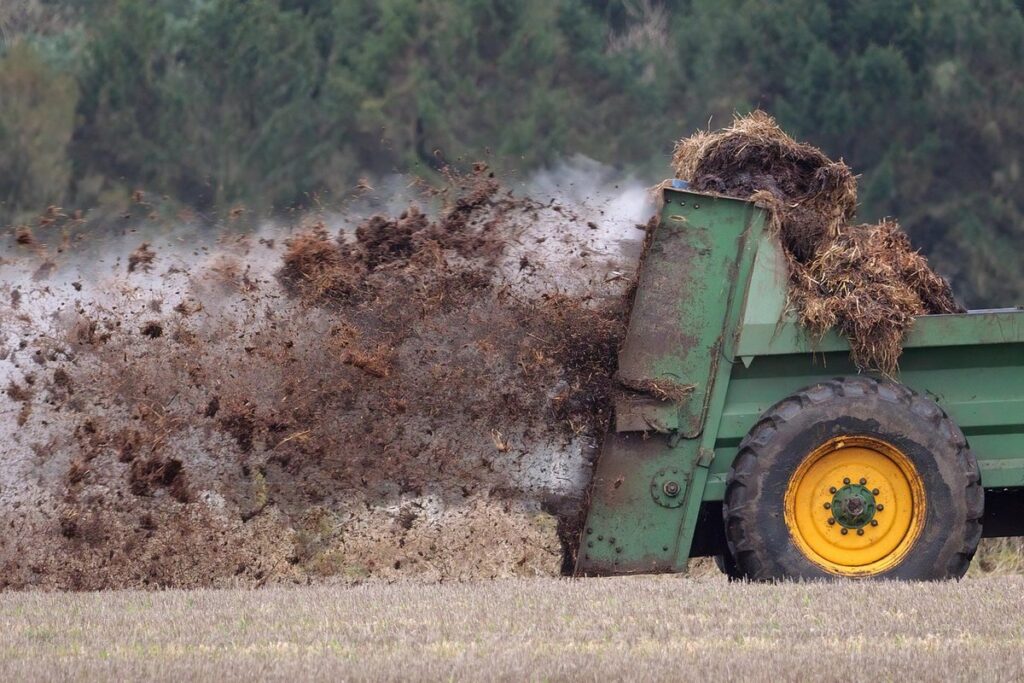
Understanding the Importance of Chicken Manure Aging
Let’s dive into why chicken manure aging is crucial for farmers and gardeners, as it significantly impacts nutrient availability and soil health. This process affects everything from crop yields to environmental sustainability.
What is Chicken Manure?
Chicken manure is a nutrient-rich waste product generated by poultry farms, primarily from chicken coops. It’s an excellent natural fertilizer that has been utilized in agriculture for centuries due to its high content of nitrogen, phosphorus, and potassium – essential macronutrients for plant growth. Chicken manure can be processed into various forms, including composted, dried, or pelletized, making it easier to apply in fields.
Farmers often use chicken manure as a soil amendment to improve fertility, structure, and overall health of the soil. Composted chicken manure is particularly valuable as it’s free from pathogens and weed seeds, making it an ideal choice for organic farming practices. A well-managed composting process can also increase the nutrient availability in the manure by up to 40%. As a result, farmers can reduce their reliance on synthetic fertilizers, minimize environmental pollution, and promote sustainable agricultural practices.
When applied correctly, chicken manure can boost crop yields and improve soil biodiversity. For instance, studies have shown that using composted chicken manure as a fertilizer can increase corn yields by up to 20% compared to conventional fertilizers. However, improper application or handling of chicken manure can lead to environmental contamination and water pollution issues. Therefore, understanding the aging time for chicken manure is crucial in optimizing its use as a valuable agricultural resource.
Benefits of Aged Chicken Manure
Using aged chicken manure as a fertilizer offers numerous benefits for gardeners and farmers. One of the primary advantages is improved soil health. Aged chicken manure is rich in nutrients such as nitrogen, phosphorus, and potassium, which are essential for plant growth. As it breaks down, these nutrients become readily available to plants, promoting healthy root development and increased crop yields.
Another significant benefit of aged chicken manure is its ability to reduce odors associated with fresh manure. Fresh manure can be pungent and unpleasant, but as it ages, the ammonia content decreases significantly, resulting in a more pleasant smell. This makes it easier to handle and store, reducing the risk of pollution and environmental contamination.
In addition to these benefits, aged chicken manure is also a slow-release fertilizer, providing nutrients to plants over an extended period. This means that you can apply it less frequently, saving time and resources. To utilize aged chicken manure effectively, mix it into the soil at a rate of 2-4% of the total soil volume, depending on your specific needs.
Factors Affecting Chicken Manure Aging Time
The aging time of chicken manure is influenced by several key factors, including temperature, moisture levels, and the presence of oxygen. Understanding these variables can help you optimize your composting process.
Temperature and pH Levels
Temperature and pH Levels play significant roles in determining the aging time of chicken manure. Temperature affects microbial activity, which is essential for breaking down organic matter in chicken waste. Microorganisms work best at temperatures between 40°F to 140°F (4°C to 60°C), with optimal breakdown occurring at around 70°F to 80°F (21°C to 27°C). If the temperature drops below freezing or rises above 150°F (65°C), microbial activity significantly slows down, prolonging the aging process.
pH levels also impact the decomposition rate. A pH range of 6.0 to 7.5 is ideal for optimal microbial growth and function. Extreme pH values can hinder or even cease microbial activity altogether, extending the aging time. For example, if the pH drops below 4.5 or rises above 9.0, it may take up to three times longer for chicken manure to break down completely.
In general, maintaining a stable temperature between 70°F and 80°F (21°C to 27°C) and keeping the pH within the optimal range can help expedite the aging process of chicken manure. This can be achieved by providing adequate ventilation, using natural or artificial aeration methods, and monitoring pH levels regularly through testing kits or soil sensors.
Moisture Content and Storage Methods
Maintaining optimal moisture levels is crucial to prevent spoilage and optimize chicken manure aging time. Excessive moisture accelerates microbial growth, leading to a faster breakdown of nutrients and potential pathogens. Aim for a moisture content between 30-40% for best results.
When storing aged chicken manure, consider the following methods:
* Covered Piles: Store manure in covered piles to prevent moisture accumulation and protect from external contaminants.
* Dry Stacking: Layer manure dry, allowing for air circulation to speed up drying process. However, be cautious not to expose it to direct sunlight or heat sources that could cause combustion.
* Bagged Storage: Use breathable bags or containers to store aged chicken manure, maintaining aeration and preventing moisture buildup.
Regardless of the storage method chosen, ensure proper ventilation to prevent anaerobic conditions that promote spoilage. Regular monitoring is also essential to detect any issues early on.
Determining Chicken Manure Aging Time
To determine the ideal aging time for your chicken manure, you need to consider factors such as moisture levels and decomposition rates. Let’s break down these variables together!
Using Composting Methods
Composting chicken manure is an effective way to reduce its bulk and odor while creating a nutrient-rich fertilizer for your garden. To compost chicken manure, you can use various techniques that cater to different space constraints and preferences. One popular method is windrow composting, where the manure is piled in long rows or “windrows” and turned regularly to speed up decomposition.
Another technique is in-vessel composting, which involves using a container or vessel to break down the manure. This method allows for precise control over temperature, moisture, and oxygen levels, making it ideal for small-scale operations or those with limited space. Both windrow and in-vessel composting require monitoring of carbon-to-nitrogen ratios and maintaining optimal temperatures between 131°F and 140°F (55°C to 60°C) to ensure efficient decomposition.
To get started with either method, mix the manure with bulking agents like straw or shredded newspaper to achieve a balanced carbon-to-nitrogen ratio. Regular turning of the compost piles will help speed up the aging process.
Analyzing Moisture and Temperature Parameters
Monitoring moisture and temperature parameters is crucial during the chicken manure aging process. These two factors can significantly impact the quality of the final product, as well as the time it takes to reach optimal aging levels.
To monitor moisture, you’ll need a hygrometer or a device that can measure moisture content accurately. Aim for a moisture level between 20% and 40%. If the moisture is too high (above 50%), it may lead to unpleasant odors and attract pests. On the other hand, if the moisture is too low (below 15%), it may cause the manure to dry out and lose its potency.
Temperature plays a vital role in the aging process as well. The ideal temperature range for chicken manure aging is between 130°F and 140°F (54°C and 60°C). If the temperature rises above 150°F, it can lead to nutrient loss and undesirable chemical reactions. To maintain optimal temperature levels, ensure that your aging facilities are well-ventilated and equipped with proper heating or cooling systems.
Regularly check the moisture and temperature readings to make necessary adjustments. This will help you achieve optimal aging conditions and get the best possible results from your chicken manure.
Monitoring and Maintaining Quality
Now that you understand the importance of aging time for chicken manure, let’s discuss how to monitor and maintain its quality to ensure a valuable fertilizer. This involves regular checks on moisture levels, pH, and nutrient composition.
Testing for Pathogens and Nutrients
Regular testing for pathogens and nutrients is crucial to ensure that aged chicken manure meets the required standards for safe use as a fertilizer. Pathogens like E. coli, Salmonella, and Campylobacter can pose significant risks to human health if not properly eliminated during the aging process.
To determine the presence of these microorganisms, take regular samples from the manure pile and send them to a certified laboratory for analysis. A minimum of 30-60 days’ aging time is often recommended to reduce pathogen levels by at least 90%. However, this timeframe may vary depending on factors like temperature, moisture content, and initial pathogen load.
Nutrient testing is equally important to ensure that the aged manure contains adequate amounts of essential nutrients like nitrogen, phosphorus, and potassium. A well-balanced nutrient profile not only supports healthy plant growth but also reduces the risk of nutrient overloading in soil. Regular analysis can help identify any deficiencies or excesses, allowing for adjustments to be made during the aging process.
A good rule of thumb is to test at least once a month, with more frequent testing during periods of rapid temperature fluctuations or when adding new manure sources to the pile. By incorporating regular testing into your quality control program, you can ensure that your aged chicken manure meets the highest standards for safety and efficacy.
Strategies for Preventing Spoilage
Maintaining quality and preventing spoilage of chicken manure is crucial to ensure its suitability for composting or other uses. Aeration plays a significant role in this process. Regular turning or aeration of the manure can help prevent anaerobic conditions, which can lead to the production of ammonia and the development of pathogenic bacteria.
To aerate effectively, it’s essential to turn the manure pile every 7-10 days during the initial stages. As the pile dries out and temperatures drop, you can reduce this frequency. You can also use fans or sprinklers to speed up the aeration process. However, be cautious not to over-aerate, as this can cause moisture loss.
Regular monitoring of pH levels and temperature is also vital in preventing spoilage. Aim for a pH range between 6.5 and 7.5 and temperatures below 60°C (140°F). By maintaining these parameters, you’ll ensure that the manure decomposes properly without producing off-odors or harmful byproducts.
Best Practices for Implementing Chicken Manure Aging
When it comes to successfully implementing chicken manure aging, following best practices is crucial to maximize benefits and minimize risks. This section provides actionable tips for doing so effectively.
Case Studies and Success Stories
Implementing chicken manure aging effectively can be seen in various real-life examples. A study conducted by a poultry farm in the United States demonstrated significant improvements after adopting a 30-day aging period for their chicken manure. The aged manure resulted in a 25% increase in nutrient content, allowing for more efficient fertilizer production and reduced greenhouse gas emissions.
Similarly, an Australian dairy farm successfully integrated chicken manure into its composting process by implementing a 45-day aging cycle. This led to a notable reduction in odor levels and improved the overall quality of their final compost product.
Lessons learned from these industry experts emphasize the importance of carefully selecting the aging duration based on specific needs and environmental factors. They recommend regularly monitoring parameters like carbon-to-nitrogen ratios, pH levels, and temperature to ensure optimal conditions for effective aging. This attention to detail enables farmers and manufacturers to unlock the full potential of chicken manure as a valuable fertilizer resource while minimizing environmental impacts.
Overcoming Challenges and Limitations
Implementing a chicken manure aging system can be challenging due to various limitations and constraints. One common issue is the high capital investment required for setting up the necessary equipment and infrastructure. To overcome this, consider renting or leasing equipment instead of purchasing it outright, which can significantly reduce upfront costs.
Another challenge is ensuring proper waste management practices are in place. This includes regular maintenance, cleaning, and disposal of aged manure to prevent odors and pest infestations. Regularly inspecting the aging system, scheduling regular deep cleans, and implementing a pest control plan can help mitigate these risks.
In addition, some farmers may struggle with determining the optimal aging time for their specific operation. This is often dependent on factors such as climate, feed type, and manure quality. To overcome this challenge, consult with industry experts or conduct trials to determine the best aging period for your farm’s unique conditions. By addressing these challenges proactively, you can ensure a smooth implementation of your chicken manure aging system and achieve optimal results.
Conclusion and Future Directions
Now that you’ve learned how to determine the perfect aging time for chicken manure, let’s summarize our findings and explore future applications.
Recap of Key Takeaways
As we conclude our comprehensive guide to chicken manure aging time, let’s recap the key takeaways that will help you make informed decisions about managing your poultry waste.
One of the primary findings from this article is the importance of understanding the specific aging times required for different applications. We discussed how varying factors such as moisture content, temperature, and carbon-to-nitrogen ratio can significantly impact the quality and usability of aged manure. For instance, composting chicken manure at 130°F (54°C) with a C:N ratio between 20:1 to 30:1 for 7-10 days can result in high-quality fertilizer.
Key recommendations from this article include:
* Regularly monitoring moisture content to maintain optimal aging conditions
* Implementing adequate ventilation and aeration systems during the composting process
* Conducting regular laboratory tests to ensure aged manure meets regulatory standards
By following these guidelines, poultry farmers and waste managers can effectively utilize chicken manure as a valuable resource for crop fertilization and soil improvement. Remember, proper management of aging times is crucial to producing high-quality fertilizer that benefits both the environment and agricultural productivity.
Final Thoughts and Recommendations
As you’ve navigated this comprehensive guide on chicken manure aging time, it’s essential to take away some key takeaways and recommendations for future exploration. Firstly, understanding the optimal aging time is crucial for efficient nutrient release and minimizing odors. By following our calculated guidelines, farmers can maximize their resource while ensuring environmental responsibility.
It’s also vital to acknowledge that every farm operation is unique, with varying factors influencing manure aging rates. Therefore, ongoing research and monitoring of your specific setup are necessary to refine these calculations. To this end, consider experimenting with different materials or additives to enhance the aging process.
Moreover, we emphasize the importance of integrating scientific methods with practical experience. By combining data-driven insights with real-world observations, you can develop a tailored approach that works best for your farm’s specific needs. This collaborative effort will not only optimize manure management but also contribute valuable knowledge to the agricultural community at large.
Frequently Asked Questions
How do I determine the optimal aging time for my chicken manure?
The ideal aging time varies depending on factors like temperature, moisture, and aeration. A general rule of thumb is to aim for temperatures between 130°F to 140°F (54°C to 60°C) for 2-3 days, followed by turning and monitoring the pile for another week or two. This process helps break down pathogens and odor-causing compounds.
Can I use a hot composting method with chicken manure?
Yes, hot composting is an excellent approach to accelerate the aging process while killing off weed seeds and pathogens. However, be cautious not to overheat the pile (above 160°F or 71°C), as this can lead to nutrient loss. Regular monitoring of temperature, moisture, and oxygen levels will help ensure a successful hot composting cycle.
How do I maintain quality control during the aging process?
Monitoring for pathogen presence and nutrient content is crucial. Regularly test your aged chicken manure using kits or sending samples to a lab can provide valuable insights into its safety and effectiveness as fertilizer. Keep accurate records of temperature, moisture levels, and turning times to ensure consistency in your composting methods.
Can I mix chicken manure with other organic materials for faster aging?
Mixing chicken manure with “green” materials like grass clippings or fresh vegetable scraps can speed up the decomposition process due to increased carbon-to-nitrogen ratios. However, be aware that this may require more frequent turning and monitoring to maintain optimal conditions.
How do I store aged chicken manure for future use in my garden?
Proper storage is essential to prevent spoilage and maintain the nutrient-rich quality of your aged chicken manure. Store it in a well-ventilated area, protected from moisture and direct sunlight. Consider using containers or bags with tight-fitting lids to preserve freshness and minimize odors during transportation or extended storage periods.