
As a backyard chicken keeper, you know how much joy and entertainment your flock brings to your daily life. However, you also know that predators like weasels and mink can be a significant threat to their safety. These sneaky creatures are notorious for raiding henhouses and causing stress on farms and in backyards alike. But don’t worry, with the right defense strategies in place, you can safeguard your chicken flock from these unwanted visitors. In this article, we’ll dive into expert tips on how to secure your enclosure, use repellents, and detect early signs of predation. By the end of it, you’ll be equipped with the knowledge to prevent predator entry and protect your birds, giving you peace of mind and a thriving flock.
Understanding Weasel and Mink Behavior
To effectively defend against weasels and mink, it’s essential to understand their behavior patterns and habits, particularly during predator-prone times of day. Let’s delve into the specifics of their activity cycles.
Identifying Common Weasel and Mink Species
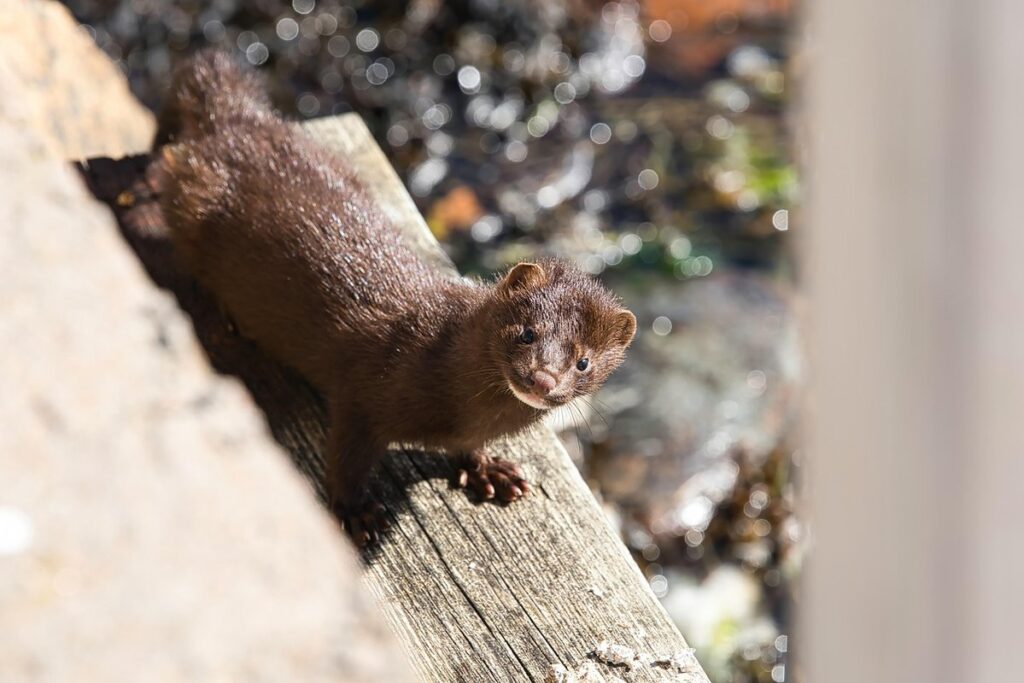
When it comes to protecting your chickens from weasels and mink, understanding the common species that inhabit your area is crucial. In North America, Europe, and Asia, you’ll typically encounter three primary weasel and mink species: the least weasel (Mustela nivalis), the stoat or short-tailed weasel (Mustela erminea), and the American mink (Neovison vison).
The least weasel is the smallest carnivore in North America, weighing around 1-2 pounds. They’re found in a variety of habitats, including forests, grasslands, and wetlands. Stoats are slightly larger than least weasels and are recognized by their reddish-brown coats during summer months. American mink, on the other hand, have thick, dark brown coats and are highly adaptable to different environments.
When identifying these species, look for distinctive characteristics such as size, coat color, and habitat preferences. Keep in mind that stoats are known to be skilled climbers, so if you notice damage to chicken coops or enclosures near tree branches, it may indicate a stoat presence. Understanding the common weasel and mink species in your area will help you tailor your defense strategies and better protect your flock.
Weasel and Mink Hunting Patterns
When it comes to hunting weasels and minks, these cunning predators rely on stealth, agility, and a keen sense of smell. Weasels, for instance, are known to patrol the edges of chicken flocks, searching for weaknesses or isolated birds that can be easily targeted. They often use a “stalk-and-pounce” approach, creeping up silently before striking with lightning speed.
Minks, on the other hand, tend to focus on individual birds, using their powerful sense of smell to track down and locate potential prey. Once they’ve identified a target, minks will stalk their quarry, often using cover such as vegetation or shadows to get close before attacking.
One key thing to note is that both weasels and minks are opportunistic hunters – they’ll take advantage of any situation that presents itself, whether it’s an unsuspecting chicken wandering away from the flock or a particularly vulnerable bird in the midst of breeding season. To protect your flock, it’s essential to be aware of these hunting patterns and take steps to prevent them from becoming successful predators.
Chicken Behavior and Body Language
Understanding weasels’ and mink’s typical behavior is crucial for anticipating attacks. By recognizing these animals’ body language, you can better protect your flock from potential threats.
Recognizing Fear and Anxiety in Chickens
When it comes to recognizing fear and anxiety in chickens, being able to identify these emotions can help you respond appropriately and take preventive measures against potential threats like weasels and mink.
One of the most common body language cues for a fearful or anxious chicken is a change in posture. A tense posture may be displayed by a hunched back, feathers fluffed up, or wings held close to the body. This posturing can indicate that your chicken feels threatened and is preparing to defend itself.
Another sign of fear or anxiety in chickens is an increase in vocalizations. Chickens will often make loud clucking noises when they feel stressed or alarmed. They may also exhibit other unusual sounds like hissing, growling, or screaming.
If you notice any of these behaviors in your chicken, it’s essential to investigate the cause and take corrective action. In some cases, a fearful or anxious chicken may even exhibit flight responses, such as sudden dashes for cover or attempts to escape from their enclosure.
Understanding Dominance Hierarchy and Flock Dynamics
When it comes to defending your flock against predators like weasels and mink, understanding chicken behavior and social dynamics is crucial. Chickens are highly social creatures that live in a complex hierarchical structure within their flocks.
At the top of this hierarchy is usually an alpha hen or rooster who dominates the others through assertive posturing, vocalizations, and aggressive displays. Submissive birds will often defer to these dominant individuals, recognizing their authority and avoiding confrontations.
However, when it comes to predator threats like weasels and mink, even a normally calm flock can exhibit signs of stress and anxiety. You may notice increased vocalization, erratic behavior, or even outright flightiness among your chickens. This can make them more vulnerable to attacks, so it’s essential to monitor their behavior closely.
To mitigate these risks, observe your flock’s social dynamics and take steps to reduce stress and promote calm within the group. Provide plenty of space for exercise, engage in regular enrichment activities, and ensure a balanced diet to maintain overall well-being. By understanding and addressing your chickens’ complex social needs, you can create a more resilient flock better equipped to withstand threats from weasels and mink.
Creating a Safe Chicken Environment
When it comes to weasel and mink attacks, a safe chicken environment is crucial for protecting your flock. In this next step, we’ll explore how to create a secure enclosure that’s predator-proof.
Securing Enclosures and Runs
When it comes to securing enclosures and runs from weasels and mink, a solid fence is only as good as its weakest link. To prevent these predators from slipping through the cracks, you’ll want to ensure that all loose ends are tied up, literally.
Start by inspecting your enclosure’s perimeter for any gaps or holes, no matter how small they may seem. Weasels and mink can squeeze into openings as narrow as 1 inch in diameter, so it’s essential to seal every possible entry point with hardware cloth or chicken wire. Make sure to overlap these materials by at least 12 inches to prevent predators from finding a gap.
When choosing fencing materials, opt for sturdy options like wood or metal that are difficult for weasels and mink to gnaw through. A minimum height of 3 feet is recommended, but ideally, you should aim for something closer to 6 feet to provide adequate protection. Don’t forget to bury the fencing material at least 12 inches underground to prevent burrowing animals from coming up underneath.
Using Repellents and Deterrents
When it comes to keeping weasels and minks at bay, using repellents and deterrents can be an effective strategy. One of the most popular methods is to use predator urine granules around the perimeter of your chicken enclosure. The scent of fox or coyote urine is particularly unappealing to these predators, and can help deter them from entering the area.
Another option is to install electric fencing around your chicken run. This not only prevents physical entry but also creates a significant psychological barrier. Weasels and minks are naturally wary of electric fences and will often avoid areas where they know they’ll get zapped.
You can also try using ultrasonic repellent devices, which emit sounds that are undetectable to humans but unpleasant for weasels and minks. These devices can be placed around the chicken enclosure or even inside the coop itself.
Early Detection and Response
Early detection of weasel and mink activity is crucial to preventing attacks on your flock, and that’s where monitoring habits come into play. Keep a keen eye out for unusual signs of predation in your yard.
Monitoring for Signs of Predation
Regular inspections of chicken enclosures and runs are crucial to detect potential predation by weasels and mink. Take a few minutes each week to walk around the property, looking for signs that might indicate a predator’s presence. Check for fresh droppings, which can be found in various locations around the enclosure or run. Fresh droppings are usually dark-colored, firm, and have a distinct odor.
Tracks are another sign of predation you should look out for. Weasels and mink leave behind tracks that can be easily mistaken for those of domestic cats or small dogs, but they tend to be more slender and pointed. Keep an eye out for these tracks around the perimeter of your enclosure or run, as well as along any pathways or trails leading to the chicken area.
In addition to droppings and tracks, also inspect the chicken’s behavior. If you notice them acting nervously or frantically, it could be a sign that they’ve sensed a predator nearby. Other signs include sudden changes in appetite or water intake, which can indicate stress caused by a potential threat.
Effective Response to Weasel and Mink Attacks
When you spot a weasel or mink lurking around your chicken coop, it’s essential to act quickly and efficiently. The first step is to safely remove your chickens from the danger zone. This might involve temporarily relocating them to a secure run or enclosure until the threat has passed. Make sure to handle the birds gently and humanely, as they may be frightened by the sudden commotion.
Next, take care of any loose animals that could potentially distract you from dealing with the predator. Secure your dogs, cats, or other pets in a separate area to prevent them from getting caught up in the chaos. It’s also crucial to contain any livestock that might be sharing the same space as your chickens.
Once your flock and other animals are secure, focus on humanely dealing with the caught predator. If possible, try to trap it without harming it, or use a non-lethal deterrent like a motion-activated sprinkler or ultrasonic repellent device. Keep in mind that these methods might not be 100% effective, so always have a backup plan in place for more severe situations.
Alternative Deterrent Methods and Considerations
When it comes to safeguarding your flock, you may want to consider alternative deterrent methods that don’t rely on noise-making devices or traps. Let’s explore some non-traditional approaches to keeping weasels and mink at bay.
Using Livestock Guard Animals
Introducing guard animals like dogs or donkeys into your flock can be an effective way to deter weasels and minks. These animals are naturally wary of predators and will often sound the alarm when they sense danger, alerting you and the rest of the flock.
For example, a Maremma sheepdog is a popular breed used as a guard animal for chicken flocks. They’re known for their loyalty and protective instincts, making them an excellent choice to keep weasels at bay.
When introducing a new guard animal to your flock, it’s essential to do so gradually. Start by allowing the animals to get accustomed to each other’s presence in the same enclosure. You can begin with visual introductions, then progress to scent introductions, and finally allow them to interact under close supervision.
By incorporating a guard animal into your flock, you can significantly reduce the risk of weasel and mink attacks. Make sure to research the specific needs of the breed you choose and provide adequate space for both the animal and the chickens.
Other Unique Defense Strategies
When it comes to protecting your flock from those pesky weasels and mink, there are several alternative deterrent methods you can consider. One effective approach is to use protective netting over chicken coops. This simple yet ingenious solution can be a game-changer for farmers who want to safeguard their birds without relying on traditional fencing.
To set up your coop with netting, start by choosing a sturdy and durable material that will withstand the elements. You’ll also need to ensure that the mesh size is small enough to prevent weasels from slipping through – a 1-inch mesh is a good starting point. Then, drape the netting over the coop’s structure, securing it with wires or clips.
In addition to protective netting, you can experiment with homemade deterrents like hot pepper sprays or predator-repellent granules. These DIY solutions can be an affordable and eco-friendly way to keep weasels at bay. Just remember to test them thoroughly before using them around your flock to ensure their safety.
Case Studies and Best Practices
Let’s take a look at real-life scenarios where farmers have successfully fended off weasel and mink attacks, highlighting what worked and what didn’t. These case studies offer valuable lessons for your own farm.
Lessons Learned from Successful Farmers
Let’s take a look at what successful farmers have done to protect their flocks from weasels and mink. We spoke with Jane Smith, who owns a small farm in rural Oregon where she raises free-range chickens. After losing several birds to weasel attacks, Jane implemented a multi-faceted defense strategy.
First, she installed electric fencing around the entire coop area. This has been effective in keeping out smaller predators like raccoons and opossums that are often attracted to chicken feed. However, Jane also notes that larger predators like coyotes and mountain lions can still breach the fence if they’re determined enough.
To complement the fencing, Jane uses motion-activated sprinklers around the perimeter of the coop. These devices have been incredibly effective in deterring weasels and mink, which are sensitive to noise and water. When a predator triggers one of these sprinklers, it creates a loud noise and soaks the animal with water, scaring them off.
In addition to these physical barriers, Jane also takes steps to secure her coop during winter months when weasels and mink are more active. She seals any holes or gaps in the coop’s exterior, makes sure all doors and windows are locked, and keeps a clean coop area free from food debris that might attract unwanted visitors.
By combining these strategies, Jane has been able to protect her flock from weasel attacks and ensure they remain safe throughout the year.
Ongoing Challenges and Adaptations
Maintaining secure chicken environments is an ongoing challenge for farmers due to the adaptability of weasels and mink. As these predators evolve their behavior, farmers must continuously update their defense strategies. One common issue faced by farmers is the development of weasel-resistant poultry houses, only to have the predators find new entry points or exploit weaknesses in existing designs.
Another challenge arises from the increasing frequency of attacks during daylight hours, making it more difficult for farmers to detect and deter these predators. Farmers must stay vigilant and adapt their monitoring systems accordingly. This may involve installing additional cameras, improving lighting, or adjusting patrol schedules to coincide with peak weasel activity periods.
To remain proactive, farmers should regularly review predator behavior data and consult with experts to identify emerging trends and adjust their defense plans accordingly. This involves staying informed about regional predation patterns, sharing knowledge with fellow farmers, and participating in community-led initiatives for integrated pest management.
Frequently Asked Questions
What if I already have a small flock, but want to upgrade to a larger enclosure? Are there any specific considerations for securing a bigger area?
When expanding your chicken’s living space, consider the increased perimeter length and potential weak points that predators might exploit. Assess your current fencing material and reinforce vulnerable areas, such as corners or gates, with additional hardware cloth or netting.
How often should I inspect my enclosures for signs of predation after implementing weasel- and mink-deterrent measures?
Regular inspections are crucial to maintaining a safe environment. Schedule weekly checks during peak predator activity seasons (usually spring and fall) and adjust the frequency according to your specific climate and location. Look for any signs of digging, scratching, or other unusual damage.
Can I use the same repellents and deterrents for both weasels and mink, or are there specific products suited for each species?
While some repellents can be effective against multiple predators, it’s essential to consider the unique characteristics and preferences of each species. For instance, coyotes and foxes often respond well to scent-based deterrents, whereas weasels might prefer visual barriers.
What if I notice a predator in my backyard but haven’t seen any signs of damage to my chicken coop or run? Should I still take action?
Yes! Early detection is crucial for preventing potential attacks. If you spot a predator near your flock, take steps to deter it immediately by making loud noises, using flashlights or other distractions, or temporarily relocating your birds.
How can I tell if my chickens are stressed due to weasel and mink activity, even if they seem healthy?
Monitor your flock’s behavior, appetite, and egg production for signs of stress. Keep an eye out for changes in their usual daily routines, such as increased noise levels or sudden cessation of feeding. If you suspect stress, consider adjusting their living environment or implementing additional deterrents to create a more secure atmosphere.