
As your flock grows older, you’ll notice changes in their behavior, appetite, and overall health. Caring for aging chickens requires attention to their specific needs, from nutrition and environmental enrichment to health monitoring and handling techniques. It’s essential to adapt your care routine to ensure your senior hens live a happy, healthy life. In this article, we’ll share practical tips and strategies to help you provide the best possible care for your aging flock. We’ll cover topics such as optimizing their diet, creating a comfortable living environment, recognizing signs of illness or pain, and using gentle handling techniques to reduce stress. By implementing these senior chicken care tips, you can improve the quality of life for your feathered friends and enjoy many more years with them.
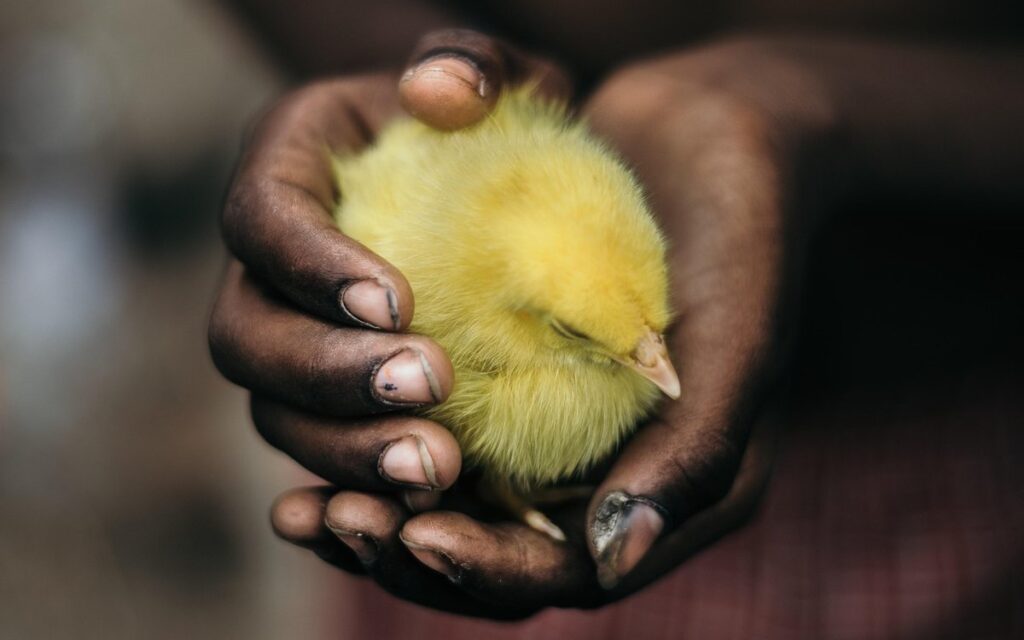
Understanding Your Aging Flock
As your flock ages, it’s essential to monitor their health and behavior closely, identifying any changes that could indicate underlying issues. Let’s explore how to recognize these signs together.
Recognizing Age-Related Changes in Chickens
As your flock ages, it’s essential to recognize age-related changes that may impact their health and well-being. One of the most noticeable indicators of aging in chickens is reduced mobility. You may notice that older birds are less inclined to roam freely or engage in activities they once enjoyed. This can be due to joint pain, arthritis, or simply a decline in physical fitness.
Another common age-related change is weight loss. As chickens mature, their metabolism slows down, and they may not burn energy as efficiently. This can lead to weight loss if they’re not provided with adequate nutrition. Be aware of any sudden changes in your flock’s weight, as this can be an indicator of underlying health issues.
Regular monitoring of your birds’ behavior and physical condition is crucial. Keep an eye out for any changes in appetite, droppings, or overall demeanor. If you notice any significant deviations from their usual behavior, consult with a veterinarian experienced in poultry care to determine the best course of action.
Health Risks Associated with Aging Chickens
As your flock ages, they become increasingly susceptible to various health risks that can have significant implications for their well-being and longevity. One of the primary concerns is their decreased immune function, which makes them more vulnerable to diseases such as respiratory infections, Marek’s disease, and tumors.
Aging chickens may also experience a range of physical changes that compromise their overall health, including feather loss, weight loss, and vision impairment. These issues can be exacerbated by factors such as environmental stress, inadequate nutrition, and poor living conditions. For instance, chickens with vision problems may struggle to find food and water, leading to malnutrition and dehydration.
To mitigate these risks, it’s essential to provide your aging flock with a safe and nurturing environment that meets their unique needs. This includes providing easy access to food, water, and shelter, as well as ensuring they receive adequate veterinary care and monitoring for potential health issues. By being proactive and responsive to the changing needs of your senior chickens, you can help them live healthy, happy lives in their golden years.
Nutrition for Senior Chickens
As your senior hens age, it’s essential to ensure they’re receiving the right nutrients to maintain their health and well-being, particularly in their digestive system. A balanced diet will help prevent common issues associated with aging chickens.
Dietary Changes for Older Birds
As your flock ages, their nutritional needs change. Older chickens require fewer protein and more fiber to maintain their health. This may seem counterintuitive, as young birds need high-protein diets for growth. However, older chickens’ reduced muscle mass and decreased physical activity necessitate a shift in nutrient balance.
Aim to reduce the protein content of your hens’ diet by 10-15% after they reach 3-4 years old. This can be achieved by substituting their commercial layer feed with a lower-protein option or mixing in some plain, unflavored oats or barley. Fiber-rich ingredients like whole grains, fruits, and vegetables should also take center stage.
Incorporating leafy greens like kale, spinach, and collard greens into your flock’s diet will provide essential fiber, vitamins, and minerals while reducing their reliance on protein-rich foods. Apples, carrots, and sweet potatoes make great additions too!
Providing Adequate Hydration for Seniors
As senior chickens age, their bodies undergo natural changes that can impact their ability to stay hydrated. Decreased mobility can make it harder for them to reach water sources, while kidney function issues may impair their kidneys’ ability to regulate fluids. Ensuring adequate hydration is crucial to maintaining their overall health and well-being.
To ensure your senior chicken is drinking enough, provide multiple water sources throughout the coop and run. Place waterers at lower levels or use a heated waterer to make it easier for them to access. Consider using a drip system or a watering can with a long spout to reduce strain on their necks. It’s also essential to monitor your senior chicken’s water intake regularly, checking that they’re drinking enough each day.
Aim to provide at least one gallon of water per bird per day, adjusting according to climate and activity level. You may need to change the water frequently to encourage your senior chickens to drink more.
Environmental Enrichment for Aging Flocks
As your flock ages, it’s essential to provide a stimulating environment that encourages mental and physical activity, preventing boredom and stress caused by lack of exercise. This section explores ways to enrich their surroundings.
Creating a Comfortable Environment
As chickens age, their physical abilities and comfort needs change. To promote their well-being and mobility, it’s essential to modify their environment accordingly. Provide sturdy perches that are at least 2 feet wide and 3-4 feet long, allowing them to easily move around without straining their joints. Consider adding ramps or steps for easier access to roosting bars, as senior chickens may struggle with climbing.
Ensure food and water are placed in accessible locations, eliminating the need for frequent trips. Use elevated feeders that allow them to eat comfortably from a seated position. For added comfort, provide soft bedding like straw or wood shavings, which can help cushion joints and reduce strain on their bodies.
Regularly inspect your flock’s living space and make adjustments as needed. Consider the layout of your coop, ensuring it’s easy for senior chickens to navigate. Don’t forget to maintain good ventilation, providing fresh air and reducing stress. By adapting your flock’s environment, you’ll be giving them a comfortable and safe place to live out their golden years.
Reducing Stress and Promoting Relaxation
As our beloved flock ages, it’s essential to prioritize their emotional well-being. A low-stress environment is crucial for promoting relaxation and reducing stress in senior chickens. Noise levels can be a significant contributor to stress, especially for older birds that may have hearing impairments or sensitivities. To minimize noise levels, consider providing a quiet area within the coop or run where your flock can retreat when feeling overwhelmed.
Introduce calming elements such as soft music, nature sounds, or even aromatherapy specifically designed for poultry. You can also try using white noise machines to create a soothing atmosphere. Another strategy is to provide plenty of perches and roosting bars for your seniors to climb on, allowing them to engage in natural behaviors like stretching and exercising.
By implementing these strategies, you’ll be creating an environment that fosters relaxation and reduces stress in your aging flock. This can have significant benefits, including improved mental health, increased appetite, and a stronger immune system. Remember, it’s the little things that count when it comes to providing exceptional care for your senior chickens.
Health Monitoring and Early Intervention
As your senior hens age, monitoring their health closely becomes crucial. Regular checks can help you detect potential issues early on and ensure they receive timely care.
Identifying Warning Signs of Illness
As your senior chickens age, they may begin to show warning signs of illness or disease. It’s essential to recognize these indicators early on and respond accordingly to prevent further health complications. Changes in appetite are a common sign of illness in older chickens. If you notice that your birds are eating less than usual, it could be an indication of digestive issues, kidney problems, or even cancer.
Another warning sign is a change in droppings. Senior chickens may produce fewer or more frequent droppings, which can be a sign of dehydration, constipation, or diarrhea. Monitor the color and consistency of their droppings regularly to catch any abnormalities early on.
Other signs of illness to watch for include lethargy, labored breathing, and loss of feathers. If you notice any of these symptoms in your senior chickens, consult with a veterinarian experienced in poultry care immediately. Early intervention is crucial in preventing serious health issues and ensuring the quality of life for your aging flock members.
Regular Veterinary Check-Ups
Regular veterinary check-ups are crucial for senior chickens due to their increased susceptibility to disease. As chickens age, their immune systems weaken, making them more prone to illnesses such as respiratory infections, parasites, and cancer.
During a routine health check, your veterinarian will examine your chicken’s overall condition, looking for signs of weight loss, changes in behavior, or labored breathing. They may also perform diagnostic tests like blood work, urinalysis, or X-rays to identify underlying health issues.
It’s essential to schedule regular check-ups with your veterinarian as part of your senior chicken care routine. The American Association of Avian Veterinarians recommends annual check-ups for chickens over 3 years old. By staying on top of your chicken’s health through regular veterinary visits, you can catch potential problems early and prevent them from becoming more serious issues.
To make the most of your veterinary visit, be sure to keep a record of your chicken’s vaccination history, diet, and any changes in behavior or appearance between check-ups. This information will help your veterinarian provide personalized advice and care for your senior feathered friend.
Handling and Restraint Techniques
As your senior chickens age, they may become more wary of handling, so it’s essential to know how to gently restrain them for veterinary care. This section will cover safe and humane techniques for both you and your birds.
Gentle Handling for Senior Chickens
When it comes to caring for senior chickens, handling them gently and with care is crucial. As they age, their joints and bones become more fragile, making them prone to injury from rough handling. To support their weight and avoid causing discomfort or injury, follow these essential handling considerations.
Firstly, always approach your senior chicken calmly and quietly to avoid startling them. Allow them time to see you coming, then gently scoop them up with both hands, supporting their body and legs. For larger breeds, consider using a towel or blanket to cushion their weight and provide extra support.
When picking up a senior chicken, be mindful of their wings and tail feathers. Avoid grasping or pinching these areas as they can cause pain and discomfort. Instead, gently cradle them in your arms, making sure their head is secure and supported.
By following these simple handling tips, you’ll be able to care for your senior chickens with confidence and keep them safe from injury. Remember, gentle handling is key to a happy and healthy senior flock.
Restraint Methods for Vaccinations or Medical Procedures
When it’s time for vaccinations or medical procedures for your senior chickens, restraint can be a delicate matter. It’s essential to balance the need for safety with minimal stress and maximum comfort for your aging flock members.
One suitable method is the ‘T-handling’ technique, where one person gently supports the chicken under its wings while another person administers the vaccine or performs the procedure. This approach allows for easy access without causing undue distress.
Another option is using a ‘chicken tunnel‘, a simple enclosure that provides a calm environment and keeps your bird in place during treatment.
When handling senior chickens, be mindful of their fragile bones and use gloves to prevent injury to both yourself and the chicken. Avoid holding them too tightly or for extended periods as this can cause unnecessary stress.
Remember, always prioritize your birds’ well-being and comfort throughout these procedures. By choosing gentle restraint methods, you’ll help minimize the risk of complications and ensure a smoother recovery for your senior flock members.
Conclusion
As we conclude our comprehensive guide to senior chicken care, let’s review key takeaways and summarize the most important tips for creating a happy and healthy golden years for your feathered friends.
Recap of Key Takeaways
As we come to the end of this comprehensive guide on senior chicken care, let’s take a moment to review the essential tips and recommendations for maintaining a healthy and happy aging flock.
Firstly, it’s crucial to recognize that as chickens age, their nutritional needs change. We discussed the importance of providing a balanced diet rich in calcium, protein, and vitamins to support joint health, muscle function, and overall well-being. A gradual transition to senior feed can help alleviate digestive issues and ensure your birds receive the necessary nutrients.
Another key aspect of senior chicken care is maintaining mobility and comfort. Providing a safe and accessible environment is vital, with easy access to food, water, and shelter. This includes removing obstacles, ensuring adequate space, and considering ramps or lifts for easier movement. Additionally, offering soft bedding materials can help alleviate joint pain and discomfort.
Regular health checks are also essential in detecting potential issues early on. Monitoring your birds’ behavior, appetite, and stool quality can alert you to any changes or concerns. We discussed the importance of providing regular veterinary check-ups and staying up-to-date with vaccinations to prevent common senior-related health issues.
Lastly, showing love, care, and attention to your aging flock is crucial for their emotional well-being. Spend quality time with your birds, provide enrichment activities, and make sure they have plenty of social interaction to combat loneliness.
By implementing these essential tips, you can help ensure a happy, healthy, and fulfilling life for your senior chickens. Remember, every bird is unique, so stay attentive to their individual needs and adjust your care accordingly.
Frequently Asked Questions
How can I determine the ideal age for switching to a senior chicken feed?
Determining the right age to switch your flock to a senior chicken feed depends on several factors, including breed, health conditions, and individual bird needs. Generally, most chickens begin showing signs of aging around 5-7 years old. Consult with a veterinarian to assess your birds’ specific requirements and recommend an optimal time for transitioning to a senior feed.
What if I have multiple chickens in different stages of aging? How can I provide customized care?
It’s essential to differentiate between flock members at various stages of aging when creating a customized care plan. Monitor each bird’s health, behavior, and living environment separately, making adjustments as needed. You may need to consider individual nutritional requirements, provide separate areas for resting and exercise, or modify your overall management strategy to accommodate the varying needs of different age groups within your flock.
What are some common mistakes people make when caring for senior chickens?
Common errors include inadequate nutrition planning, failing to monitor health changes closely, and neglecting environmental enrichment. Avoid these pitfalls by regularly assessing your birds’ eating habits, observing behavioral changes, and providing engaging activities and stimulating environments to prevent boredom and stress.
How often should I schedule regular veterinary check-ups for my aging flock?
Schedule annual or bi-annual check-ups with a veterinarian experienced in poultry care to monitor the health of your senior chickens. This frequency allows you to catch potential issues early on and receive guidance on maintaining optimal health throughout their golden years.
Can I use any medication or supplements specifically formulated for older dogs or cats with my senior flock?
While medications and supplements designed for other animals may seem like a convenient solution, it’s crucial to consult with a veterinarian before administering them to your chickens. Many products are formulated for different species, and using inappropriate treatments can lead to adverse reactions or even be toxic to your birds.