
Backyard chicken keeping can be a joyous hobby, but with great reward comes great responsibility. One crucial aspect to consider is protecting your flock from diseases and potential threats that can spread quickly through contaminated environments or unsanitary practices. As a backyard flock owner, you want to ensure the health and well-being of your birds, which is why understanding biosecurity basics is essential. In this article, we’ll delve into the must-know cleaning protocols, isolation procedures, and visitor control measures to safeguard your flock’s health. By mastering these basic yet critical practices, you can significantly reduce the risk of illness, maintain a thriving flock, and enjoy the benefits of backyard chicken keeping with peace of mind. Let’s get started on this crucial journey towards biosecurity basics for your backyard flock!
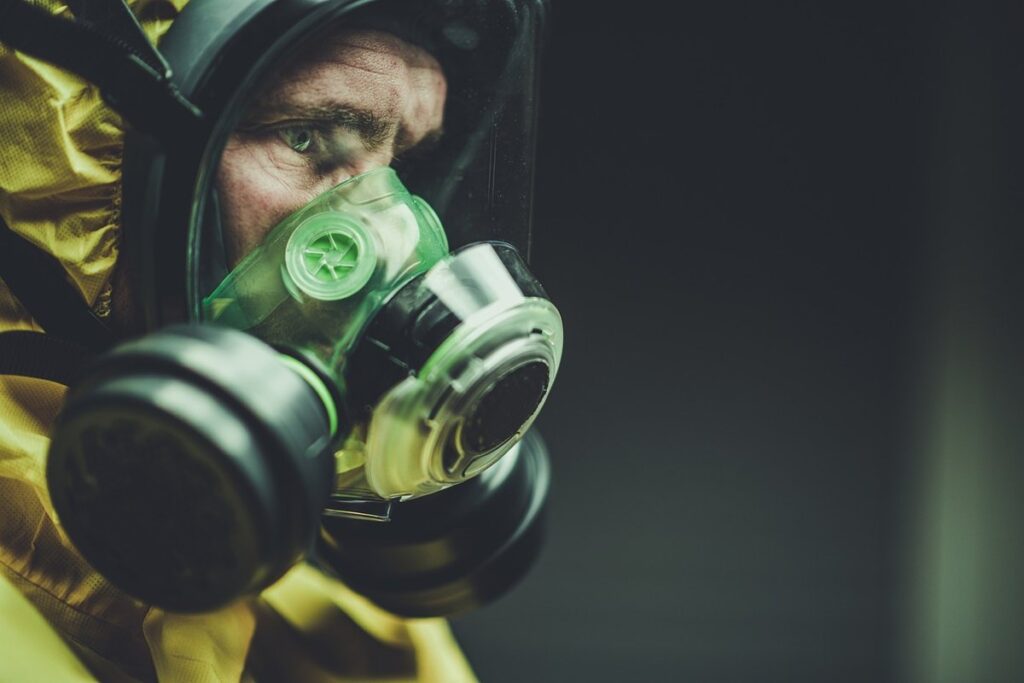
Understanding Biosecurity in Your Backyard Flock
When it comes to protecting your backyard flock from diseases and pests, understanding biosecurity basics is crucial for their health and well-being. Let’s dive into some essential practices that will help you keep your birds safe.
Importance of Biosecurity
Biosecurity is not just a buzzword; it’s a critical component of maintaining a healthy and thriving backyard flock. When we talk about biosecurity, we’re referring to the measures taken to protect our birds from diseases and other health threats. The importance of biosecurity cannot be overstated, as it directly impacts the overall well-being of your flock.
A single infected bird can spread disease to others in its environment, leading to a rapid decline in the flock’s health. This is especially concerning for backyard flocks, which often have limited access to veterinary care and may rely on owners to detect early signs of illness. Without proper biosecurity measures, you risk losing your entire flock to disease.
To put this into perspective, consider that the average cost of treating a single bird for a common disease like avian influenza can be upwards of $100. Multiply that by the number of birds in your flock, and the financial impact becomes staggering. By prioritizing biosecurity, you not only protect your birds but also safeguard your investment in their care and well-being. Regular cleaning and disinfection, proper ventilation, and monitoring for signs of illness are all crucial components of a comprehensive biosecurity plan.
Defining Biosecurity
When it comes to backyard flock biosecurity, understanding what it entails is crucial. Biosecurity refers to the practices and measures taken to prevent the introduction and spread of diseases within your flock. It’s a multi-faceted approach that involves not just one or two steps, but rather a comprehensive strategy to maintain a healthy environment for your birds.
At its core, biosecurity consists of three key elements: cleaning, sanitation, and isolation. Cleaning refers to removing visible signs of contamination such as dirt, manure, or debris from your coop and run. Sanitation involves disinfecting high-touch areas like feeding troughs, waterers, and nesting boxes with a solution of 1 part bleach to 10 parts water.
Regular cleaning and sanitation are essential in preventing the buildup of pathogens that can cause disease outbreaks. Isolation is also critical as it prevents direct contact between healthy birds and those that may be infected or exposed to diseases. This includes quarantining new birds before introducing them to your flock, and separating sick birds from the rest.
By implementing these biosecurity measures, you’ll significantly reduce the risk of disease introduction and spread within your backyard flock.
Assessing Your Flock’s Vulnerability to Disease
When assessing your flock’s vulnerability to disease, start by evaluating their exposure to external risks such as predators and neighboring birds. Consider factors like coop design and location to identify potential weak points.
Identifying High-Risk Factors
When it comes to identifying high-risk factors in your backyard flock, understanding common vulnerabilities is key. Poor sanitation tops the list, with dirty feeders, waterers, and run conditions allowing pathogens to spread quickly. Failing to change bedding regularly, store manure properly, or disinfect equipment can create a fertile breeding ground for disease.
Inadequate vaccinations are another significant risk factor. While it’s essential to work with your veterinarian to develop a vaccination plan tailored to your flock’s specific needs, skipping boosters or not vaccinating chicks and pullets at all can leave them vulnerable to serious illnesses.
Overcrowding is also a major concern. When birds are packed too tightly together, their immune systems are overwhelmed, making it easier for diseases like avian influenza and Marek’s disease to take hold. Consider implementing ways to increase space per bird, such as expanding your run or adding roosting bars to prevent congestion.
Remember, identifying these high-risk factors is just the first step – now it’s time to take action!
Evaluating Your Current Biosecurity Measures
Assessing your current biosecurity measures is an essential step in protecting your backyard flock from disease. To do this effectively, you’ll need to evaluate your feed, water, and living conditions. Start by examining the source of your feed and whether it’s coming from a reputable supplier. Check for any recalls or contamination issues with the feed mill.
Next, inspect your water supply. Ensure that it’s free from standing water, debris, and other contaminants that can attract pests. Consider installing a water filter or changing your watering system if needed. Living conditions also play a crucial role in biosecurity. Assess the cleanliness of your coop and run, removing any soiled bedding material and disinfecting all surfaces regularly.
Additionally, evaluate your flock’s access to the outdoors and whether it’s secure from predators. Make sure that any gates or enclosures are sturdy and free from gaps. Conduct regular inspections of these areas to identify potential vulnerabilities. By taking a closer look at these essential elements, you’ll be better equipped to strengthen your flock’s defenses against disease.
Implementing Essential Biosecurity Practices
To effectively safeguard your flock, it’s essential that you implement key biosecurity measures to prevent disease introduction and reduce the risk of illness spreading through your birds. Let’s break down the must-haves.
Cleaning and Sanitation Protocols
Effective cleaning and sanitation are crucial components of backyard flock biosecurity. A well-planned schedule helps prevent disease outbreaks by removing pathogens and contaminants that can spread illness among your birds.
When creating a cleaning and sanitation schedule, start by categorizing areas of the coop, run, and equipment into high-risk zones. High-traffic areas like nesting boxes, roosting bars, and feeding stations require more frequent cleaning than lower-risk zones like storage spaces or less-used nesting boxes.
Aim to clean these high-risk areas daily, using a combination of manual removal of soiled bedding, disinfectants, and fresh water for rinsing. For example, you can use a 10% bleach solution to disinfect high-touch surfaces like roosts and feeders. Always rinse thoroughly with clean water after disinfecting to prevent residue buildup.
For less frequent tasks, schedule deep cleaning of the coop every 4-6 weeks. This involves scrubbing all surfaces, replacing bedding, and sanitizing equipment. By prioritizing these daily and periodic cleaning tasks, you’ll create a safer environment for your flock and reduce the risk of disease transmission.
Isolation and Quarantine Procedures
Setting up isolation areas for new birds is crucial to prevent disease transmission. This involves designating a specific area where new birds will be kept before introducing them to the main flock. The goal is to minimize contact between these birds and your existing flock, reducing the risk of disease spread.
When setting up an isolation area, consider using a separate building or section of your property that can be easily cleaned and disinfected. If this isn’t feasible, use a designated quarantine enclosure within your existing coop. Make sure it’s equipped with all necessary amenities, such as food, water, and ventilation, to ensure the health and well-being of the birds.
Quarantine protocols involve monitoring new birds for signs of illness or stress and keeping them separate from the main flock until they’ve been cleared by a veterinarian. A typical quarantine period is 30 days, but this can vary depending on your local regulations and the specific risk factors involved.
When introducing new birds to the main flock, do so gradually, starting with visual introductions through fencing or partitions before allowing direct contact. This helps prevent stress and potential aggression issues.
Managing External Risks
As a backyard flock owner, managing external risks is crucial to protecting your birds and preventing disease outbreaks, which can spread from neighboring flocks or wildlife. Let’s discuss key strategies for minimizing these external threats.
Visitor and Pet Control
When visitors come to your backyard flock, they can inadvertently bring disease pathogens on their clothing, shoes, and equipment. To minimize this risk, it’s essential to establish a visitor policy that includes guidelines for interacting with your birds. This may involve asking visitors to wash their hands thoroughly before handling the flock, wearing protective clothing and footwear, and avoiding direct contact with birds if they’re showing symptoms of illness.
As for pets, some diseases can be transmitted through animal-to-animal contact or by touching contaminated surfaces with a pet’s paws or fur. To control pet access, it’s recommended to restrict their entry into the flock area during critical periods, such as when new birds are introduced or during disease outbreaks. If you must allow your pet in the flock area, ensure they’re up-to-date on all vaccinations and parasite control measures.
Regularly monitoring visitors and pets can help you identify potential risks early on, allowing you to take swift action to prevent the spread of disease. By implementing these measures, you’ll significantly reduce the likelihood of disease transmission from external sources and maintain a healthy backyard flock.
Pesticide and Chemical Management
When managing external risks to your backyard flock’s health and well-being, it’s essential to consider the impact of pesticides and chemicals on your birds. These substances can contaminate food, water, and living spaces, posing significant threats to your flock’s safety.
The risk of contamination is especially high when using pesticides in areas where your birds forage or roam freely. Even if you’re careful with application, residual chemical particles can still find their way into the environment. To minimize this risk, consider replacing chemical-based pesticides with natural alternatives like diatomaceous earth or neem oil. These options may be more expensive upfront but offer a safer long-term solution.
When using chemicals, make sure to follow the recommended guidelines for application and disposal carefully. Store all chemicals in sealed containers away from your flock’s living areas. Always wash your hands thoroughly after handling pesticides, and ensure that any equipment or tools used during application are thoroughly cleaned before reuse.
Remember, prevention is key when it comes to managing pesticide and chemical risks. Regularly inspecting your flock’s environment for signs of contamination can help you identify potential issues before they become major problems.
Monitoring for Disease Signs and Symptoms
As you monitor your flock, it’s crucial to know what signs and symptoms indicate a potential disease problem, so you can take swift action to protect your birds. Keep an eye out for changes in behavior, appetite, and overall health.
Recognizing Early Warning Signs
When it comes to monitoring for disease signs and symptoms in your backyard flock, being able to recognize early warning signs is crucial. This can mean the difference between containing an outbreak and losing a large number of birds. So what are some common indicators that something may be amiss?
Respiratory issues are often one of the first signs of illness in birds. If you notice increased coughing or labored breathing, take note and investigate further. Look for unusual droppings, changes in appetite or water intake, and unexplained lethargy.
Sudden death can also indicate a problem. If multiple birds die over the course of a day, it’s worth investigating possible causes. Monitor your flock regularly for any signs of distress or illness, and take immediate action if you notice anything unusual.
For example, Marek’s disease often presents with sudden death in young chicks, while infectious bronchitis may cause respiratory issues in older birds. By being vigilant and knowing what to look for, you can identify potential problems early on and take steps to mitigate the risk of an outbreak.
Reporting and Responding to Outbreaks
Quick Response is Key to Containing Outbreaks
When it comes to backyard flock biosecurity, swift action is crucial in containing and managing disease outbreaks. The longer you wait to respond, the greater the risk of the outbreak spreading and causing widespread harm to your flock.
As soon as you suspect a disease outbreak, follow these steps:
* Contact your local veterinarian or state animal health department immediately to report the suspected outbreak.
* Provide detailed information about your flock’s symptoms, including any unusual behaviors or deaths.
* Share any relevant health records, vaccination history, and recent biosecurity measures taken.
* Follow their guidance on emergency procedures, such as isolation protocols and disinfection measures.
Regular communication with local authorities will help you receive timely advice and support. By acting swiftly, you can minimize the impact of an outbreak and protect your flock’s health.
Remember to always prioritize caution and take prompt action when faced with a suspected disease outbreak in your backyard flock.
Ongoing Biosecurity Maintenance and Improvement
Regular maintenance is key to keeping your flock safe from disease, so let’s dive into the ongoing tasks that’ll help you stay on top of biosecurity. This includes regular cleaning and disinfection, monitoring health signs, and more.
Regular Audits and Reviews
Regular biosecurity audits are essential for identifying areas of improvement and adjusting practices accordingly. These audits help you evaluate your flock’s vulnerability to diseases and take corrective measures to prevent potential outbreaks. Schedule regular audits, such as quarterly or annually, to ensure you’re always on top of your flock’s biosecurity.
During an audit, inspect all aspects of your operation, including the coop, run, feeding areas, and water sources. Look for any signs of disease, such as abnormal droppings, lethargy, or labored breathing. Check that all equipment, such as feeders and waterers, is clean and in good condition. Also, ensure that personal protective equipment (PPE) is readily available for yourself and anyone else handling the flock.
Some key areas to focus on during an audit include: proper waste disposal, adequate ventilation, and strict cleaning protocols. By regularly reviewing these aspects, you’ll be able to pinpoint any potential issues before they become major problems. Remember, biosecurity audits are a proactive measure that can save your flock from the risks of disease transmission.
Staying Informed about Emerging Threats
As a backyard flock owner, it’s essential to stay informed about emerging threats to your birds’ health. New diseases and pathogens can arise at any time, making it crucial to stay up-to-date on the latest research findings and best practices.
Regularly check with reputable sources such as the US Department of Agriculture (USDA), the Centers for Disease Control and Prevention (CDC), or the American Association of Avian Veterinarians (AAAV) for information on emerging diseases. You can also sign up for their newsletters, social media updates, or email alerts to stay informed.
For example, in 2020, a new strain of avian influenza was identified in the US, affecting backyard flocks in several states. By staying informed and monitoring updates from trusted sources, you can take proactive steps to protect your birds. This includes implementing additional biosecurity measures such as enhanced cleaning protocols, improved ventilation, or using personal protective equipment (PPE) when interacting with your flock.
By staying vigilant and informed, you can safeguard the health of your backyard flock and prevent the spread of emerging diseases in your community.
Frequently Asked Questions
Can I implement biosecurity measures immediately, or do I need to assess my flock’s vulnerability first?
You can start implementing basic biosecurity measures right away, such as cleaning and sanitation protocols, visitor control, and pesticide management. However, it’s crucial to assess your flock’s vulnerability to disease before diving deeper into advanced practices like isolation and quarantine procedures.
How often should I perform regular audits and reviews of my biosecurity measures?
Regular audits and reviews are essential for maintaining and improving your biosecurity measures. We recommend performing them at least every 3-6 months, or more frequently if you notice any changes in your flock’s health or detect signs of disease.
What about pets? Can I allow them to visit the coop, or will they pose a risk to my birds?
While it might be tempting to let your pets into the coop, allowing them can indeed pose a significant risk to your birds. Pets, especially those with fleas and ticks, can carry diseases that can easily spread to your flock.
How do I balance biosecurity measures with my desire for backyard chicken keeping as a social activity?
Biosecurity doesn’t have to be about isolation! You can implement visitor control measures, like requiring visitors to wear clean shoes or wash their hands before interacting with the birds. This way, you can still enjoy sharing your flock with friends and family while maintaining their health.
What if I live in an area prone to natural disasters? How do I incorporate disaster preparedness into my biosecurity plan?
Disaster preparedness is a crucial aspect of backyard chicken keeping. In areas prone to natural disasters, it’s essential to develop a plan that includes securing your coop and run, ensuring easy access to feed and water, and having a contingency plan for emergency situations like evacuations or power outages.