
Ducks are one of the most fascinating creatures you can find near water, and understanding their eating habits is just as intriguing. In the wild, ducks don’t survive solely on bread from your hand or even store-bought duck food. They have a diverse diet that includes plants, insects, and aquatic food sources – everything from juicy bugs to aquatic greens.
As it turns out, human activities can significantly impact duck diets. From pollution to climate change, our actions affect the availability of their natural food sources. This raises important questions about how we can promote sustainable food systems for these amazing birds. In this article, we’ll delve into what ducks eat in the wild and explore the effects of human activities on their diets. We’ll also discuss practical ways you can contribute to creating a healthier environment for duck populations.
Types of Food Sources
Ducks forage for a variety of food sources, including aquatic plants, insects, and small animals. Let’s dive into the different types of foods that ducks eat in the wild.
Plant-Based Foods
In the wild, ducks are opportunistic feeders that take advantage of a wide variety of plant-based foods. Grasses and aquatic plants make up a significant portion of their diet, with different species of ducks favoring different types of vegetation. For example, Mallard ducks tend to prefer grasses and aquatic plants found in shallow water, while Wood Ducks prefer the leaves and twigs of trees.
Ducks also eat various grains such as oats, barley, and wheat, which they often find on land or floating on the surface of ponds. In fact, during the spring and summer months when seeds are ripe, ducks will spend hours foraging for grain in fields and meadows. To obtain these plant-based foods, ducks use their powerful beaks to dig and scratch in the soil, as well as their webbed feet to paddle through shallow water.
When foraging for plants, it’s essential to remember that ducks have a unique digestive system that allows them to extract nutrients from plant material more efficiently than many other birds. This means they can thrive on a diet rich in fiber and low in protein, making them one of the most adaptable bird species when it comes to finding food in the wild.
Insects and Small Animals
In addition to plants and aquatic vegetation, ducks also forage for insects and small animals as a vital source of protein. Snails, worms, and frogs are common prey for ducks, providing them with essential nutrients like iron, zinc, and calcium. These tiny creatures may seem insignificant, but they play a crucial role in a duck’s diet.
Insects, such as grasshoppers, crickets, and mealworms, are an excellent source of protein-rich food for ducks. They can be found near ponds, lakes, or even in backyards with plenty of vegetation. Ducks will often wade through shallow water to catch these insects, using their sharp eyesight and agile bills to snatch them up.
When foraging for small animals like snails, worms, and frogs, ducks use their powerful beaks to dig into muddy areas or under rocks where these creatures tend to hide. It’s essential for duck owners to provide a balanced diet that includes these protein sources, especially during breeding season when ducks require more energy and nutrients to lay eggs.
By mimicking the natural environment in your backyard, you can create an insect-rich habitat that will attract ducks and other wildlife. This can be achieved by incorporating plants like clover, alfalfa, or sunflowers into your garden.
Aquatic Food Sources
When it comes to aquatic food sources, ducks have a diverse and fascinating diet that includes everything from aquatic plants to small fish. Let’s take a closer look at what they eat in this watery world.
Algae and Phytoplankton
Ducks are opportunistic feeders and will consume a wide variety of aquatic plants when they’re available. Algae and phytoplankton are two essential components of their diet, providing vital nutrients that help them thrive in their natural environments.
Algae are simple aquatic plants that can grow on rocks, soil, and even the feathers of ducks themselves! They come in various forms, including green algae, red algae, and brown algae. These microscopic organisms are incredibly nutritious for ducks, offering a rich source of protein, vitamins, and minerals.
Phytoplankton, also known as microalgae, are tiny plant-like cells that drift through the water column. They’re an essential food source for many aquatic animals, including fish, invertebrates, and even larger birds like ducks! Phytoplankton help support the entire aquatic food chain by producing organic matter that’s rich in nutrients.
When you observe ducks swimming in ponds or lakes, they often gather near areas with abundant algae growth. By incorporating algae and phytoplankton into their diets, ducks can access essential nutrients more efficiently. This is especially crucial for ducklings that need to develop strong immune systems during their first few weeks of life.
Crustaceans and Fish
When it comes to aquatic food sources, ducks are opportunistic feeders that will take advantage of whatever is available. This means they’ll eat a wide variety of crustaceans like crabs, shrimp, and crayfish. In fact, studies have shown that some duck species can consume up to 30% of their diet in crustaceans during certain times of the year.
Ducks also love to feed on fish and other small aquatic animals. They’ll dive down into the water to catch fish, or wade through shallow waters to snag unsuspecting crayfish or shrimp. Some ducks may even specialize in feeding on specific types of fish, like minnows or baitfish.
If you’re trying to attract ducks to your backyard pond or lake, offering a diverse range of aquatic plants and animals can help entice them to visit. Consider introducing crabs, snails, or other crustaceans to the water to provide a food source for these birds.
Human Impact on Duck Diets
As we explore what ducks eat in the wild, it’s essential to consider how human activities are influencing their diets and habitats. From pollution to agriculture, let’s examine the ways our actions affect duck nutrition.
Habitat Destruction
Ducks rely on diverse habitats to find their natural food sources. However, human activities like deforestation and habitat destruction can significantly impact duck diets by limiting access to these essential resources.
The clearing of forests for agriculture, urbanization, and logging has led to a significant reduction in wetland areas, which are crucial for ducks’ survival. Wetlands provide an abundance of vegetation, insects, and small aquatic animals that form the core of a duck’s diet. Without these habitats, ducks must adapt to alternative food sources, often relying on human-provided food or scavenging for what they can find.
The consequences of habitat destruction are far-reaching. For example, a study in the United States found that waterfowl populations declined by 50% between 2000 and 2015 due to habitat loss and degradation. Similarly, a survey conducted in Europe revealed that ducks were more likely to migrate to urban areas in search of food when their natural habitats were destroyed.
By understanding the impact of human activities on duck habitats, we can take steps to mitigate this effect. This includes preserving and restoring wetlands, reducing pollution, and promoting sustainable agriculture practices that minimize habitat destruction.
Pollution and Contamination
Ducks living in urban areas often face a unique set of challenges when it comes to their diet. In addition to competing with other waterfowl for food, they must also contend with pollutants and contaminants that can accumulate in waterways and soil. These pollutants can come from a variety of sources, including industrial waste, agricultural runoff, and domestic sewage.
When ducks ingest pollutants like pesticides, heavy metals, or microplastics, it can have serious consequences for their health. For example, studies have shown that ducks exposed to high levels of mercury can experience neurological damage, while those consuming plastic debris may suffer from blockages in their digestive tracts. Urban areas are particularly vulnerable to pollution due to the density of human activity and the limited natural filtration processes available.
To minimize the risks associated with pollution and contamination, it’s essential for urban duck populations to have access to clean water sources and safe habitats. By protecting these resources and reducing our own environmental impact, we can help create a healthier environment for ducks to thrive in.
Seasonal Variations
Ducks adapt their diets according to seasonal changes, foraging for specific food sources during different times of the year. In this next part, we’ll explore how seasonal variations influence what ducks eat in the wild.
Spring and Summer
As spring and summer arrive, duck diets undergo significant changes due to the abundance of new vegetation and active insects. During these seasons, ducks take full advantage of the rich food sources available. Aquatic plants like water lilies, cattails, and duckweed become essential components of their diet.
Ducks also indulge in various types of seeds, including those from grasses, wildflowers, and aquatic plants. Insects such as mosquitoes, flies, and beetles are another crucial source of protein for ducks during this time. They can consume up to 10% of their body weight in insects daily.
To attract ducks to your yard or garden during spring and summer, consider planting native vegetation that produces seeds, fruits, and berries. These natural food sources will entice ducks to visit your area, providing a unique opportunity for observation and interaction. By offering a diverse range of foods, you can create a welcoming environment for these fascinating birds.
Autumn and Winter
During autumn and winter, ducks face unique challenges when it comes to finding food. In areas where vegetation is scarce, natural food sources dwindle significantly. For instance, water plants like duckweed and algae, which are abundant during the warmer months, may be frozen or buried under ice, making them inaccessible.
To cope with these changes, ducks adapt in various ways. They tend to forage more actively, searching further afield for berries, nuts, and seeds that remain available on land or near water’s edge. In some cases, they may even switch to eating aquatic plants that can survive underwater, like submerged grasses and sedges.
Some duck species have specialized feeding behaviors during this time. For example, Wood Ducks will cache, or store, food in various spots around their territory, allowing them to retrieve it later when needed. This strategy helps them prepare for the leaner months ahead.
Evolutionary Adaptations
Ducks have evolved unique adaptations to thrive on diverse food sources, from aquatic plants and insects to small crustaceans and grains. Let’s take a closer look at how their diets reflect their environments.
Diverse Beak Shapes and Sizes
Ducks have developed an impressive array of beak shapes and sizes that allow them to access a wide variety of food sources. Take, for instance, the Mallard duck’s distinctive orange bill, which is perfectly suited for filtering small aquatic plants from muddy waters. In contrast, the merganser duck boasts a long, pointed snout ideal for spearing fish right out of the water.
This remarkable diversity of beak morphology is directly linked to the unique dietary requirements of each duck species. Some ducks, like the Wood Duck, possess broad, flat beaks that enable them to crack open seeds and nuts with ease. Others, such as the Merganser, have serrated bills that allow them to grasp onto fish scales.
Understanding the relationship between a duck’s beak shape and size can help you identify what they’re likely to eat in the wild. For example, if you spot a duck with a broad, flat bill, it may well be feeding on aquatic plants or seeds.
Dietary Specialization
Some duck species have evolved to specialize in specific food sources, which can be a fascinating adaptation to their environment. For instance, certain populations of ducks have developed a strong reliance on grains, such as oats and barley, while others focus on aquatic plants like water lilies or algae.
Take the example of the Wood Duck, whose diet is primarily composed of aquatic vegetation, including leaves, stems, and roots from submerged and emergent plants. This specialization allows them to thrive in areas with abundant plant life, but limited other food sources.
Other duck species have adapted to feed on specific types of insects or small invertebrates. The merganser duck, for example, has a diet rich in fish eggs, snails, and other aquatic invertebrates. By focusing on these specialized food sources, ducks can efficiently gather nutrients from their environment, making them well-suited to their ecosystems.
It’s worth noting that dietary specialization can have both positive and negative effects on duck populations, depending on the availability of food sources. In areas with limited resources, specialization may lead to competition among ducks for scarce food, while in areas with abundant resources, it may allow for more efficient feeding and better overall health.
Conservation Implications
Understanding what ducks eat in the wild can have significant implications for their conservation, and it’s essential to consider how our actions impact these fascinating creatures. Let’s explore some critical considerations.
Habitat Preservation
Preserving natural habitats is a vital aspect of maintaining healthy duck populations. When we think about what ducks eat in the wild, it’s essential to consider where they live and forage. Diverse habitats such as wetlands, forests, and grasslands provide ducks with an array of food sources that are crucial for their survival.
For example, mallard ducks rely on aquatic plants like duckweed and water lilies, which grow abundantly in ponds and lakes. Wood ducks, on the other hand, feed on insects, seeds, and fruits found in forested areas. By preserving these habitats, we ensure that ducks have access to a wide variety of food sources.
To support habitat preservation efforts, consider the following tips:
* Support organizations that work towards wetland conservation
* Create or maintain duck-friendly water sources, such as ponds or birdbaths with fresh water and plants
* Plant native vegetation in your yard that attracts insects and provides seeds for ducks to eat
Sustainable Food Sources
As we explore the diets of ducks in the wild, it’s essential to consider the long-term implications of their food sources. With human activities increasingly impacting duck habitats and ecosystems, identifying sustainable food systems that support both avian populations and human communities is crucial.
Ducks are opportunistic feeders, which means they adapt their diet to whatever is available in their environment. However, this flexibility can also make them vulnerable to changes in their ecosystem. For instance, when natural wetlands are drained or polluted, ducks may struggle to find the plants and aquatic insects they need to survive. Similarly, overfishing or aquaculture practices can deplete fish populations, forcing ducks to rely on alternative food sources that might be less nutritious.
To promote sustainable food systems for ducks, we can look to nature-based solutions such as wetland restoration and conservation efforts. By preserving and restoring natural habitats, we can help maintain the biodiversity of plant and animal species that ducks depend on for their diet. This not only benefits ducks but also supports other wildlife and human communities through improved water quality, soil health, and ecosystem services.
Some practical strategies for promoting sustainable food systems include:
* Encouraging agroecological practices such as crop rotation, composting, and integrating farm animals to promote soil fertility and reduce synthetic fertilizer use.
* Supporting community-led initiatives that involve local farmers and conservation groups in wetland restoration and management efforts.
* Promoting the use of native plant species for landscaping and agriculture, which can help maintain biodiversity and provide natural habitats for ducks.
By working together with duck populations and their ecosystems, we can create a more resilient food system that benefits both humans and wildlife. This requires a shift from industrial-scale agriculture to more sustainable practices that prioritize soil health, biodiversity, and ecosystem services. By supporting these efforts, we can help ensure the long-term survival of ducks in the wild while also promoting healthy and productive food systems for human communities.
Frequently Asked Questions
What should I do if I notice ducks in my area are struggling to find food due to pollution?
Yes, it’s essential to report any instances of pollution or habitat destruction to local wildlife authorities or conservation organizations. They can help identify the source and work towards mitigating the impact on duck populations. Additionally, consider supporting initiatives that promote sustainable waste management and reduce pollution levels in your area.
Can I still feed ducks bread if they seem to be struggling to find food?
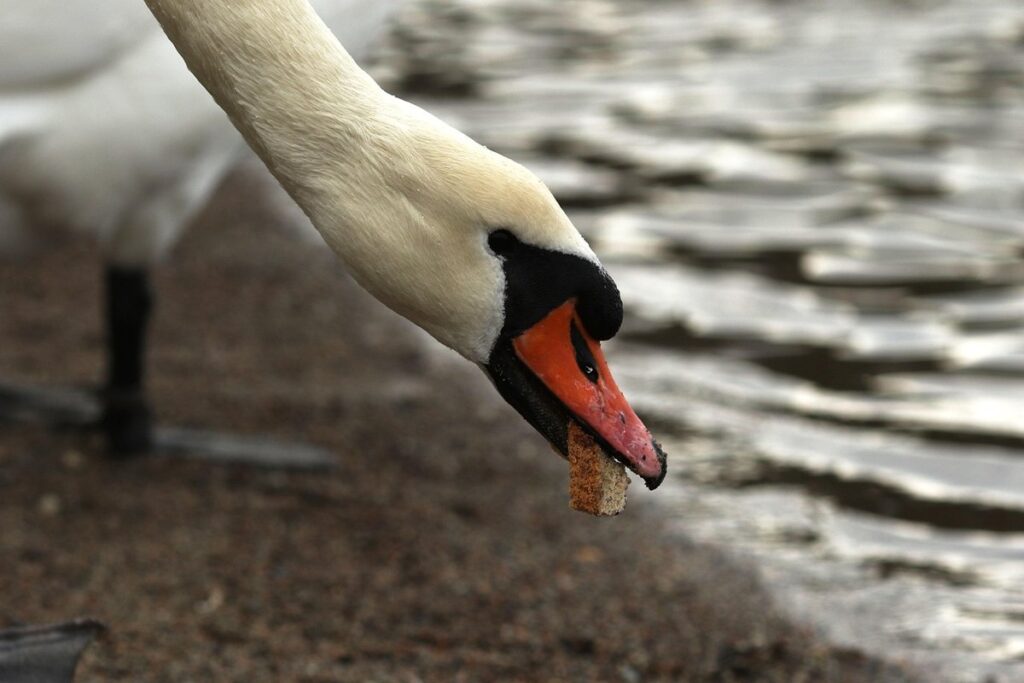
No, feeding ducks bread is not a solution to their dietary needs and can actually do more harm than good. Bread lacks essential nutrients and can contribute to the decline of their natural foraging behaviors. Instead, consider supporting local initiatives that promote sustainable food sources or creating your own backyard wildlife-friendly habitat.
How can I create a duck-friendly habitat in my garden to support local populations?
Creating a duck-friendly habitat involves incorporating plants that provide food and shelter, such as aquatic vegetation, grasses, and native trees. Incorporate features like ponds, streams, or birdbaths with shallow water to attract ducks. Also, consider avoiding pesticides and fertilizers, which can harm the environment and wildlife.
What are some signs of a balanced duck diet in the wild?
A balanced duck diet is characterized by a mix of plant-based foods, such as aquatic plants, grasses, and leaves, along with insects, small animals, and crustaceans. Look for ducks that appear healthy, with bright plumage and energetic behavior. You may also notice them digging up plants or feeding on algae in shallow water.
Can I feed ducks in areas where human impact has significantly altered their diet?
Yes, in areas where duck diets have been severely impacted by human activities, providing supplemental food sources can be beneficial. Consider working with local conservation groups to identify suitable locations and develop a plan for sustainable food provision. Ensure that the food provided is nutrient-rich and aligns with the ducks’ natural dietary needs.