
Are you ready to give your ducks the safe haven they deserve? If so, you’re in the right place. As any duck owner knows, providing a suitable nesting box for their feathered friends is crucial for a healthy and happy flock. But with so many options available, it can be overwhelming to decide on the best solution.
From creative DIY plans to reviews of commercial nesting boxes, we’ve got you covered. In this article, we’ll explore various duck nesting box ideas that cater to different needs and preferences. You’ll discover innovative solutions that ensure your ducks have a safe and comfortable environment to lay their eggs. Whether you’re a seasoned duck owner or just starting out, our expert advice will help you make informed decisions when it comes to choosing the perfect nesting box for your backyard flock.
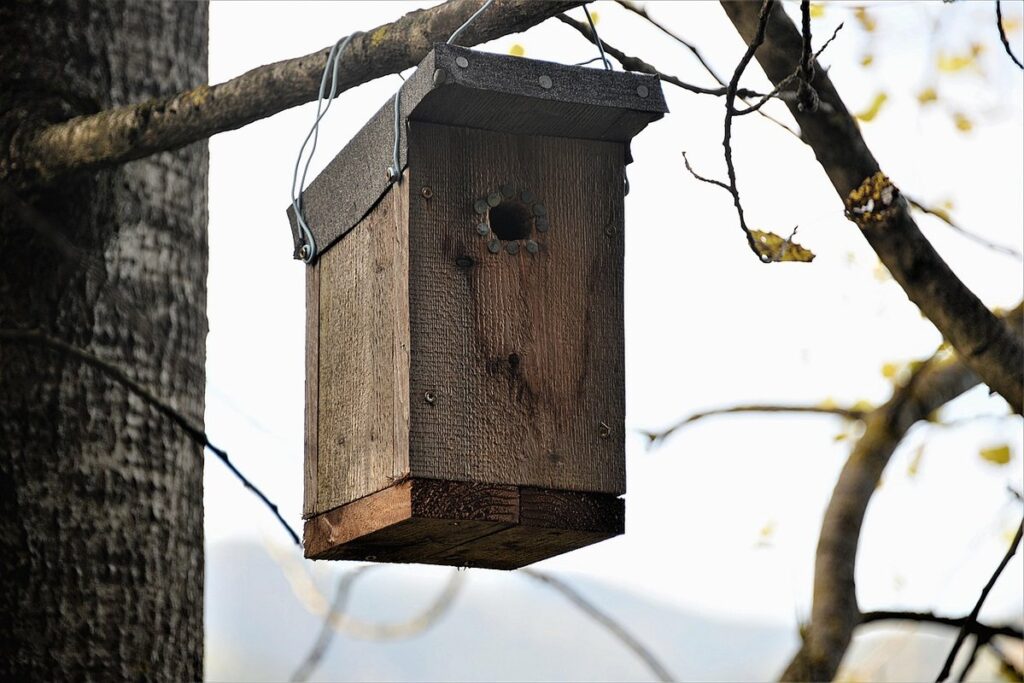
Understanding the Importance of a Proper Nesting Box
A proper nesting box is crucial for your duck’s health and happiness, providing a safe space for them to lay eggs in peace and protect themselves from harsh weather. Let’s dive into why this is so essential.
Providing a Safe and Comfortable Environment
A proper nesting box is not just a necessity but an essential element for ensuring the health and productivity of your backyard duck flock. It plays a crucial role in protecting eggs from predators that might be lurking nearby, giving you peace of mind knowing that your birds are safe.
Maintaining a clean environment within the nesting box is also vital. Ducks are naturally clean animals and prefer to lay their eggs in a spot free from debris and odors. When the nesting box is kept tidy, ducks are less likely to abandon their nests or develop health issues due to unsanitary conditions. To achieve this, make it a habit to regularly clean out old bedding material and replace it with fresh straw or wood shavings.
The nesting box should be placed in a spot that receives adequate ventilation but remains protected from harsh weather elements such as rain and direct sunlight. By considering these factors when designing your nesting box, you’ll create an ideal environment for your ducks to thrive and produce healthy eggs consistently.
Choosing the Right Location for Your Nesting Box
When selecting the perfect location for your duck nesting box, there are several key factors to consider. One of the most important considerations is proximity to water. Ducks need access to a constant source of clean water for drinking and bathing, so placing the nesting box near a pond or lake is ideal.
However, it’s not just about accessibility – shelter from the elements is also crucial. A location that provides partial shade, such as under a tree or near a fence line, will help keep your ducks dry and comfortable during rainy days. Additionally, consider the overall safety of the area. Ensure that predators, such as foxes or raccoons, won’t be able to easily access the nesting box.
In terms of accessibility, think about how easy it will be for you to clean and maintain the nesting box. A location near your back door or a frequently used path can save you time and effort in the long run. Also, take into account the flow of air in the area – good ventilation is essential to keep your ducks healthy and happy.
Essential Features of an Effective Nesting Box Design
When it comes to designing an effective nesting box, several essential features must be taken into account. A well-designed nesting box should provide a safe and comfortable space for your ducks to lay their eggs.
First and foremost, the nesting box should be large enough to accommodate at least one duck comfortably. This means providing ample space for her to turn around, preen her feathers, and settle in for the night. A good rule of thumb is to provide a minimum of 12 inches wide by 18 inches deep by 6 inches tall.
In addition to size, ventilation is also crucial. Ducks need fresh air to breathe comfortably, so ensure that your nesting box has adequate airflow through small windows or ventilation slats. This will help keep the box dry and free from ammonia buildup.
Another important feature to consider is lighting. A nesting box with a small window or LED light strip can provide a warm and inviting glow for your ducks. Avoid placing the nesting box in direct sunlight, as this can cause overheating and discomfort for your birds.
It’s also essential to think about accessibility. Make sure that the nesting box has a smooth, easy-to-clean surface and is positioned at a comfortable height for your ducks to enter and exit.
DIY Duck Nesting Box Plans: A Guide to Building Your Own
Now that you have a flock of ducks, it’s time to provide them with a cozy nesting box where they can lay their eggs in peace. In this section, we’ll show you how to build your own DIY duck nesting box plans.
Materials Needed for a Basic Nesting Box
To build a basic duck nesting box, you’ll need to gather the following materials. For the structure itself, you can use untreated pine or cedar wood, as these types are durable and resistant to rot.
Start with the wooden planks for the sides, back, and floor of the box. You’ll also need some lumber for the roof and shelves (if applicable). A 2×4 inch frame will provide the necessary support for your nesting box. Be sure to use a waterproof sealant or paint on the exterior to protect it from the elements.
For hardware, you’ll require nails, screws, and a drill press. Galvanized steel or plastic-coated nails are ideal for outdoor projects like this one. Also, consider adding some hinges for easy cleaning access and ventilation. Don’t forget to include a roof overhang to shield the nesting box from rain and wind. The size of your materials will depend on the specific design you choose, but a good starting point is 12 inches wide x 24 inches tall x 36 inches long. Keep in mind that larger boxes may require more materials.
Step-by-Step Instructions for Constructing a Nesting Box
To construct a basic nesting box, start by gathering the necessary materials: 2″ x 4″ lumber for the frame, 1″ x 6″ boards for the floor and shelves, exterior-grade plywood for the back and roof, hinges, screws, and nails. Cut the 2″ x 4″s to create a rectangular frame, with two longer pieces as sides and two shorter pieces as ends. Attach the corners using screws, ensuring they’re flush.
Next, attach the floor and shelves to the frame, spacing them about 6-8 inches apart. Install the back and roof panels, securing them with nails. Leave an opening for a nesting box entrance on one side, which should be around 12″ wide by 18″ tall. Attach hinges to allow for easy cleaning and maintenance. To finish the project, sand all surfaces and apply a water-resistant sealant or paint. This will protect the nesting box from the elements while keeping it clean and dry. Be sure to install the finished nesting box in a shaded area of your backyard, ideally 3-5 feet off the ground for easy access.
Customization Ideas: Adding Windows, Perches, or Other Features
When it comes to adding unique features to your DIY duck nesting box, customization is key. Consider installing windows on opposite sides of the box to allow for natural light and ventilation. This will not only make the coop more comfortable for your ducks but also reduce the risk of respiratory problems.
Another feature you might want to add is a perch or two outside the nesting box entrance. Ducks love to roost, and having a place to do so before entering their cozy nest can encourage them to use the box consistently. You can also install a roof overhang or canopy to provide extra protection from the elements.
If you’re feeling ambitious, you could even incorporate a small door or hatch that allows for easy cleaning and maintenance of the nesting area. This feature is especially useful if you have a large flock, as it makes it simpler to check on the health and well-being of your ducks without having to disturb their nest.
Commercial Duck Nesting Boxes: Pros, Cons, and Reviews
If you’re considering investing in a commercial duck nesting box for your backyard flock, here are some key points to keep in mind. We’ll explore the pros and cons of these pre-made boxes.
Advantages of Purchasing a Pre-Made Nesting Box
When it comes to choosing a nesting box for your backyard duck flock, purchasing a pre-made commercial nesting box can be an excellent option. One of the biggest advantages is convenience – these boxes are designed and manufactured with ducks’ specific needs in mind, taking away the need for extensive planning and building expertise.
Durability is another significant benefit of buying a pre-made nesting box. Commercial manufacturers use high-quality materials that withstand the elements and provide years of reliable service. This means you won’t have to worry about regular repairs or replacements, freeing up time for more important tasks.
Another advantage is ease of installation – most commercial nesting boxes come with clear instructions and are designed to be easily integrated into your existing coop or enclosure setup. This saves you time and reduces the risk of mistakes during construction. Overall, a pre-made nesting box offers peace of mind and ensures that your ducks have a safe and comfortable place to lay their eggs.
Popular Brands and Models for Duck Nesting Boxes
When it comes to choosing the right duck nesting box, there are several popular brands and models to consider. One of the most well-known brands is Omlet’s Chicken Palace, which offers a range of nesting boxes designed specifically for ducks. These boxes feature easy-clean designs, durable materials, and secure entrances to prevent predators from getting in.
Another popular option is the Arks Deluxe Duck House, which boasts a spacious interior, easy assembly, and a price point that’s hard to beat ($120-$150). Customers rave about this product, citing its durability and ease of use. For those on a tighter budget, the Best Choice Products Wooden Duck Nesting Box is a great alternative, priced at around $60.
The Meyer Hatchery’s Chicken Coop also offers a range of duck nesting boxes with features like easy cleaning, ventilation systems, and secure latches. Prices vary depending on the model and size, but expect to pay between $150-$300 for these high-quality boxes. When choosing a nesting box, consider factors such as durability, ease of use, and price point to find the best fit for your backyard flock.
It’s also worth considering DIY options or custom-built nesting boxes made from natural materials like wood or straw bales. These can be more budget-friendly and offer unique benefits like improved ventilation and insulation. Ultimately, the right duck nesting box will depend on your specific needs and preferences – research thoroughly to find the best fit for your backyard flock!
Considerations When Buying vs. Building Your Own Nesting Box
When deciding between buying and building your own commercial duck nesting box, there are several factors to consider. One key consideration is cost: while a pre-made nesting box may seem like an upfront expense, it can be a more affordable option than designing and constructing one from scratch. On the other hand, building your own nesting box allows for customization and can be a fun DIY project.
Another factor to consider is durability: commercial duck nesting boxes are often made with high-quality materials that withstand the elements and last for many years. If you’re building your own nesting box, you’ll need to choose materials carefully to ensure it will stand up to outdoor conditions. Additionally, if you’re planning to raise a large flock, buying multiple pre-made nesting boxes may be more convenient than trying to build each one individually.
Ultimately, the decision between buying and building a commercial duck nesting box comes down to your specific needs and preferences. If you value ease of use and don’t mind paying a premium for quality, buying may be the best option. However, if you enjoy DIY projects and want to customize your nesting boxes to suit your flock’s unique needs, building from scratch could be the way to go.
Innovative Solutions: Outdoor and Solar-Powered Duck Nesting Boxes
If you’re looking for a way to make your duck nesting boxes more efficient and eco-friendly, consider incorporating innovative solutions like outdoor and solar-powered designs. These ideas can revolutionize how you care for your backyard flock.
Benefits of Outdoor and Solar-Powered Nesting Boxes
When it comes to providing a safe and comfortable environment for your backyard duck flock, investing in outdoor and solar-powered nesting boxes is an excellent choice. These innovative solutions offer numerous benefits that will make caring for your ducks easier and more efficient.
One of the main advantages of outdoor and solar-powered nesting boxes is improved ventilation. By placing these boxes outside, you can ensure a constant flow of fresh air, which helps to keep the interior clean and dry. This reduces the risk of mold growth and diseases associated with poor ventilation.
Another significant benefit is energy efficiency. Solar panels provide power for the nesting box’s lighting and ventilation systems, eliminating the need for electricity or batteries. This not only saves you money on your utility bills but also reduces your carbon footprint.
Finally, solar-powered nesting boxes require minimal maintenance. Without electric components to worry about, you’ll spend less time cleaning and repairing them. This means more time to focus on other aspects of duck care, such as feeding, monitoring health, and enjoying the company of your feathered friends.
Examples of Successful Outdoor and Solar-Powered Nesting Box Designs
If you’re looking to provide your backyard ducks with the ultimate nesting experience, consider incorporating outdoor and solar-powered features into their nesting box. There are numerous innovative designs that can inspire you to create a safe and comfortable haven for your feathered friends.
One such example is the “Solar-Powered Duck Nesting Box” designed by a group of eco-conscious engineers. This clever design harnesses the power of solar energy to provide lighting, ventilation, and even automated cleaning systems. The box itself is made from recycled materials and features a waterproof roof to protect the nest from harsh weather conditions.
Another impressive example is the “Outdoor Duck Nesting Box with Solar-Powered Fan” designed by a backyard farmer. This design uses a small solar panel to power a fan that circulates air through the nesting box, keeping it cool in hot summer months. The box also features a removable roof for easy cleaning and maintenance.
These innovative designs not only provide your ducks with a comfortable place to nest but also showcase eco-friendly solutions for backyard poultry management.
DIY Ideas for Converting an Existing Structure into a Duck Nesting Box
If you already have an existing structure on your property that’s just collecting dust, consider repurposing it into a duck nesting box. This is not only an eco-friendly solution but also a cost-effective one. Before starting the conversion process, inspect the structure to ensure it’s sturdy and can support the weight of the ducks.
Consider using old wooden pallets or crates to create a cozy nesting box. You can add insulation, ventilation, and even a roof to make it duck-friendly. If you have an old shed or garage door, you can convert it into a larger duck nesting box with multiple compartments.
To ensure the converted structure is safe for your ducks, install a ramp or stairs for easy access. Add some comfortable bedding like straw or hay to make the nesting box appealing to your feathered friends. Place the nesting box in a quiet and protected area of your backyard, ideally near a pond or water source. By repurposing an existing structure, you’ll not only save money but also reduce waste and provide a safe haven for your ducks to nest and lay their eggs.
Maintenance and Upkeep: Tips for Keeping Your Duck Nesting Box Clean and Safe
To keep your duck nesting box clean, safe, and healthy for your feathered friends, regular maintenance is essential. This includes cleaning out soiled bedding and inspecting for any damage.
Cleaning the Nesting Box: Frequency and Methods
Cleaning the nesting box is an essential aspect of maintaining a healthy and safe environment for your backyard flock. It’s recommended to clean the nesting box at least once a week, especially during peak breeding seasons. Daily cleaning can be overwhelming, but it’s crucial to remove soiled bedding and replace it with fresh material.
To disinfect the nesting box, you’ll need a solution of one part white vinegar to nine parts water. Dip a soft-bristled brush into the mixture and scrub the entire area, including any surfaces that come into contact with your ducks’ eggs or feathers. After scrubbing, rinse the box thoroughly with clean water and let it air dry.
For tough stains or odors, you can also use a solution of 1 teaspoon of unscented bleach per gallon of water. However, be cautious when using bleach, as it can harm your ducks if ingested. Always test a small area first to ensure the solution doesn’t damage any surfaces. Regular cleaning will not only keep your nesting box clean but also help prevent the spread of diseases among your flock.
Monitoring Health and Behavior in Your Ducks
As you tend to your backyard flock’s nesting box, it’s essential to keep an eye out for signs of health issues or behavioral problems related to the box itself. Ducks can be prone to certain health concerns when their nesting habits are disrupted, and identifying these issues early on is crucial for maintaining a happy and healthy flock.
One common issue is egg binding, where a duck has difficulty laying eggs due to dehydration or other factors. Look for signs such as lethargy, loss of appetite, or straining while attempting to lay an egg. If you notice any of these symptoms, provide your ducks with extra water and consider adding a shallow dish or bowl for easy access.
Another potential problem is stress caused by overcrowding or competition within the nesting box. Watch for signs like feather pecking, excessive quacking, or aggression towards other birds. To mitigate this, ensure the box is large enough for your flock’s needs and consider separating dominant birds from more submissive ones.
Regularly inspecting your ducks’ behavior and overall health will help you catch any potential problems early on, allowing you to take corrective action before issues escalate.
Troubleshooting Common Issues with Duck Nesting Boxes
When it comes to maintaining a healthy and happy backyard duck flock, ensuring the cleanliness and safety of their nesting box is crucial. Over time, you may encounter common issues with your duck nesting box that can affect your birds’ well-being. For instance, if you notice a decrease in egg production or see signs of stress among your ducks, it could be due to an unsanitary environment within the nesting box.
To address this issue, inspect the nesting box regularly for signs of wear and tear, mold, or mildew. Remove any debris or droppings, and disinfect the area with a solution of one part white vinegar to nine parts water. Additionally, consider adding ventilation to your nesting box to prevent moisture buildup.
Another common problem is ducks not laying eggs in their designated nesting box. This could be due to competition among females for space or lack of suitable nesting materials. To resolve this issue, ensure that each duck has its own separate nesting box and provide plenty of soft bedding material like straw or wood shavings. By implementing these simple troubleshooting steps, you can keep your ducks safe and healthy within their nesting box.
Conclusion: Choosing the Perfect Nesting Box Solution for Your Flock
In conclusion, choosing the perfect nesting box solution for your flock requires careful consideration of several factors. Think about the size and breed of your ducks, as well as their individual personalities and preferences. For example, larger breeds like Muscovy or Khaki Campbells may require more spacious boxes than smaller breeds like Wood or Call ducks. Consider also the climate and weather conditions in your area, ensuring that your nesting box solution can withstand extreme temperatures and rainfall.
When selecting a nesting box, don’t be afraid to get creative and think outside the box – literally! You could repurpose an old pallet or wooden crate, or even build a custom box using reclaimed wood. The key is to find a solution that works for both you and your flock.
Frequently Asked Questions
What’s the ideal nesting box size for my backyard duck flock?
The ideal nesting box size depends on the number of ducks you have and their breed. A general rule of thumb is to provide one nesting box per three to four ducks. The box should be at least 12 inches wide, 18 inches deep, and 24 inches tall to ensure your ducks can comfortably lay eggs and turn around inside.
How often should I clean the nesting box?
Yes, it’s essential to clean the nesting box regularly to maintain a healthy environment for your ducks. Aim to clean the box every week during peak egg-laying seasons and every two weeks during slower periods. Remove any debris, droppings, or eggs, and disinfect the box with a pet-safe cleaner.
Can I use a pre-made nesting box from a big-box store?
No, while pre-made nesting boxes can be convenient, they might not cater to your specific needs or provide adequate ventilation for your ducks. Consider investing in a custom-built or DIY nesting box that meets your flock’s requirements and offers better insulation and protection.
What’s the difference between an outdoor and solar-powered nesting box?
Outdoor and solar-powered nesting boxes offer unique benefits, such as increased accessibility and reduced energy costs. However, they also come with specific challenges, like maintaining predator-proofing and ensuring adequate sunlight exposure. Consider factors like local weather conditions, duck behavior, and your budget when deciding which type of nesting box is best for you.
How can I ensure the nesting box is securely attached to the coop?
Yes, it’s crucial to secure the nesting box firmly to the coop to prevent predators from accessing it or the ducks escaping. Use sturdy screws, nails, or hinges that can withstand harsh weather conditions and frequent use. You may also want to consider adding additional features like latches or locks for extra security.