
As a new duck mom or dad, you’re probably wondering whether your adorable ducklings need a heat lamp to stay warm and cozy. After all, those tiny downy feathers can’t keep them snug for long! The truth is, ducklings do require some warmth, especially during their first few weeks of life. But do they really need a heat lamp? That’s the million-dollar question many new duck owners ask themselves.
In this article, we’ll dive into the pros and cons of using a heat lamp to keep your ducklings warm and comfortable. We’ll explore the importance of maintaining the right temperature for your feathered friends, discuss the risks associated with overheating or underheating, and provide tips on how to create a safe and healthy environment for your growing brood. Whether you’re a seasoned duck breeder or just starting out, this guide is here to help you give your ducklings the best possible start in life.
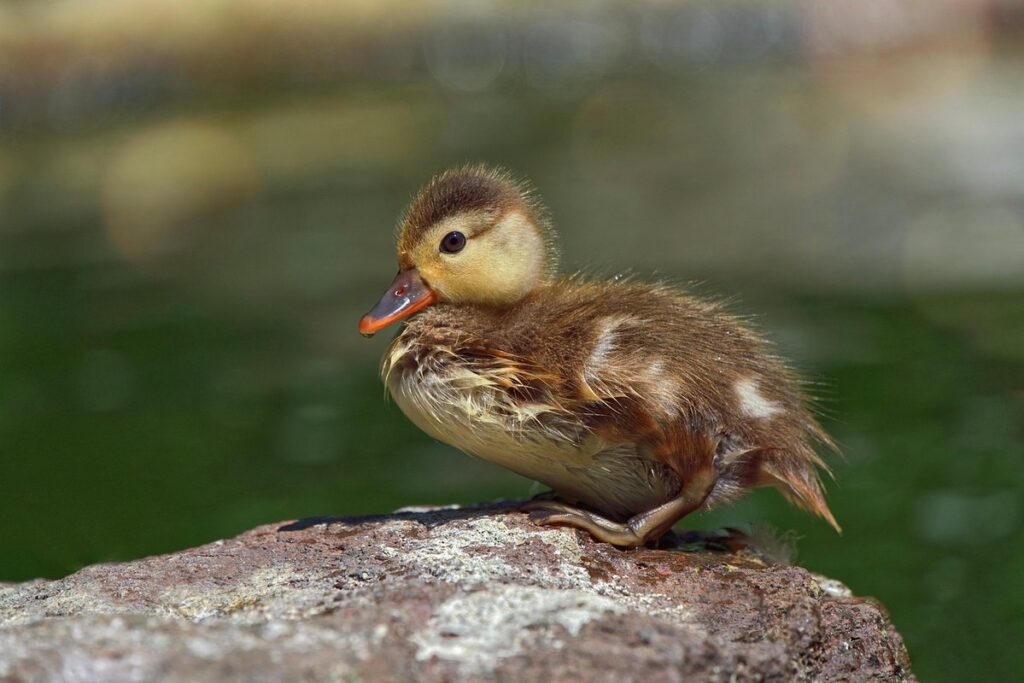
Understanding Duckling Development
Before we dive into whether ducklings need a heat lamp, let’s first understand their development and how it impacts their temperature needs. Understanding duckling growth stages helps you make informed decisions about caring for your new feathered friends.
Embryonic vs. Post-Hatch Temperature Regulation
As duckling development unfolds, it’s essential to understand how these young birds regulate their body temperature. Before hatching, embryonic ducklings rely on the warmth provided by their mother and the surrounding incubation environment. Research suggests that embryonic ducklings produce heat through a process called “shivering thermogenesis,” where they generate heat internally by contracting muscles.
However, this heat production is limited, and once the egg starts to pip (crack), the duckling’s ability to regulate its body temperature shifts dramatically. After hatching, ducklings are unable to maintain their own body heat for several days, relying on external sources like a brooder or heat lamp to stay warm.
It’s worth noting that ducklings can lose heat quickly due to evaporation from their skin and respiratory tract. For example, a study published in the Journal of Avian Biology found that newly hatched ducklings can lose up to 25% of their body weight in just 24 hours if they don’t have access to adequate warmth.
To ensure your duckling’s optimal development, it’s crucial to provide a stable and warm environment for at least the first week after hatching. A heat lamp or brooder can be an effective way to maintain a consistent temperature between 90-100°F (32-38°C), mimicking the natural conditions of the mother duck’s nest.
Natural Brooding Behavior of Ducks
When you observe ducks in their natural habitat, you’ll notice that they exhibit remarkable adaptability when it comes to caring for their ducklings. This includes regulating temperature, ensuring adequate nutrition and hydration, and protecting the young from potential threats.
In a brooding environment, mother ducks carefully balance temperature regulation with other care needs. They do this by adjusting their position and posture to shield the ducklings from wind, rain, or extreme sunlight exposure. For example, when it’s hot outside, they’ll often fan out feathers on top of themselves to create a microclimate that keeps their brood cool.
Similarly, mother ducks understand the importance of providing adequate nutrition and hydration for their young. They feed their ducklings at regular intervals throughout the day, taking care to ensure each one gets enough food and water. By observing these natural behaviors, you can apply similar strategies when caring for your ducklings in an artificial setting – including incorporating a heat lamp only if needed, based on your location and climate.
Mother ducks are also vigilant about protecting their brood from potential threats like predators or harsh weather conditions. In the wild, they use various tactics to safeguard their young, such as forming alliances with other ducks or using camouflage to conceal themselves from predators. By mimicking these behaviors in a domestic setting, you can create a safe and nurturing environment for your ducklings that meets all their needs, including temperature regulation.
It’s worth noting that some breeds of ducks are more tolerant of cooler temperatures than others. If you’re raising a cold-hardy breed, they might not require a heat lamp at all – but it ultimately depends on your location and the specific climate in which you live.
Why Heat Lamps Are Used for Ducklings
When raising ducklings, many parents wonder why heat lamps are a must-have for these little fluffballs. Let’s explore the reasons behind this essential item in every backyard duckery.
Common Reasons for Using Heat Lamps in Duckling Rearing
Duck keepers often rely on heat lamps to provide a warm and safe environment for their ducklings. One common reason is that many backyards don’t offer the ideal ambient temperature for young ducklings, which can be as low as 90°F (32°C) at night. This temperature can be challenging for ducklings, especially during cold snaps or in areas with frost.
Certain breeds of ducks also have specific needs when it comes to heat. For instance, Muscovy and Khaki Campbell ducklings tend to be more sensitive to cold temperatures than others. Even if you live in a mild climate, some breeders may recommend using a heat lamp as a precautionary measure.
To determine whether your ducklings need a heat lamp, consider the temperature of their environment and their individual breed’s requirements. If you’re unsure, consult with an experienced breeder or veterinarian for advice. Keep in mind that a heat lamp is not a substitute for proper ventilation; ensure good airflow to prevent ammonia buildup and maintain healthy air quality.
Types of Heat Lamps Suitable for Ducklings
When choosing a heat lamp for ducklings, it’s essential to consider factors such as safety, temperature control, and energy efficiency. Here are some common types of heat lamps available:
Infrared (IR) heat lamps are a popular choice due to their ability to provide precise temperature control. They work by emitting infrared radiation, which is absorbed by the ducklings’ bodies, warming them up efficiently. IR lamps are often more expensive than other options but offer better safety features, such as automatic shut-off and thermal overload protection.
Incandescent heat lamps, on the other hand, use traditional light bulbs to warm the air around the ducklings. While they can be less expensive upfront, they tend to be less energy-efficient and may not provide consistent temperature control. Ceramic heat emitters are another option, using a ceramic element to emit gentle warmth. They’re often more affordable and quieter than IR lamps but might not offer the same level of precision in temperature control.
When selecting a heat lamp, make sure it’s specifically designed for poultry or small animals and follow the manufacturer’s guidelines for use and maintenance.
The Pros and Cons of Using a Heat Lamp
Now that we’ve discussed the need for heat lamps, let’s weigh the advantages and disadvantages of using one to keep your ducklings warm.
Benefits of Providing a Heat Source for Ducklings
Providing a heat source for ducklings can have numerous benefits, particularly during their critical growth stages. By keeping them warm and cozy, you can significantly improve their health outcomes. For instance, a heat lamp can help prevent hypothermia, which is a common issue in young ducklings. According to the American Society for the Prevention of Cruelty to Animals (ASPCA), maintaining a temperature between 90°F and 95°F (32°C and 35°C) is essential for their development.
With a heat source, you can also expect faster growth rates. Ducklings that are raised in a warm environment tend to grow stronger and healthier, which can lead to better overall productivity when they mature. Additionally, providing a heat lamp can reduce stress levels among ducklings, making them less susceptible to disease and promoting a more stable flock.
To use a heat lamp effectively, ensure it’s positioned at least 3-4 feet away from the duckling brooder, allowing for even temperature distribution. Also, monitor the temperature closely, as over-heating can be just as detrimental as under-heating. By striking the right balance, you can provide your ducklings with the best possible start in life.
Drawbacks to Consider When Using a Heat Lamp
While heat lamps can be beneficial for duckling care, it’s essential to consider the potential drawbacks of relying on them. One significant risk is burns or overheating, which can occur if the lamp is too close to the ducklings or not monitored properly. This can lead to serious injuries and even fatalities.
Another consideration is the high energy costs associated with running a heat lamp. Ducklings require warmth for only a limited period, typically around 4-6 weeks after hatching. After this stage, they can usually regulate their own body temperature. Running a heat lamp for extended periods can significantly increase your energy bills and contribute to environmental pollution.
Additionally, excessive use of heat lamps can affect duckling behavior and development. Prolonged exposure to artificial warmth can make them more susceptible to stress and other health issues. It’s crucial to strike a balance between providing adequate warmth and not creating an environment that promotes dependency on the lamp. By weighing these risks against the benefits, you can make informed decisions about using a heat lamp for your ducklings.
How to Choose the Right Heat Lamp for Your Ducklings
When selecting a heat lamp for your ducklings, consider factors such as wattage, distance from water, and the number of birds it will need to warm. This ensures you get a suitable model for their needs.
Assessing Your Duckling’s Specific Needs
When it comes to determining whether your duckling needs a heat lamp, several key factors come into play. First and foremost, you need to consider the breed of your ducklings. Some breeds, such as Muscovy and Wood Ducks, are more sensitive to cold temperatures than others. If you’re unsure about your ducklings’ specific needs, it’s best to research their breed or consult with a veterinarian for guidance.
Another crucial factor is age. Ducklings are most vulnerable to cold stress during the first few weeks of life. As they grow and develop feathers, they’ll be better equipped to regulate their own body temperature. However, if you’re keeping ducklings indoors in an unheated coop or enclosure, even older birds may benefit from a heat lamp.
In addition to breed and age, environmental conditions also play a significant role. If your area experiences extremely cold temperatures, a heat lamp can provide essential warmth for your ducklings. On the other hand, if you live in a mild climate with average temperatures above 40°F (4°C), your ducklings might not require supplemental heat at all.
Factors to Consider When Selecting a Heat Lamp
When selecting a heat lamp for your ducklings, there are several key factors to consider. Firstly, think about the size of the area where the lamp will be placed. A larger space may require multiple lamps to ensure even heating, while a smaller space can get too hot with just one.
Next, consider the wattage and temperature control options. Ducklings need a consistent temperature between 90-100°F (32-38°C) for optimal growth and development. Look for lamps that offer adjustable heat settings or thermostats to maintain this range. It’s also essential to have a reliable temperature control mechanism in place to prevent overheating.
Safety features are another crucial consideration when choosing a heat lamp. Automatic shut-off or thermal cutoffs can prevent fires caused by overheating or electrical malfunctions. Some lamps may also come with a built-in timer, allowing you to set the lamp to turn off after a certain period of time.
When making your selection, be sure to check the product’s specifications and user reviews to ensure it meets your ducklings’ needs and is safe for use around them.
Safety Precautions When Using a Heat Lamp
When using a heat lamp for your ducklings, it’s essential to take necessary safety precautions to prevent accidents and ensure their health. Follow these guidelines carefully.
Preventing Burns and Overheating
When placing a heat lamp near your duckling enclosure, it’s essential to take steps to prevent burns and overheating. First, ensure that the heat source is at least 2-3 feet away from the birds’ roosting area to avoid direct exposure. You should also consider the size of the enclosure and adjust the placement accordingly.
Keep a close eye on your ducklings, especially during the first few days after hatching when they are most vulnerable to temperature fluctuations. Monitor their behavior, looking for signs of distress such as panting, lethargy, or erratic movement. If you notice any unusual behavior, adjust the heat setting or move the lamp accordingly.
To prevent overheating, make sure that the enclosure is well-ventilated and maintain a consistent temperature between 90°F to 95°F (32°C to 35°C) during the first few weeks after hatching. Avoid placing the heat lamp near flammable materials or over food and water dishes to minimize risks of fires and contamination.
Regularly inspect the heat lamp and its cord for signs of wear, fraying, or damage, and replace them if necessary to prevent electrical hazards.
Additional Safety Considerations for Your Ducks’ Living Area
When using a heat lamp in your duck’s living area, it’s essential to consider broader safety concerns beyond just the lamp itself. Fire risks are a significant concern, as flammable materials such as bedding, curtains, and decorations can ignite if exposed to direct heat or sparks from the lamp.
To mitigate this risk, ensure that any combustible materials are kept at least 3 feet away from the heat source. Regularly inspect your duck’s living area for potential fire hazards, and replace any worn-out or damaged items promptly.
Electrical safety is also crucial when using a heat lamp. Make sure the cord is not frayed or damaged, and avoid overloading outlets with multiple appliances. Keep the heat lamp away from water sources, as electrical shock can occur if the device comes into contact with moisture.
Additionally, be mindful of creating an environment that fosters disease transmission. Ensure good ventilation in your duck’s living area to prevent the buildup of ammonia fumes from their droppings, which can exacerbate respiratory issues.
Frequently Asked Questions
Can I use a heat lamp if my ducklings are not cold?
If you find that your ducklings are already warm or even overheating, it’s likely unnecessary to use a heat lamp. Monitor their behavior and temperature regularly to ensure they’re comfortable.
How do I ensure the heat lamp is at a safe distance from my ducklings?
Positioning the heat lamp correctly is crucial for your ducklings’ safety. Place it about 3-4 feet away from the brooding area, and make sure the light isn’t too intense or focused in one spot.
What if I notice burn marks on my duckling’s feathers after using a heat lamp?
If you observe any burn marks on your duckling’s feathers, immediately remove them from under the heat lamp. Inspect the area for any damage and take steps to prevent overheating in the future by adjusting the temperature or distance.
Can I use a heat lamp with my brooder’s built-in heating system?
Yes, it’s possible to use both a heat lamp and your brooder’s built-in heating system, but be cautious not to overheat your ducklings. Monitor their temperature closely and adjust the settings as needed to ensure a safe environment.
How long can I safely leave a heat lamp on for my ducklings?
Ducklings typically require a consistent warmth source for around 4-6 weeks after hatching. However, this may vary depending on factors like your climate, brooder size, and duckling breed. Continuously monitor their temperature and adjust the light schedule accordingly to ensure they stay comfortable.