
Introducing ducklings to adult ducks can be a thrilling experience, but it requires careful planning and execution. As any duck owner knows, raising healthy and happy ducklings is crucial for their future well-being. However, it’s equally important to ensure that these young birds are introduced to the rest of the flock safely and successfully.
When introducing ducklings to adult ducks, you need to consider several factors, including their development stage, nutritional needs, and environmental requirements. A poorly managed introduction can lead to stress, injury, or even disease transmission among the flock. In this comprehensive guide, we’ll walk you through everything you need to know about introducing ducklings to adult ducks, covering topics such as proper timing, gradual exposure, and maintaining a healthy environment for all members of your feathered family.
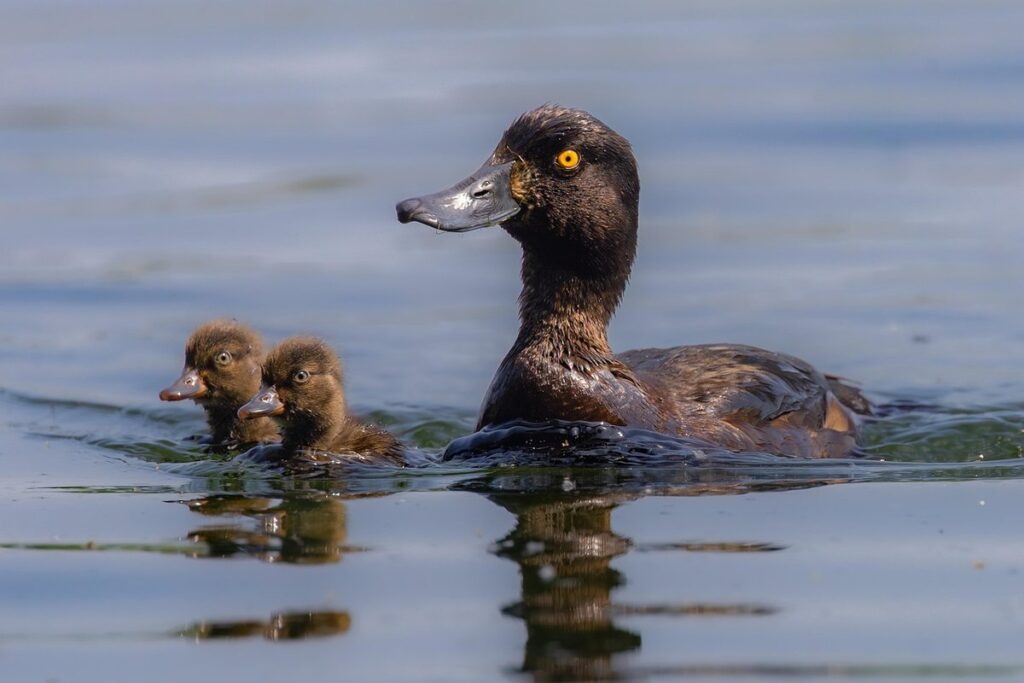
Understanding Duckling Development and Needs
Understanding duckling development is crucial when introducing them to adult ducks, as their age and growth stage can impact socialization and acceptance. Let’s explore how ducklings’ developmental needs shape this transition process.
Physical Development of Ducklings
As duckling owners prepare to introduce their young charges to adult ducks, it’s essential to understand the physical development of these little ones. From hatch to maturity, ducklings undergo rapid growth and transformation.
On average, a healthy duckling will triple its weight within the first few weeks after hatching. This means they’ll grow from 1-2 ounces (28-57 grams) at birth to around 6-8 ounces (170-225 grams) by two weeks of age. As they mature, you can expect your ducklings’ growth rate to slow down slightly but continue steadily.
In addition to their rapid weight gain, ducklings will also start to develop their feathers. The first feathers to appear are usually the soft down covering, which provides insulation and helps regulate their body temperature. Later on, as they transition into juvenile phase, you’ll notice longer, more vibrant feathers emerging, gradually replacing the down.
Their beak development is another significant aspect of physical growth in ducklings. Initially, their beaks will be small and soft but will harden and grow in size as they mature. Beak development typically coincides with the onset of foraging and feeding behaviors, so keep a close eye on your ducklings’ progress to ensure a smooth transition to adult life.
Behavioral Development of Ducklings
As ducklings grow from hatch to maturity, they undergo significant behavioral changes that are crucial for their socialization and learning. At first, ducklings rely heavily on their mother’s care and protection. They follow her everywhere, learn vital survival skills, and develop essential bonding habits. However, as they mature, they start to assert their independence.
Around 4-6 weeks of age, ducklings begin to venture out from under their mother’s wing. This is an excellent opportunity for them to interact with other ducklings, explore their surroundings, and test boundaries. Socialization at this stage is vital as it helps young ducks develop essential skills like communication, cooperation, and conflict resolution.
As they grow older, around 8-12 weeks, ducklings start to exhibit more adult-like behavior. They begin to establish dominance hierarchies within the group, which can sometimes lead to conflicts. It’s during this period that introducing them to adult ducks becomes a significant challenge.
To ensure a smooth transition, it’s essential to provide a gradual introduction process, allowing both young and adult ducks to get accustomed to each other’s presence, sounds, and body language. With patience and proper management, you can successfully integrate your ducklings into the adult flock, promoting harmony and minimizing stress for all members.
Nutritional Needs of Ducklings
Ducklings have distinct nutritional needs that change as they grow and develop. From day one to weaning, their dietary requirements shift significantly. During the first 24 hours of life, ducklings rely on their yolk sac for nutrients, but within a few days, they start eating mash or starter feed.
As they grow, ducklings require a balanced diet rich in protein (18-20%), energy, and essential vitamins and minerals. Whole grains like oats, barley, and wheat provide fiber and nutrients, while animal-based sources such as insects, mealworms, and small amounts of cooked meat offer necessary amino acids.
Feeding guidelines recommend gradually increasing the amount of starter feed as ducklings grow, aiming for 20-25% protein content by around three weeks old. By five to six weeks, their diet can be switched to a growers’ mix with reduced protein levels (16-18%). Keep in mind that water should always be available and clean.
To ensure optimal growth and health, monitor your ducklings’ weight, energy level, and overall appearance for signs of nutrient deficiencies or excesses.
Preparing a Safe Environment for Introduction
Before introducing ducklings to adult ducks, it’s crucial to create a safe environment that minimizes stress and prevents potential aggression. This involves setting up separate areas for each group until they’re ready to interact safely together.
Space Requirements and Housing Considerations
When introducing ducklings to adult ducks, it’s essential to consider their living arrangements and provide sufficient space for both age groups. A general rule of thumb is to provide at least 10 square feet per adult duck, but this can be reduced slightly when introducing ducklings. For a small flock of five or six ducks, a 12×20 foot enclosure is ideal.
When housing adult ducks with ducklings, it’s crucial to separate them initially and gradually integrate them over time. A separate nesting area for the adults and a designated brooding box for the ducklings will help prevent stress and aggression. This transitional phase can last anywhere from one to two weeks, depending on the temperament of your ducks.
In terms of enrichment activities, provide plenty of toys and scratching posts to keep both age groups occupied and stimulated. Consider adding some shallow water features or a kiddie pool for exercise and playtime. Rotate these items regularly to prevent boredom and stress. By providing ample space and engaging enrichment activities, you’ll set your flock up for harmonious coexistence.
Health Risks to Consider When Introducing Ducklings
When introducing ducklings to an existing flock, it’s essential to consider potential health risks. Disease transmission is a significant concern, as adult ducks may carry diseases that can be transferred to the vulnerable ducklings. One example of this is respiratory disease, which can be spread through close contact and contaminated droppings.
Stress-related issues are also a major consideration when introducing new members to your flock. The sudden introduction of ducklings can cause undue stress on both the adult ducks and the young ones, potentially leading to behavioral problems and decreased immunity. To mitigate this risk, it’s crucial to introduce the ducklings gradually, allowing them to become familiar with their surroundings and each other.
Additionally, you should also be aware of potential health risks specific to ducklings, such as hypothermia and starvation. Make sure your enclosure is equipped with adequate shelter and a reliable food source to prevent these issues. Regular veterinary check-ups can also help identify any potential health problems early on.
Implementing a Quarantine Period (If Necessary)
Quarantining ducklings before introducing them to the adult flock is an essential step in ensuring the health and well-being of both groups. By isolating new arrivals for a period of time, you can significantly reduce the risk of disease transmission.
In reality, young ducklings are often more susceptible to illness due to their immature immune systems. If they’re introduced too quickly to the adult flock, there’s a higher chance that diseases such as Avian Influenza or Duck Plague will spread rapidly through the group. By quarantining them first, you can create a buffer zone between the new arrivals and the rest of the flock, giving their immune systems time to mature.
The ideal quarantine period typically lasts 2-4 weeks, depending on factors like the ducklings’ age, health status, and the type of diseases prevalent in your area. During this time, monitor them closely for signs of illness, such as lethargy, labored breathing, or changes in appetite. If you notice any unusual symptoms, consult with a veterinarian immediately.
Some experts recommend a gradual introduction process even after quarantine, where ducklings are introduced to the flock one by one over several days or weeks. This helps prevent overcrowding and reduces stress on both the young and adult ducks. By taking these precautions, you’ll be better equipped to create a harmonious and healthy environment for your feathered friends.
The Introduction Process: Tips and Best Practices
When introducing ducklings to adult ducks, a smooth transition is key. In this next step, we’ll cover essential tips for a harmonious integration process.
Monitoring Behavior and Body Language
When introducing ducklings to adult ducks, it’s essential to monitor their behavior and body language closely. Watch for signs of stress, such as panting, pacing, or avoidance behaviors, which can indicate that the introduction process is moving too quickly.
On the other hand, relaxed and open body language like tilting heads, soft quacking, or even swimming together are positive indicators that they’re getting along well. Observe how adult ducks interact with ducklings, as dominant birds may try to herd them towards food or shelter.
Pay attention to eye contact – if an adult duck is staring at a duckling for an extended period, it could be a sign of dominance or aggression. Conversely, soft, relaxed eye contact between the two groups can signify trust and acceptance.
To facilitate a smooth transition, ensure that all ducks have separate areas where they can escape if needed, such as a quiet pond or pen. Monitor their behavior regularly, adjusting the introduction process accordingly to prevent any potential conflicts.
Gradual Introduction Methods (e.g., Visual Contact, Controlled Meetings)
When introducing ducklings to adult ducks, it’s essential to use gradual introduction methods to minimize stress and aggression. One effective method is visual contact, where you keep the ducklings and adult ducks separated but visible to each other through a fence or screen. This allows them to become familiar with each other’s appearance without feeling threatened.
Another approach is controlled meetings, where you bring the groups together in a neutral area under close supervision. Start with short sessions and gradually increase the time as they become more comfortable with each other’s presence. You can also try introducing individual ducklings or adult ducks separately to prevent overwhelming the others.
To make this process smoother, provide plenty of space for both groups to retreat if needed, and ensure access to food, water, and shelter for all birds. Monitor their behavior closely and intervene if you notice any signs of aggression, such as hissing, growling, or chasing. With patience and careful planning, your ducklings will eventually become part of the flock, socializing harmoniously with the adult ducks.
Managing Aggression or Flock Dynamics During the Transition
When introducing ducklings to adult ducks, it’s not uncommon for aggression issues to arise. This can be due to a range of factors, including competition for food and resources, territorial behavior, or even past trauma.
To mitigate these risks, monitor the flock closely during the transition period. Observe body language cues such as hissing, growling, or posturing. If you notice any aggression, separate the adult ducks from the ducklings immediately to prevent injury. Provide a safe space for the ducklings to acclimate to their new environment without feeling threatened.
To foster a harmonious flock dynamic, ensure each duck has access to sufficient food and water. Increase feeding times or supplement with treats to reduce competition. You can also try introducing multiple ducklings at once to distribute attention and resources more evenly. By being proactive and attentive, you can minimize aggression issues and create a welcoming environment for your adult ducks to integrate with the new additions.
Post-Introduction Care: Tips for a Smooth Transition
Now that your ducklings have been successfully introduced to the adult flock, it’s essential to provide them with care and attention to ensure a smooth transition and continued health. Here are some valuable tips for post-introduction care.
Monitoring the Duckling’s Adaptation Process
Monitoring the duckling’s adaptation process is crucial for their well-being and success within the adult flock. As they settle into their new environment, pay close attention to their behavior and health status. Observe if they’re interacting with the adults, exploring their surroundings, and displaying natural behaviors such as swimming and foraging.
Track their daily activity levels, noting any changes in appetite, stool quality, or overall energy levels. Ensure they have access to a clean and safe water source at all times, and provide a balanced diet that meets their nutritional needs. Keep an eye out for signs of stress or anxiety, which may include excessive feather pecking, pacing, or avoiding social interactions.
In addition to monitoring behavior, conduct regular health checks on the ducklings, including checking for any wounds, parasites, or respiratory issues. Consult with a veterinarian if you notice any concerning trends or symptoms. By closely tracking their adaptation process and addressing any issues promptly, you’ll set your ducklings up for a happy and healthy integration into the adult flock.
Adjusting Nutrition and Feeding Schedules as Needed
As you introduce ducklings to adult ducks, it’s essential to adjust their nutrition and feeding schedules accordingly. Initially, ducklings require a diet rich in protein to support their growth and development. You can start by offering them a starter feed specifically formulated for ducklings, which should be available at most poultry suppliers or online.
For the first few weeks after introduction, you may need to separate the adult ducks from the ducklings during feeding times to prevent competition and ensure each group gets what they need. This is especially important if your adult ducks have a strong dominance hierarchy.
Once the ducklings are around 6-8 weeks old, you can begin introducing them to adult duck pellets or layer feed. However, continue offering a starter feed as a supplement until they reach about 12 weeks of age.
Encouraging Socialization and Flock Integration
When introducing ducklings to an existing flock, it’s essential to prioritize their socialization and integration. To promote a smooth transition, start by separating the duckling from its mother for short periods each day. This will allow the adult ducks to become familiar with the new addition without feeling threatened or territorial.
Begin with brief introductions, allowing the ducklings to explore the area under close supervision. Reward calm behavior with treats, and be prepared for potential hissing or growling as the adults establish dominance. To facilitate integration, set up a separate enclosure for the new duckling, where it can gradually become accustomed to the sights and sounds of the adult flock.
Monitor interactions closely, intervening if you notice signs of aggression or stress. Once the ducklings appear confident in their surroundings, you can begin supervised play sessions with the adults. As the days pass, reduce supervision, allowing the flock to develop a harmonious dynamic.
Frequently Asked Questions
Can I introduce ducklings to adult ducks if they are not fully vaccinated?
Yes, it’s recommended to wait until the ducklings have received their full series of vaccinations before introducing them to the adult flock. However, a veterinarian may recommend a quarantine period for the ducklings before integration. Consult with your vet to determine the best course of action for your specific situation.
How long should I monitor my duckling after introduction to adult ducks?
Monitor the duckling’s behavior and body language for at least two weeks after the initial introduction. Watch for signs of stress, aggression, or illness, and adjust your introduction process as needed. If you notice any adverse reactions, consult with a veterinarian for guidance on addressing these issues.
Can I introduce multiple batches of ducklings to the adult flock at the same time?
No, it’s generally best to introduce new ducklings in small groups over a period of several weeks or months. This gradual introduction helps prevent stress and potential disease transmission among the flock. Start with one or two ducklings and monitor their integration before introducing more.
How often should I provide new nesting materials for adult ducks after introducing ducklings?
Adult ducks, especially those that are broody or experienced mothers, may be protective of their nesting areas. Provide fresh nesting materials regularly to encourage a safe and comfortable environment for both the adult ducks and new ducklings.
Are there any specific health risks associated with introducing ducklings to an existing flock?
Yes, introducing ducklings can pose several health risks, including disease transmission (e.g., respiratory infections, parasites). Ensure all members of your flock are up-to-date on their vaccinations, and consider a quarantine period for the new ducklings before integration. Consult with your veterinarian to develop a comprehensive plan for managing potential health risks.