
Are you an anxious poultry owner waiting for your eggs to hatch? Helping a chick hatch can be a delicate process, and it’s essential to know when to intervene and when to let nature take its course. As a responsible chicken keeper, you want to ensure that your chicks emerge healthy and strong, but artificial incubation methods can also pose risks if not done correctly. In this article, we’ll explore the benefits and drawbacks of assisted hatching techniques, including the essential aftercare steps for successful chick rearing. By understanding when to let go and when to lend a helping hand, you’ll be better equipped to care for your precious chicks and help them thrive in their new life outside the eggshell.
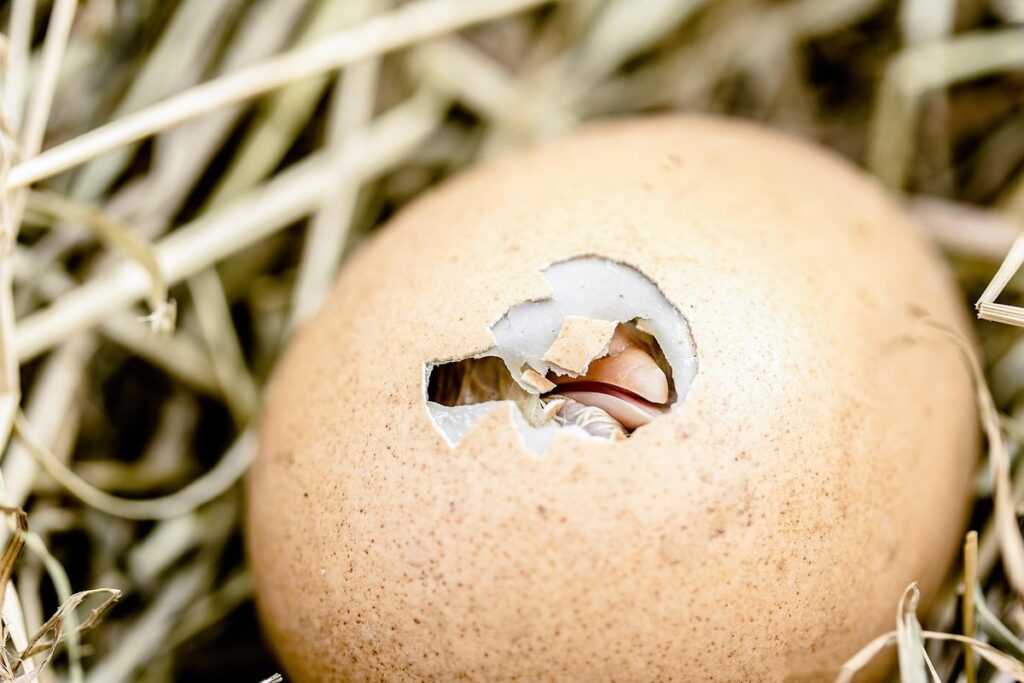
Factors to Consider Before Intervention
Before making a decision, take a step back and consider the factors that will influence your ability to provide the necessary care for the developing chick. This includes its age, health, and overall viability.
Importance of Natural Incubation
Allowing chicks to hatch naturally is crucial for their health and development. When incubated artificially, chicks may miss out on the beneficial stress of the hatching process, which can make them more resilient. On the other hand, natural incubation allows eggs to go through a gradual cooling period after pipping, which helps regulate the chick’s body temperature.
During this critical phase, natural incubation also enables the transfer of vital nutrients and energy from the yolk sac to the chick’s bloodstream. This process is essential for their growth and development. Research suggests that chicks hatched naturally tend to have a stronger immune system and are less susceptible to diseases compared to those incubated artificially.
To encourage natural incubation, it’s essential to create an optimal environment in the nesting box or brooder. Ensure the temperature remains stable, and humidity levels are adequate. By allowing nature to take its course, you’ll be giving your chicks a solid foundation for growth and development, increasing their chances of survival and thriving as young birds.
Signs That Intervention May Be Necessary
As you observe the behavior of your mother hen and her eggs, there may come a time when you notice some unusual patterns that could indicate the need for intervention. Prolonged incubation is one such warning sign – if the mother hen has been sitting on the eggs for an extended period without any signs of hatching, it may be necessary to take action.
If the mother hen’s behavior seems sluggish or disinterested in her eggs, this can also be a cause for concern. Look out for signs like excessive brooding, where she becomes too hot and starts panting, or if she gets up frequently, leaving the eggs unattended.
In these situations, it’s essential to monitor the eggs closely for any movement or pip marks on the shell. If you suspect that the chick is struggling to hatch or needs assistance, gently place a thermometer under the egg to check for warmth. This can help determine whether the embryo inside is still viable and needs support.
Risks Associated with Artificial Hatching
Artificial hatching methods can introduce several risks that may compromise chick health and long-term well-being. One significant concern is the increased risk of bacterial contamination. When you intervene with artificial incubation or hatching, you expose the eggs to external bacteria, which can be particularly problematic if the equipment isn’t properly sanitized.
This exposure can lead to a range of issues, from mild respiratory problems to more severe conditions like pasty butt syndrome. In some cases, chicks may not even survive. Another consideration is the potential for physical damage during handling or artificial hatching, such as crushed eggs or injured chicks.
It’s also worth noting that artificial hatching can sometimes result in uneven or incomplete development of vital organs and systems. This can manifest later on as issues with fertility, egg-laying capacity, or even the chick’s ability to adapt to environmental changes.
Understanding Chick Development
Let’s break down the basics of chick development, from fertile eggs to hatching chicks, so you can make informed decisions about incubation. This process is crucial for understanding the chances of a healthy hatch.
Embryonic Development Stages
The embryonic development of a chick is a fascinating process that involves several critical stages. It all begins with fertilization, where a sperm penetrates the egg yolk and releases its genetic material. This is followed by implantation, where the embryo adheres to the inner surface of the shell membrane. The zygote then undergoes cleavage, dividing into two or more cells. This stage is crucial for the development of the embryo’s basic body plan.
As the embryo grows, it enters a period of gastrulation, during which the three primary germ layers form: ectoderm, mesoderm, and endoderm. These layers will eventually give rise to all tissues and organs in the chick. Organogenesis is another critical stage, where specific organs begin to take shape. The heart forms first, followed by the lungs, liver, and other vital organs.
It’s essential for breeders or owners to understand these stages as they can help identify potential issues during incubation. For instance, if an embryo fails to implant properly, it may not receive adequate nourishment, leading to stunted growth or even death. Similarly, abnormalities in organogenesis can result in chicks with developmental defects.
Critical Periods in Poultry Development
As you’re considering whether to help a chick hatch, it’s essential to understand that critical periods exist during embryonic development. These periods are highly sensitive to temperature fluctuations and other environmental factors. For example, the first 24 hours after fertilization is a crucial period for embryonic development. During this time, the embryo is most susceptible to temperature changes, which can significantly impact its growth.
Another critical period occurs between days 14-18 of incubation. At this stage, the chick’s organ systems are developing rapidly, and even slight deviations in temperature or humidity can affect the formation of vital organs. Failure to maintain proper temperatures during these periods can lead to developmental issues, reduced hatch rates, or even complete embryo loss.
To increase the chances of a successful hatch, it’s crucial to monitor and control environmental factors closely, especially during these sensitive periods. This includes maintaining precise temperature settings, ensuring adequate humidity levels, and avoiding sudden changes in incubation conditions. By being aware of these critical periods and taking proactive measures, you can better support embryonic development and potentially increase the chances of a healthy hatch.
Factors Influencing Hatchability Rates
When it comes to helping a chick hatch, several factors can significantly influence hatchability rates. One of the most critical factors is egg quality. Fresh and clean eggs from healthy hens will have better chances of producing viable chicks. On the other hand, dirty or old eggs may lead to lower hatchability due to contamination.
Breed is another significant factor affecting hatchability rates. Some breeds are more challenging to hatch than others, while some have naturally higher success rates. For instance, certain heritage breeds like Silkies and Polish can be notoriously difficult to hatch.
Incubator conditions also play a vital role in determining hatchability rates. Maintaining optimal temperature, humidity, and air circulation within the incubator is essential for healthy chick development. Proper temperature control is particularly crucial during the first 24 hours of incubation, when embryos are most vulnerable to temperature fluctuations.
By understanding these factors and taking steps to improve them, you can significantly increase your chances of successfully hatching chicks. Regularly inspecting eggs for cleanliness and freshness, selecting breeds that are known for their hatchability rates, and ensuring optimal incubator conditions will all contribute to a healthier and more successful hatch.
Deciding Whether to Intervene
When a chick appears stuck inside its shell, you’re left wondering whether to intervene or let nature take its course. This can be a tricky decision that requires careful consideration.
Assessing the Situation: Mother Hen’s Role
When assessing whether to intervene in a hatching process, it’s essential to consider the role of the mother hen. In nature, mother hens are designed to care for their chicks from the moment they hatch. Their instinctive behavior is crucial in ensuring the survival and well-being of their young.
Mother hens have an innate ability to recognize when a chick needs attention or is struggling to breathe. They will often gently cover their brood with their wings, keeping them warm and safe until they are strong enough to fend for themselves. In addition, mother hens know exactly how much food and water their chicks need at various stages of development.
However, it’s not always possible for a mother hen to care for her chicks in every situation. If she is injured or unable to attend to them, intervention may be necessary to ensure the chicks receive proper care.
Evaluating the Chicks’ Condition
When you’re faced with the decision of whether to intervene in a chick hatch, it’s crucial to first evaluate the condition and health of the chicks. This assessment will help you determine if the chicks are viable and worth saving. To do this, carefully inspect each chick for any visible signs of distress or injury.
Look for things like flaccid wings, labored breathing, or bloodshot eyes – these can be indicative of a serious issue. Also, gently tap on the shell to check for signs of membrane tears or cracks. Any unusual sounds or lack of movement should raise concern.
As you examine each chick, keep in mind that it’s better to err on the side of caution. If you’re unsure about a particular chick’s health, it’s best not to intervene and let nature take its course. However, if you notice any obvious signs of distress, carefully separate the affected chick from the others and seek guidance from an experienced breeder or veterinarian.
Remember that every minute counts in these situations – rapid action can significantly improve outcomes for struggling chicks.
Considering Alternatives: Options Beyond Artificial Hatching
If you’re considering intervening to help a chick hatch, it’s essential to weigh the pros and cons of various options beyond artificial hatching. While artificial incubation can be effective, there are alternative methods worth exploring.
One option is to provide a humid environment, mimicking the natural conditions found in a broody hen‘s nest. This can involve covering the eggs with a damp cloth or using a humidifier. Some breeders report success rates of up to 80% when using this method. However, it requires close monitoring and may not be suitable for large batches of eggs.
Another alternative is to use a “hatcher” – a specialized device designed to simulate the warmth and humidity found in a broody hen’s nest. These devices can range from simple, DIY contraptions to more advanced, commercial units. When used correctly, hatchers can achieve success rates comparable to artificial incubation.
When considering these alternatives, it’s crucial to understand that each has its own set of requirements and limitations. Carefully evaluate your specific situation and resources before deciding on the best course of action.
Artificial Incubation Methods
For some of you, artificial incubation methods may be a viable option if natural hatching doesn’t seem likely, so let’s explore these alternative techniques in more detail. We’ll break down the pros and cons.
Setting Up an Effective Incubator
Setting up an incubator that’s conducive to successful hatching requires careful attention to temperature control, humidity levels, and turning mechanisms. First and foremost, it’s essential to ensure the incubator’s temperature range is between 99°F (37°C) and 100°F (38°C), with a slight drop in temperature overnight.
Maintaining optimal humidity levels is equally crucial; an ideal range is between 50% to 60%. This can be achieved by using a humidifier or misting the eggs with water. Turning mechanisms should be adjusted so that the eggs are turned 4-5 times per hour, mimicking the natural turning of a mother hen.
It’s also vital to regularly check and calibrate the incubator to prevent any potential malfunctions. A temperature deviation of just 1°F (0.5°C) can significantly impact hatch rates. To ensure consistency, many breeders use an external thermometer and hygrometer for precise readings. By paying close attention to these details, you’ll be well on your way to creating a supportive environment for successful hatching.
Monitoring Embryonic Development and Chicks’ Condition
As you’re considering whether to help a chick hatch, it’s essential to monitor its embryonic development and condition closely. You’ll need to track the chick’s growth, identify potential issues early on, and take prompt action if necessary.
To do this, you’ll typically begin by candling the egg around 7-10 days into incubation. This involves shining a bright light through the eggshell to observe the embryo’s development. You’re looking for signs of movement, blood vessels, and other key developmental milestones.
Next, you’ll want to monitor temperature fluctuations in your incubator. A consistent temperature between 99°F and 100°F (37-38°C) is crucial during this period. Sudden drops or spikes can harm the embryo or even cause it to stop developing altogether.
Keep a close eye on humidity levels as well – ideally, they should remain between 50-60%. This will help prevent desiccation and other moisture-related issues that could impact embryonic development.
It’s also essential to monitor your chick’s overall condition by listening for sounds of movement within the egg. If you’re concerned about a particular egg or notice any unusual developments, it’s always better to err on the side of caution and consult with an experienced breeder or poultry expert.
Common Issues During Artificial Incubation and Their Solutions
Artificial incubation can be a complex process, and issues may arise during this time. One common problem is temperature fluctuations within the incubator. This can cause stress to the developing embryo, leading to poor hatch rates or failed hatches altogether. To mitigate this issue, it’s essential to maintain precise temperature control within the incubator.
Another frequent concern is humidity levels being too high or low. High humidity can lead to mold growth and bacterial contamination, while low humidity may cause the eggs to dry out. A general rule of thumb for maintaining optimal humidity is to aim between 50-60% relative humidity until day 18, then reduce it by about 10%.
Incorrect egg placement within the incubator can also be a hindrance to successful hatching. Make sure that each egg has enough space and is not touching other eggs or the incubator walls. This will prevent temperature and moisture variations from affecting the developing embryo.
Lastly, some users may encounter issues with turning the eggs properly or setting the right humidity and temperature levels. A consistent routine and proper equipment can help resolve these problems and ensure a healthy hatch.
Aftercare: Raising Healthy Chicks
Once your chicks have hatched, it’s essential to provide them with proper care and attention to ensure they grow into healthy birds. This includes a nutritious diet, clean living space, and regular monitoring of their health.
Creating a Safe Environment for the Chicks
Creating a safe environment for newly hatched chicks is crucial to their health and well-being. As you welcome these tiny balls of fluff into your home, it’s essential to provide them with the right conditions to thrive.
First and foremost, ensure adequate ventilation in the area where the chicks will be kept. This means having good airflow to prevent the buildup of ammonia from the chicks’ droppings. A well-ventilated space will not only keep the air clean but also help regulate the temperature for optimal growth. Consider placing the brooder (a safe enclosure for young birds) near a window or using an exhaust fan to circulate air.
Nutrition is also vital for newly hatched chicks. Provide them with a starter feed that’s specifically formulated for their age and breed. Keep in mind that chicks require more protein than adults, so choose a high-quality feed that meets their nutritional needs. Make sure fresh water is always available, and place it in a location where the chicks can easily access it without having to navigate through litter or debris.
Finally, protect your little ones from predators by keeping the area predator-free. This might mean blocking off areas you don’t want them to access or removing any potential hiding spots for unwanted visitors. Keep an eye on your chicks at all times, and ensure they have a safe place to roost (rest) each night.
As you care for your newly hatched chicks, remember that their safety is paramount. By providing the right environment, nutrition, and protection, you’ll be setting them up for success and helping them grow into healthy, happy birds.
Nutrition and Hydration: Meeting Chicks’ Basic Needs
When it comes to helping a chick hatch, providing proper nutrition and hydration is crucial for its survival. Chicks have high energy demands and need to eat frequently to grow and develop quickly. A good quality starter feed should be the primary source of nutrition, containing around 20% protein to support muscle growth and development.
It’s essential to provide fresh water at all times, as chicks can dehydrate rapidly due to their small body size. A watering system with a float valve or automatic drinker is recommended to ensure the water level remains constant. Change the water frequently to prevent bacterial contamination.
When introducing starter feed, mix it with warm water to make it easily accessible for the chick. Place the mixture in a shallow dish and encourage the chick to eat by gently guiding its beak into the food. This will help prevent overcrowding and ensure each chick has enough space to eat comfortably. By meeting these basic needs, you’ll be giving your chicks the best possible start in life.
Socialization and Handling Techniques
Socialization is a crucial aspect of raising healthy chicks. It’s essential to handle them gently and frequently from an early age to prevent stress and behavioral problems later on. Start by placing the chick under a warm light source, such as a heat lamp or ceramic heat emitter, and let it walk around freely in its enclosure.
To socialize your chick, spend time with it daily, letting it crawl onto your hands or arms. This will help it become comfortable with human interaction and reduce stress when handled. You can also place the chick near other birds to promote natural behavior and communication.
For handling techniques, use a soft, dry cloth to pick up the chick, supporting its body and wings. Avoid picking them up by their legs or tail feathers, as this can cause injury. Handle your chick for short periods daily, gradually increasing the time as it becomes more comfortable with human interaction. This will help your chick develop good behavior and reduce stress later in life.
Keep in mind that socialization is an ongoing process and requires consistent effort throughout your chick’s first few weeks of life. By following these tips, you’ll be well on your way to raising a healthy, confident chick.
Conclusion
In conclusion, helping a chick hatch can be a wonderful experience, but it’s essential to understand the process and make an informed decision. By considering factors like incubation time, candling, and the chick’s overall health, you’ll be better equipped to decide whether to intervene or let nature take its course. Remember that every egg is unique, and what works for one may not work for another. If you do choose to help a chick hatch, make sure you’re prepared with proper equipment and a clear understanding of the risks involved. Ultimately, the decision to assist a chick in hatching should be made with caution and care, prioritizing both your own well-being and the health of the chick.
Frequently Asked Questions
What if I accidentally disturb the natural incubation process? Will it harm the chick?
If you inadvertently intervene during the natural incubation process, don’t panic. Simply gently place the egg back in its original position, and try to minimize any further disturbance. While minor disruptions are unlikely to cause significant harm, excessive handling can still affect the chick’s development. To avoid this, consider using an egg turner or a rotation system to facilitate gentle incubation.
Can I use artificial incubation if my mother hen is not present?
While a mother hen plays a crucial role in natural incubation and chick rearing, you can successfully hatch chicks artificially without her presence. However, it’s essential to replicate the temperature and humidity conditions found within an eggshell, which includes a gradual cooling period after pipping. Consult with your veterinarian or poultry expert for guidance on setting up an effective artificial incubation system.
What if I notice signs of distress in a chick during artificial incubation? How can I address this?
If you observe any signs of distress in a chick, such as labored breathing, lethargy, or difficulty hatching, seek immediate advice from a veterinarian or poultry expert. They will be able to assess the situation and provide guidance on how to intervene effectively. In some cases, it may be necessary to transfer the chick to a specialized brooder for close monitoring and care.
How long does it take for chicks to adjust to their new environment after artificial incubation?
After hatching artificially, chicks require time to adapt to their new surroundings and adjust to life outside the eggshell. Allow them at least 24-48 hours to settle before introducing them to a brooder or their permanent living quarters. During this period, ensure they have access to a safe and warm environment, adequate nutrition, and regular hydration.
What are some common mistakes to avoid when using artificial incubation?
When employing artificial incubation methods, be aware of potential pitfalls such as incorrect temperature settings, inadequate humidity levels, or improper egg handling. Regularly monitor your incubator’s performance and ensure it is well-maintained to minimize the risk of equipment failure or contamination. Consult with experts for guidance on setting up a reliable and efficient artificial incubation system.