
As a chicken owner, providing your feathered friends with a well-balanced diet is crucial for their optimal health and egg production. But did you know that chicks, pullets, and laying hens have different nutritional requirements at various life stages? Feeding them the right foods can make all the difference in preventing health issues and maximizing their productivity. In this article, we’ll break down what to feed your chickens by age, from day-old chicks to mature laying hens. We’ll cover the essential nutrients they need at each stage of development, including protein, calcium, and vitamins, and recommend the best diets for optimal health and egg production. By following our expert advice, you can ensure your flock stays happy, healthy, and productive, and enjoy a steady supply of fresh eggs from your backyard coop.
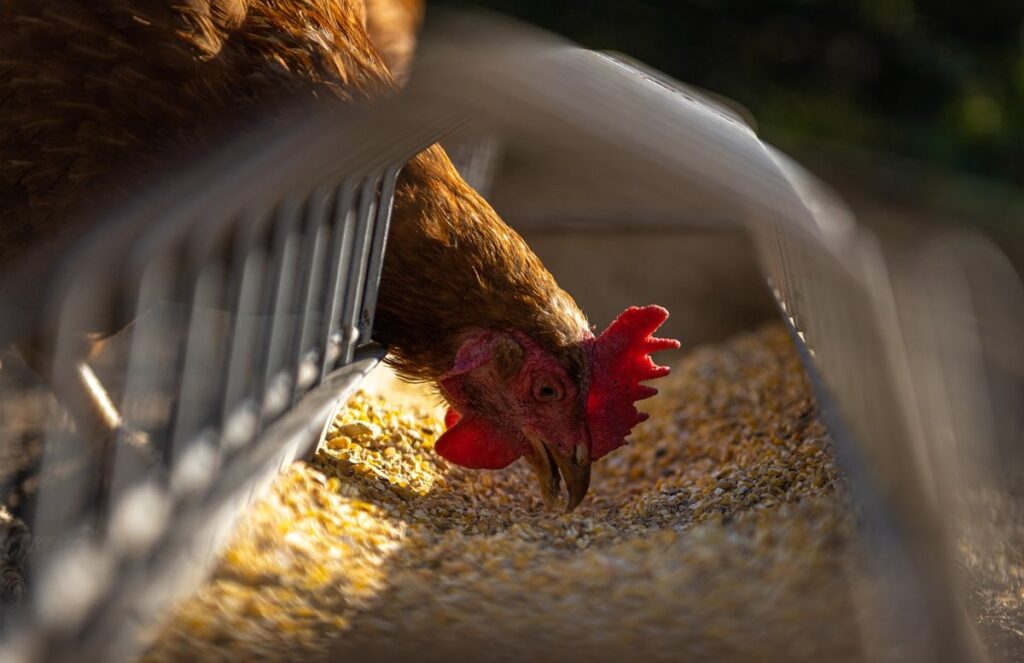
Laying Hens (1-6 years old)
If you’re raising laying hens between one and six years old, it’s essential to feed them a balanced diet that meets their nutritional needs for egg production and overall health. A well-planned feeding schedule can make all the difference in their productivity and longevity.
Nutrition Requirements at Different Life Stages
As laying hens mature and continue to produce eggs, their nutritional requirements change. It’s essential to provide them with a balanced diet that meets their evolving needs. For example, as hens age from 1-2 years, they require about 16-18% protein in their feed to maintain egg production and overall health. This is slightly higher than the 15-16% protein requirement for young pullets.
As laying hens reach 3-4 years of age, their calcium needs increase to support continued eggshell production. A diet rich in calcium, such as oyster shells or crushed eggshells, can help ensure strong eggshells and prevent breakage. By around 5-6 years old, some hens may begin to slow down on egg production, but they still require a balanced diet with adequate protein and calcium.
To meet these changing needs, consider offering a layered feeding system where younger hens eat a starter feed and older hens have access to a more mature layer feed. This can help ensure that each age group gets the nutrients it requires for optimal health and egg production.
Recommended Diets for Laying Hens
When it comes to laying hens, their nutritional needs change as they transition from peak production to late lay. During this stage, providing the right diet is crucial for maintaining egg quality and quantity.
For commercial layer feeds, look for products specifically formulated for laying hens in different stages of lay. For example, a layer feed with 16-18% protein content is suitable for peak production (around 1-3 years old), while a feed with lower protein content (14-16%) is better suited for transitional and late lay (around 4-6 years old). Some popular commercial layer feeds include Purina Layena, Manna Pro Layer Feed, and Land O’Lakes Layer Feed.
If you prefer a homemade diet, consider adding the following ingredients to their feed: oats, barley, wheat, and high-quality protein sources like mealworms or flaxseed. Always ensure that your hens have access to fresh water and a calcium source, such as crushed eggshells or oyster shells, to support strong eggshell production.
Keep in mind that introducing new foods gradually is essential to prevent digestive issues. Start by adding small amounts of the new ingredients to their existing feed and monitor their health and egg production accordingly.
Supplementing with Fresh Fruits and Vegetables
Adding fresh fruits and vegetables to your laying hens’ diet can provide essential nutrients, fiber, and antioxidants. However, it’s crucial to introduce these foods in moderation, as they can also cause digestive issues if fed excessively.
Some safe options for fresh produce include leafy greens like kale, spinach, and collard greens, which are rich in calcium and vitamins A and K. Berries such as strawberries, blueberries, and raspberries are also a great addition, providing antioxidants and fiber. Cruciferous vegetables like broccoli, cauliflower, and cabbage can be given in small amounts to support immune function.
On the other hand, some fruits and vegetables are toxic to chickens or should be fed with caution. For instance, onions, garlic, and chives belong to the Allium family and contain compounds that can cause anemia in birds. Avocado pits, seeds, and leaves are also toxic due to a fatty acid called persin. Citrus fruits like lemons and limes contain high acidity levels, which can lead to digestive issues if fed excessively.
To incorporate fresh produce safely, start by offering small amounts (about 1-2% of their daily feed) to allow your hens to adjust. Gradually increase the portion size based on their tolerance and preferences. Always wash the produce thoroughly before feeding it to prevent contamination and ensure optimal nutrient absorption.
Pullets (6-18 months old)
As you raise your young pullets, around 6-18 months old, they’ll need a diet rich in protein to support their rapid growth and development. A balanced feed specifically formulated for this age group is essential.
Nutritional Needs During Growth and Development
During this critical growth period, pullets need a balanced diet that provides all essential nutrients to support their rapid development. Adequate protein is crucial for building strong muscles and organs, with a recommended intake of 16-18% protein in the starter phase (6-8 weeks) and 14-15% in the grower phase (8-18 months). A good quality layer feed or pellets should be your main source of nutrition.
Calcium is also vital for pullets as they develop their skeletal system. A minimum of 1.5-2% calcium in their diet is recommended to ensure proper bone growth and development. You can supplement their diet with crushed oyster shells or dark leafy greens like kale and spinach, which are rich in calcium.
Vitamin D is another essential nutrient that supports pullet health during this period. Provide access to natural sunlight for 10-15 minutes a day, as it triggers vitamin D production in the skin. Alternatively, you can offer a small amount of cod liver oil or alfalfa meal, both of which are rich in vitamin D.
Remember, every flock is different, so monitor your pullets’ health and adjust their diet accordingly. Keep a close eye on their growth rates and make changes to their nutrition plan as needed to ensure they reach optimal weight and health by 18 months.
Choosing the Right Starter Feed
When it comes to choosing the right starter feed for pullets (6-18 months old), there are several factors to consider. Starter feeds are formulated specifically for young chickens and contain a higher protein content than layer feeds, which is essential for growth and development.
However, not all starter feeds are created equal. Look for a feed that contains around 20% protein, as this will support muscle growth and feather development in your pullets. You’ll also want to consider the type of ingredients used in the feed, such as corn, soybeans, or wheat. Some starter feeds may also contain added vitamins and minerals, like calcium and phosphorus, which are crucial for bone health.
When selecting a starter feed, it’s essential to read the label carefully. Check the ingredient list to ensure that the feed is free from fillers and by-products. You should also look for a feed that has been formulated specifically for pullets or young chickens. Some popular brands offer separate feeds for different age ranges, so be sure to choose one that meets your birds’ needs at this stage of their development.
Tips for Transitioning Pullets to Layer Feed
When transitioning pullets to layer feed, it’s essential to do so gradually to prevent digestive upset. Start by mixing a small amount of layer feed with their starter feed and gradually increase the proportion over 7-10 days. This allows their digestive system to adjust to the new nutrient profile.
The ideal time for transition is between 16-18 weeks of age, when their growth rate slows down and they begin to lay eggs. However, if you’re using a grower feed with added calcium, it may be suitable until around 20 weeks.
Monitor your flock’s response closely during the transition period, looking out for signs of digestive issues such as diarrhea or decreased egg production. It’s also crucial to maintain a consistent feeding schedule and provide fresh water at all times.
A good rule of thumb is to introduce the new feed in small increments, allowing 2-3 days between each mix change. This will help prevent any adverse reactions and ensure a smooth transition to layer feed.
Growing Chicks (0-6 months old)
When raising baby chicks, it’s essential to provide them with a nutrient-rich diet that meets their specific needs during the first six months of life. This section covers the best starter feed options for young chicks.
Nutritional Requirements at Different Growth Stages
As your chicks grow and develop, their nutritional requirements change dramatically. At 0-6 months old, they need a diet that provides adequate protein, energy, and essential vitamins to support rapid growth.
Protein is the most critical nutrient for growing chicks, making up about 20% of their daily intake. As they grow, their protein needs increase from around 1.5% at one day old to 2.5-3% by six weeks old. This means you’ll need to adjust their feed accordingly, switching to a starter or grower feed that meets these higher protein requirements.
Energy is also crucial for growth and development, with chicks requiring around 3000 kcal/kg of food from 1-6 months old. Vitamin A and D3 are essential for healthy growth, and deficiencies can lead to issues like rickets and stunted growth.
To ensure your chicks receive the necessary nutrients, consider adding supplements or feed specifically formulated for their age group. Consult with a veterinarian or poultry expert to determine the best diet for your flock based on breed, size, and growing conditions.
Choosing a Starter Feed with Correct Nutrient Profile
When it comes to growing healthy chicks from 0-6 months old, selecting a starter feed that meets their specific nutrient needs is crucial. Chicks require a balanced diet rich in protein, energy, and essential vitamins and minerals for optimal growth and development.
Commercial chick feeds are specifically formulated to meet these requirements, often containing around 18-20% protein levels. For example, Purina Starter Feed contains 19.5% protein, while Manna Pro Chick Starter Feed has a protein level of 20%. Look for feeds that also contain added nutrients such as calcium and phosphorus for strong bone development.
When choosing a starter feed, ensure it’s designed for the first six weeks of life. As chicks grow, their nutritional needs change, so switch to a grower or finisher feed by 6-8 weeks old. Always follow the manufacturer’s instructions and feeding guidelines to avoid underfeeding or overfeeding your chicks. A well-formulated starter feed can make all the difference in setting up your chicks for a healthy, thriving life.
Tips for Introducing Chicks to Feed and Water
When introducing chicks to feed and water for the first time, it’s essential to do so gradually to prevent overwhelming them. Start by placing their food and water dishes near the brooder, allowing them to become familiar with the new sights and sounds.
Once they seem comfortable with the presence of the feeders and waters, you can place a small amount of starter feed in one dish and water in another. Make sure the feed is at a shallow depth to prevent the chicks from drowning or getting stuck. Place the dishes close together, so the chicks can easily access both food and water.
A good rule of thumb is to provide two gallons of water per 10 chicks for every week of age. For example, if you have 20 chicks that are one week old, you should provide four gallons of water total.
Monitor your chicks closely during this time, as some may be hesitant to drink or eat due to the new environment. If you notice any struggling, try placing a shallow dish with water on the floor for them to access more easily.
Brood Mares (3-4 years old)
For chickens aged 3-4, a balanced diet rich in protein and calcium is crucial to support their growth and development, ensuring they stay healthy and strong. A high-quality starter feed should be your top choice for this age group.
Special Considerations for Pregnant Hens
When managing a flock that’s about to hatch, it’s essential to prioritize the nutritional needs of pregnant hens. As they approach broodiness, their dietary requirements increase significantly to support fetal development and ensure healthy chicks.
Pregnant hens require more protein to build and repair tissues, including the developing embryo. A minimum of 16% protein in their feed is recommended, but a higher quality layer feed with around 18-20% protein can be beneficial. This will help promote optimal growth and development of the chick’s body systems.
Calcium also plays a crucial role during pregnancy. It’s essential for building strong bones and beak development in the chicks. A calcium-rich layer feed or supplementing their diet with crushed oyster shells can help meet this increased demand. Aim to provide about 3-4% calcium in their total diet, which is roughly double what non-pregnant hens require.
To ensure your pregnant hens are getting all the necessary nutrients, consider adding a small amount of dark leafy greens like kale or spinach to their diet. These foods are rich in calcium and other essential minerals that support fetal development.
Nutritional Needs During Laying and Breeding Seasons
As your brood mares reach laying and breeding seasons, their nutritional needs become even more critical. Adequate nutrition affects not only egg production but also fertility, making it essential to provide the right balance of nutrients. A high-quality layer feed rich in protein (16-18%), calcium, and phosphorus is ideal for maintaining strong eggshell quality and promoting optimal reproductive health.
During breeding seasons, brood mares require extra energy to support their reproductive cycle. A 10-15% increase in nutrient intake can help meet this increased demand. Focus on providing a balanced layer feed that includes essential vitamins like vitamin D3, E, and B12. Supplementing with probiotics and omega-3 fatty acids can also enhance fertility by promoting gut health and reducing inflammation.
Aim to provide 1/4 to 1/2 pound of layer feed per bird daily, depending on individual needs. Monitor your flock’s health and adjust feeding quantities as necessary. Keep in mind that overfeeding can lead to reduced fertility and increased risk of obesity-related issues. Regular monitoring of egg production, weight, and overall health will help you identify any potential nutritional deficiencies or excesses.
Managing Flock Health During Transition Periods
Managing your flock’s health during transition periods is crucial, especially when it comes to brood mares aged 3-4 years old. As they enter this critical phase of development, their nutritional needs shift dramatically. It’s essential to monitor their feed intake closely and make adjustments accordingly.
A sudden change in diet can lead to digestive issues, reduced egg production, or even lameness. To avoid these problems, introduce new feeds gradually over a 7-10 day period. For example, you could start by mixing 25% of the new feed with 75% of their existing feed and then gradually increase the proportion.
It’s also vital to consider factors such as breed, climate, and living conditions when determining your flock’s nutritional requirements. For brood mares in this age group, a balanced diet rich in calcium, phosphorus, and vitamins A, D3, and E is crucial for maintaining strong bones and preventing metabolic disorders.
Regular health checks and weighing sessions will also help you identify any potential issues early on, allowing you to make adjustments before they become major problems.
Chickens Under 3 Months Old (Nursing Chicks)
When it comes to nursing chicks, they have specific nutritional needs that differ from adult hens. Here’s what you need to know about feeding your young flock members under three months old.
Mother Hen’s Role in Nutrition and Development
When it comes to raising healthy and robust chicks, the mother hen’s role extends far beyond just brooding them. Her diet plays a crucial part in ensuring that her chicks receive all the necessary nutrients for optimal growth and development during this critical period.
A mother hen’s nutritional intake directly impacts her egg yolk quality and quantity, which are the primary sources of nutrition for her chicks. A balanced diet rich in protein, calcium, and vitamins is essential to produce high-quality eggs that will nourish her young. For example, research has shown that hens fed a diet supplemented with omega-3 fatty acids produced eggs with higher levels of these beneficial fats, which are then transferred to their chicks.
As a backyard chicken keeper, you can support your mother hen’s nutritional needs by offering her a high-quality layer feed or supplementing her diet with calcium-rich foods like crushed oyster shells. Additionally, providing access to fresh fruits and vegetables can help ensure she gets the necessary vitamins and minerals for optimal egg production. By focusing on your mother hen’s nutrition, you’ll be setting your chicks up for success in their first few weeks of life.
Nutritional Requirements for Nursing Chicks
As nursing chicks rely on their mother’s care for sustenance, it’s crucial to understand their unique nutritional requirements. Between 0-3 months of age, they need a diet rich in protein, energy, and essential vitamins. Amino acids, such as methionine and cysteine, are vital for growth and development. Look for feed that contains around 20% protein content, which will meet the chick’s needs.
In addition to protein, nursing chicks require a significant amount of energy from carbohydrates and fats. A balanced starter feed should provide around 1,000-1,200 kcal/kg of metabolizable energy (ME). This will ensure they have the necessary fuel for growth and feather development. Vitamin requirements are also essential; specifically, biotin, vitamin E, and niacin support overall health and immune function.
To meet these nutritional demands, ensure your chicks have access to their mother’s milk or a high-quality starter feed that meets these criteria. If supplementing with a commercial starter feed, follow the manufacturer’s guidelines for mixing ratios to avoid over- or under-supplementation.
Tips for Raising Healthy Orphaned or Fostered Chicks
Raising orphaned or fostered chicks can be a delicate task, but with the right care and nutrition, they can thrive. If you find yourself taking in an orphaned chick or fostering one from another flock, it’s essential to provide a nutrient-rich diet that meets their specific needs.
First, determine the age of the chick to ensure you’re providing the correct starter feed. If the chick is under 1 week old, use a high-protein starter feed with around 20% protein content. For older chicks (around 1-3 weeks), switch to a starter feed with slightly lower protein content (18%).
To encourage growth and health, make sure to provide adequate water at all times, as dehydration can quickly set in. You can also supplement their diet with crushed oyster shells or grit to aid digestion.
When fostering multiple chicks, introduce them slowly to each other to prevent stress and competition for resources. Monitor their behavior and adjust feeding schedules as needed to ensure a smooth transition. With patience, care, and proper nutrition, orphaned or fostered chicks can grow strong and healthy under your watch.
Frequently Asked Questions
Can I still raise chickens on a small farm or homestead if I don’t have access to large pastures?
Yes, many people successfully raise chickens in smaller spaces, such as backyards or even indoor coops, as long as they provide enough space for the birds to move around and engage in natural behaviors. Consider vertical integration and using space-efficient feeders and watering systems.
How often should I transition my flock from starter feed to layer feed?
Transitioning too quickly can cause digestive upset and stress on your chickens. It’s recommended to switch to a layer feed when your hens are about 18 months old, but you may need to adjust this timeline based on the specific nutritional needs of your flock.
Can I use supplements like oyster shells or crushed eggshells instead of commercial calcium sources?
Yes, these natural sources can be a good alternative to commercial calcium products. However, ensure that they are ground finely enough for easy digestion and provide adequate amounts to meet the calcium requirements of your hens.
How do I handle the transition from broody hens returning to laying, or vice versa?
When a broody hen returns to laying, her nutritional needs will change. Gradually introduce layer feed over a 7-10 day period to minimize stress and ensure a smooth transition. Similarly, when transitioning away from laying to a different stage of life (like molting), adjust feeding accordingly based on their specific nutritional requirements.
What are some signs that my flock is experiencing malnutrition or mineral deficiencies?
Common symptoms include pale combs, weak egg production, or even sudden deaths. Monitor your birds’ droppings for color and consistency, watch for changes in appetite or water intake, and look for any other unusual behaviors or physical characteristics that may indicate nutritional issues.