
As a duck keeper, you want to give your little ones the best possible start in life. One essential nutrient that plays a crucial role in their growth and development is niacin. Also known as vitamin B3, niacin is vital for maintaining healthy skin, feathers, and muscles in ducklings. However, it’s not just about providing enough food – getting the right dosage of niacin is equally important. Too little or too much can lead to problems with their immune system and even affect their growth rate. In this article, we’ll explore the importance of niacin for duckling health, discuss how to safely administer the right dosage, and look at its benefits for improving growth rates and immune system functionality. By the end of it, you’ll be equipped with the knowledge to give your feathered friends the best possible chance to thrive.
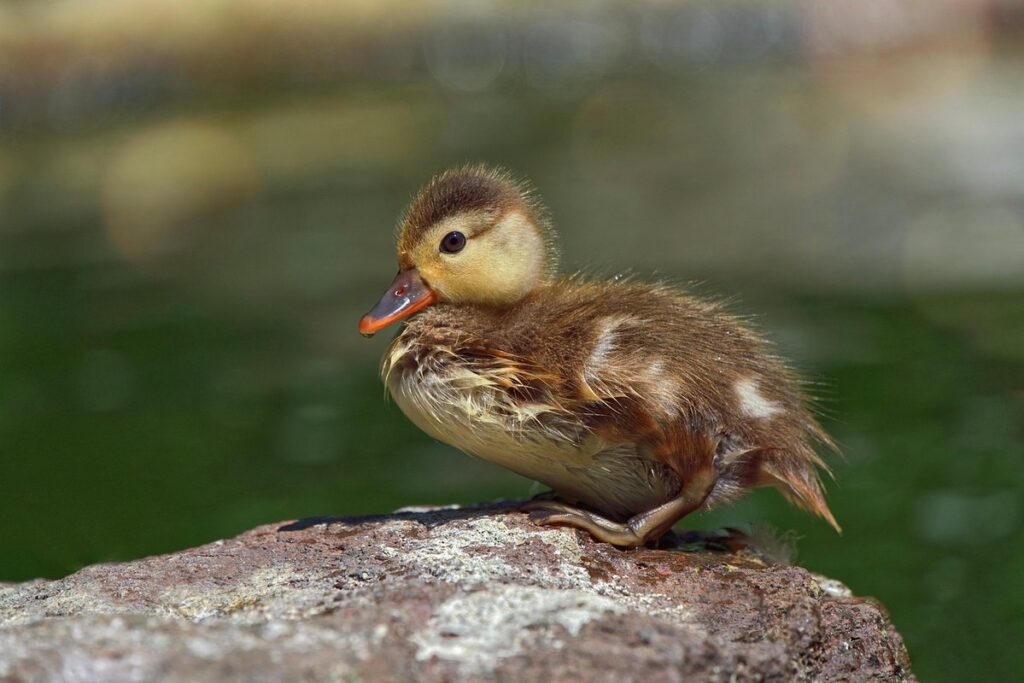
Understanding Niacin’s Importance for Ducklings
When it comes to keeping your ducklings healthy, understanding niacin’s importance is crucial. Let’s dive into why this B vitamin is essential for their growth and development.
What is Niacin and Its Role in Waterfowl Health?
Niacin plays a vital role in maintaining the overall health of waterfowl, including ducklings. As an essential nutrient, niacin is involved in various metabolic processes that are crucial for energy production and utilization. One of its primary functions is to aid in the conversion of food into energy, which is critical for growth and development in young birds like ducklings.
In addition to its role in energy metabolism, niacin also plays a significant part in DNA repair and maintenance. This is particularly important for ducklings as they are susceptible to genetic disorders that can arise from impaired DNA repair mechanisms. Moreover, niacin helps maintain the integrity of skin cells, which is essential for preventing conditions such as skin lesions or ulcers.
A deficiency in niacin can lead to a range of health issues in waterfowl, including weakened immunity, poor feather quality, and reduced growth rates. To ensure that your ducklings receive adequate levels of niacin, consider supplementing their diet with a balanced and nutrient-rich feed. This will help support their overall health and well-being, setting them up for optimal development and success as mature birds.
Signs of Niacin Deficiency in Ducklings
When niacin levels are insufficient in ducklings, it can lead to severe health issues and even death. A deficiency manifests through poor growth rates and reduced weight gain. Ducklings affected by this may have pale skin with lesions or rashes, typically on the beak, around the eyes, or at the joints.
Increased mortality is another direct consequence of niacin deficiency in ducklings. Weakened immune systems make them more susceptible to infections, resulting in a higher death rate within flocks. As growth slows down and energy reserves dwindle, affected birds may exhibit lethargy and loss of appetite.
Proper nutrition is essential for preventing such complications. A diet that includes adequate niacin levels can ensure healthy development and optimal immune function in ducklings. If you suspect your flock might be suffering from a niacin deficiency, consult with a veterinarian to determine the best course of action.
Why Niacin is Crucial for Waterfowl Nutrition
Niacin plays a vital role in waterfowl nutrition, particularly for ducklings. It’s essential to ensure they receive adequate niacin from an early age to prevent deficiencies and associated health issues. Niacin is crucial for energy production, skin integrity, and maintaining a healthy digestive system in young ducklings.
Research has shown that niacin deficiency can lead to conditions such as pellagra, which affects the growth and development of ducklings. A study conducted by poultry experts revealed that ducklings fed with low-niacin feed showed significant weight loss, poor feather development, and increased mortality rates compared to those receiving adequate niacin.
To provide your ducklings with optimal niacin levels, it’s recommended to incorporate a high-quality commercial starter feed or crumbles specifically formulated for waterfowl. You can also supplement their diet with small amounts of niacin-rich foods like brewer’s yeast or dried egg yolk. However, consult with a veterinarian or poultry expert before making any changes to your ducklings’ diet.
Safe Administration of Niacin to Ducklings
When it comes to administering niacin to your ducklings, there are specific guidelines you should follow to ensure their safety and well-being. This section provides essential tips on safe administration practices for healthy growth and development.
Choosing the Right Form of Niacin Supplement
When it comes to choosing the right form of niacin supplement for ducklings, you’ll want to understand the key differences between nicotinic acid and nicotinamide. While both forms are essential for avian health, they have distinct effects on the body.
Nicotinic acid is a more potent form of niacin that can cause liver damage if given in excess. In contrast, nicotinamide is generally considered safer but may not be as effective at raising niacin levels in the blood. Research suggests that nicotinamide is better tolerated by ducklings and may even reduce the risk of liver toxicity.
To make an informed decision, consider the specific needs of your ducklings. If they’re experiencing liver damage or are at high risk for it, you may want to opt for a niacin-rich diet or consult with a veterinarian about using nicotinamide. On the other hand, if you prefer a more potent form of niacin, nicotinic acid might be suitable in small doses under close veterinary supervision.
When selecting a supplement, always choose products from reputable manufacturers that adhere to strict quality control standards.
Determining the Optimal Dosage for Ducklings
To determine the optimal dosage of niacin for ducklings, you’ll need to consider their age, weight, and other factors. Start by calculating the duckling’s weight in kilograms (kg) since most dosing guidelines are based on this measurement. A general rule of thumb is to administer 10-15 milligrams of niacin per kilogram of body weight daily.
However, this calculation should be adjusted for younger ducklings. For example, if you’re giving a 2-week-old duckling that weighs 100 grams (0.1 kg), the recommended dose would be significantly lower than an adult duckling weighing 3 kg. As a rough estimate, you can start with 5-7 milligrams of niacin per kilogram for younger birds and gradually increase as they grow.
Keep in mind that other supplements or medications may interact with niacin. Be cautious when giving multiple products simultaneously to avoid over-supplementation. Always consult the product’s label instructions and manufacturer recommendations before making any adjustments to your duckling’s regimen.
Methods for Administering Niacin to Ducklings
Administering niacin to ducklings requires careful attention to detail to ensure their safety and effectiveness. It’s essential to start with small amounts, as excessive niacin can be toxic to young waterfowl. For ducklings, a common method is to dust the feed with niacin powder or mix it into their starter feed at the recommended rate.
A more precise approach involves using an oral syringe or dropper to administer niacin directly to the duckling’s crop. This method ensures accurate dosing and minimizes waste. To do this, gently restrain the duckling and place the syringe into its mouth, aiming for the back of the throat. Slowly release the niacin solution as the duckling swallows.
For larger operations or breeders, automated feeders can be programmed to dispense the correct amount of niacin-infused feed at regular intervals. This method streamlines the administration process and helps prevent accidental overdosing.
When choosing a niacin product for your ducklings, look for one specifically formulated for poultry use. Some products may contain additives or fillers that are not suitable for waterfowl. Always follow the manufacturer’s guidelines for dosing and consult with a veterinarian if you’re unsure about any aspect of niacin administration.
Benefits of Niacin Supplementation in Waterfowl Flocks
When it comes to giving your ducklings a healthy start, understanding the benefits of niacin supplementation is crucial for their growth and development. Let’s dive into how this essential nutrient can make all the difference in their health.
Growth Rate Improvement and Increased Feed Efficiency
When niacin is supplemented in duckling diets, several studies have demonstrated improved growth rates and increased feed efficiency. A study published in the Journal of Applied Poultry Research found that supplementing niacin to ducklings resulted in a 12% increase in weight gain compared to those without niacin supplementation.
Another study conducted by researchers at a leading poultry university showed that niacin supplementation reduced feed conversion ratio (FCR) by 15%. This means that for every pound of feed consumed, the ducks produced more pounds of live weight. Such improvements in growth rate and feed utilization can lead to significant economic benefits for waterfowl farmers.
It’s essential to note that optimal niacin levels vary depending on factors such as age, sex, and diet type. A general guideline is to provide 50-100 mg/kg of niacin per day for starter ducklings. However, it’s crucial to consult with a veterinarian or poultry expert to determine the best dosage for your specific flock.
Incorporating niacin into your duckling feed can have a substantial impact on their growth and overall health. By understanding the benefits of niacin supplementation and following established guidelines, you can make informed decisions about how to optimize your waterfowl operation.
Enhanced Immune System Functionality
When niacin is supplemented into waterfowl flocks, one of its most significant benefits is its ability to enhance immune system functionality. A strong immune system is crucial for ducklings to fend off diseases such as necrotic enteritis and coccidiosis, which can be devastating to young waterfowl.
Niacin plays a vital role in immune function by supporting the production of white blood cells, which are essential for fighting off infections. When niacin levels are adequate, ducklings are better equipped to withstand disease outbreaks, reducing the incidence of these common afflictions. In fact, studies have shown that supplementing niacin can lead to a significant reduction in mortality rates due to necrotic enteritis and coccidiosis.
To maximize the immune-boosting effects of niacin, it’s essential to ensure that your ducklings are receiving adequate vitamin B3 through their diet. A balanced feed or supplement should provide 20-40 mg/kg of niacin per day, depending on the specific needs of your flock. By providing this critical nutrient, you can give your ducklings a strong defense against disease and promote overall health and well-being.
Precautions and Potential Risks Associated with Niacin Use
While niacin can be a valuable supplement for ducklings, it’s essential to understand the potential risks involved in its use, particularly if not administered properly. Be sure to heed these cautions when giving your feathered friends this B-complex vitamin.
Toxicity and Overdose Symptoms
When excessive amounts of niacin are administered to ducklings, it can lead to severe toxicity and potentially life-threatening symptoms. These adverse effects can occur even with short-term use, making it crucial to follow the recommended dosage guidelines carefully.
Duckling owners should be aware that excessive niacin intake can cause symptoms such as skin lesions, peeling of the feet, and inflammation around the eyes and ears. In severe cases, toxicity can lead to difficulty breathing, rapid heartbeat, and even organ damage. If you suspect your ducklings have overdosed on niacin, seek veterinary attention immediately.
To prevent such adverse effects, it’s essential to monitor your ducklings closely during treatment and adjust the dosage as needed. Keep a close eye out for signs of toxicity, and if you notice any unusual behavior or symptoms, discontinue use and consult with a veterinarian. Remember that every duckling is different, so be prepared to make adjustments based on their individual needs and sensitivity levels.
Interactions with Other Nutrients or Supplements
When using niacin for ducklings, it’s essential to consider its interactions with other nutrients or supplements. Niacin can affect the absorption and utilization of other vitamins and minerals, particularly B vitamins, vitamin C, and iron. For instance, high doses of niacin may interfere with the metabolism of riboflavin (B2), leading to a deficiency in this essential nutrient.
To avoid such interactions, ensure you’re providing a balanced diet for your ducklings that includes adequate amounts of other B vitamins and minerals. Consult with a poultry expert or veterinarian to create a customized feeding plan that meets their nutritional needs.
Some supplements commonly used in duckling care, such as vitamin E and omega-3 fatty acids, can also interact with niacin. Be cautious when combining these supplements with niacin, as excessive levels of certain nutrients can cause toxicity. For example, high doses of vitamin E can lead to liver damage if combined with high niacin levels.
Monitor your ducklings’ health closely while using niacin, and adjust their supplement regimen accordingly. If you notice any adverse effects or changes in behavior, consult with a veterinarian immediately.
Best Practices for Raising Healthy Ducklings on a Niacin-Rich Diet
When it comes to raising healthy ducklings, providing them with a balanced and nutrient-rich diet is crucial for their growth and development. In this section, we’ll share expert tips on how to incorporate niacin into their daily meals.
Example Diets and Feeding Protocols
Incorporating niacin-rich feed into commercial duckling diets can be achieved through various recipes and feeding schedules. For example, you can start by replacing 10-20% of their regular starter feed with a high-niacin supplement. This will not only boost their niacin levels but also provide essential nutrients for optimal growth.
Here are some sample recipes you can try:
* Starter Feed Recipe (Days 1-7): Mix 1 pound of high-protein starter feed, 0.5 pounds of oats, and 0.25 pounds of dried kelp powder with a niacin supplement (2-3% niacin concentration) to create a well-rounded diet.
* Grower Feed Recipe (Days 8-14): Combine 1.5 pounds of grower feed, 0.75 pounds of wheat bran, and 0.25 pounds of dried kelp powder with the same niacin supplement.
When it comes to feeding schedules, it’s essential to ensure that ducklings receive a consistent supply of niacin throughout their development. You can achieve this by dividing daily rations into 3-4 meals, with each meal containing the recommended amount of niacin-rich feed. For example, if you’re using the starter feed recipe mentioned above, you can feed ducklings 1/2 cup per 100 square inches of space for the first week, adjusting as needed based on growth rates and individual needs.
Regular Health Monitoring and Record Keeping
Regular health monitoring is crucial when raising ducklings on a niacin-rich diet. You should check their weight daily and note any changes in appetite, stool quality, or behavior. A good rule of thumb is to monitor for any signs of imbalance, such as diarrhea or lethargy, which can be indicative of excessive niacin intake.
To accurately track the health status of your ducklings, keep a detailed record book with the following information: weight measurements, feed amounts, and any notable changes in behavior. This will help you identify potential issues early on and make necessary adjustments to their diet.
It’s also essential to monitor their stool quality, as this can indicate how well they’re absorbing niacin. Look for soft, formed stools, which suggest proper nutrient absorption. On the other hand, watery or loose stools may indicate excessive niacin intake or an imbalance in their diet.
Regular health monitoring and accurate record keeping will help you optimize your ducklings’ niacin intake and prevent potential issues associated with excessive niacin consumption.
Frequently Asked Questions
Can I use niacin supplements specifically formulated for humans on my ducklings?
No, it’s crucial to choose a supplement that is specifically designed for waterfowl or poultry, as human-grade supplements may not provide the correct concentration and form of niacin required by ducklings. Always consult with a veterinarian before introducing any new supplements to your flock.
How often should I monitor my ducklings’ growth rate after starting niacin supplementation?
Regular health checks are essential when administering niacin. Monitor your ducklings’ weight, feather development, and overall behavior daily for the first week, then gradually decrease monitoring frequency to weekly as you observe improvements in their growth rates.
What if I accidentally overdose my ducklings with niacin? Are there any immediate symptoms I should watch out for?
Yes. If you suspect an overdose, monitor your ducklings closely for signs of toxicity, such as labored breathing, loss of appetite, or lethargy. Immediately contact a veterinarian for guidance on how to proceed.
Can I mix niacin with other supplements or vitamins without affecting its efficacy?
No, introducing multiple supplements without careful consideration can lead to imbalances and adverse effects. Always start with one supplement at a time, carefully monitor the results, and adjust as necessary under the guidance of a veterinarian.
How long does it take for ducklings to show noticeable improvements in growth rate after starting niacin supplementation?
Ducklings typically begin showing significant improvements within 2-4 weeks after introducing a balanced diet rich in niacin. Keep in mind that individual results may vary depending on factors such as age, breed, and overall health of the flock.