
Are you tired of waking up to a messy coop floor covered in chicken feed? Do you struggle with managing your flock’s eating habits, only to end up wasting money on unnecessary feed? You’re not alone. Chickens can be messy eaters, and spills are a common issue for backyard farmers like yourself. Not only do these spills create an eyesore, but they also attract pests and pose health risks for your birds. In this article, we’ll explore effective solutions to prevent chicken feed spills, including automatic feeder options, environmental changes, and training techniques that can help minimize waste and keep your flock healthy. Whether you’re a seasoned farmer or just starting out, our expert tips will have you saying goodbye to messy feed spills in no time!
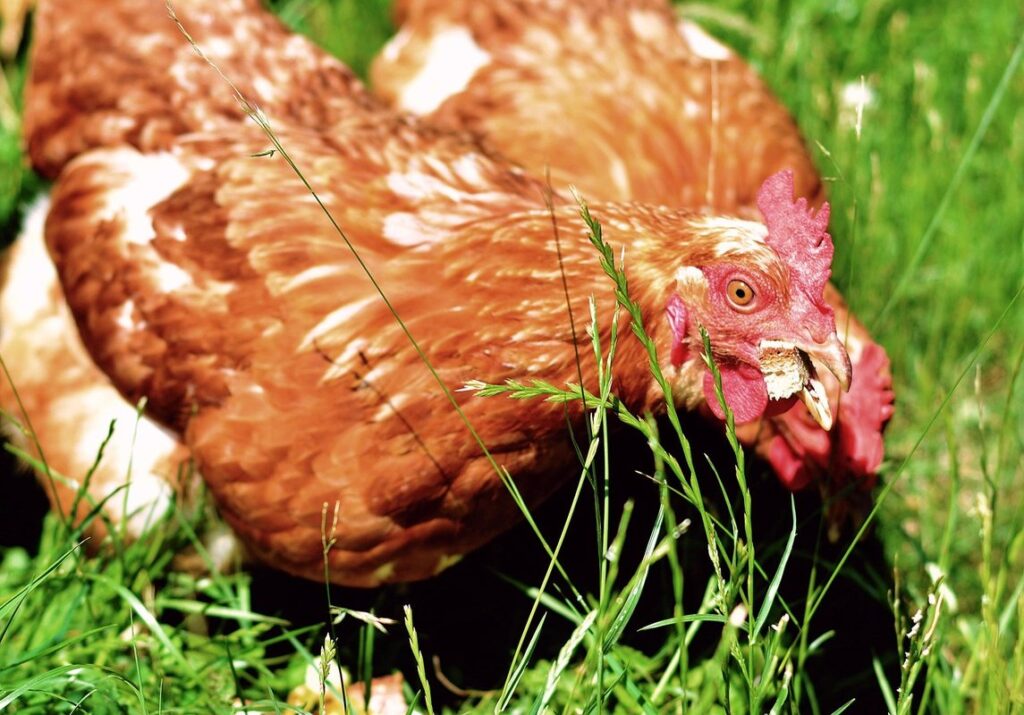
Understanding Chicken Behavior and Feeding Habits
Chickens are intelligent creatures with unique personalities, and understanding their behavior and feeding habits is key to preventing feed spills. Let’s dive into what drives this instinctual behavior in our feathered friends.
Factors Contributing to Feed Spills
When it comes to managing feed spills, understanding chicken behavior is crucial. Chickens establish a pecking order, which influences their feeding habits and can lead to feed wastage. Dominant birds often claim the best spots near the feeder, forcing others to forage further away, increasing the likelihood of spilled feed.
Chickens are also natural foragers, and when they sense food availability is scarce, they may gorge themselves, leading to overeating and subsequent spillage. Additionally, their innate instinct to scratch and peck can cause them to kick up feed while feeding, resulting in a messy situation.
To address these issues effectively, it’s essential to understand and adapt your feeding strategy accordingly. For example, providing multiple feeders or using a feeder that allows individual birds to eat comfortably without competition can reduce stress and waste. You can also implement foraging activities to keep chickens engaged and focused on finding food in other areas of the coop or run.
Identifying Common Causes of Feed Spills
Chickens spill their food for various reasons that are often easy to overlook. Overcrowding is one common cause. When chickens have too little space to move around comfortably, they tend to flock towards the feeder, creating chaos and making it difficult to eat without spilling food.
Another reason feed spills occur is due to poor feeding equipment. Feeders with small openings can be particularly problematic as chickens struggle to access their food, leading to dropped pellets or crumbles. Conversely, automated feeders that release too much food at once can also cause messes if the hens can’t consume it quickly enough.
Inadequate space within the coop or run is another contributing factor to feed spills. Chickens may attempt to eat while standing on perches or roosts, which increases the likelihood of dropping their food. Ensuring that your chickens have enough room to move around comfortably and access their feeder without obstructions can help minimize these issues.
Providing adequate ventilation in the coop is also essential as poor air circulation can lead to stress, causing chickens to become more rambunctious and more likely to spill feed during meals.
Choosing the Right Feeding Equipment
When it comes to selecting feeding equipment for your flock, choosing the right type is crucial to minimizing feed spills and waste. We’ll explore some essential considerations to make the best choice.
Automatic Feeders: Pros and Cons
Automatic feeders can be an effective solution to prevent feed spills, but like any feeding equipment, they have their pros and cons. One of the main advantages is cost-effectiveness – automatic feeders eliminate the need for daily manual refills, which can save you time and money in the long run. They also provide a consistent feed supply, ensuring your chickens receive the right amount of food at the right time.
However, there are some drawbacks to consider. Automatic feeders require an initial investment, which may be a barrier for small-scale chicken keepers. Additionally, these devices can be prone to jamming or mechanical failures if not properly maintained. Some automatic feeders also have limited capacity and may need frequent refills.
To make the most of automatic feeders, it’s essential to choose a model that suits your flock size and feeding needs. Be sure to read reviews and product descriptions carefully to understand any specific requirements for maintenance and operation. With proper installation and care, automatic feeders can be a reliable solution for preventing feed spills and making chicken keeping more efficient.
Manual Feeders with Design Features for Reduced Spills
If you’re looking for a more low-maintenance solution that still minimizes feed spills, consider investing in manual feeders with clever design features. These types of feeders can be incredibly effective at reducing waste and making mealtime more efficient for both you and your flock.
Weight-activated shut-off is one such feature to look out for. This mechanism automatically cuts off the flow of feed when a certain weight threshold is reached, typically when all birds have eaten or when the feeder is not being used. For example, the Plassmann Pantry Feeder features a built-in scale that shuts off when it reaches its maximum capacity, preventing overfeeding and spills.
Another feature worth considering is adjustable feeding ports. These allow you to customize the flow of feed based on your flock’s size and preferences, reducing waste and making mealtime more manageable. You can also explore feeders with individual compartments or sections, which can help prevent birds from accessing each other’s food and reduce competition for resources.
Environmental and Habitat Factors Affecting Feed Spills
When it comes to reducing feed spills, understanding how your chicken’s environment and habitat can influence their behavior is crucial. This includes factors like coop design and outdoor run layout.
The Role of Litter Quality and Depth
When it comes to preventing feed spills, many chicken keepers overlook one crucial aspect: litter quality and depth. A well-maintained litter can significantly reduce the likelihood of feed being scattered around the coop.
The type of litter you use is essential. Wood shavings or pine pellets are excellent choices as they absorb moisture and odors effectively. Avoid using gravel or sand, as these materials can be uncomfortable for your chickens to walk on and may not provide adequate traction. Opt for a depth of 2-3 inches (5-7.5 cm) in the coop and 4-6 inches (10-15 cm) in the nesting box.
Adequate litter depth is also vital in preventing feed spills. When the litter is too thin, it can’t absorb excess moisture from the feed, causing it to clump together and fall through the gaps between the bedding and the floor. Regularly topping up the litter will help maintain an optimal depth and prevent this issue.
Ultimately, selecting the right type of litter and maintaining a sufficient depth will play a significant role in minimizing feed spills and creating a cleaner, healthier environment for your chickens to thrive.
Space and Perches for Reducing Competition and Stress
Providing adequate space, perches, and dust baths is crucial in reducing competition among chickens and minimizing stress-related behavior that contributes to feed spills. When chickens have sufficient room to move around, they’re less likely to feel crowded and territorial. This can lead to a decrease in aggressive pecking and dominance behaviors that often cause feed spills.
Aim for at least 10 square feet of space per chicken inside the coop and 20 square feet outside. Include multiple perches at different heights to allow birds to choose where they want to roost. You should also provide one dust bath area for every three chickens, filled with a minimum depth of 2-3 inches of dry soil or sand.
By giving your chickens ample space and opportunities for relaxation and exercise, you can reduce stress and competition, ultimately minimizing feed spills. For example, some chicken keepers have reported a significant decrease in feed waste after increasing the coop size and adding more perches. By implementing these simple changes, you can create a more harmonious and efficient flock.
Training Your Chickens to Use Feeders Effectively
When it comes to training your chickens, equipping them with feeders that are easy to use is crucial for minimizing spills and messes in your backyard. Let’s dive into some practical tips on feeder-friendly chicken care!
Positive Reinforcement Techniques
When it comes to teaching chickens to use feeding equipment effectively, positive reinforcement techniques are a game-changer. By associating good behavior with rewards, you can train your flock to be more efficient and less likely to spill feed.
One popular method is clicker training, which involves using a small device that makes a distinct sound when pressed, signaling to the chicken that they’ve performed the desired action. For example, place a treat inside a feeder and press the clicker as soon as your chicken pecks at it. Repeat this process several times until your bird learns to associate the sound with getting food.
Offering rewards is another essential aspect of positive reinforcement. Try using treats like sunflower seeds or cracked corn to motivate your chickens to use their feeders correctly. Be sure to reward them immediately after they perform the desired behavior, as delayed rewards can confuse your flock and hinder progress.
For optimal results, start training your chickens when they’re young and use a consistent system of rewards and penalties. With patience and persistence, you’ll be amazed at how quickly your flock learns to use their feeders efficiently, reducing waste and making mealtime a breeze.
Gradual Introduction to New Feeding Systems
When introducing new feeding systems to your flock, it’s essential to do so gradually to minimize stress and ensure a smooth transition. Start by placing the new feeder alongside the existing one for 2-3 days to allow your chickens to become familiar with the sight and smell of the new food source.
Next, mix some of their favorite treats into the new feeder to entice them to try it out. As they begin to use the new feeder, you can gradually phase out the old one over a period of 7-10 days. Be sure to observe your flock’s behavior and adjust this timeline as needed.
To further encourage adoption of the new feeder, place their favorite foods or treats inside at regular intervals. This will help them associate the new feeder with a reliable source of food. As you transition to the new feeding system, keep an eye on your flock’s overall health and well-being, making any necessary adjustments along the way.
Maintenance and Cleaning Practices for Feeders
To keep your feeders clean and functional, regular maintenance is crucial. Learn how to sanitize and clean your chicken feeders effectively in this important section.
Regular Cleaning and Disinfection Protocols
Regular cleaning and disinfection of feeders are crucial to prevent bacterial growth and contamination. When chickens spill feed, it not only wastes food but also creates a fertile ground for bacteria like E. coli and Salmonella to thrive. These pathogens can cause serious health issues in both humans and animals if ingested.
To maintain clean feeders, start by regularly inspecting them for signs of mold, rust, or mineral buildup. Remove any debris or old feed residue with a wire brush or scrubber. For more stubborn stains, mix 1 tablespoon of unscented bleach with 1 gallon of water and soak the feeder overnight. Scrub it thoroughly with a soft-bristled brush before rinsing with clean water.
Clean your feeders at least once a week, especially during peak feeding seasons. Disinfect them after each cleaning session to ensure no bacterial growth occurs. You can also use vinegar or baking soda as alternatives to bleach for a more eco-friendly approach. Remember to always dry the feeder completely after cleaning and disinfection to prevent water spots and bacterial growth.
Monitoring Feeder Condition and Performance
Regularly monitoring the condition of your chicken feeder is crucial to preventing feed waste and maintaining a healthy flock. Over time, wear and tear on the feeder can lead to gaps, cracks, or other damage that compromises its functionality. By checking the feeder regularly, you can identify potential issues before they cause significant problems.
Inspect the feeder for signs of wear, such as dented metal, loose joints, or worn-out plastic components. Check for any blockages, rust, or corrosion that may be hindering the flow of feed. Also, look out for gaps between the feeder and the coop floor or walls, which can allow spilled feed to escape.
To inspect your feeder effectively, take it apart and clean it thoroughly every 2-3 months. Check the manufacturer’s instructions for recommended maintenance schedules and procedures specific to your feeder model. By staying on top of feeder maintenance, you’ll not only reduce feed waste but also promote a healthier environment for your chickens.
Frequently Asked Questions
Can I use automatic feeders with manual feeding systems?
Yes, you can integrate automatic feeders with your existing manual feeding system to minimize spills and make feeding time more efficient. This hybrid approach allows you to control the amount of feed dispensed while still providing flexibility for occasional manual feeding.
How often should I clean and disinfect my chicken feeder?
Regular cleaning and disinfection are crucial in maintaining a healthy coop environment. We recommend cleaning your feeder at least twice a week, especially during peak laying seasons or when introducing new birds to your flock. Use a mild detergent and warm water to remove debris, followed by a 1:10 solution of white vinegar and water for effective disinfection.
What if I have multiple chickens competing for feeders in the same area?
If you’re experiencing competition among your birds, try providing separate feeding areas or adjusting the location of feeders to reduce congestion. You can also consider using feeders with built-in dividers or elevated feeding surfaces to minimize pecking order disputes.
How do I transition my flock to a new automatic feeder system?
Gradually introducing new equipment is essential to avoid stressing your birds during feeding time. Start by allowing them access to the automatic feeder for a few hours each day, then gradually increase usage over several days or weeks. Be prepared to observe and adjust as needed to ensure a smooth transition.
Can I use litter material with high moisture levels in my coop?
No, using litter materials with high moisture levels can exacerbate feed spill issues and create an ideal environment for pests and bacteria growth. Opt for dry, absorbent materials like pine shavings or sand to maintain a clean and healthy coop environment.