
Polish chickens are known for their gentle nature and striking appearance, but they require more than just looks to thrive. As any Polish chicken owner can attest, these birds need careful attention to their housing, nutrition, and health to stay happy and healthy. However, with their delicate temperament comes a set of specific care requirements that can be daunting for new owners.
In this comprehensive guide, we’ll walk you through the ins and outs of caring for your Polish chickens. From creating the perfect coop to understanding their unique nutritional needs, we’ll cover everything you need to know to keep your feathered friends happy and thriving. Whether you’re a seasoned chicken owner or just starting out with these lovable birds, our guide will provide valuable insights into the Polish chicken breed‘s temperament and how to care for them effectively.
Introduction to Polish Chickens
When it comes to raising Polish chickens, understanding their unique characteristics and needs is essential for a harmonious flock. Let’s start by exploring the basics of these charming birds.
Brief History of Polish Chickens
The Polish chicken breed has its roots in Europe, specifically in Poland, where it was highly valued for its unique appearance and impressive egg-laying abilities. The breed’s development as we know it today is a result of selective breeding that began in the 16th century.
Initially, Polish chickens were known as “Polish Game” fowl, which was likely due to their rugged, hardy nature and ability to withstand harsh weather conditions. They were bred for their impressive size, striking plumage, and high egg production, making them a favorite among backyard farmers and small-scale poultry enthusiasts.
Over time, the Polish breed gained popularity worldwide, with many countries importing the birds to establish their own breeding programs. In the late 19th century, the American Poultry Association recognized the breed as one of its first imports, solidifying its place in the global poultry community. Today, Polish chickens continue to be cherished for their unique characteristics and friendly disposition.
Characteristics of Polish Chickens
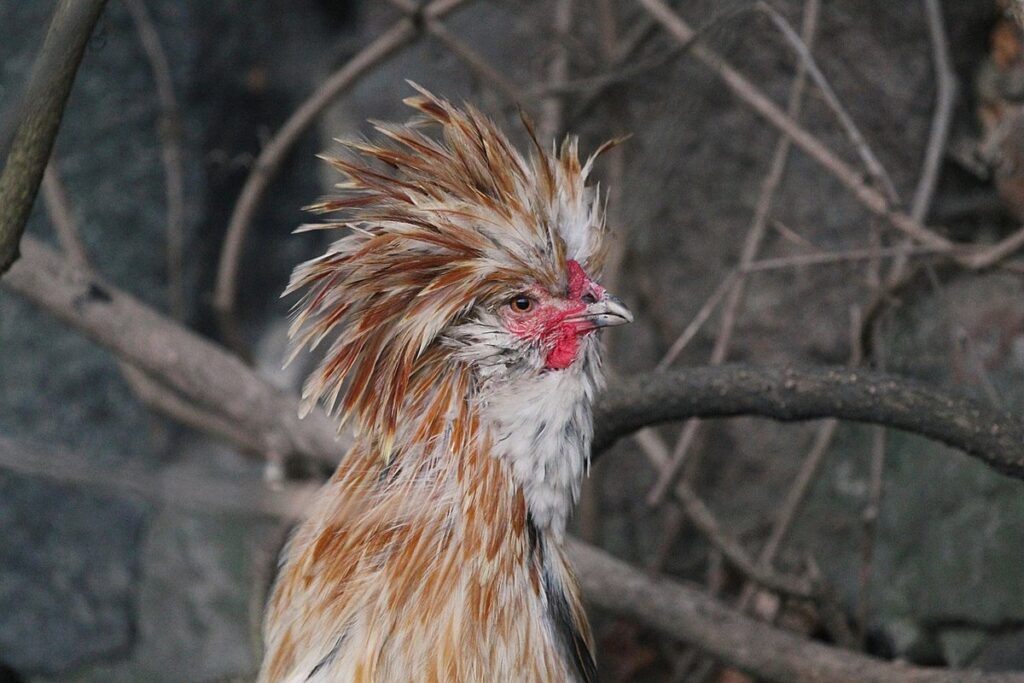
When it comes to identifying Polish chickens, their unique physical characteristics are one of the easiest ways to tell them apart. One of the most distinctive features of Polish chickens is their crested heads, which give them a charming, endearing appearance. The crest on top of the head is made up of feathers that grow in a circular shape, often reaching all the way around the base of the neck.
In addition to their crests, Polish chickens are also known for their beards and mustaches, which add to their dignified and somewhat comical look. These facial features can vary in size and shape from one chicken to another, with some having more pronounced growths than others. Overall, the unique combination of a crested head, beard, and mustache makes Polish chickens easily recognizable.
While these physical characteristics are certainly endearing, they also require some special care to prevent overgrowth and other issues that can arise due to the way the feathers grow on their heads.
Housing and Environment for Polish Chickens
When it comes to housing your Polish chickens, you’ll want to provide them with a space that’s both spacious and secure, while also considering their environmental needs to stay happy and healthy.
Creating a Suitable Coop
When it comes to creating a suitable coop for your Polish chickens, there are several key considerations to keep in mind. First and foremost, ventilation is crucial to prevent ammonia buildup from their droppings. A well-designed coop should have windows on opposite sides to allow for cross-ventilation, as well as a roof that allows for airflow.
In terms of predator protection, the coop should be made with sturdy materials such as wood or metal, and be securely locked at night when your girls are roosting. Consider adding hardware cloth around any openings to prevent predators from getting in. It’s also essential to provide enough space per bird, aiming for a minimum of 2-3 square feet per chicken.
Consider purchasing a coop that is specifically designed for Polish chickens, or build one yourself with plenty of ventilation and predator protection in mind. A general rule of thumb is to think about the welfare of your birds first and foremost – if you wouldn’t want to live there, they won’t either!
Outdoor Enclosures and Fencing
When it comes to providing a safe outdoor space for your Polish chickens to roam, creating an enclosed area is crucial. This not only protects them from potential predators but also keeps them contained within your designated area.
A good rule of thumb is to fence your outdoor enclosure at least 3 feet high to prevent escape and predator entry. However, it’s essential to note that taller fencing may be necessary depending on the size and strength of any nearby predators. For instance, if you live in an area with foxes or coyotes, a 4-5 foot fence would be more suitable.
When choosing the type of fencing for your Polish chicken enclosure, consider using durable materials like wood, metal, or hardware cloth. These options are less likely to be damaged by weather conditions and can withstand regular use. It’s also important to bury the fencing at least 12 inches underground to prevent digging escape artists from burrowing underneath.
Keep in mind that your outdoor enclosure should provide ample space for your Polish chickens to move around comfortably, with adequate shelter and shade available. A simple chicken coop or hut within the enclosure can serve as a cozy retreat during hot summer days or inclement weather.
Nutrition and Feeding Habits of Polish Chickens
When it comes to keeping your Polish chickens happy and healthy, understanding their nutritional needs is crucial. This section will cover what to feed them and how often.
Balanced Diet Requirements
When it comes to providing a balanced diet for your Polish chickens, understanding their nutritional needs is crucial. These birds require a high-quality feed that meets their protein and vitamin requirements.
A good starting point is to ensure that your chicken’s feed contains around 18-20% protein content, which is essential for maintaining healthy feathers, muscles, and egg production. However, you can also supplement with mealworms or crickets as treats, as they provide a rich source of protein.
In addition to protein, Polish chickens need adequate amounts of vitamins A, D3, E, and K. You can include dark leafy greens like kale and spinach in their diet to boost vitamin intake. Also, consider adding calcium supplements to support strong eggshell production and overall health.
Aim for a mix of around 50-60% carbohydrates, 20-30% protein, and 10-15% fat content in your chicken’s feed. Remember to always provide fresh water and maintain a clean feeding area to prevent contamination. By following these guidelines, you’ll be well on your way to providing a balanced diet for your Polish chickens.
Foraging and Supplemental Feeding
When it comes to providing Polish chickens with optimal nutrition, incorporating foraging opportunities and supplementing their diets is essential. Chickens are natural foragers, and by mimicking their wild ancestors’ behavior, you can help keep them engaged, stimulated, and healthy.
Offering foraging opportunities allows your hens to exercise their beaks and scratch instinct, which can lead to a happier, healthier flock. You can create a foraging area in your backyard using plants like marigolds, sunflowers, or dandelions that are safe for chickens to eat. Another option is to sprinkle dried mealworms or oats on the ground for them to scratch and peck at.
Supplemental feeding can also be achieved by adding treats like fresh fruits (like berries, apples, or melons) or vegetables (such as leafy greens or carrots) to their regular diet. You can also try providing oyster shells or crushed eggshells as a source of calcium. Remember to introduce new foods gradually and in small amounts to prevent digestive upset.
By incorporating these simple practices into your Polish chicken care routine, you’ll be amazed at how quickly they adapt and thrive on their newfound foraging adventures!
Health Considerations for Polish Chickens
When it comes to caring for your Polish chickens, health considerations are a crucial aspect of their overall well-being that shouldn’t be overlooked. Let’s discuss some essential tips to keep your flock healthy and happy.
Common Health Issues
When it comes to Polish chickens, their unique characteristics can also make them more prone to certain health issues. Respiratory problems are a common concern for this breed, particularly due to their flat faces and compact bodies which can cause breathing difficulties. This can be exacerbated by environmental factors such as extreme temperatures, humidity, or air quality.
Frostbite is another issue that Polish chickens may experience, especially during harsh winter months. Their small combs and thin skin make them more susceptible to cold damage. To prevent this, it’s essential to provide your flock with a warm, draft-free coop and access to fresh water at all times.
To mitigate these risks, it’s crucial to monitor the health of your Polish chickens closely, especially during extreme weather conditions. Ensure their living space is well-ventilated, clean, and dry to reduce respiratory stress. Regular check-ups with a veterinarian will also help identify any underlying issues early on.
Preventative Care and First Aid
Regular cleaning of your Polish chicken’s coop is essential to prevent the buildup of bacteria and germs that can cause diseases. Make sure to clean the coop at least once a week, paying attention to areas around feeding and watering troughs where droppings tend to accumulate. Disinfect all surfaces with a pet-safe cleaner and replace any bedding material as needed.
Vaccinations are also crucial in preventing diseases that can affect Polish chickens. Consult with your veterinarian to determine the best vaccination schedule for your flock, taking into account factors such as age, health status, and local disease prevalence. For example, if there’s an outbreak of avian influenza in your area, your vet may recommend a specific vaccine.
In case of an emergency, knowing basic first aid techniques can help save your Polish chicken’s life. Learn how to treat common injuries like cuts, wounds, and broken wings. Keep a pet first-aid kit on hand with essentials such as antiseptic wipes, bandages, and tweezers. For minor issues like feather plucking or respiratory problems, monitor your bird closely and seek veterinary attention if symptoms worsen.
In addition to regular vaccinations and cleaning, maintaining a healthy environment through good ventilation, proper feeding, and adequate lighting will also reduce the risk of diseases in your Polish chicken flock.
Temperament and Socialization of Polish Chickens
When it comes to your feathered friends, understanding their temperament and socialization is crucial for a happy and healthy flock. In this section, we’ll delve into what makes Polish chickens tick.
Understanding Polish Chicken Temperament
When it comes to understanding Polish chicken temperament, one of the most striking aspects is their gentle nature. These chickens are known for being calm and docile, making them a great choice for families with children or for those who want a low-maintenance pet. However, this gentle nature can also be accompanied by a potential for flightiness.
Polish chickens have a reputation for being prone to flying if they feel threatened or scared. This is largely due to their origins as decorative birds, bred specifically for their unique appearance rather than their egg-laying abilities. As a result, they can be more skittish and may require extra care when handling them. To minimize the risk of your Polish chicken escaping, it’s essential to provide a secure coop with sturdy fencing that extends at least 3 feet above ground level.
When introducing new chickens or pets to your flock, be cautious not to startle them as this can trigger their flight response. Instead, introduce them gradually and under close supervision. With patience and gentle handling, you can help your Polish chicken become a trusting and affectionate companion.
Tips for Socializing Your Polish Chickens
When it comes to socializing your Polish chickens, understanding their unique needs is crucial. Since they can be prone to aggression and flightiness, introducing new birds to the flock requires patience and careful planning.
To start, choose a quiet area where your existing flock won’t feel threatened by the newcomer. Begin by letting them see and smell each other through a fence or divider, allowing them to become familiar with one another’s presence without feeling overwhelmed.
When it’s time for the introduction, do so slowly and under close supervision. Start with visual introductions, then progress to controlled interactions, always keeping a safe distance in case things escalate. If you’re introducing multiple new birds at once, make sure they’re from similar backgrounds or breeds to minimize conflict.
It’s also essential to prioritize your own safety during these interactions – keep a firm grip on the new bird and be prepared for any unexpected behavior. With time, patience, and consistency, even the most skittish Polish chickens can learn to coexist peacefully with their flockmates.
Frequently Asked Questions
How often should I clean my Polish chicken coop?
Polish chickens are known for their messy habits, so it’s essential to clean their coop regularly. We recommend cleaning the coop at least once a week, removing any soiled bedding and replacing it with fresh material. This will help keep your birds healthy and prevent disease.
What if I notice signs of stress or anxiety in my Polish chickens?
Polish chickens are sensitive birds and can easily become stressed or anxious. If you notice any unusual behavior, such as pacing, feather plucking, or decreased egg production, it’s essential to investigate the cause and address it promptly. You may need to adjust their environment, nutrition, or socialization to help calm them down.
Can I keep multiple breeds together with my Polish chickens?
While it’s possible to mix breeds, introducing new birds can be challenging for Polish chickens due to their sensitive nature. If you plan to introduce other breeds, do so slowly and under close supervision to ensure a smooth transition.
How can I provide enough foraging opportunities for my Polish chickens?
Polish chickens love to forage, but they need access to a variety of foods to stay healthy. Consider providing a range of plants, such as herbs, fruits, and vegetables, in addition to commercial feed. This will help stimulate their natural behavior and keep them engaged.
What should I do if my Polish chicken escapes from the coop?
If your Polish chicken manages to escape from the coop, remain calm and act quickly. Check the surrounding area for any signs of your bird and try to coax it back to the coop using treats or familiar calls. If your bird is still missing after a thorough search, contact local shelters or animal control services for assistance.