
If you’re looking to add some excitement to your backyard or farm, you might want to consider introducing Indian Runner duck breeds into the mix. These energetic and fascinating birds have been popular among waterfowl enthusiasts for centuries, and it’s easy to see why. Not only do they lay an impressive number of eggs per year, but they’re also relatively low-maintenance and can thrive in a variety of environments.
But that’s not all – Indian Runner ducks are also valued for their unique characteristics and benefits. Whether you’re looking to supplement your family’s meat supply or simply enjoy the companionship of these charming birds, Indian Runners have something to offer. In this article, we’ll delve into the history, characteristics, and benefits of Indian Runner duck breeds, including their impressive egg-laying abilities and potential for meat production.
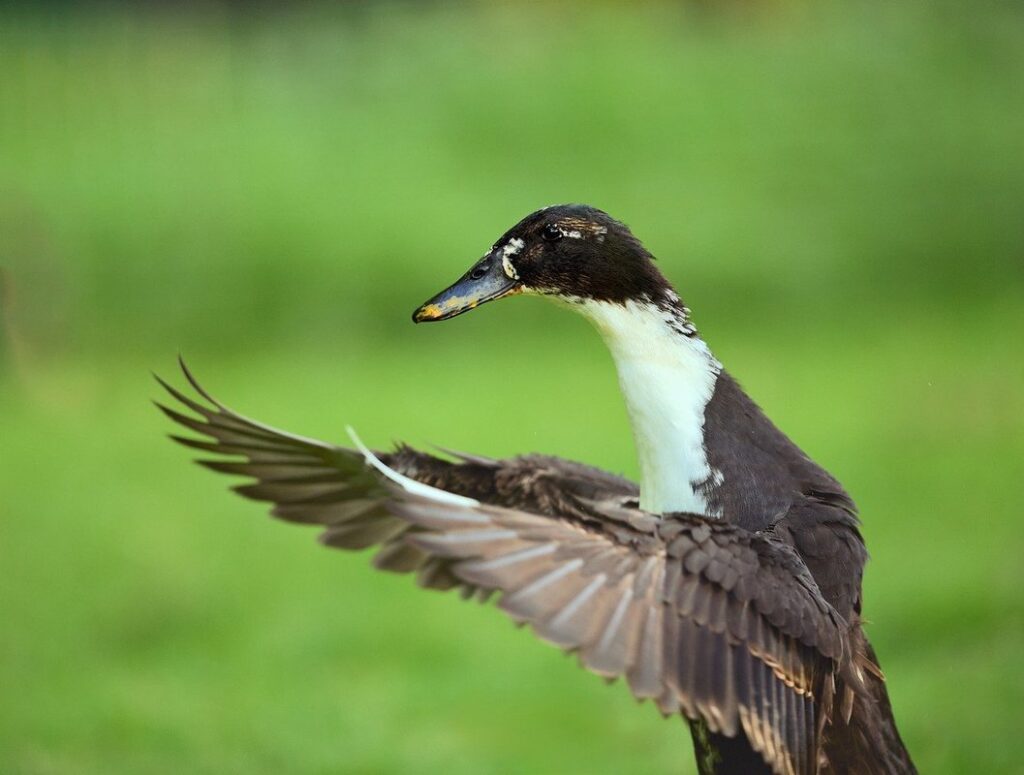
History and Origin of Indian Runner Ducks
Originating from Asia, Indian Runner ducks have a rich history that dates back thousands of years, with ancient civilizations often keeping them for their unique characteristics and egg-laying abilities. Let’s dive into how this breed came to be.
Origins in China and India
The origins of Indian Runner ducks can be traced back to ancient China and India, where they were highly prized for their unique characteristics. In these regions, the breed was known for its speed and agility, making them ideal for hunting and pest control. They were also valued for their colorful plumage, which added to their ornamental appeal.
According to historical records, Indian Runner ducks were first introduced to Europe in the 19th century, where they quickly gained popularity among poultry enthusiasts. Their distinctive appearance and lively demeanor made them a favorite among breeders, who sought to preserve their unique traits through selective breeding.
As European breeders experimented with the Indian Runner duck’s characteristics, new colors and varieties emerged, further solidifying their place in the world of ornamental waterfowl. Today, Indian Runners are enjoyed by backyard farmers and hobbyists alike for their lively personalities and impressive egg-laying abilities.
Early Characteristics and Uses
The early history of Indian Runner ducks reveals a deliberate effort to breed them for specific characteristics. Originating from England in the 19th century, they were selectively bred for their speed and agility. This selective breeding aimed to create a duck that could keep up with human runners, hence the name “Indian Runner.” They quickly gained popularity as farm ducks due to their efficient egg-laying capabilities.
In farms, Indian Runners were often used for pest control, as they would follow crops and eat insects that damaged them. Farmers also valued their ability to free-range without requiring close supervision, making them a low-maintenance option. As pets, they proved to be friendly and social, adapting well to living spaces with human families.
Some early breeders focused on developing Indian Runners for show purposes, showcasing their vibrant plumage and impressive speed. Their unique appearance made them an attractive choice among backyard keepers and hobby farmers looking to add a touch of color to their properties. As their popularity grew, so did the number of breeding programs aimed at refining specific traits within the breed.
Breed Characteristics and Types
Let’s dive into the unique characteristics that set Indian Runner duck breeds apart, including their temperament, behavior, and physical traits. Each breed has its own distinct features to consider when choosing your feathered friends.
Physical Characteristics
Indian Runner ducks are a unique and recognizable breed due to their distinct physical characteristics. One of the most notable features is their slender body type, which allows them to run with incredible speed and agility. They typically weigh between 1.5-3 kg (3.3-6.6 lbs), making them an ideal choice for backyard duck keepers who want a low-maintenance pet.
Their plumage is another defining feature of Indian Runner ducks. They have a glossy, green or blue-green sheen to their feathers, which can vary in shade depending on the individual bird’s genetics. The most common colors include Jade Green, Lavender Blue, and Chocolate Brown.
In terms of beak shape, Indian Runners have a distinctive orange-red beak that is relatively small compared to other duck breeds. Their legs are also noteworthy, with most birds sporting yellow or orange-colored feet that add a pop of color to their overall appearance. When selecting an Indian Runner duck for your flock, look for birds with vibrant, healthy plumage and a well-proportioned body type.
Temperament and Personality Traits
One of the most endearing characteristics of Indian Runner ducks is their unique temperament. They are known for being extremely friendly and social birds that thrive on interaction with humans and other animals alike. If you’re looking to add some feathered friends to your backyard, Indian Runners are an excellent choice due to their gentle nature.
Their high level of intelligence also makes them relatively easy to train. With patience and consistency, you can teach them to follow commands, perform tricks, and even walk on a leash. This adaptability is also reflected in their ability to adjust to various living conditions, from small backyards to large farms.
However, it’s essential to remember that Indian Runners are energetic birds and require plenty of space to roam around. Provide them with a safe and secure enclosure where they can exercise freely, and you’ll be rewarded with a happy and healthy flock.
Types of Indian Runner Ducks
There are several distinct types of Indian Runner duck breeds, each with its own unique characteristics and temperaments that make them appealing to backyard farmers and enthusiasts alike. Let’s take a closer look at these fascinating varieties.
Khaki Campbell Line
The Khaki Campbell line is one of the most popular and sought-after strains of Indian Runner Ducks. Originating from England in the late 19th century, this breed was specifically developed for egg-laying purposes, and its name pays homage to Lady Rhys Campbell, a renowned poultry breeder.
Khaki Campbells are characterized by their distinct feather pattern, which features a warm, golden-brown color with intricate markings. They possess a sleek, streamlined physique, ideal for active lifestyles and small farms. As they mature, Khaki Campbells can grow up to 16 inches in height and weigh around 2 pounds.
When it comes to egg-laying, Khaki Campbells excel, producing an average of 300 eggs per year. This is due in part to their high fertility rate and excellent reproductive health. In addition to their impressive laying abilities, these ducks are also prized for their friendly demeanor, making them a popular choice among backyard farmers and enthusiasts.
As you consider adding Khaki Campbells to your flock, keep in mind that they require regular exercise and a balanced diet to maintain their optimal health. With proper care and attention, these stunning birds will reward you with an abundance of fresh eggs and endless enjoyment.
Other Recognized Lines and Varieties
Beyond the Khaki Campbell line, several other recognized lines and varieties of Indian Runner ducks exist. These include the Blue Swedish, White Crested Yellow, and Silver Appleyard lines. Each of these has its own distinct characteristics.
The Blue Swedish line is known for its striking blue-gray plumage and ability to produce a high volume of eggs per year. They are also relatively quiet compared to some other breeds. The White Crested Yellow line features a distinctive crest on top of the head, adding to their unique appearance.
In contrast, the Silver Appleyard line boasts a beautiful silver-gray coat with a hint of lavender around the eyes and beak. They are known for being friendly and outgoing, making them a great choice for backyard flocks.
When considering one of these varieties, it’s essential to research their specific needs and temperament to ensure they fit well in your environment. This may involve learning more about their egg-laying abilities, noise levels, and social requirements.
Health Considerations for Indian Runners
As you care for your beloved Indian Runner ducks, it’s essential to be aware of their specific health needs and potential risks that require special attention. This includes monitoring for respiratory issues in this breed.
Common Health Issues
As an Indian Runner duck owner, it’s essential to be aware of the common health issues that can affect these lovable birds. Respiratory problems are one of the most common health concerns for Indian Runners, particularly during extreme weather conditions or if they’re not provided with adequate ventilation in their coop.
Feather pecking is another issue that can arise among ducks, especially if they’re not given enough space to forage and exercise. This behavior can lead to stress, injury, and even death if left unchecked. To prevent feather pecking, ensure your duck has access to a balanced diet, plenty of hiding places, and opportunities for physical activity.
Other health concerns for Indian Runners include parasites, bacterial infections, and vitamin deficiencies. Regular health checks by a qualified veterinarian can help identify potential issues early on. Additionally, maintaining good hygiene practices, such as cleaning the coop regularly and providing fresh water, will also contribute to keeping your duck healthy and happy.
Tips for Maintaining Good Health
As an Indian runner duck owner, maintaining good health for your feathered friends is crucial to their well-being and longevity. A balanced diet is essential for keeping your ducks healthy. Provide a mix of commercial duck pellets as the main staple, supplemented with fresh fruits and vegetables like leafy greens, carrots, and apples. Avoid giving them high-protein foods like meat or table scraps, as this can lead to health problems.
A clean and well-maintained living space is also vital for your ducks’ health. Ensure their enclosure has adequate ventilation, protection from the elements, and enough space to move around. A minimum of 2-3 square feet per duck is recommended to prevent overcrowding. Regularly check for signs of illness or injury, and provide regular vaccinations as recommended by a veterinarian.
To prevent common diseases like respiratory infections and parasites, practice good hygiene by washing your hands before handling the ducks, cleaning their living space regularly, and disposing of waste properly.
Breeding and Raising Indian Runners
Breeding and raising Indian Runner ducks can be a fun and rewarding experience, but it requires careful planning and attention to detail. Let’s explore the key considerations for successful breeding and rearing of these unique birds.
Finding a Breeder or Hatchery
Finding a reputable breeder or hatchery is crucial when purchasing Indian Runner ducklings. You want to ensure that you’re getting healthy, well-socialized birds from a trustworthy source. Start by asking for referrals from other duck breeders or owners who have experience with the breed. Online forums and social media groups dedicated to waterfowl can be great resources for finding recommendations.
You can also search online for reputable hatcheries or breeders that specialize in Indian Runners. Look for those that are members of organizations like the American Bantam Association (ABA) or the Waterfowl Breeder’s Association, which have strict standards and codes of ethics for their members. Be wary of hatcheries or breeders who prioritize quantity over quality or offer birds that seem too good to be true.
When contacting potential breeders or hatcheries, ask plenty of questions about the health, temperament, and ancestry of the birds. Look for certifications like NAAB (National Association of State Departments of Agriculture) or NPIP (National Poultry Improvement Plan) which ensure the birds have been tested for diseases like Avian Influenza.
It’s also essential to research the breeder’s or hatchery’s reputation online, reading reviews and checking their ratings with the Better Business Bureau. By doing your due diligence, you can find a reputable source for healthy Indian Runner ducklings that will thrive in your care.
Tips for Successful Breeding and Raising
Breeding and raising Indian Runners requires careful attention to their nutritional needs. Ensure they have access to a balanced diet that includes protein-rich feed, vegetables, fruits, and whole grains. Aiming for 16-18% protein content is ideal, but also provide supplements like mealworms or crickets as treats.
When it comes to housing, Indian Runners need space to move around freely. Provide at least 2-3 square feet of floor space per bird inside the coop and ensure adequate ventilation to prevent ammonia buildup. Consider a fenced area for exercise and protection from predators.
Regular health checks are crucial in breeding and raising Indian Runners. Monitor their droppings, feathers, and behavior for any signs of illness or stress. Keep an eye out for conditions like respiratory infections, Marek’s disease, or parasites. Schedule annual vaccinations and maintain a clean living environment to minimize the risk of diseases.
It’s also essential to introduce new birds gradually to prevent stressing existing ones. Quarantine new additions for 30 days before integrating them into your flock. Regularly inspect nests for eggs and ensure they’re placed in a safe area to reduce breakage. With proper care, Indian Runners can thrive under your stewardship, producing healthy offspring and enjoying a long lifespan of around 10-15 years.
Uses and Benefits of Indian Runners
Indian Runner ducks are prized for their unique ability to follow you around, making them a delight for backyard farmers and families alike. They also offer several practical benefits.
Egg Production
One of the most attractive features of Indian Runner ducks is their impressive egg-laying abilities. On average, a healthy female Indian Runner duck can lay around 300 large white eggs per year, making them an excellent choice for small-scale poultry operations or backyard flocks. In fact, they are known to start laying eggs at just 18-20 weeks of age, and their peak production period is between 4-6 years.
Not only do Indian Runner ducks produce a significant number of eggs, but their eggs are also large in size, making them perfect for baking, cooking, and decorating. In addition, their calm and friendly nature makes them easy to handle, even for children. With proper care and management, an Indian Runner flock can provide a consistent supply of fresh eggs, which is not only delicious but also a great way to save money on grocery bills.
It’s worth noting that Indian Runner ducks are prolific layers, but they do require a balanced diet rich in protein, calcium, and other essential nutrients to maintain their egg-laying abilities. Providing them with adequate space, shelter, and regular health checks will also help ensure optimal production.
Meat Production and Quality
Indian Runners are not only prized for their vibrant appearance and energetic personalities but also for their exceptional meat production qualities. When raised for meat, Indian Runner ducks offer a range of benefits that make them an attractive choice for backyard farmers and commercial producers alike.
One of the most significant advantages of raising Indian Runner ducks is their rich flavor profile, which is often described as tender, juicy, and slightly sweet. This is due in part to their diet of insects, grasses, and aquatic plants, which are all high in omega-3 fatty acids and other nutrients that contribute to their unique taste.
From a nutritional standpoint, Indian Runner duck meat is an excellent source of protein, low in saturated fats, and rich in essential vitamins and minerals such as iron, zinc, and B12. When compared to chicken or turkey, duck meat tends to be higher in fat-soluble vitamins A, D, E, and K, making it a more nutritious choice for consumers.
Whether you’re raising Indian Runners for personal consumption or looking to start a small-scale commercial operation, their excellent meat production qualities make them an ideal breed to consider. By following proper husbandry practices and selecting high-quality feed, you can ensure that your Indian Runner ducks grow strong and healthy, resulting in delicious and nutritious meat for you and your family.
Conclusion and Final Thoughts
Now that you’ve learned all about Indian Runner duck breeds, let’s summarize what we’ve covered and share some final thoughts on these fascinating birds.
Summary of Key Points
In this comprehensive guide to Indian Runner duck breeds, we’ve covered the essential characteristics, temperaments, and needs of these unique and fascinating birds. Let’s quickly recap the key takeaways from our discussion.
As you consider bringing an Indian Runner into your flock or backyard, remember that they are social animals and require a companion or two to thrive. They’re also energetic and love to forage, so provide them with plenty of space to roam and explore. In terms of care, Indian Runners are relatively low-maintenance but do need regular exercise, a balanced diet, and protection from predators.
One key aspect of caring for Indian Runner ducks is their feather maintenance. As they shed and molt throughout the year, be prepared to spend some time preening and trimming their feathers to keep them healthy and looking their best.
In conclusion, with their gentle nature, striking appearance, and engaging personalities, Indian Runner duck breeds make wonderful additions to any poultry flock or family backyard. By understanding and meeting their unique needs, you can enjoy the many benefits of owning these beloved birds.
Recommendations for Further Research or Exploration
If you’re looking to dive deeper into the world of Indian Runner duck breeds, there are several resources available for breeders, owners, and enthusiasts. The American Poultry Association (APA) provides detailed information on breed standards, including the Indian Runner’s unique characteristics and requirements. For those interested in learning more about breeding Indian Runners, consult the APA’s guidelines for exhibition bird selection and care.
You can also explore online forums and communities dedicated to waterfowl breeding and keeping, such as BackYard Chickens or Ducksters. These platforms offer a wealth of knowledge from experienced breeders and owners who share their successes and challenges with raising Indian Runner ducks. Additionally, consider attending local poultry shows or workshops to network with other enthusiasts and gain hands-on experience with the breed.
For those interested in learning more about the history and origins of the Indian Runner duck, research Dr. P.R. Umesh’s work on the breed’s genetic diversity and evolution. This knowledge can help you better understand the unique characteristics and requirements of the Indian Runner duck.
Frequently Asked Questions
What are the ideal living conditions for Indian Runner ducks?
Indian Runner ducks require a mix of space to move around, access to water, and protection from predators. They need at least 2-3 square feet of space per bird inside their coop and a secure fenced area outside with enough room to swim and exercise. Ensure your backyard or farm can provide these conditions before introducing Indian Runners.
How often should I collect eggs from my Indian Runner ducks?
Collecting eggs daily is essential to maintain hygiene, prevent damage, and encourage the hens to continue laying. You can also monitor their egg production and identify any potential health issues early on. Keep in mind that Indian Runners are prolific layers, producing up to 300 large brown eggs per year.
Can I keep Indian Runner ducks with other types of poultry or waterfowl?
Yes, Indian Runner ducks can be kept with other birds if introduced properly and under close supervision. However, it’s essential to consider their energetic nature and potential for noise disturbance when deciding on compatible flock members. Be prepared to provide enough space and ensure the coop is secure.
How do I handle common health issues in Indian Runners?
Common health issues in Indian Runner ducks include respiratory problems, mites, and feather pecking. Regular monitoring of their behavior, diet, and living conditions can help identify potential issues early on. Maintain good hygiene practices, provide a balanced diet, and offer plenty of space for exercise to prevent common health problems.
Can I breed Indian Runner ducks at home or do I need professional assistance?
Breeding Indian Runners requires knowledge of duck biology, genetics, and health considerations. If you’re new to breeding, it’s recommended to start by purchasing eggs from a reputable breeder or hatchery rather than attempting to raise them yourself. This will help ensure the best possible outcome for your flock and prevent potential issues.