
If you’re considering adding some feathered friends to your backyard or are an experienced poultry enthusiast looking for a new breed to love, then the Light Sussex hen is definitely worth getting to know. This charming and friendly bird has been a favorite among chicken keepers for generations, and it’s not hard to see why – their gentle nature, stunning plumage, and impressive laying abilities make them an excellent choice for anyone looking to start or expand their flock. But what makes the Light Sussex hen so special? In this article, we’ll delve into the breed’s history, physical characteristics, temperament, health, nutrition, breeding, and care, providing you with a comprehensive guide to help you get started on your own Light Sussex journey.
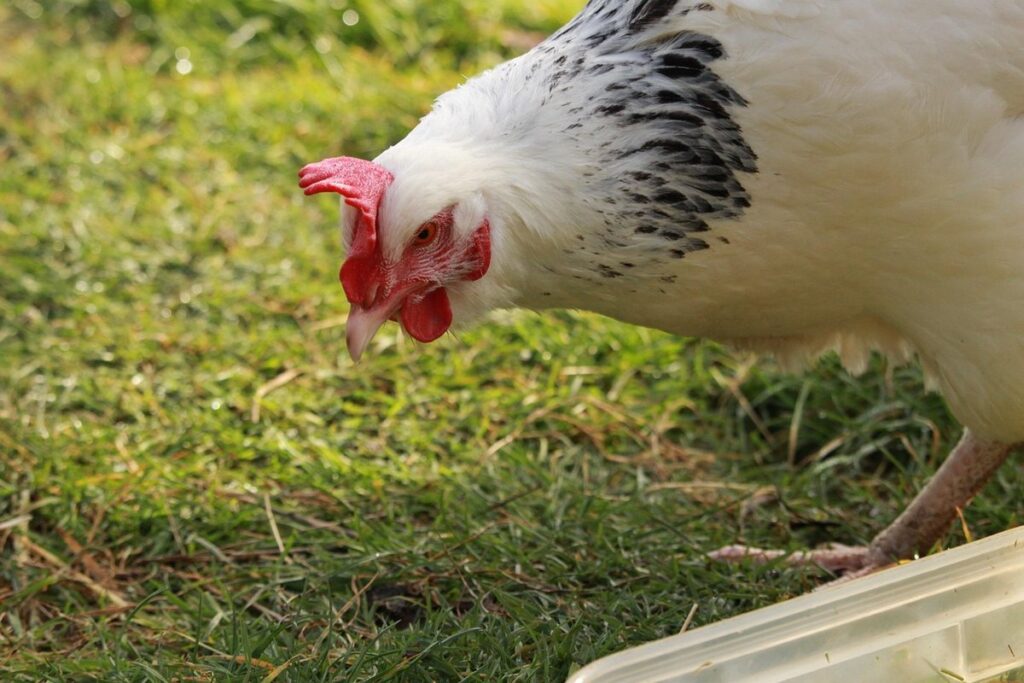
History and Origin of the Light Sussex Hen
The Light Sussex hen has a rich history that dates back over two centuries, originating from the poultry farms of England. Let’s delve into their fascinating past.
Origins in England
The Light Sussex hen has its roots firmly planted in England, where it was first bred in the 19th century. This breed emerged from the need for a hardy and reliable layer that could thrive in the country’s temperate climate. The early beginnings of the Light Sussex can be attributed to the crossing of various breeds, including the Old English Game Fowl, which contributed its robust constitution and egg-laying abilities.
As poultry enthusiasts began to take notice of this new breed, they were drawn to its impressive production capabilities, with some hens laying up to 200 eggs per year. The Light Sussex’s adaptability and gentle nature also made it an attractive choice for backyard flocks. By the early 20th century, the breed had gained popularity among poultry fanciers, who prized its high-quality eggs and charming personality.
Today, you can still find Light Sussex hens thriving on smallholdings and farms throughout England, a testament to their enduring appeal and versatility.
Early Characteristics and Breeding Practices
The early Light Sussex hens were known for their exceptional characteristics that have made them a favorite among backyard chicken keepers. One of the most notable traits was their small to medium size, weighing between 4-6 pounds (1.8-2.7 kg). Their compact frame and gentle nature made them an ideal choice for smaller farms and homesteads.
Their plumage was another defining feature, with a light golden-brown color and subtle streaking on the neck and back. The feathers were soft and silky to the touch, with a subtle sheen that caught the eye. In terms of temperament, Light Sussex hens were renowned for their friendly, docile nature. They are known to be gentle with children and other pets, making them an excellent choice for families.
Breeding practices during this time focused on preserving these desirable traits. Selective breeding was used to emphasize size, plumage, and temperament, while minimizing aggression and other undesirable characteristics. This careful selection has resulted in the robust and gentle birds we know today. As a breeder or keeper, understanding these early characteristics can help you make informed decisions when selecting stock for your flock.
Physical Characteristics and Breed Standards
When it comes to breeding and keeping Light Sussex hens, understanding their physical characteristics is essential. We’ll delve into the breed standards that distinguish these beautiful birds from others.
Size and Weight
When it comes to size and weight, Light Sussex hens are generally known for their compact yet robust build. A mature hen typically weighs between 5-6 pounds (2.3-2.7 kg), with some individuals reaching up to 7 pounds (3.2 kg) or more in optimal conditions.
In terms of height, the Light Sussex breed standard calls for hens to stand around 19-20 inches (48-51 cm) tall at the shoulder. However, it’s not uncommon for some birds to be slightly shorter or longer than this average range due to genetics or individual variation.
It’s essential to note that size and weight can vary depending on factors such as diet, exercise, and overall health. A well-fed and cared-for Light Sussex hen will generally grow to its full potential in terms of size and weight.
When breeding for show, it’s crucial to focus on birds that adhere closely to the breed standard. This ensures that your flock is not only stunning but also healthy and robust. In contrast, backyard chicken keepers may prioritize health and temperament over strict adherence to size and weight standards.
Plumage and Coloration
One of the most distinctive features of the Light Sussex hen is its stunning plumage and coloration. As you’d expect from a breed named after the light Sussex region, these hens have a light brown feathering that’s absolutely delightful to behold. But what sets them apart even further are the golden highlights that run throughout their feathers. It’s as if they’ve been kissed by sunlight, imbuing them with a warm, sun-kissed glow.
When it comes to breeding Light Sussex hens, understanding their plumage and coloration is crucial. To bring out these stunning golden highlights, breeders need to focus on maintaining the right balance of genetics. This involves selecting parents that exhibit exceptional feather quality and coloration, while also ensuring they’re free from any genetic disorders that could compromise the health of the offspring.
If you’re keeping Light Sussex hens as pets, be sure to admire their unique plumage up close. Take note of how the light brown feathers seem to shimmer in the right light, creating a mesmerizing effect that’s truly one-of-a-kind.
Temperament and Personality Traits
Light Sussex hens are known for their friendly, outgoing personalities, but what makes them tick? We’ll explore their temperament and personality traits in more detail.
Friendliness and Docility
One of the most appealing aspects of the Light Sussex hen is its exceptionally friendly and docile nature. This makes it an excellent choice for backyard flocks, especially for families with children or for those who want a stress-free chicken-keeping experience.
Light Sussex hens are known to be extremely tame and social birds. They thrive on human interaction and will often follow their owners around the yard, eager to receive attention and treats. This trait is particularly beneficial for small-scale farmers and backyard poultry enthusiasts, as it allows for easy handling and monitoring of the flock’s health.
In contrast to some other breeds, Light Sussex hens are not aggressive towards humans or other birds. They are generally gentle and laid-back, making them an excellent choice for families with children who want to learn about chickens in a safe and stress-free environment. Their friendly nature also makes them easy to integrate into existing flocks, reducing the likelihood of fighting and stress among birds.
Overall, the Light Sussex hen’s friendly and docile personality traits make it an ideal breed for backyard poultry enthusiasts looking for a low-maintenance and enjoyable chicken-keeping experience.
Intelligence and Trainability
When it comes to intelligence and trainability, Light Sussex hens stand out from other breeds. They are highly adaptable birds that can thrive in a variety of environments, from small backyards to large farms. One key trait is their ability to problem-solve, which makes them easy to handle and care for.
In fact, studies have shown that Light Sussex hens are one of the most intelligent chicken breeds, ranking alongside some of the best-known poultry breeds. This intelligence also translates into their trainability – with patience and consistency, you can teach your Light Sussex hen to perform a range of tasks, from simple tricks to more complex behaviors like egg collection.
Their adaptability is also reflected in their ability to adjust to changing environments. Whether you’re moving them to a new coop or introducing new birds to the flock, Light Sussex hens are generally calm and easy-going, making them an ideal choice for backyard flocks. With proper handling and training, you can build a strong bond with your Light Sussex hen and enjoy many rewarding years together.
To make the most of their intelligence and trainability, consider the following tips: provide mental stimulation through activities like puzzle toys or foraging games; use positive reinforcement techniques to encourage desired behaviors; and spend quality time with your birds each day.
Health and Nutrition
To keep your Light Sussex hens happy and healthy, you’ll want to focus on providing a balanced diet and ensuring they have access to clean water at all times. Proper nutrition is essential for optimal health.
Common Health Issues
Light Sussex hens are generally hardy birds, but like all breeds, they’re not immune to certain health issues. One of the most common problems faced by Light Sussex owners is frostbite during the winter months. Their lightweight plumage and sensitive combs make them particularly susceptible to cold weather conditions. To mitigate this risk, it’s essential to provide your hens with adequate shelter, ensure their coop has good ventilation, and consider adding insulation or a heat source if you live in an extremely cold climate.
Another issue Light Sussex hens may encounter is obesity. This breed can be prone to overeating, especially if fed a diet high in calories and low in fiber. To prevent weight gain, make sure your birds have access to plenty of fresh water and a balanced feed that includes fruits, vegetables, and whole grains. Regular exercise through free-ranging or providing toys and activities will also help keep them active and healthy.
In both cases, prevention is key. By taking steps to protect your hens from cold weather conditions and monitoring their diet, you can significantly reduce the risk of these health issues arising.
Nutritional Requirements
Light Sussex hens have specific nutritional needs that are crucial for their optimal health. As a breeder or keeper of these wonderful birds, it’s essential to understand what they require to stay healthy and thrive. A balanced diet should include a mix of protein, carbohydrates, fats, vitamins, and minerals.
In the wild, Light Sussex hens would forage for seeds, insects, and plants, which provide them with the necessary nutrients. To replicate this in your backyard or farm, you can offer a combination of commercial layer feed, whole grains like oats and barley, and fresh vegetables like leafy greens and fruits. Avoid giving them foods high in sugar and salt.
It’s also essential to ensure they have access to clean water at all times. Provide a waterer that allows for easy access and change the water frequently to prevent bacterial growth. A general rule of thumb is to provide 1-2 cups of treats per bird per day, such as mealworms or sunflower seeds.
When feeding your Light Sussex hens, consider their age and health status. Laying hens require more calcium-rich foods to support eggshell production, while young birds need a more balanced diet that supports growth and development.
Breeding and Rearing
When it comes to breeding and rearing Light Sussex hens, there are several key factors to consider for success. This includes choosing the right breeding stock and understanding their growth needs.
Choosing the Right Stock
When it comes to choosing the right stock for breeding Light Sussex hens, there are several key factors to consider. First and foremost, you’ll want to look at the bloodlines of the birds you’re considering. This can be influenced by the breeder’s reputation, their experience with the breed, and the overall quality of the birds they produce.
Researching a breeder’s bloodlines can help ensure that your new birds are healthy, well-tempered, and productive. Look for breeders who have experience working with Light Sussex hens specifically, as this will give you more confidence in their understanding of the breed’s unique characteristics.
Genetics also play a significant role in determining the quality and consistency of your breeding stock. Consider factors such as fertility rates, egg production, and growth rates when evaluating potential birds. By carefully selecting your stock, you can set yourself up for success with your Light Sussex hen breeding program.
Raising Chicks
Raising chicks is one of the most exciting aspects of breeding and keeping Light Sussex hens. When it comes to raising young chicks, providing a warm and safe environment is crucial for their development and growth. This is known as brooding.
To set up an optimal brooding space, you’ll need a secure enclosure with adequate ventilation and protection from drafts. The temperature in the brooder should be around 90-100°F (32-38°C) during the first week, gradually decreasing by 5°F every week until it reaches ambient temperature. You can achieve this using heat lamps or ceramic heat emitters.
During the early stages of development, nutrition plays a vital role. Provide starter feed that is rich in protein to support their growth and immune system development. It’s essential to introduce fresh water and provide a shallow dish for drinking to prevent drowning. Make sure to keep the brooder clean by removing soiled bedding and disinfecting surfaces regularly. This will help reduce the risk of disease and ensure healthy growth.
Keeping Light Sussex Hens: Tips and Best Practices
To keep your Light Sussex hens happy and healthy, it’s essential to understand their specific needs and behaviors. Here are some expert tips on caring for these wonderful birds.
Housing and Fencing
When it comes to keeping your Light Sussex hens happy and healthy, providing suitable housing and fencing is crucial. The first thing to consider is space – a good rule of thumb is to provide at least 2-3 square feet per hen inside the coop, and about 8-10 square feet in the run. This may seem excessive, but trust us, your girls will appreciate it.
For the coop itself, look for sturdy materials that can withstand the elements. A well-ventilated design is also essential to prevent ammonia buildup from droppings. Consider adding windows or a skylight to let in natural light and fresh air.
Fencing around the run should be secure enough to keep predators out, such as foxes, coyotes, and hawks. Chicken wire with openings of about 1 inch can work well for the bottom, but for the top, use hardware cloth with openings no larger than 1/4 inch. Add a roof or overhead netting to prevent aerial attacks.
To ensure predator protection, bury fencing at least 12 inches underground and extend it 3 feet above ground level. Burying fencing will also help keep your girls from escaping – they can easily dig their way out of shallow holes. Regularly inspect fencing for any signs of wear or damage, and make repairs promptly to maintain a safe environment for your hens.
Feeding and Watering
When it comes to keeping Light Sussex hens happy and healthy, providing them with proper nutrition is essential. A good quality layer feed should be their main staple, but supplementing with fresh fruits and vegetables can add a welcome boost of flavor and nutrients to their diet.
Use feeders that are specifically designed for chickens, as they allow for easy access and help reduce waste. Place the feeder near the roosting bar or in an area where your hens can easily reach it without having to travel far. Make sure the feeder is clean and well-maintained by regularly emptying out any debris and giving it a good scrub.
Waterers are just as important as feeders, so ensure that you provide fresh, clean water at all times. Change the water frequently to prevent bacterial growth and add a few rocks or pebbles to the waterer to allow your hens to easily access the water without having to dip their heads too far.
Conclusion: The Light Sussex Hen as a Versatile Breed
As you near the end of your journey learning about the wonderful Light Sussex hen, let’s explore how this versatile breed can thrive in various settings. With its adaptable nature, possibilities are endless for Light Sussex owners!
Recap of Key Points
In conclusion, we hope this comprehensive guide has provided you with a thorough understanding of the Light Sussex Hen breed. These versatile birds have captured the hearts of many backyard chicken enthusiasts and commercial farmers alike.
From their rich history to their unique characteristics, we’ve explored what makes the Light Sussex such an excellent choice for your flock. We discussed their friendly and docile nature, which makes them perfect for families with children or for those who want a low-maintenance pet.
We also highlighted their impressive egg-laying capabilities, with some individuals producing up to 280 eggs per year. Their high fertility rate and ability to thrive in various climates make them an ideal choice for farmers looking to increase their egg production.
If you’re considering adding Light Sussex Hens to your flock, remember to provide them with a balanced diet, proper shelter, and regular health checks. With the right care and attention, these birds will reward you with years of loyalty and productivity.
Encouragement to Try Breeding or Keeping
If you’re still captivated by the charm of the Light Sussex hen after learning about their unique characteristics and advantages, now is the perfect time to consider trying your hand at breeding or keeping them. As a versatile breed, they offer numerous benefits for those looking to raise chickens.
One of the most significant rewards of keeping Light Sussex hens is their friendly nature, which makes them an excellent choice for beginners. They are known for being docile and gentle, making them a pleasure to be around. With proper care and attention, these birds can become invaluable companions, providing entertainment and stress relief in your backyard.
If you decide to breed Light Sussex hens, you’ll have the opportunity to select from a wide range of desirable traits, such as egg-laying ability, size, and plumage color. This allows for experimentation and improvement within the breed, creating unique birds that cater to specific needs or preferences.
Frequently Asked Questions
What are the ideal living conditions for Light Sussex hens?
Light Sussex hens prefer a temperate climate with moderate temperatures between 40°F to 80°F (4°C to 27°C). They require adequate space to roam, so a fenced area of at least 2-3 square feet per bird is recommended. Additionally, ensure access to fresh water and a balanced diet rich in nutrients.
How do I introduce new Light Sussex hens to my existing flock?
When introducing new birds, start by keeping them separated for the first few days to allow them to become familiar with each other’s presence and sounds. Once they seem comfortable, gradually integrate them into the main coop under close supervision. Monitor their behavior and adjust the introduction process as needed.
Can Light Sussex hens be raised in small backyards or urban areas?
Yes, Light Sussex hens can thrive in small backyards or urban areas with proper care and attention to their needs. They require minimal space for exercise and can adapt to a variety of environments, making them an excellent choice for city dwellers.
What are some common health issues affecting Light Sussex hens?
Light Sussex hens may be prone to Marek’s disease, a viral infection that affects the nervous system. Regular vaccinations and maintaining good hygiene practices can help prevent this condition. Monitor your flock regularly for signs of illness and consult a veterinarian if you notice any unusual symptoms.
Can I breed Light Sussex hens myself, or should I purchase from a reputable breeder?
Breeding Light Sussex hens requires expertise and careful planning to ensure the health and quality of the offspring. If you’re new to breeding, it’s recommended to start by purchasing chicks from a reputable breeder to gain experience and knowledge before attempting to breed them yourself.