
Heritage poultry breeds are more than just a nostalgic nod to the past – they’re a vital part of our culinary and agricultural heritage. With their unique characteristics, rich flavors, and often threatened existence, it’s time to take a closer look at these incredible birds. In this article, we’ll delve into the importance of preserving heritage poultry breeds, explore the challenges they face, and highlight conservation efforts underway to safeguard their future. We’ll also share tips on how to keep these amazing birds at home, including advice on care, nutrition, and housing. Additionally, you’ll discover the distinct flavors and textures that make cooking with heritage poultry a true delight – from succulent slow-cooked stews to crispy roasted roasts. Get ready to learn about these incredible birds and why they’re worth preserving for generations to come.
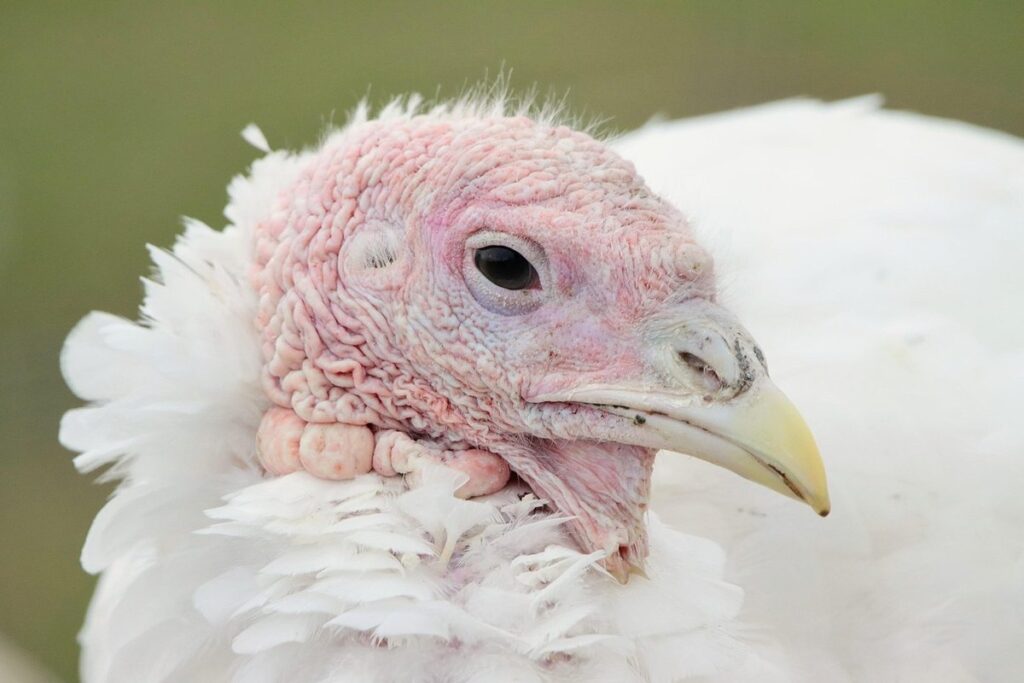
The Importance of Heritage Poultry
Heritage poultry breeds have a unique charm that goes beyond their delicious taste, holding cultural and historical significance that’s worth preserving for future generations to enjoy. In this section, we’ll explore the importance of heritage poultry in more detail.
Definition and Significance of Heritage Poultry Breeds
Heritage poultry breeds are an integral part of agricultural heritage, and their significance cannot be overstated. These unique birds have been developed over centuries through careful selection and breeding, resulting in a diverse array of characteristics that contribute to biodiversity.
A key aspect of heritage poultry breeds is their adaptability to local environments. Unlike commercial breeds, which often require specialized feed and housing, heritage breeds are resilient and can thrive on diverse diets and in various climates. For instance, the Silkie chicken, with its fluffy feathers and gentle nature, has been bred for centuries in Southeast Asia, where it’s prized for its egg-laying ability and heat tolerance.
Heritage poultry breeds also offer a rich source of genetic diversity, which is critical for maintaining agricultural resilience in the face of climate change. By preserving these breeds, farmers can ensure that their flocks remain healthy and productive over time. This is particularly important in rural communities where access to modern veterinary care may be limited.
Challenges Facing Heritage Poultry Breeds
Despite their rich history and cultural significance, heritage poultry breeds face numerous challenges that threaten their very existence. One of the most pressing issues is the declining population of these breeds, which can be attributed to a lack of breeding programs, small flock sizes, and inadequate genetic diversity. As a result, many heritage breeds are at risk of disappearing forever.
Another significant challenge facing heritage poultry breeds is the lack of demand for their meat and eggs. Unlike commercial breeds, which are bred specifically for high productivity and uniformity, heritage breeds often produce smaller quantities of meat and have more varied egg-laying capabilities. This can make them less appealing to consumers who prioritize quantity over quality.
The competition from commercial breeds further exacerbates these issues, as they dominate the market with their cheap prices and efficient production methods. To combat this, small-scale farmers and breeders must focus on building a loyal customer base that values the unique characteristics of heritage poultry breeds. By doing so, they can create a sustainable market for these birds and preserve a piece of history for future generations.
Conservation Efforts for Heritage Poultry Breeds
The preservation of heritage poultry breeds is crucial to maintaining the rich diversity and history of these incredible birds. Fortunately, there are numerous initiatives dedicated to their conservation and promotion.
One such initiative is the establishment of registries for heritage poultry breeds. For example, the American Bantam Association (ABA) maintains a registry for over 300 varieties of bantams, while the Rare Breeds Survival Trust (RBST) in the UK works tirelessly to preserve over 200 ancient breeds. These registries serve as a safeguard against extinction, providing breeders with access to detailed information on breeding standards and helping to ensure the accuracy of breed classification.
Breeding programs are another vital component of heritage poultry conservation efforts. Organizations like The Livestock Conservancy in the US work closely with breeders to develop and implement effective breeding strategies for rare breeds. Educational resources also play a significant role, as they help increase awareness about the importance of preserving heritage breeds and equip aspiring breeders with essential knowledge.
You can get involved by supporting conservation efforts through membership or donations, volunteering your time at poultry shows or farms, or even adopting a heritage breed as a backyard flock.
History of Heritage Poultry
Heritage poultry has a rich and fascinating history that spans centuries, with breeds evolving over time to adapt to their environments and meet human needs. Let’s take a closer look at how these incredible birds came to be.
Ancient Origins of Domesticated Fowl
The history of domesticated fowl dates back thousands of years to ancient civilizations where poultry was initially developed for food and companionship. Archaeological evidence suggests that the earliest evidence of chicken domestication can be found in Southeast Asia around 8,000 years ago. As human societies grew and prospered, so did their need for a reliable source of protein.
In Egypt, around 2,500 BCE, poultry was not only raised for meat but also used as offerings to gods and goddesses. The Egyptians selectively bred their birds to create desired traits, laying the foundation for modern breeding practices. Similarly, in ancient China, ducks were highly prized for their eggs and meat. Chinese farmers developed several breeds specifically suited to local conditions.
Today’s heritage poultry breeds owe a debt of gratitude to these early civilizations who laid the groundwork for selective breeding and breed development. By appreciating our ancestors’ ingenuity and perseverance, we can better understand the importance of preserving these unique genetic resources. As enthusiasts, we must learn from history to ensure that the rich diversity of heritage poultry is safeguarded for future generations.
Evolution of Heritage Poultry Breeds Over Time
As heritage poultry breeds have evolved over time, they’ve been shaped by their geographical and climatic surroundings. In Europe, for instance, the Marans breed developed its distinctive dark eggs and chocolate-brown plumage due to the region’s mild climate. Similarly, the Plymouth Rock originated in New England, where it adapted to harsh winters and abundant food sources.
Geographical isolation has also played a significant role in the evolution of heritage poultry breeds. In Asia, for example, the Silkie breed developed its unique fluffy feathers as a result of natural selection in the tropical climate. Meanwhile, human migration has introduced new breeds to various regions, leading to cross-breeding and further diversification.
To this day, many farmers and breeders continue to work with heritage poultry breeds, recognizing their value in promoting biodiversity and preserving genetic heritage. By selecting birds that thrive in specific conditions and are well-suited to local environments, they’re helping ensure the long-term viability of these breeds.
Characteristics of Heritage Poultry Breeds
Heritage poultry breeds are often distinguished by their unique characteristics, such as specific feather patterns and egg-laying abilities that set them apart from commercial birds. Let’s take a closer look at these defining traits.
Unique Features of Heritage Poultry
When it comes to heritage poultry breeds, one of the most striking aspects is their unique features. Each breed has its own distinct characteristics that set them apart from commercial birds. Take the Silkie, for example, with its fluffy, soft plumage and bearded face. The feathers on a Silkie are so dense that they give the bird a “downy” appearance, making it look like a small ball of fluff.
Feather color is another distinguishing feature of heritage poultry breeds. You’ll find birds with vibrant shades of red, blue, black, and white, each breed having its own specific color pattern. The Barnevelder, for instance, boasts stunning dark brown feathers with subtle golden highlights. These unique colors not only make the birds visually striking but also serve as a natural form of camouflage.
In addition to their impressive looks, heritage poultry breeds are also prized for their egg-laying abilities and temperaments. Some breeds, like the Cream Legbar, are prolific layers producing up to 300 eggs per year. Others, such as the Brahma, are known for their gentle nature and calm demeanor, making them ideal pets.
Breed-Specific Traits and Temperaments
When it comes to heritage poultry breeds, understanding their breed-specific traits and temperaments is essential for both novice and experienced backyard chicken keepers. Each breed has its unique characteristics that set it apart from others, making them well-suited to specific environments or management styles.
For example, some heritage breeds are renowned for their docility, such as the Sultan or the Brahma, which make excellent choices for families with children. These birds tend to be calm and gentle, easy to handle, and less likely to fight with each other. On the other hand, more energetic breeds like the Leghorn or the Barred Plymouth Rock require regular exercise and mental stimulation to prevent boredom and stress.
When selecting a heritage breed, consider your lifestyle and the environment in which they will thrive. If you have limited space, look for breeds that are compact or adept at foraging, such as the Silkie or the Polish. Similarly, if you live in an area with harsh winters, choose breeds that are adapted to cold temperatures, like the Chantecler or the Dominique.
Ultimately, understanding a breed’s temperament and traits will help you create a harmonious and thriving backyard flock that not only brings joy but also preserves a piece of history.
Keeping Heritage Poultry at Home
For those interested in bringing heritage poultry into their own backyard, this section will cover the basics of keeping these special birds happy and healthy. From housing to feeding, we’ll walk you through it all.
Starting a Backyard Flock
Starting a backyard flock is an exciting venture for anyone interested in keeping heritage poultry at home. As you embark on this journey, it’s essential to select breeds that suit your climate and available space. Research different types of heritage chickens, such as the Silkie or the Brahma, each with unique characteristics and temperaments.
When choosing a breed, consider factors like egg production, size, and noise level. If you have limited space, a smaller breed may be more suitable. For example, the Japanese Bantam is a popular choice for small backyards due to its compact size and gentle nature.
Once you’ve selected your breeds, it’s time to prepare a coop that meets their needs. Ensure the coop provides adequate ventilation, nesting boxes, and perches. A good rule of thumb is to provide at least 3-4 square feet of space per bird inside the coop.
When building or purchasing a coop, consider using natural materials like wood or straw bales for insulation. This not only provides a comfortable environment but also aligns with the heritage poultry ethos of preserving traditional practices.
Tips for Integrating Heritage Poultry into Your Homestead
Integrating heritage poultry into your homestead can be a rewarding experience, but it does require some planning and management. When deciding where to start, consider the space available for your birds. Heritage breeds often have unique characteristics that affect their spatial needs – for instance, Silkies are quite small and don’t need much room, while Brahma chickens are large and demand more space.
In terms of resources, heritage poultry often require specialized care due to their distinct breed traits. This might mean investing in feed specifically formulated for your birds’ nutritional needs or setting up a coop with adequate ventilation and shelter from the elements. Be prepared to invest time into researching the specific requirements of your chosen breed(s).
To effectively manage your space, resources, and time, consider implementing a schedule that balances daily tasks, such as feeding and cleaning, with regular chores like coop maintenance and foraging activities. Plan for unexpected events, like bird health issues or weather-related disruptions, by having a backup plan in place. By being intentional about these aspects of heritage poultry-keeping, you can create a thriving homestead that showcases the beauty and diversity of these incredible birds.
Cooking with Heritage Poultry
Whether you’re a seasoned chef or just starting to explore the world of heritage poultry, cooking with these unique birds can add a new level of flavor and excitement to your meals. Let’s dive into some delicious recipe ideas!
Recipes Featuring Heritage Chicken and Eggs
When cooking with heritage poultry, you’ll want to highlight its unique characteristics through recipes that showcase its rich flavors and textures. Heritage chicken breeds are renowned for their robust flavor profiles, while their eggs boast a deeper yolk color and richer taste.
Try pairing the Brahma’s gentle yet juicy meat with a classic herb-crusted roast chicken recipe. Simply rub the bird with olive oil, thyme, rosemary, and garlic, then roast in the oven until golden brown. The result is a delightfully savory dish that celebrates the breed’s heritage.
For eggs, consider making a Heritage Quiche Lorraine using eggs from a farm-raised Ameraucana or Barred Plymouth Rock hen. These breeds are prized for their rich, dark yolks and delicate whites. Simply layer ingredients like caramelized onions, diced ham, and shredded cheddar cheese in a pie crust, then top with the heritage eggs and bake until set.
These recipes offer a delicious way to experience the distinct flavors of heritage chicken and eggs. By highlighting their unique characteristics, you can help preserve the rich culinary history behind these breeds.
Preserving Heritage Poultry for Long-Term Enjoyment
Preserving heritage poultry allows you to enjoy the rich flavors and textures of these historic birds throughout the year. One effective method is canning, which involves processing whole or ground meat in a pressure canner to kill off bacteria and other contaminants. This technique requires careful attention to acidity levels, as certain varieties like Muscovy ducks may require additional pickling agents.
Freezing heritage poultry is another popular preservation method, suitable for birds that are too large to be canned or when you need to save space. For instance, the majestic Jersey Giant breed can weigh up to 15 pounds, making them perfect candidates for freezer storage. To freeze, simply remove any excess fat and pat dry the meat before placing it in airtight containers or freezer bags.
Smoking heritage poultry is yet another technique that not only preserves but also enhances flavor profiles. Using low heat over several hours can add rich, complex notes to your birds. Try using aromatic woods like apple or cherry for added depth.
The Future of Heritage Poultry
As we delve into the world of heritage poultry, let’s take a closer look at how this beloved breed is evolving to meet modern demands and preserve its rich history. We’ll explore emerging trends and innovations shaping the future of these remarkable birds.
Challenges and Opportunities Ahead
As we move forward with the preservation and promotion of heritage poultry breeds, it’s essential to acknowledge the challenges that lie ahead. Climate change is a significant threat to many heritage breeds, as they are often more susceptible to disease and environmental stressors due to their unique genetic makeup. For instance, the critically endangered Ayam Cemani breed in Indonesia is vulnerable to heat stress and disease outbreaks, which could push it closer to extinction.
On the other hand, there are also opportunities ahead for heritage poultry conservation. The growing demand for sustainable and locally sourced food products presents a chance for farmers to showcase the unique qualities of their heritage breeds. By emphasizing the rich history and cultural significance of these birds, breeders can tap into a niche market that values authenticity and traditional practices.
To overcome the challenges and capitalize on the opportunities, it’s crucial for breeders and conservationists to work together. This collaboration could involve sharing knowledge, resources, and expertise to develop more effective conservation strategies. By doing so, we can ensure the long-term survival of these incredible birds and preserve a piece of history for future generations to enjoy.
Strategies for Sustainable Heritage Poultry Production
As we work to preserve heritage poultry breeds, it’s essential to focus on sustainable production methods that not only protect these unique birds but also ensure their long-term viability. One crucial strategy is integrated farming practices, which combine multiple crops or livestock on a single farm to reduce waste and create more efficient systems.
By incorporating heritage poultry into diversified farms, producers can increase biodiversity, improve soil health, and promote ecosystem services. For instance, some farmers are integrating heritage chickens with small-scale vegetable production, using their droppings as natural fertilizer. This approach not only reduces the environmental impact of farming but also enhances crop yields and improves the overall resilience of the farm.
Another key aspect of sustainable heritage poultry production is market development. By creating demand for heritage birds and promoting them to consumers, producers can ensure a stable income stream and drive the growth of local food systems. This can be achieved through initiatives like farmers’ markets, online sales platforms, and partnerships with local restaurants and specialty food stores.
Developing relationships with these stakeholders requires producers to understand their needs and preferences, as well as those of their target consumers. By doing so, they can tailor their marketing efforts to effectively promote heritage poultry and build a loyal customer base.
To take it a step further, consider the following actionable tips:
* Explore local and regional markets for niche products like heritage poultry.
* Engage with chefs, restaurants, and food retailers to learn about their requirements and preferences.
* Highlight the unique characteristics of heritage breeds, such as distinct flavor profiles and textures.
* Emphasize the environmental benefits and sustainable production methods used in integrated farming systems.
* Leverage social media platforms to connect directly with customers and promote your products.
Frequently Asked Questions
Can I keep heritage poultry breeds as pets if I don’t plan to raise them for meat or eggs?
You can definitely keep heritage poultry breeds as pets, even if you’re not planning to use their meat or eggs. Many breeders and owners choose to keep these birds for their unique personalities, sounds, and visual appeal. Make sure to research the specific needs of your chosen breed and provide a suitable environment for them.
How do I protect my heritage poultry flock from predators?
Predators like foxes, coyotes, and hawks can be a significant threat to your heritage poultry flock. To minimize the risk, ensure your coop is secure, well-ventilated, and predator-proof. Consider using hardware cloth or chicken wire with openings of 1 inch or smaller, and install netting or other deterrents around the perimeter.
Can I crossbreed my own heritage poultry flock to create new breeds?
While you can experiment with crossing different heritage breeds, it’s essential to understand that creating a new breed requires careful selection and planning over several generations. This process can be complex and may not always produce desirable results. It’s recommended to start by learning from experienced breeders and focusing on preserving existing heritage breeds.
How do I know which heritage poultry breed is best for my backyard flock?
The ideal heritage poultry breed for your backyard flock depends on factors like climate, available space, and desired egg production or meat characteristics. Research different breeds and their specific needs to ensure you choose a breed that suits your lifestyle and resources. Consider consulting with experienced breeders or joining online forums to get advice from others.
Can I raise heritage poultry in cold climates?
While some heritage poultry breeds are more tolerant of cold temperatures than others, it’s essential to provide adequate shelter, insulation, and care for your birds during winter months. Ensure their coop is well-insulated, and consider adding bedding like straw or hay to keep them warm. Provide access to fresh water and food, even in extreme weather conditions.