
Are you excited to welcome a new brood of Aylesbury ducklings into your family? These adorable birds can bring immense joy and fresh eggs to your life, but raising them requires careful attention to their needs. If you’re considering breeding or already have these lovely ducks at home, it’s essential to provide the best possible care for your Aylesbury ducklings to ensure they grow strong and healthy.
In this comprehensive guide, we’ll walk you through everything you need to know about raising happy and healthy Aylesbury ducklings. From breeding and incubation to health considerations and proper feeding habits, our expert tips will help you navigate the process with confidence. Whether you’re a seasoned farmer or an enthusiastic backyard breeder, this article is designed to equip you with the knowledge and skills necessary to raise thriving Aylesbury ducklings that bring joy to your life for years to come.
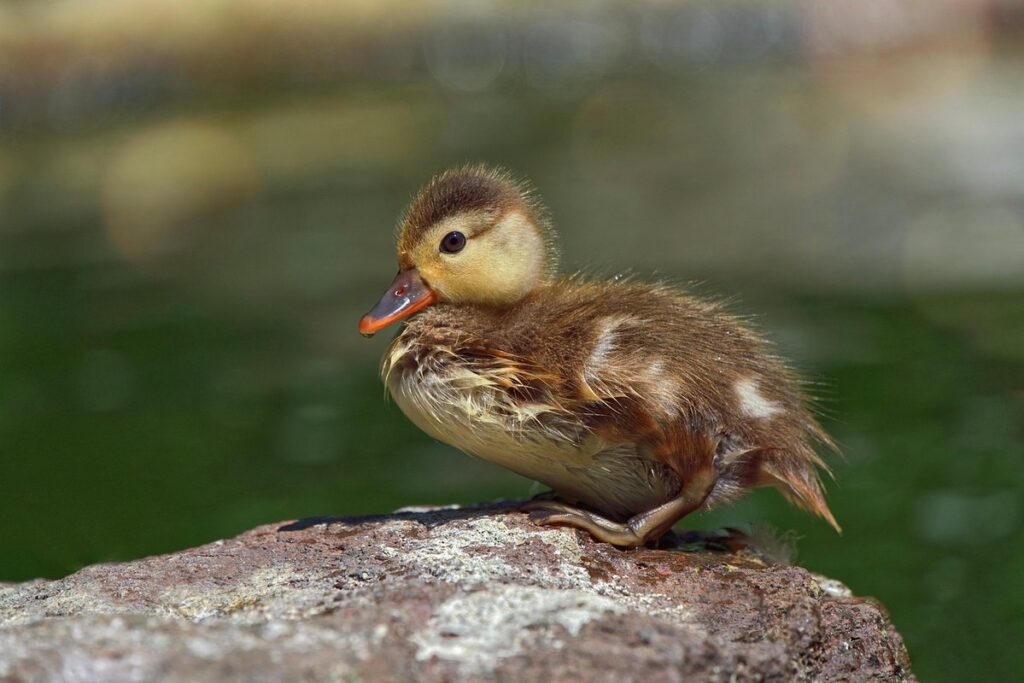
What are Aylesbury Ducklings?
So you’re new to raising Aylesbury ducklings and want to know where to start – let’s begin by understanding what these adorable birds are all about.
Characteristics of Aylesbury Ducks
The Aylesbury duck breed has a rich history dating back to 19th-century England. Originating from the village of Aylesbury, Buckinghamshire, these ducks were highly prized for their exceptional meat production and impressive egg-laying capabilities. In fact, during the 1800s, Aylesbury ducks accounted for over half of Britain’s domestic duck population.
One of the unique features of Aylesbury ducks is their robust build, with males weighing around 10-12 pounds (4.5-5.5 kg) and females reaching 8-10 pounds (3.6-4.5 kg). Their broad bodies, short legs, and compact tails make them appear slightly unusual compared to other duck breeds. Despite this, they possess a friendly temperament and are known for being relatively easy-going.
Aylesbury ducks have a few notable characteristics that set them apart from other breeds. They have a distinctive white plumage with a pink beak and feet, while their eggs are usually light brown in color. Their moderate growth rate and decent egg production (around 200-250 eggs per year) make them an attractive choice for small-scale duck farmers or backyard enthusiasts.
Their history and unique features aside, Aylesbury ducks have become increasingly popular among waterfowl enthusiasts due to their exceptional meat quality and ease of care.
Benefits of Keeping Aylesbury Ducks as Pets
If you’re considering bringing home an Aylesbury duckling as a pet, you’ll be delighted to know that they make excellent companions. Their friendly and docile nature makes them perfect for families with children or even those who live in small spaces. One of the standout benefits of keeping Aylesbury ducks is their adaptability – they can thrive in a variety of environments, from backyards to indoor pools.
Their easy-going temperament also means they are relatively low-maintenance pets. They require regular feeding and cleaning of their enclosure, but they’re generally easy to care for. In fact, with proper care and attention, Aylesbury ducks can live up to 10 years or more in a domestic setting. Plus, their gentle quacking is music to the ears, making them a joy to have around.
To make the most of your Aylesbury duck’s friendly nature, it’s essential to socialize them from an early age. Provide plenty of interaction and handling, and they’ll grow into confident and affectionate birds that will become a beloved member of your family.
History and Origin of Aylesbury Ducklings
The history and origin of Aylesbury ducklings date back centuries to 19th-century England, where they were prized for their unique characteristics. Let’s take a closer look at how these birds evolved over time.
The Breed’s Origins in England
The Aylesbury duck breed has its roots deeply embedded in English history. Originating from England in the 19th century, this prized table bird gained immense popularity during that time. The primary reason behind its widespread acceptance was its unique characteristics – a plump body, broad beak, and an assortment of vibrant colors.
As the years progressed, farmers began to focus on breeding the perfect Aylesbury duckling. They carefully selected birds with desired traits, eventually leading to a significant rise in their numbers. By the early 1900s, the breed had become synonymous with English poultry farming.
What made the Aylesbury duck stand out was its impressive growth rate and meat quality. Farmers could raise them in large numbers, making it an ideal choice for commercial purposes. The birds were highly sought after due to their robust flavor profile and tender texture, solidifying their position as a prized table bird during that era.
The popularity of the Aylesbury duck can be attributed to its exceptional adaptability to different climates and environments. This trait allowed farmers to raise them across various regions in England, further boosting their numbers and acceptance among consumers.
Evolution of the Breed Over Time
The Aylesbury duck breed has undergone significant changes over time, reflecting both its adaptability and the selective breeding practices of its devotees. Originally developed in England in the early 19th century, these ducks were prized for their exceptional egg-laying abilities and robust constitution.
In terms of feathering, one notable evolution of the Aylesbury duck breed has been the transition from a predominantly white plumage to the broader range of colors we see today. This shift towards greater diversity reflects both practical considerations – such as the increasing demand for ducks in various colors – and aesthetic preferences among breeders.
The original Aylesbury ducks were characterized by their impressive size, with some birds reportedly weighing up to 5 pounds or more at maturity. While many contemporary breeds have been bred down in size, modern Aylesbury ducks tend to be slightly smaller than their ancestors, typically ranging from 3-4 pounds.
In terms of temperament, Aylesbury ducklings are renowned for their friendly and outgoing nature. Breeders often report that these birds are particularly docile and easy-going, making them an excellent choice for families or small-scale farms.
Raising Aylesbury Ducklings: Tips for Success
Now that you have your duckling friends safely settled into their new home, let’s focus on giving them a strong start in life by mastering the art of raising Aylesbury ducklings. This section shares expert tips to ensure their health and happiness.
Brooding and Housing Requirements
When it comes to raising healthy and happy Aylesbury ducklings, providing adequate housing and brooding conditions is crucial for their growth and development. As a responsible duck breeder, you’ll want to create a coop that meets the specific needs of these adorable birds.
A good rule of thumb is to provide at least 2-3 square feet of space per duckling in the brooder. This allows them to move around comfortably and reduces stress on their tiny bodies. You can use a cardboard box or a commercial brooder, but make sure it’s well-ventilated and easy to clean.
For coop design, consider a layout that includes a nesting area, feeding troughs, and waterers. Aylesbury ducklings need plenty of space to stretch their wings and exercise, so ensure the coop has adequate room for them to roam around. Aim for at least 5-6 square feet per adult duck in the final coop design.
A word of caution: avoid overcrowding the brooder or coop, as this can lead to health issues and stress among the birds. Monitor their behavior and adjust the space accordingly to ensure they’re happy and thriving.
Feeding and Nutrition for Aylesbury Ducklings
Feeding Aylesbury ducklings a well-balanced diet is crucial for their growth and development. From day-old to around 20 weeks old, they will require starter feed rich in protein, such as a commercial duckling starter feed containing around 18-20% protein. You can start feeding your Aylesbury ducklings from day one, but make sure the water is warm and easily accessible.
As your ducklings grow, you can gradually introduce layer feed which contains about 16% protein. It’s essential to follow the manufacturer’s instructions for introducing new feeds to avoid any digestive issues. When choosing a starter or layer feed, opt for a high-quality feed that meets the nutritional needs of your Aylesbury ducklings.
In addition to their main feed, you can offer healthy treats like mealworms, sunflower seeds, and fresh vegetables. These should be introduced in moderation to prevent overfeeding. It’s also crucial to ensure access to clean water at all times. Provide a shallow dish for drinking and change the water frequently to keep it free from bacteria and debris.
A good rule of thumb is to offer treats that are nutrient-rich but low in fat, like leafy greens or fruit. You can also try making your own duckling treats using ingredients like oats and seeds. This will not only provide variety but also allow you to control the nutritional content.
Health Considerations for Aylesbury Ducklings
When it comes to raising your adorable Aylesbury ducklings, their health and well-being should be top priority. This section will explore key considerations to keep them safe and thriving from day one.
Common Health Issues in Aylesbury Ducks
As an Aylesbury duckling owner, it’s essential to be aware of the common health issues that can affect these adorable birds. Respiratory problems are a significant concern for Aylesbury ducks, particularly during their first few weeks of life. Young ducklings are prone to respiratory infections due to their underdeveloped immune systems and fragile bodies. These issues can manifest as labored breathing, wheezing, or even pneumonia.
Parasites, such as mites, lice, and fleas, are another common health issue affecting Aylesbury ducks. Regular cleaning of the duckling’s enclosure and monitoring for signs of infestation are crucial to preventing these problems. Check your ducklings regularly for any signs of parasites, including excessive scratching or feather loss.
To prevent respiratory issues, make sure to provide a warm and draft-free environment for your ducklings. A temperature range between 90°F to 100°F (32°C to 38°C) is ideal during their first few weeks. Provide plenty of fresh air and ventilation in the enclosure to minimize the risk of respiratory problems.
To address any health issues, it’s crucial to work closely with a veterinarian experienced in caring for waterfowl. Regular check-ups can help identify potential problems early on, allowing for prompt treatment and minimizing the risk of complications.
Vaccinations and Preventative Measures
As an owner of Aylesbury ducklings, it’s essential to understand the importance of vaccinations and preventative measures to keep them healthy. Vaccinations protect against diseases such as avian cholera, salmonella, and respiratory infections. While some breeders may not require vaccinations for their ducklings, it’s crucial to consider this option if you’re unsure about your flock’s health status.
Parasite control is another critical aspect of preventative care. Regularly check your ducklings’ droppings and enclosures for signs of parasites like mites, lice, or worms. Use a parasite-control medication as directed by the manufacturer to prevent infestations. You can also implement biosecurity practices, such as washing hands before handling the ducklings, disinfecting equipment, and separating new additions from existing birds.
In addition to these measures, maintain good hygiene in your duckling’s enclosure. Keep it clean by removing soiled bedding, cleaning feeders, and providing fresh water daily. This will help prevent diseases and ensure a healthy environment for your Aylesbury ducklings to grow.
Breeding and Hatching Aylesbury Ducklings
When it comes time to breed your own Aylesbury ducklings, understanding the basics of incubation and hatching is crucial for success. Let’s dive into the specifics of breeding and hatching these adorable birds.
Selecting a Breeder and Purchasing Ducklings
When it comes to selecting a reputable breeder and purchasing healthy Aylesbury ducklings, there are several factors to consider. To ensure you get high-quality birds, start by researching local breeders who specialize in Aylesbury ducks. Look for breeders with experience and good reputation, as they will be able to provide you with healthy, well-socialized ducklings.
Check if the breeder is registered with any reputable poultry associations, such as the American Bantam Association or the Poultry Club of Great Britain. This can give you an idea of their credibility and commitment to breeding high-quality birds.
When visiting a breeder’s farm or facility, pay attention to the living conditions of the ducklings. Healthy ducklings should have access to clean water, adequate food, and sufficient space to move around. Observe the parent ducks’ behavior and health as well – this can give you an idea of the breeder’s overall care standards.
Ask the breeder about their vaccination practices, health guarantees, and return policies in case something goes wrong with your ducklings after purchase. A reputable breeder should be transparent about these matters and willing to provide support throughout the process.
Breeding Program Considerations
When establishing a breeding program for Aylesbury ducklings, careful consideration must be given to several key factors. Record-keeping is essential to track the lineage and ancestry of individual birds, ensuring that desirable traits are passed down through generations. This involves maintaining detailed records of each bird’s parentage, including its ancestors’ characteristics, such as feather quality, egg-laying ability, and temperament.
Genetics also play a crucial role in breeding Aylesbury ducklings. Selecting birds with the ideal combination of genetics will increase the chances of producing healthy, happy, and high-quality offspring. Look for birds that exhibit the classic Aylesbury traits, including white feathers, orange beaks, and a docile temperament.
When selecting individual birds for breeding, consider their overall health, vitality, and fertility. It’s also essential to evaluate each bird’s potential for egg-laying and its ability to grow into a robust adult. By carefully considering these factors, breeders can create a successful breeding program that produces high-quality Aylesbury ducklings with desirable characteristics.
Caring for Aylesbury Ducks as Adults
As your little Aylesburys grow into robust adults, it’s essential to adjust their care routine to meet their changing needs and ensure they thrive in their new stage of life. This section will guide you through those necessary adjustments.
Adult Duck Care Requirements
As your Aylesbury ducklings grow into adult ducks, their care requirements will shift from focusing on rapid growth and development to maintaining overall health and well-being. One of the most critical aspects of adult duck care is providing a balanced diet.
Aylesbury ducks are heavy breeders and require a high-calorie diet to maintain their energy levels. A mix of commercial duck pellets, supplemented with fresh fruits and vegetables, should be their main staple. Avoid overfeeding, as this can lead to obesity and related health issues. Provide fresh water at all times and consider adding grit or oyster shells to support their digestive system.
In terms of housing, adult ducks need a secure and safe enclosure that protects them from predators and harsh weather conditions. The enclosure should have adequate ventilation and be easy to clean. Consider adding a pool or pond for swimming, as this will help keep your ducks active and entertained. Regular health checks are also essential, so monitor their weight, droppings, and overall behavior to catch any potential issues early on.
Integration with Other Birds and Pets
Introducing your Aylesbury ducks to other birds or pets in the household can be a daunting task, but with patience and planning, it’s entirely possible. Before introducing them to their new feathered and furry family members, ensure they are fully grown and matured. This usually takes around 6-8 months.
When introducing new birds, start by keeping them separate and allowing them to see and sniff each other through a fence or screen door. This allows them to become familiar with each other’s presence without the risk of any immediate conflicts. Once you feel they are comfortable with each other’s presence, it’s time for a supervised meeting in a neutral area.
When interacting with other pets like dogs, cats, or even rabbits, keep a close eye on their body language and behavior. If you notice any signs of aggression or fear, separate them immediately to prevent any harm. Reward good behavior by providing treats and praise when interactions go smoothly.
Conclusion: Enjoying Your Aylesbury Ducks
Now that you’ve successfully raised your adorable Aylesbury ducklings, it’s time to enjoy the fruits of your labor and learn how to make their adult lives a happy and healthy one. Here are some final tips for success.
Tips for Long-Term Success with Aylesbury Ducks
As you’ve successfully raised your adorable Aylesbury ducklings from fluffy balls of down to thriving birds, it’s essential to maintain their happiness and health in the long term. To ensure a lifelong commitment to their well-being, consider these valuable tips.
Regular health checks are crucial in preventing any potential health issues. Schedule regular visits with your veterinarian to monitor your ducks’ overall health and catch any emerging problems early on. This proactive approach will save you from dealing with costly treatments or even worse, losing your beloved birds.
When it comes to ongoing care, providing a suitable environment plays a significant role. Ensure their living quarters remain clean, well-ventilated, and protected from harsh weather conditions. Make sure their water supply is fresh and plentiful at all times, and their feed remains nutritious and consistent. Regularly inspect the area for any signs of damage or stressors that could affect your ducks’ comfort.
Nutrition also plays a vital part in maintaining your Aylesbury ducks’ optimal health. In addition to providing high-quality duck food, supplement their diet with fresh fruits and vegetables on occasion. This will not only boost their nutrient intake but also stimulate mental stimulation through exploration and discovery.
To encourage social interaction and prevent boredom, consider introducing toys and creative activities into their daily routine. For example, create a foraging experience by hiding treats in various spots or setting up a simple obstacle course to keep them active and engaged.
Frequently Asked Questions
What are the ideal housing requirements for Aylesbury ducklings during the first few weeks of life?
Aylesbury ducklings require a warm, draft-free brooder with adequate ventilation to prevent ammonia buildup from their droppings. The ideal temperature range for the first week is around 90-95°F (32-35°C), gradually decreasing by 5-10°F (3-6°C) each week until they are about 4-6 weeks old.
How can I ensure that my Aylesbury ducklings receive a balanced diet during their growth phase?
To provide a balanced diet for your Aylesbury ducklings, you should offer a starter feed specifically formulated for young waterfowl, along with access to fresh vegetables and clean water. Avoid overfeeding, as this can lead to obesity and other health issues.
What are some common health issues I should be aware of when raising Aylesbury ducklings?
Common health issues in Aylesbury ducklings include respiratory problems, bacterial infections, and parasites such as mites or lice. Regular veterinary check-ups, proper hygiene practices, and maintaining a clean living environment can help prevent these issues.
Can I integrate my Aylesbury ducklings with other birds and pets in the same space?
While it’s possible to integrate your Aylesbury ducklings with other birds and pets, it’s crucial to do so gradually and under close supervision. Introducing new animals too quickly can lead to stress and potential aggression issues.
How often should I clean their living area, and what are some tips for maintaining a healthy environment?
Clean the brooder or enclosure daily by removing soiled bedding, disinfecting surfaces with a pet-safe cleaner, and replenishing fresh water and feed. Regular cleaning helps prevent the buildup of bacteria and odors, keeping your Aylesbury ducklings healthy and thriving.