
Are you looking to add some unique character to your backyard flock? Or perhaps you’re an experienced poultry breeder seeking to learn more about this lesser-known breed? Either way, you’ll want to know about the rooster Dorking. This ancient English breed has been prized for centuries for its striking appearance, impressive size, and robust health. In this article, we’ll delve into the history of the Dorking, exploring its origins, physical characteristics, and behavior. You’ll also learn about the benefits of raising Dorkings, including their meat production capabilities and relatively low-maintenance care requirements. We’ll cover everything from breeding and health considerations to their unique personality traits, making this a must-read for anyone interested in learning more about these exceptional birds.
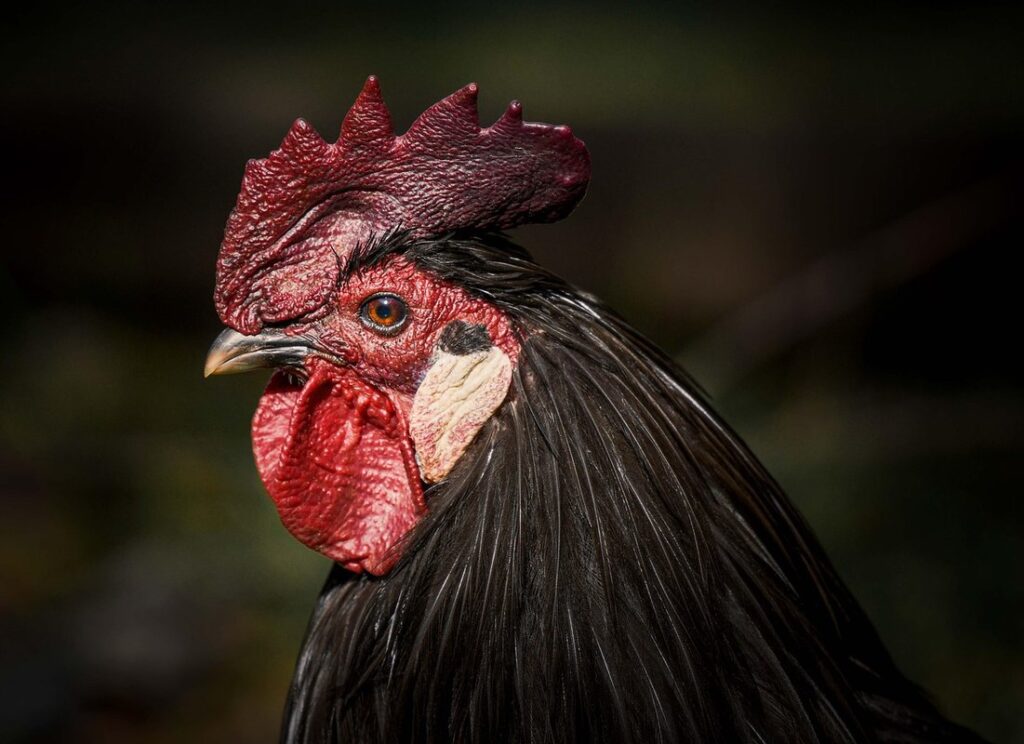
History and Origins of Rooster Dorkings
The origins of Rooster Dorking chickens date back to 18th century England, where they were prized for their unique characteristics. Let’s take a closer look at how this breed developed over time.
Early Development and Breeding
Rooster Dorkings have a rich history that dates back to 18th century England. Their development was largely driven by farmers seeking a hardy and adaptable bird that could thrive on the challenging terrain of the English countryside. These early birds were known for their striking appearance, with their distinctive red or blue plumage and impressive size.
Through selective breeding over several generations, breeders aimed to enhance the rooster’s unique characteristics, such as its broad chest, long legs, and robust build. This deliberate breeding program led to the creation of a distinct strain that excelled in both appearance and utility. Rooster Dorkings were soon prized for their ability to resist disease and withstand harsh weather conditions.
Interestingly, modern breeders continue to draw inspiration from these early birds, prioritizing traits like fertility, strong constitution, and striking plumage patterns. Today’s rooster enthusiasts can learn from this historical approach by focusing on selecting birds with exceptional temperament, size, and breeding performance.
Key Factors Influencing Their Creation
The development of the rooster Dorking breed was heavily influenced by regional climate and purpose. In medieval England, where the breed originated, farmers needed a robust bird that could thrive in harsh weather conditions and provide both meat and eggs. The Dorking’s ability to withstand cold temperatures and its high egg production made it an ideal choice for rural communities.
In addition to these practical considerations, regional preferences also played a role in shaping the breed. English farmers favored birds with small combs and wattles, which were seen as more manageable and easier to care for than the larger combs of other breeds. This led to a selection process that emphasized these characteristics, ultimately resulting in the distinctive rooster Dorking we know today.
Understanding the historical context of the breed’s creation can provide valuable insights for modern farmers or enthusiasts looking to raise Dorkings. By considering climate, purpose, and regional preferences, individuals can make informed decisions about their flock and create a more resilient, productive, and unique group of birds.
Physical Characteristics of Roosters
When it comes to rooster Dorkings, one of their most distinctive features is their impressive physical appearance. Let’s take a closer look at what makes these birds stand out in terms of size and plumage.
Body Structure and Size
Roosters Dorkings are known for their striking physical attributes that set them apart from other breeds. In terms of body structure and size, these birds are relatively compact but sturdy. They have a medium-sized build with males weighing between 8-12 pounds (3.6-5.4 kg) on average.
One of the most distinctive features of Roosters Dorkings is their feather pattern and plumage characteristics. They sport a soft, fluffy coat that’s predominantly white with a subtle sheen to it. However, what truly sets them apart are the vibrant patches of blue-gray on their hackles (the long feathers around the neck), as well as the distinctive comb and wattle.
It’s essential to note that Roosters Dorkings have two distinct feather varieties: single-combed and rose-combed. The rose-combed variety features a more pronounced, curved comb, while the single-combed has a shorter, straighter one.
Head Shape and Beak Features
One of the most distinctive features of rooster Dorkings is their unique head shape and beak characteristics. The breed’s head is broad and well-developed, with a slightly curved profile that gives them an endearing, rustic appearance. Noticeably, their beaks are short and strong, perfectly suited for pecking at grain and other feed.
The short length of the beak also means that rooster Dorkings don’t suffer from overgrowth or twisting, which can be common issues in some breeds. Their sturdy, compact beaks make them well-suited to scratching and foraging in their outdoor enclosures. In fact, many owners of rooster Dorkings swear by the breed’s ability to thrive on a variety of diets, thanks in part to their robust beak features.
When it comes to breeding or selecting rooster Dorkings, it’s worth considering the head shape and beak characteristics of individual birds. A broad, well-defined head with a short, strong beak is generally indicative of good health and robustness.
Behavior and Temperament
When it comes to owning a Rooster Dorking, understanding their behavior and temperament is crucial for creating a harmonious home. They are known for being friendly, docile birds that make great companions.
Social Interaction with Humans and Other Birds
Roosters dorkings are known to be quite social birds, and they thrive in environments where they have regular interaction with both humans and other birds. In a flock setting, rooster dorkings are natural leaders and tend to establish a pecking order among their fellow birds. They are also highly curious creatures that love to explore their surroundings and investigate new sights and sounds.
When it comes to interacting with humans, roosters dorkings can be quite affectionate and enjoy being around people. They make great pets for those who live on farms or in rural areas, as they are relatively low-maintenance compared to other breeds of chickens. However, it’s essential to socialize them from an early age to ensure that they become confident and friendly birds.
In terms of interacting with other birds, roosters dorkings tend to be gentle and non-aggressive, making them a great addition to mixed flocks. They are also known to form close bonds with their fellow hens and will often work together to defend their territory from predators.
Key Personality Traits and Adaptability
When it comes to rooster Dorkings, one of their most notable characteristics is their energetic and lively personality. These birds are known for being highly active and requiring regular exercise to keep them happy and healthy. If you’re considering bringing a rooster Dorking into your flock, be prepared for plenty of excitement and entertainment. In fact, studies have shown that rooster Dorkings can live up to 10-12 years with proper care, making them a long-term companion.
In terms of intelligence, rooster Dorkings are considered to be one of the more clever breeds of chicken. They’re known for their problem-solving skills and ability to learn quickly. If you provide them with a stimulating environment, they’ll thrive on activities such as foraging, scratching, and exploring their surroundings. With patience and consistent training, rooster Dorkings can even learn simple tricks and behaviors.
One of the best things about rooster Dorkings is their adaptability to different environments. They’re happy in small backyards or large farms, and they’ll adjust well to your specific living situation as long as you provide a suitable coop and regular attention. By understanding their needs and personality traits, you can create a harmonious and enjoyable environment for both you and your rooster Dorking.
Health Considerations and Care
When bringing a rooster dorking into your family, it’s essential to consider their health needs and provide proper care for these unique birds. This includes understanding common health issues that can arise in this breed.
Common Health Issues and Their Causes
As with many heritage breeds, rooster dorkings are not immune to certain health issues. One of the most common problems is parasitic infections, which can be caused by a lack of proper sanitation and hygiene in the coop. Regular cleaning and disinfecting can help minimize the risk of infestation.
Internal parasites, such as worms, can also affect rooster dorkings. This can be due to overgrazing on poor-quality feed or contaminated water sources. To prevent internal parasites, it’s essential to provide a balanced diet and ensure access to clean drinking water at all times.
Nutritional deficiencies are another common issue in roosters dorkings. A lack of essential vitamins and minerals, such as vitamin D3 and calcium, can lead to weakened bones and other health problems. Adding supplements or providing a varied diet that includes leafy greens and oyster shells can help prevent nutritional deficiencies.
In addition to parasites and nutritional deficiencies, rooster dorkings are also susceptible to certain diseases, such as Marek’s disease and infectious bronchitis. Vaccination programs and strict biosecurity measures can help protect against these diseases.
Dietary Needs and Nutrition Recommendations
When it comes to ensuring the optimal health and well-being of your rooster Dorking, providing a balanced diet is crucial. These birds require a high-quality feed that meets their specific nutritional needs.
A commercial chicken feed should be the foundation of your rooster’s diet, supplemented with fresh fruits and vegetables to provide essential vitamins and minerals. Leafy greens like kale and spinach are excellent choices, as well as fruits such as apples and berries. Avoid giving them avocado or onions, which can cause digestive issues.
Calcium supplements may also be necessary, especially if you notice signs of weakness or lethargy in your rooster. Provide grit or oyster shells to support strong beak growth and overall health. Ensure access to clean water at all times, as dehydration can quickly set in without adequate hydration.
In addition to these dietary recommendations, consider incorporating probiotics into their diet to promote a healthy gut microbiome. Regularly rotating their feed will also help prevent over-reliance on any single ingredient and encourage exploration of new tastes and textures.
Breeding and Raising Roosters
When it comes to raising a healthy and thriving rooster, proper breeding and care are crucial for its overall well-being and performance. Let’s dive into some essential tips on how to breed and raise your own Dorking roosters successfully.
Selecting Healthy Poultry for Breeding Stock
When selecting healthy rooster Dorking breeding stock, several key factors come into play. Firstly, fertility is crucial, as it determines the success of your breeding program. Look for roosters with a proven track record of siring healthy chicks and consider evaluating their fertility through artificial insemination or natural mating. Next, egg quality is essential for ensuring the health and viability of future generations. Choose hens that consistently lay large, dark brown eggs with clean, firm yolks.
To maintain genetic diversity within your flock, select breeding stock from reputable breeders who have a diverse gene pool. This can help prevent inbreeding and related problems such as reduced fertility or increased susceptibility to disease. It’s also essential to evaluate the temperament and conformation of potential breeding stock, selecting roosters that exhibit desirable traits such as good feather quality, robust build, and friendly disposition.
When selecting breeding stock, don’t underestimate the importance of observing behavior and evaluating overall health. Look for signs of illness or stress, and avoid buying from breeders who may be selling sick or compromised birds. By carefully selecting healthy rooster Dorking breeding stock, you’ll set your flock up for success and ensure a strong foundation for future generations.
Best Practices for Raising Chicks and Young Birds
When it comes to raising rooster Dorking chicks and young birds, there are several best practices you should follow to ensure their health and well-being. First and foremost, make sure they have a clean and safe living space. This means providing a brooder with adequate ventilation and temperature control, as well as easy access to food, water, and nesting areas.
A good rule of thumb is to provide at least 1-2 square feet of floor space per chick, depending on their age and size. For young birds, you can transition them to a larger coop or run once they reach about 4-6 weeks old. It’s also essential to ensure they have access to fresh air, sunlight, and exercise.
In terms of feeding, offer a high-quality starter feed specifically formulated for young poultry. Make sure to provide a constant supply of fresh water at all times, and consider using an automatic feeder or watering system to minimize waste and mess. Regular health checks are also crucial, so make sure to monitor your birds’ overall condition, including their appetite, droppings, and behavior.
Monitor their growth rate, and adjust feed intake accordingly to prevent overfeeding. Maintain a clean environment by removing droppings daily and disinfecting the brooder and coop regularly. With proper care and attention, your rooster Dorking chicks will thrive and grow into healthy, robust birds with minimal health issues.
Benefits of Keeping Roosters
Keeping roosters can bring a unique set of rewards, from their entertaining personalities to their impressive crowing abilities. Let’s explore these benefits in more detail.
Meat Production and Quality
When it comes to meat production, rooster dorkings are an attractive option for many farmers. These birds have a unique set of characteristics that make them well-suited for the job.
In terms of growth rates, rooster dorkings tend to mature more slowly than other breeds, which can be beneficial for farmers who want to focus on raising high-quality meat rather than quickly growing out their flock. On average, rooster dorkings take around 24-26 weeks to reach market weight, compared to the 18-20 weeks of some commercial breeds.
The carcass quality of rooster dorkings is another advantage they bring to the table. Their slow growth rate and heritage breed status mean that their meat tends to be more marbled and flavorful than that of faster-growing birds. This makes them a popular choice among chefs and foodies who are looking for unique and high-quality ingredients.
In terms of flavor characteristics, rooster dorkings are known for their rich, gamey taste. This is due in part to their diet, which consists mainly of grasses and other forages rather than grains. As a result, the meat has a more complex and nuanced flavor profile that many people find appealing.
If you’re considering raising rooster dorkings for meat production, there are a few things to keep in mind. First, be sure to provide your birds with plenty of space to roam and forage. This will help them develop their distinctive flavor characteristics and improve overall carcass quality.
In addition, consider focusing on dry-aged or pasture-raised production methods to really bring out the best in your rooster dorkings’ meat. By doing so, you’ll be able to tap into a growing market of consumers who are willing to pay premium prices for high-quality, sustainable meat products.
Ultimately, rooster dorkings offer a unique set of characteristics that make them well-suited for meat production. Whether you’re looking to start your own farm or simply want to add some diversity to your existing flock, these birds are definitely worth considering.
Egg Production and Fertility
One of the most significant benefits of keeping roosters is their positive impact on egg production and fertility. When hens are paired with a rooster, they experience a significant boost in reproductive hormones, leading to an increase in egg-laying capabilities. In fact, studies have shown that hens kept alongside a rooster can lay up to 20-30% more eggs than those without a rooster.
The presence of a rooster also has a direct impact on fertility rates. With a fertile rooster, the likelihood of successful breeding and hatching increases dramatically. This is especially important for backyard chicken keepers who want to breed their own chicks or sell eggs from healthy, fertile hens. Factors that influence fertility and hatch rates include the overall health and well-being of both the hen and rooster, as well as proper nutrition and environmental conditions.
By keeping a rooster Dorking, you can expect to see a noticeable increase in egg production and fertility among your flock. This is especially beneficial for those looking to breed or raise chicks, making the presence of a rooster Dorking a valuable asset to any backyard chicken keeper.
Frequently Asked Questions
How do I determine if a Rooster Dorking is suitable for my small backyard flock?
Determine your available space, considering the birds’ size and roaming needs. Roosters can be quite active, so ensure you have sufficient room for them to exercise and engage in natural behavior. Research local regulations regarding backyard chickens and consider factors like noise levels and neighborhood compatibility.
Can I raise Dorkings as a beginner poultry breeder?
While Rooster Dorkings are relatively low-maintenance, experience with other breeds can be beneficial. Start by gaining hands-on experience with smaller flocks before introducing Dorkings to your breeding program. Develop a solid understanding of health checks, vaccinations, and breeding practices to ensure the well-being of these unique birds.
How do I care for my Rooster Dorking’s specific dietary needs?
Roosters have distinct nutritional requirements due to their size and growth rate. Ensure they receive high-quality feed specifically formulated for large breed chickens, supplemented with fresh fruits and vegetables as treats. Consider consulting a poultry expert or veterinarian to determine the best feeding schedule for your flock.
Can I expect my Rooster Dorking to be friendly and docile?
While individual personalities may vary, many Roosters are known for their gentle nature and adaptability around humans. Socialize your birds from an early age, providing ample interaction time with both people and other animals to foster a calm demeanor. Regular handling can also help train them to respond to commands and become more approachable.
How do I handle health issues in my Rooster Dorking flock?
Regular monitoring of your birds’ behavior, appetite, and overall health is crucial in identifying potential problems early on. Consult with experienced breeders or veterinarians for guidance on common health concerns specific to the Dorking breed, such as obesity and respiratory issues. Implement preventive measures like proper ventilation, sanitation, and vaccination protocols to minimize risks.