
Are you looking for a charming addition to your backyard flock? The Cochin Bantam hen is an excellent choice, offering a unique blend of history, charm, and practicality. This beloved breed has been a favorite among chicken enthusiasts for centuries, prized for its gentle nature, stunning appearance, and relatively small size.
As a beginner or experienced chicken keeper, you’ll want to learn more about the Cochin Bantam’s temperament, care requirements, and interesting characteristics. In this article, we’ll delve into the fascinating history of this breed, exploring what makes it so special and why it’s perfect for backyard flocks and pet owners alike. We’ll cover topics such as its origins, unique traits, and essential care tips to ensure your Cochin Bantam hen thrives in its new home. Whether you’re a seasoned breeder or just starting out, this breed is sure to captivate you with its charm and appeal.
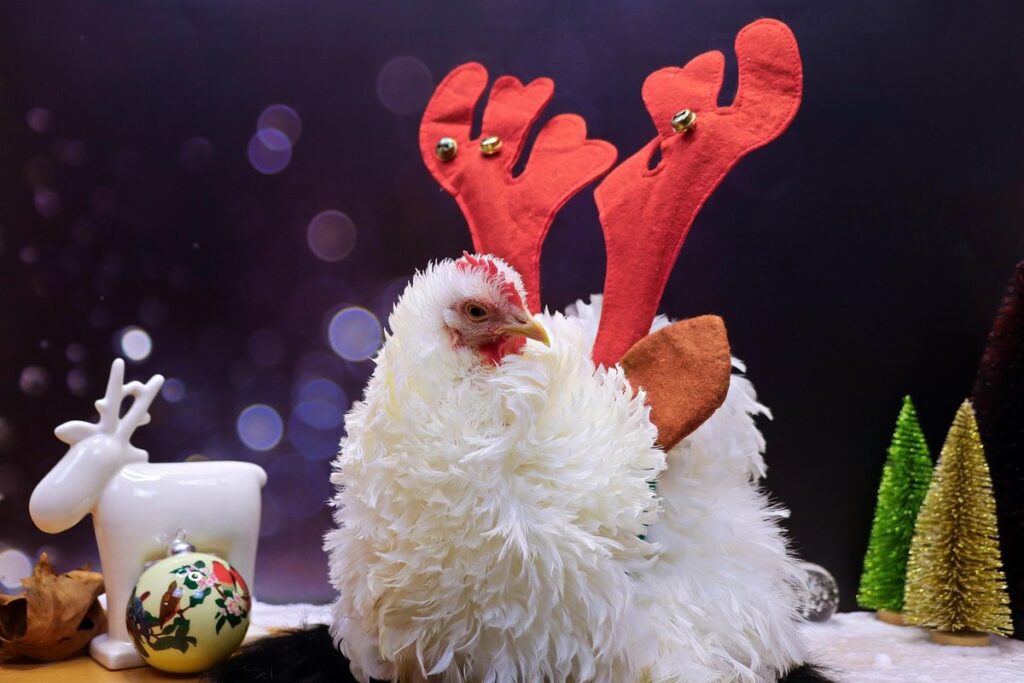
Origins and History of the Cochin Bantam
Let’s take a step back in time to explore where our beloved Cochin Bantams originated from, tracing their fascinating history that spans centuries. Their roots are deeply rooted in European and Asian cultures.
Early Development and Breeding
The early development of the Cochin Bantam is deeply rooted in its origins as a beloved companion animal for royalty in ancient Southeast Asia. This charming breed was first bred over 300 years ago, with the primary goal of creating a miniature version of the large Cochin chicken. As their name suggests, these birds were meant to be small but full-bodied, with gentle and docile temperaments that would win the hearts of even the most discerning monarchs.
The Cochin Bantam’s popularity soon spread beyond Southeast Asia, as European explorers brought them back to their homelands as exotic treasures. From there, breeders began experimenting with various lineages, resulting in a range of size and color variations that we see today. As backyard chicken keeping gained popularity, the Cochin Bantam’s friendly nature made it an instant favorite among enthusiasts. If you’re thinking of bringing a Cochin Bantam into your flock, be prepared to fall head over heels for their affectionate personalities – they make perfect companions for families and experienced breeders alike.
It’s worth noting that when selecting a Cochin Bantam, look for birds from reputable breeders who specialize in this particular breed. This will ensure you’re getting a high-quality animal with the right temperament and characteristics.
Evolution into a Popular Breed
As the Cochin Bantam continued to spread across the globe, it underwent significant transformations, adapting to various environments and climates. This versatility played a crucial role in its widespread popularity among chicken enthusiasts.
The introduction of European breeds in South America led to the creation of a new type, often referred to as the “Cochin-Brazilian”. These birds not only thrived in tropical conditions but also proved adept at withstanding harsh weather patterns. Farmers and breeders alike were drawn to their remarkable resilience, and it wasn’t long before they became a staple in many South American countries.
In the United States, the Cochin Bantam’s popularity grew significantly as poultry enthusiasts sought out breeds that could handle extreme temperatures. Breeders began experimenting with various combinations of purebred chickens, resulting in the development of unique characteristics that further solidified the breed’s reputation for hardiness.
As a result of these adaptability and resilience, the Cochin Bantam gained immense recognition, eventually becoming a popular choice among chicken fanciers worldwide.
Physical Characteristics and Appearance
When it comes to the physical characteristics of the Cochin Bantam Hen, one of the most striking features is its compact yet sturdy build. Let’s take a closer look at this beautiful bird’s appearance.
Size and Weight
One of the most appealing aspects of the Cochin Bantam hen is its compact size and manageable weight. This makes it an ideal choice for small backyard enthusiasts or those who want a low-maintenance pet without sacrificing the charm of having chickens.
On average, the Cochin Bantam stands at around 10-13 inches (25-33 cm) tall and weighs between 2-3 pounds (0.9-1.4 kg). This diminutive size allows them to thrive in confined spaces, making them perfect for tiny farms or even apartment dwellings with a suitable outdoor area.
Their weight is also remarkably low, which means less feed is required to maintain their health and well-being. This results in significant cost savings on food, as well as reduced waste and fewer resources needed for management.
The Cochin Bantam’s size and weight also make them easy to handle and care for, making them a great choice for children or individuals new to chicken-keeping. Their calm demeanor and friendly nature only add to their appeal, ensuring you’ll have a delightful companion that brings joy without the hassle of larger birds.
Plumage and Color Variations
One of the most captivating aspects of the Cochin Bantam hen is its stunning plumage and diverse color patterns. These adorable hens come in an array of colors and combinations that will leave you enchanted. You can find them with a range of solid colors, such as white, black, blue, buff, and wheaten, each showcasing their unique beauty.
However, it’s the intricate patterns that truly set Cochin Bantams apart. They can sport mottled, parti-colored, or even splashy patterns, adding an extra layer of visual interest to their already stunning appearance. The silkie-like texture of their feathers only adds to their charm, making them a delight to behold.
If you’re planning to bring home a Cochin Bantam hen, be prepared for the excitement of discovering which color pattern and plumage type your new feathered friend will display. With so many options available, you can choose from various breeders or reputable sellers to find the perfect match for your flock.
Temperament and Personality
When it comes to owning a Cochin Bantam Hen, understanding her temperament and personality is essential for building a strong bond. In this section, we’ll explore their unique quirks and traits.
Friendly and Docile Nature
One of the most endearing qualities of Cochin Bantam Hens is their incredibly friendly and docile nature. They are often described as gentle souls who thrive on human interaction. If you’re looking for a feathered companion that will follow you around the farm or backyard, a Cochin Bantam Hen is an excellent choice.
Their calm demeanor makes them perfect for families with children or for those who want to introduce chickens into their small farm without worrying about aggression. In fact, many owners report that their Cochin Bantams become incredibly attached to specific individuals and will often seek out attention and affection.
To foster a strong bond with your Cochin Bantam Hen, try offering treats by hand and spending quality time with them in a safe enclosure. With patience and consistency, you’ll find that they begin to recognize you and even anticipate interactions. This loving nature also makes them an excellent choice for therapy programs or as ambassadors for backyard chicken-keeping.
Interaction with Humans and Other Animals
One of the most endearing qualities of Cochin Bantam Hens is their gentle and affectionate nature. They make wonderful pets for families with children, as they are patient and tolerant of little ones’ energetic play. In fact, Cochins are known to form strong bonds with their human caregivers, often following them around the yard or even into the house in search of attention.
When it comes to interacting with other animals, Cochins tend to get along well with most breeds, especially if they’re socialized from an early age. However, as with any breed, it’s essential to introduce them slowly and under controlled circumstances to prevent any potential conflicts. Some predators, such as dogs or cats, may view Cochins as prey, so it’s crucial to supervise interactions closely and provide a safe haven for your Cochin Bantam Hen.
When socializing your Cochin Bantam Hen, be sure to expose them to various environments, people, and animals to help build their confidence. With proper care and attention, your gentle Cochin will thrive as a beloved member of the family.
Health and Care Requirements
When it comes to keeping a happy and healthy Cochin Bantam hen, there are several essential health and care requirements you’ll need to consider in your daily routine. We’ll cover all the basics for you here.
Common Health Issues and Concerns
As a responsible owner of a Cochin Bantam hen, it’s essential to be aware of common health issues that can affect these charming birds. One of the most prevalent problems is obesity. Cochin Bantams are prone to overeating, which can lead to weight gain and related health issues such as fatty liver disease and joint problems. To prevent this, provide a balanced diet that meets their nutritional needs, and ensure they have plenty of opportunities for exercise.
Respiratory problems are another concern for Cochin Bantam owners. These birds can be susceptible to respiratory infections, which can lead to symptoms such as wheezing, coughing, and difficulty breathing. Regular cleaning of the coop and run is crucial in maintaining a healthy environment for your hen. Additionally, providing adequate ventilation and ensuring good airflow within the enclosure can help prevent the buildup of ammonia and other gases that can exacerbate respiratory issues.
Monitor your hen’s behavior and watch for signs of illness, such as lethargy or loss of appetite. Regular health checks with a veterinarian experienced in poultry care are also crucial to maintaining the overall health of your Cochin Bantam hen.
Dietary Needs and Feeding Guidelines
When it comes to feeding your Cochin Bantam hen, understanding her dietary needs is crucial for maintaining optimal health. These small hens are prone to obesity due to their gentle nature and love for food, so it’s essential to keep an eye on their calorie intake.
A balanced diet should consist of high-quality layers feed as the main staple, supplemented with fresh fruits and vegetables. Aim to provide 1/4 cup of oyster shells or crushed eggshells daily to support calcium-rich diets. Fresh water should always be available.
In terms of feeding schedules, divide the day into two to three meals to prevent overeating. Limit treats like mealworms, sunflower seeds, or fresh bread to no more than 10% of their total diet. You can also consider a ‘free-range’ approach by letting your hen roam freely in a secure area for several hours daily.
To ensure you’re meeting your Cochin Bantam’s nutritional needs, consult with a veterinarian or poultry expert for personalized advice. Keep an eye on body condition and adjust feeding schedules accordingly to prevent weight gain. Regular monitoring will help maintain the overall health of your beloved pet.
Breeding and Raising Cochins
Breeding and raising cochins requires careful consideration of genetics, nutrition, and environment to produce healthy and thriving birds. Let’s dive into the specifics of how to successfully breed and raise these beautiful hens.
Choosing Healthy Parents and Starting a Flock
When starting a Cochin Bantam flock, choosing healthy parents is crucial to ensure the overall health and well-being of your birds. A healthy parent will pass on robust genetics to their offspring, reducing the risk of inherited health issues.
To choose healthy parents, look for birds with a good temperament, active behavior, and a shiny, well-maintained plumage. Avoid selecting birds that appear lethargic, have dull feathers, or exhibit aggressive behavior.
Examine the bird’s eyes, ears, beak, and legs for any signs of disease or injury. Check for clean nostrils, bright eyes, and a sturdy beak. A healthy Cochin Bantam should have well-developed feathering on their feet.
Consider the genetic diversity when selecting parents. Aim to choose birds from different bloodlines to reduce the risk of inbreeding. Consult with experienced breeders or join poultry clubs to access various Cochin Bantam bloodlines and make informed decisions about your flock’s foundation.
Tips for Raising Chicks and Growing Young Birds
Raising chicks and growing young birds into strong, healthy adult hens is an essential aspect of cochin bantam breeding. As you bring home adorable chicklets from the hatchery, it’s crucial to provide them with a nurturing environment for optimal growth.
Start by setting up a brooder, ensuring it’s draft-free and maintained at a comfortable temperature between 90-100°F (32-38°C) for the first week. Provide adequate ventilation and use a heat source specifically designed for chicks. Gradually decrease the temperature over time to simulate natural conditions.
Feed high-quality starter feed formulated for young birds, providing enough nutrients for growth and development. Monitor their hydration by offering fresh water at all times. Maintain cleanliness in the brooder, removing droppings daily, and disinfecting surfaces as needed.
Begin handling your chicks gently from an early age to socialize them. As they grow, introduce a dust bath area to help with feather maintenance. Monitor their health closely, looking for signs of disease or stress. By following these guidelines, you’ll set your young birds on the path to becoming magnificent adult Cochins.
Uses and Benefits of Keeping a Cochin Bantam Hen
Keeping a Cochin Bantam Hen is not just about having a cute pet, but also offers numerous benefits to your backyard ecosystem and can be a valuable addition to your small farm. Let’s explore some of these advantages together!
Egg Production and Quality
Cochin Bantams are known for their unique characteristics and endearing personalities. However, beyond their charm lies a significant benefit that makes them an excellent addition to backyard flocks: their egg-laying capabilities.
In terms of production, Cochin Bantam hens can lay around 200-220 brown eggs per year, which is impressive considering their small size. This might not be as prolific as some larger breeds, but the quality of these eggs more than makes up for it. Their eggs are rich in nutrients and have a slightly sweet flavor that many backyard chicken keepers rave about.
One of the advantages of Cochin Bantam eggs is their brown shell coloration. Brown eggs contain iron and other beneficial compounds that can contribute to better nutrition when consumed. Moreover, Cochin Bantams tend to be friendly and gentle, making them an excellent choice for families with children or those who want a more laid-back flock.
To encourage optimal egg production in your Cochin Bantam hens, make sure to provide them with a balanced diet that includes fresh vegetables, fruits, and grains. Regular exercise, adequate nesting space, and proper hygiene practices will also help ensure they thrive and produce the best eggs possible.
Companion Animals and Stress Relief
Cochin bantams have long been cherished for their gentle nature and affectionate personalities. These charming birds can provide a unique form of companionship to those who keep them as pets. Studies have shown that spending time with animals can significantly reduce stress levels, improve mood, and even lower blood pressure.
One of the most significant benefits of keeping a Cochin bantam hen is the companionship it provides. These birds are relatively low-maintenance compared to larger breeds, making them an ideal choice for those living in small spaces or with limited time for pet care. By spending just a few minutes each day interacting with your Cochin bantam, you can reap the rewards of reduced stress and improved mental well-being.
In addition to their companionship, Cochin bantams are also relatively easy to handle, making them an excellent choice for those who want to experience the benefits of animal-assisted therapy. With regular handling and socialization, these birds will not only become trusting friends but also provide a sense of calm in your life.
Frequently Asked Questions
How Do I Choose the Right Cochin Bantam Hen for My Backyard Flock?
When selecting a Cochin Bantam hen, consider factors such as egg-laying ability, feather quality, and temperament. Look for birds with good posture, shiny feathers, and a friendly demeanor. It’s also essential to choose hens that are suitable for your climate and lifestyle.
Can I Keep Multiple Cochin Bantams Together in the Same Coop?
Yes, Cochin Bantams are generally docile and can be kept together in the same coop. However, it’s crucial to provide enough space (about 2-3 square feet per bird) and ensure that there is no aggression or dominance issues among your flock members.
What Are Some Common Health Issues Associated with Cochin Bantams?
Cochin Bantams are generally a healthy breed, but they can be prone to conditions such as obesity, respiratory problems, and eye infections. Regular health checks, proper nutrition, and a clean living environment can help prevent these issues.
How Often Should I Provide Fresh Water and Feed for My Cochin Bantam Hen?
It’s essential to provide fresh water and feed daily for your Cochin Bantam hen. Ensure that their feeding troughs are clean and easily accessible, and that they have an adequate supply of calcium-rich foods to support strong eggshell production.
Can I Breed My Own Cochin Bantams or Should I Purchase from a Reputable Breeder?
While it’s possible to breed your own Cochin Bantams, it’s recommended to start with high-quality birds from reputable breeders. This ensures that you’re working with healthy stock and helps maintain the integrity of the breed. If you do decide to breed your own birds, make sure to research and follow proper breeding practices to avoid inbreeding and genetic problems.