
Are you looking to raise birds that are not only stunning but also incredibly useful on your farm or homestead? Look no further than the Coronation Sussex rooster. This exceptional dual-purpose breed has been gaining popularity among sustainable livestock producers due to its unique characteristics and benefits. Not only do they produce high-quality eggs, but their meat is also tender and flavorful, making them a great addition to any backyard flock.
In this comprehensive guide, we’ll delve into the world of Coronation Sussex roosters, covering everything from their care requirements to showing and breeding tips. We’ll explore the benefits of raising these exceptional birds for sustainable livestock production and provide you with expert advice on how to raise, show, and breed them successfully. Whether you’re a seasoned farmer or just starting out, this article is perfect for anyone looking to learn more about Coronation Sussex roosters and unlock their full potential.
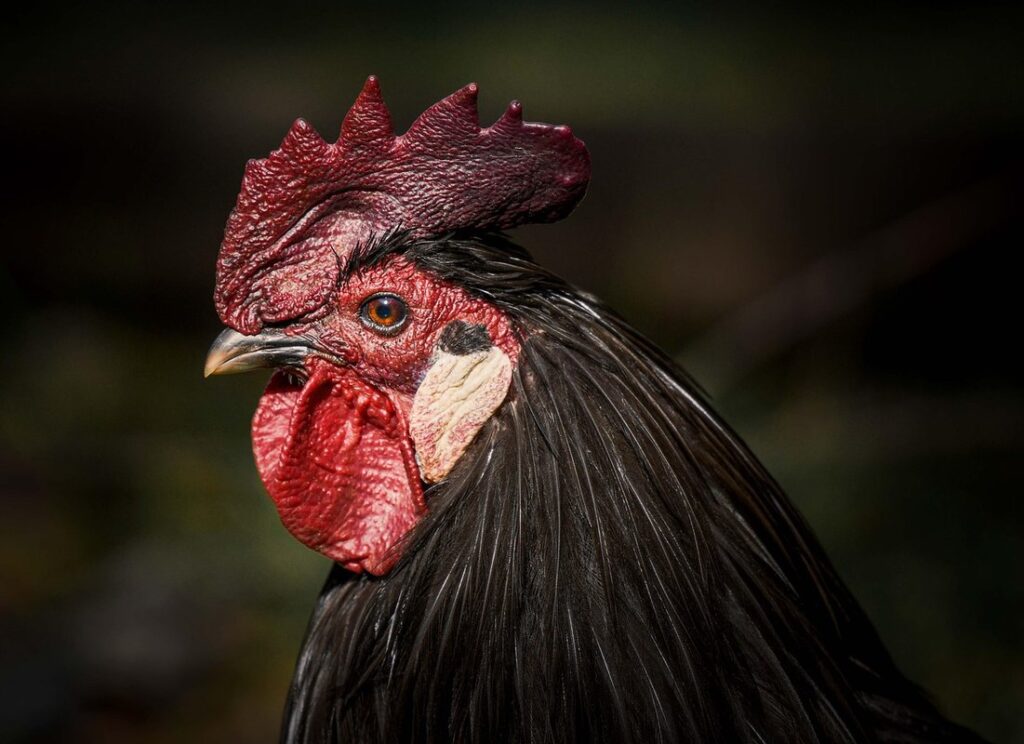
Introduction to the Coronation Sussex Rooster Breed
The Coronation Sussex rooster is a stunning breed known for its striking appearance, and here we’ll introduce you to its origins and characteristics. Let’s start with what makes this breed so unique.
Origin and History of the Breed
The Coronation Sussex rooster breed has its roots in England, where it was developed in the mid-20th century. Its creation is attributed to the efforts of renowned poultry breeder Frank Alexander, who aimed to produce a dual-purpose breed that excelled both as a meat producer and an egg layer.
To achieve this goal, Alexander crossed various breeds, including the Sussex and other local English fowl, to create a robust bird with desirable characteristics. The result was a hardy, fertile rooster capable of producing quality eggs while providing meat for the table. This versatility made it an attractive choice for many farmers and backyard chicken keepers.
One of the key features that set the Coronation Sussex apart from other breeds is its ability to thrive in temperate climates with minimal care. Its compact size, combined with its laid-back nature, makes it an excellent choice for small-scale poultry enthusiasts or those new to raising chickens. With proper care and management, a Coronation Sussex rooster can live up to 10 years or more, providing years of loyal service as both a breeder and a meat bird.
Physical Characteristics of the Coronation Sussex Rooster
The Coronation Sussex Rooster is a stunning breed known for its unique physical characteristics. In terms of plumage, they have a beautiful combination of black and white feathers, with the males featuring a predominantly black coat adorned with crisp white markings on their faces, necks, and bellies. The females, while still showcasing impressive coloration, tend to have less pronounced markings.
When it comes to size and weight, Coronation Sussex Roosters are considered medium-sized birds. On average, they weigh around 6-8 pounds (2.7-3.6 kg) and stand approximately 24 inches (61 cm) tall. Their sturdy build and balanced proportions make them well-suited for a variety of poultry keeping settings.
One notable feature of the Coronation Sussex Rooster is their beak shape, which is short and stout, with a slight curve to the end. This unique beak design is not only aesthetically pleasing but also serves as an effective tool for pecking and scratching in the search for food.
Their overall appearance makes them a popular choice among breeders and backyard chicken enthusiasts alike, who appreciate their elegance and rustic charm.
Raising Coronation Sussex Roosters: Tips for Breeders
If you’re interested in raising Coronation Sussex roosters, here are some valuable tips to help you breed them successfully and achieve your desired outcome. Learn how to care for these unique birds from a breeder’s perspective.
Choosing Healthy Chicks and Pullets
When selecting healthy chicks and pullets for breeding Coronation Sussex roosters, it’s essential to consider several factors. First and foremost, ensure the birds are from a reputable breeder who prioritizes health and genetics.
Look for birds that are active, alert, and have bright, inquisitive eyes. Check for any visible signs of illness or injury, such as labored breathing, runny eyes, or wounds. Make sure the birds’ beaks and claws are properly formed and functioning correctly.
Another critical factor is genetics. Research the breeder’s bloodlines to ensure they have a track record of producing healthy, well-tempered roosters. Consider factors like fertility rates, hatchability, and overall performance in breeding programs.
When evaluating pullets, check their plumage for even coloration, proper feather growth, and no signs of molting or shedding. Also, observe their behavior – healthy birds should be energetic, curious, and interactive with their surroundings. By focusing on these key factors, you can increase the chances of selecting healthy breeding stock for your Coronation Sussex rooster program.
Nutritional Requirements for Growing Chickens
When it comes to raising Coronation Sussex roosters, providing the right nutrition is crucial for optimal growth and health. These young birds have unique nutritional needs that must be met to ensure they develop into robust and healthy adults.
As a breeder, you’ll want to provide a starter feed specifically formulated for young chickens. This type of feed typically contains around 20% protein, which is essential for muscle development and growth. You can also supplement with calcium-rich foods such as crushed oyster shells or dark leafy greens like kale and spinach to support strong bone growth.
As they grow, you’ll need to switch to a layer feed that’s higher in protein (around 16-18%) but lower in calcium. This will help them reach their full potential without developing weakened bones. Additionally, ensure access to fresh water at all times and consider adding probiotics or electrolytes to their diet during times of stress or extreme weather conditions.
A good rule of thumb is to provide about 1/4 pound of food per bird per day for the first 16 weeks, increasing this amount gradually as they grow.
Caring for Coronation Sussex Roosters: Health and Welfare Considerations
To ensure your Coronation Sussex rooster lives a long, healthy life, it’s crucial to understand the specific needs of this breed in terms of nutrition, environment, and health checks. Providing proper care will boost their well-being and happiness.
Common Health Issues Affecting the Breed
The Coronation Sussex rooster is generally a hardy breed, but like all birds, they can be prone to certain health issues. One of the most common problems affecting this breed is respiratory disease. This can be caused by viral infections such as Newcastle Disease or bacterial infections like Mycoplasma gallisepticum. Owners should look out for symptoms such as labored breathing, coughing, and lethargy.
Parasites are another significant health concern for Coronation Sussex roosters. External parasites like lice, mites, and fleas can cause discomfort and stress to the birds. Internal parasites such as worms can lead to weight loss, diarrhea, and other complications. Regular cleaning of coops, monitoring for signs of infestation, and using preventative medications can help minimize the risk.
Other diseases that may affect Coronation Sussex roosters include Avian Influenza, Marek’s Disease, and Coccidiosis. It is essential to work closely with a veterinarian to develop a comprehensive health plan for your flock, including regular check-ups, vaccinations, and preventative measures against common health issues.
Providing a Safe and Stimulating Environment
When it comes to caring for Coronation Sussex roosters, providing a safe and stimulating environment is crucial for their overall health and well-being. These gentle birds require regular exercise and mental stimulation to prevent boredom and stress.
A spacious enclosure with adequate ventilation is essential for Coronation Sussex roosters. A minimum size of 2×4 feet (0.5×1.2 meters) per bird is recommended, but a larger space is always better. The enclosure should also be equipped with sturdy perches, scratching posts, and dust baths to keep your birds entertained and exercised.
Socialization is vital for Coronation Sussex roosters, as they can become aggressive if left alone for extended periods. Introduce them to other birds gradually, starting from a young age, and ensure they have plenty of space to interact with each other. You should also provide toys and activities that challenge their problem-solving skills, such as puzzle feeders or treat-dispensing toys.
Remember, every bird is unique, so observe your Coronation Sussex rooster’s preferences and adjust the environment accordingly. With proper care and attention, these wonderful birds will thrive in a safe and stimulating environment, making them a joy to keep.
Showing and Breeding Coronation Sussex Roosters: Best Practices
When it comes to showing and breeding your Coronation Sussex roosters, understanding best practices is crucial for success. This section will walk you through essential tips for showcasing these stunning birds at their best.
Understanding Breed Standards and Show Requirements
Understanding breed standards and show requirements is crucial for Coronation Sussex rooster owners who want to showcase their birds’ exceptional qualities. The Coronation Sussex standard emphasizes the importance of a bird’s size, plumage, temperament, and overall conformation.
When it comes to preparing your Coronation Sussex rooster for competition, consider the following tips. First, familiarize yourself with the breed standard, which is set by organizations such as the American Bantam Association (ABA) or the Poultry Club of Great Britain (PCGB). These standards outline the ideal characteristics of a Coronation Sussex rooster, including its size, shape, and color.
To get your bird show-ready, focus on maintaining its overall health and cleanliness. Make sure to trim its nails regularly and clean its living area to prevent disease. Additionally, practice handling your rooster gently but firmly to help it become accustomed to being handled by judges and spectators.
Tips for Successful Breeding Programs
When establishing a successful breeding program for Coronation Sussex roosters, selecting high-quality breeding stock is crucial. Start by evaluating the birds’ conformation, size, plumage quality, and egg-laying ability. Look for individuals that excel in these areas, as they will provide a solid foundation for your breeding program. It’s also essential to consider genetics when making selections. Introduce new bloodlines gradually to maintain genetic diversity, reducing the risk of inbreeding and related health issues.
To manage genetics effectively, keep detailed records of each bird’s lineage, including parentage and offspring information. This will help you track the flow of desirable traits and make informed decisions about breeding pairs. Regularly review your flock’s overall genetics to identify areas for improvement and make strategic breeding choices.
Maintaining accurate records is also vital in tracking individual bird performance, monitoring health issues, and making adjustments to your program as needed. Consider using a breed association-approved record-keeping system or developing your own custom format to ensure consistency and ease of use.
The Role of the Coronation Sussex Rooster in Sustainable Livestock Production
When it comes to sustainable livestock production, the Coronation Sussex rooster plays a vital role in maintaining healthy and diverse flocks. Let’s explore its importance in this aspect of poultry farming.
Dual-Purpose Breeds and Their Benefits
The Coronation Sussex rooster is an excellent example of a dual-purpose breed that offers numerous benefits for sustainable livestock production. These birds are bred to provide both meat and eggs, making them a versatile choice for farmers who want to reduce waste and promote environmentally friendly practices.
One of the primary advantages of dual-purpose breeds like the Coronation Sussex rooster is their potential for reducing food waste. By producing both meat and eggs, these birds can help minimize the number of animals raised solely for one purpose or the other. This approach not only reduces waste but also encourages more efficient use of resources.
In addition to reducing waste, dual-purpose breeds promote sustainable agriculture practices by encouraging a more holistic approach to farming. By raising animals that provide multiple products, farmers can simplify their operations and reduce their environmental footprint. For instance, a farmer using Coronation Sussex roosters can harvest eggs for sale while also saving meat for family consumption or selling it at the local market.
Moreover, dual-purpose breeds are often hardier and more disease-resistant than specialized breeds, which reduces the need for antibiotics and other chemicals that harm the environment. By incorporating Coronation Sussex roosters into their flocks, farmers can promote a more sustainable and environmentally conscious approach to livestock production.
Case Studies: Successful Farm or Backyard Flock Implementations
One of the most compelling reasons to consider the Coronation Sussex rooster is its proven track record in various farming and backyard flock settings. For instance, a small-scale farm in the UK successfully integrated Coronation Sussex roosters into their egg-laying flock, reporting an average increase of 20% in egg production over a period of two years.
Another notable example comes from a family who raised Coronation Sussex roosters in their backyard. They started with just three birds and were impressed by their friendly nature and high fertility rates. The family reported that the Coronation Sussex roosters were able to fertilize up to 80% of eggs, resulting in healthy chicks.
To replicate these success stories, consider starting small and gradually increasing your flock size. Ensure you provide adequate space for your birds, including enough room for them to exercise and roam. With proper care and management, the Coronation Sussex rooster can become a valuable asset to any farm or backyard flock. Regular health checks and vaccinations will also help maintain their overall well-being.
Conclusion: Embracing the Unique Qualities of the Coronation Sussex Rooster
As you’ve learned about the Coronation Sussex Rooster, it’s essential to remember that this breed is not just a chicken, but a unique companion. Embracing its distinct qualities will make for a wonderful experience. For instance, their docile nature and friendly demeanor make them perfect pets for families or individuals who want a low-maintenance yet affectionate companion. To fully appreciate your Coronation Sussex Rooster’s personality, take the time to observe its behavior, learn its likes and dislikes, and engage in activities that stimulate its natural curiosity.
By embracing the Coronation Sussex Rooster’s unique qualities, you’ll create a deeper bond with this special bird.
Frequently Asked Questions
What’s the ideal climate for raising Coronation Sussex roosters?
The Coronation Sussex rooster is a hardy breed, but they do thrive in temperate climates with moderate temperatures between 40°F and 70°F (-4°C to 21°C). They can tolerate some cold and heat stress, but it’s essential to provide adequate shelter and ventilation to ensure their comfort.
How long does it take for Coronation Sussex roosters to mature?
Coronation Sussex roosters typically take around 18-20 weeks to mature, with cocks reaching full size at about 6 months. However, egg production may start earlier, around 16-18 weeks. Monitor your birds’ growth and adjust their care accordingly.
Can Coronation Sussex roosters be raised in small backyard flocks?
Yes, Coronation Sussex roosters are well-suited for small backyard flocks due to their friendly temperament and adaptability. They can thrive in smaller spaces as long as you provide enough space (around 2-3 square feet per bird) and adequate food, water, and shelter.
How do I ensure the health and wellness of my Coronation Sussex rooster flock?
Regularly inspect your birds for signs of illness or stress, maintain clean living conditions, and follow proper vaccination and parasite control measures. Also, provide a balanced diet that meets their nutritional needs, and ensure they have access to fresh water at all times.
Can I breed Coronation Sussex roosters with other breeds, or should I stick to the purebred line?
While it’s technically possible to crossbreed Coronation Sussex roosters with other breeds, doing so can compromise the quality and consistency of your flock. Sticking to the purebred line ensures you maintain the unique characteristics and benefits that make this breed so valuable for sustainable livestock production.