
Are you thinking of adding some new feathered friends to your backyard flock, but not sure which breed is right for you? The Silver Sussex chicken might just be the perfect addition. This gentle and friendly bird has been a popular choice among backyard chicken enthusiasts for its unique silver-gray plumage and calm temperament. But beyond its good looks, the Silver Sussex offers many benefits that make it an ideal choice for both beginners and experienced chicken keepers.
In this comprehensive guide, we’ll delve into the world of Silver Sussex chickens, exploring their origins, care tips, and what to expect from owning one. We’ll cover everything from housing and health to temperament and egg-laying abilities, so you can make an informed decision about whether the Silver Sussex is right for your family’s backyard flock.
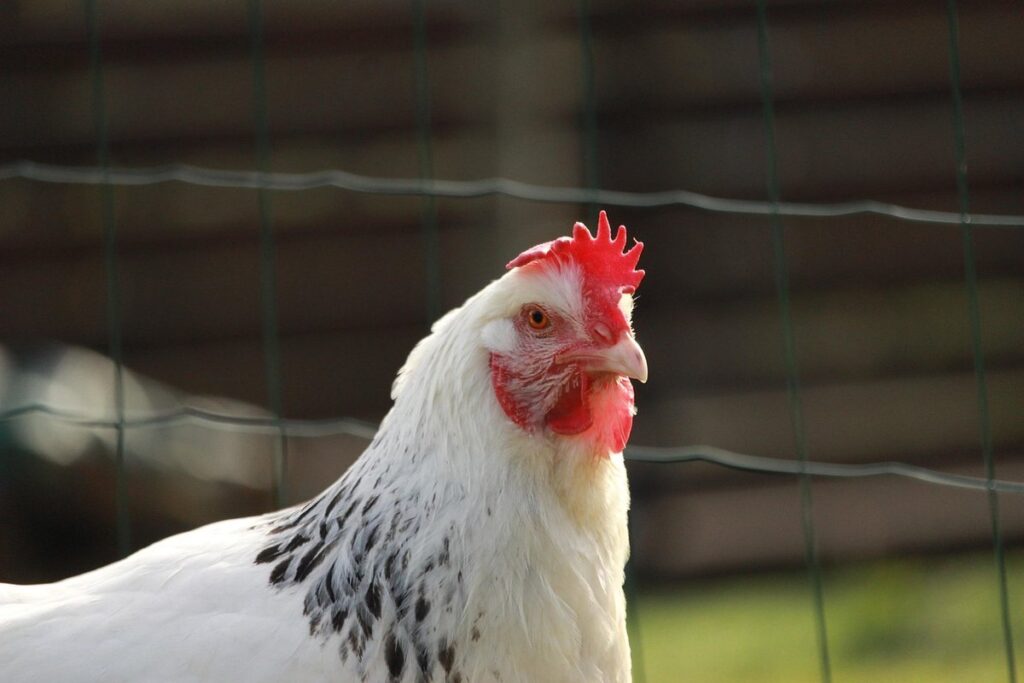
Characteristics and Origins
Let’s dive into what makes Silver Sussex chickens unique, including their fascinating origins and distinct characteristics that set them apart from other breeds.
Origin Story
The Silver Sussex chicken breed has its roots in England, where it was developed in the late 19th century by crossing the Old English Gamecock with other breeds. The goal of this breeding program was to create a bird that excelled in meat production, and the Silver Sussex did not disappoint.
To understand what makes the Silver Sussex unique, let’s take a closer look at its parentage. The Old English Gamecock is known for its impressive size and aggressive nature, while other breeds like the Modern Game and the Cochin contributed their own set of desirable traits, such as hardiness and egg-laying ability.
As a result of this selective breeding program, the Silver Sussex chicken boasts a robust constitution, impressive growth rate, and high-quality meat. In fact, they are one of the fastest-growing breeds in the world, with some individuals reaching maturity in just 16 weeks.
The Silver Sussex was initially bred for its meat production capabilities, but over time, its other traits have made it a popular choice among backyard chicken keepers as well. Its friendly and docile nature makes them an excellent choice for families with children or beginners who are new to raising chickens.
Breed Standards
To understand the ideal characteristics of the Silver Sussex chicken, it’s essential to refer to breed standards set by reputable organizations like the American Poultry Association (APA) and the British Poultry Standards (BPS). According to these guidelines, the male Silver Sussex chicken should weigh between 9.5-11 pounds, while females typically tip the scales at around 8.5-10 pounds. Their plumage is another defining feature – it’s silver-gray in color with a subtle sheen, and should be smooth and glossy.
Their comb type is also noteworthy; males have a single comb that’s medium-sized and rises straight up from the top of their head, while females sport a slightly smaller, more even comb. Eyes are a bright, piercing red in both sexes. As you evaluate potential breeding stock or individual birds for your flock, keep these physical characteristics in mind to ensure you’re selecting Silver Sussex chickens that meet breed standards.
Temperament and Personality
When it comes to the Silver Sussex chicken, one of their most endearing qualities is their unique temperament and distinct personality traits that make them stand out as pets.
Foraging Ability
The Silver Sussex’s foraging ability is an essential aspect of their temperament and personality. As an older breed with a rich history dating back to 19th-century England, they were originally developed as a dual-purpose chicken, exceling at both meat production and foraging. Their ancestors, the Old Sussex chickens, were known for their ability to thrive in free-range environments, scavenging for food and adapting to various climates.
As a result of their breed history, Silver Susseys possess an impressive level of intelligence and curiosity, making them highly skilled foragers. They have a strong instinct to search for food, often seeking out insects, seeds, and grains in their surroundings. This natural ability allows them to be more self-sufficient, reducing the need for constant feeding and supplementation.
To encourage your Silver Sussex’s foraging skills, provide them with access to outdoor spaces where they can freely roam and forage. Introduce a variety of treats and foods, such as sunflower seeds or mealworms, to stimulate their natural instincts. By doing so, you’ll not only be keeping them physically active but also mentally stimulated, ensuring a happy and healthy Silver Sussex flock.
Social Behavior
When it comes to social behavior, Silver Sussex chickens are generally known for their gentle and docile nature. They get along well with other breeds, especially those that are calm and quiet. In fact, they’re often described as being one of the friendliest breeds around.
If you have an existing flock, integrating a new Silver Sussex chicken is relatively easy. Start by introducing them to each other in a neutral area, such as a fenced-off section of your yard or a large aviary. Monitor their behavior and body language for signs of aggression or stress. If necessary, provide separate feeding areas or roosts to give everyone some space.
Some breeders recommend keeping Silver Sussex chickens with calm, quiet breeds like Orpingtons or Brahma. These pairs tend to thrive together and create a harmonious atmosphere in the coop. However, it’s essential to remember that every chicken has its unique personality, so be prepared for potential conflicts if you introduce them to too many new birds at once.
When mixing your flock with Silver Sussex chickens, make sure to provide enough space and resources, such as food and water, to prevent competition and stress. With proper introduction and management, these lovely birds can become cherished members of your backyard flock.
Health and Nutrition
When it comes to keeping Silver Sussex chickens healthy, their specific dietary needs are just as important as providing plenty of space to roam. Let’s take a closer look at what your flock requires for optimal health and nutrition.
Genetic Predispositions
When it comes to the Silver Sussex breed, there are several genetic predispositions that you should be aware of as a responsible breeder or owner. One of the most common issues is feather pecking, where chickens begin to pick at their own feathers due to stress, boredom, or nutritional deficiencies. This can lead to significant health problems and even death if left unchecked.
Cannibalism is another issue that has been reported in Silver Sussex flocks, often occurring when birds are stressed or under pressure. Respiratory problems are also a concern for this breed, with some birds being more prone to conditions such as bronchitis or pneumonia.
To mitigate these issues, it’s essential to provide your Silver Sussex flock with a stimulating environment and plenty of exercise. Ensure they have access to a dust bath, scratching posts, and adequate nesting boxes to reduce stress levels. Additionally, maintain a balanced diet that meets the nutritional needs of your flock. Regular health checks and monitoring can also help you identify any potential problems early on.
Dietary Needs
Silver Sussex chickens are known for their high egg-laying capacity and robust health. When it comes to feeding them a balanced diet, it’s essential to consider their specific nutritional needs.
These birds require a diet rich in protein, especially during the first 18 weeks of life. A minimum of 16% crude protein is recommended, with a mix of vegetable-based proteins like soybean meal and animal-based proteins such as fishmeal. You can also supplement their diet with high-quality commercial feed that meets or exceeds the National Research Council’s (NRC) recommendations.
Calcium is another critical component in a Silver Sussex chicken’s diet. Laying hens need calcium to maintain strong eggshell production, so make sure to provide a source of calcium-rich foods like crushed oyster shells or dark leafy greens. Ensure fresh water is always available, and consider adding a vitamin supplement specifically designed for laying hens.
To maintain optimal health, it’s also essential to avoid overfeeding, as this can lead to obesity and other health issues. A general rule of thumb is to provide about 1-2% of the chicken’s body weight in feed per day. For example, if your Silver Sussex weighs around 4 pounds, you should aim for 0.04-0.08 pounds of feed daily.
Some recommended food options include:
* High-quality commercial layers mash or pellets
* Fruits and vegetables like apples, carrots, and leafy greens
* Insects like mealworms (for a high-protein treat)
Keep in mind that every flock is different, so it’s crucial to monitor their health and adjust the diet accordingly. By providing a balanced and nutrient-rich diet, you’ll help your Silver Sussex chickens thrive and maintain their exceptional egg-laying abilities.
Housing and Environmental Needs
When it comes to providing a happy home for your Silver Sussex chickens, their housing and environmental needs are crucial considerations to ensure they thrive. Adequate space, ventilation, and natural light are essential elements to incorporate into your coop design.
Space Requirements
When it comes to housing and caring for Silver Sussex chickens, one of the most important considerations is providing sufficient space for these active birds. A general rule of thumb is to allocate at least 3-4 square feet of floor space per bird inside a coop or enclosure. However, Silver Susseys are known for their energetic nature and love of exploration, so we recommend even more space if possible.
In an outdoor setting, it’s essential to ensure that your flock has access to ample space to roam freely without feeling cramped. A minimum of 10-15 square feet per bird is recommended for a secure, enclosed area where they can exercise and engage in natural behaviors. The size of the enclosure will also depend on factors such as climate, vegetation, and available sunlight.
Don’t forget about ventilation when building or designing your Silver Sussex housing – it’s crucial to provide adequate airflow to keep the air fresh and prevent ammonia buildup from droppings. A well-designed coop with windows, vents, or other opening features can help maintain a healthy environment for both birds and humans alike. Consider investing in adjustable vents that allow you to control airflow according to changing weather conditions.
Climate Adaptability
When it comes to climate adaptability, the Silver Sussex chicken is surprisingly resilient. These birds are native to England and have been bred for their ability to thrive in a temperate climate with moderate temperatures.
In cold winter conditions, it’s essential to provide extra care for your Silver Sussexx. Ensure they have access to dry bedding and a warm roosting area where they can escape the chill. A simple hay-lined coop or adding some extra insulation can make all the difference. You may also need to consider providing supplemental lighting to ensure their calcium intake, which is crucial for maintaining strong bones in cold weather.
Conversely, when temperatures soar, it’s crucial to provide shade and ventilation for your flock. Set up a shaded area with adequate airflow to prevent heat stress. Ensure they have access to fresh water at all times, and consider using a misting system or sprinklers to keep them cool during extreme heatwaves. By understanding and adapting to the climate conditions in your region, you can help ensure your Silver Sussex chickens stay happy and healthy throughout the year.
Care and Management Tips
To keep your Silver Sussex chickens happy and healthy, you’ll want to learn some essential care and management tips that ensure their well-being. Proper care will also lead to a strong and thriving flock.
Hatching and Brooding
When it’s time to hatch and brood your Silver Sussex chicks, you’ll want to ensure they receive the best possible start in life. The first few weeks are crucial for their development, and with the right approach, you can set them up for a healthy and happy future.
To begin with, make sure you have a safe and warm space for your eggs to incubate. A temperature range of 99-100°F (37-38°C) is ideal during the first two weeks of incubation. You can use an incubator or create a makeshift one using a heat source and a Styrofoam box.
Once the chicks have hatched, it’s essential to provide them with a draft-free area for brooding. A brooder with a temperature range of 90-95°F (32-35°C) will help regulate their body temperature during this critical period. Ensure the brooder is well-ventilated and has adequate space for your chicks to move around.
Initial vaccinations are also crucial at this stage, typically around 6-8 weeks old. Consult with a veterinarian or poultry expert to determine the best course of action for your flock. Regular health checks will also help you identify any potential issues early on.
Integrating with Existing Flocks
When introducing new Silver Sussex birds to an existing flock, it’s essential to do so gradually and under close supervision. This will help minimize stress for both the new and existing birds, reducing the risk of conflict. Start by keeping the newcomers separate from the main flock in a secure enclosure with adequate space for exercise and foraging.
Once you’re confident that the new birds are healthy and settled, begin to integrate them into the main flock over a period of several days or weeks. Begin by allowing visual contact between the groups, then gradually increase interaction through shared feeding areas or controlled access to each other’s enclosures.
Some key tips to keep in mind include:
* Introduce one or two new birds at a time to prevent overwhelming the existing flock
* Monitor body language closely and separate birds if you notice signs of aggression or stress
* Consider adding enrichment activities, such as toys or foraging opportunities, to help alleviate tension
By following these steps, you can minimize disruption to your flock’s social dynamics while promoting harmonious coexistence.
Conclusion
In conclusion, the Silver Sussex chicken is an incredible breed that offers a unique combination of beauty, hardiness, and egg-laying prowess. If you’re considering adding one (or more) of these lovely birds to your flock, don’t hesitate – they’ll reward you with a rich harvest of delicious eggs and plenty of entertainment value. Whether you’re a seasoned chicken keeper or just starting out, the Silver Sussex is an excellent choice for its versatility and gentle nature.
To get the most out of your Silver Sussex chickens, make sure to provide them with ample space to roam and exercise, as well as a balanced diet that includes fresh fruits and veggies. With proper care, these wonderful birds will thrive in your backyard flock, bringing joy and satisfaction to you and your family for years to come.
Frequently Asked Questions
How do I introduce a Silver Sussex chicken to my existing flock?
Introducing a new breed to your flock requires patience and careful planning. Start by keeping the new bird separate for a few days before introducing it to the rest of the flock. Ensure that all birds have adequate space, food, and water during this transition period.
Can Silver Sussex chickens thrive in small backyards with limited space?
Yes, Silver Sussex chickens can adapt well to smaller spaces due to their calm nature and moderate egg-laying ability. However, ensure they receive enough exercise through daily foraging sessions or a securely fenced area for free-range activities.
What are some common health issues associated with Silver Sussex chickens?
Like all breeds, Silver Sussex chickens may be prone to certain health issues. Be aware of potential genetic predispositions such as Marek’s disease and keep your birds on a balanced diet, provide regular vaccinations, and maintain good hygiene practices in the coop and run.
How often should I collect eggs from my Silver Sussex hens?
Silver Sussex hens are prolific layers, producing around 200-220 large brown eggs per year. Plan to collect eggs daily, as this will encourage consistent laying and help you detect any potential health issues early on.
Can I keep Silver Sussex chickens in warmer climates with high temperatures?
While Silver Sussex chickens can tolerate moderate heat, they do best in temperate climates with minimal temperature fluctuations. If keeping them in a warm climate, ensure access to plenty of shade, ventilation, and adequate water supply to prevent heat stress.