
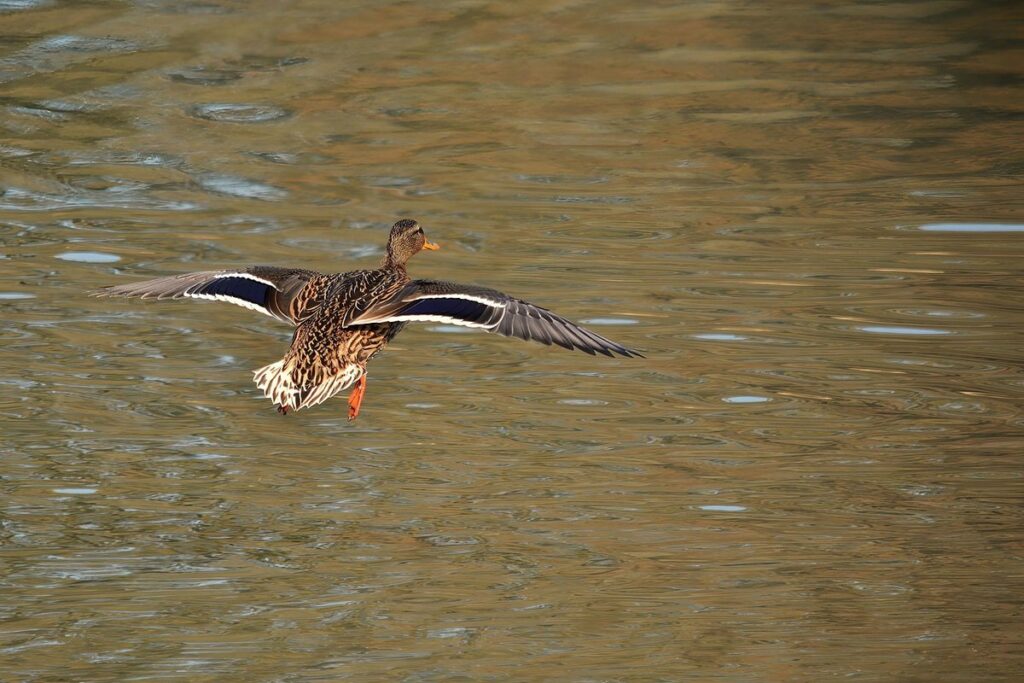
When we think about ducks, many of us assume they all have one thing in common: flight. However, not all duck species are created equal when it comes to soaring through the skies. Runner ducks, with their impressive waddling abilities and energetic demeanor, often leave people wondering – can runner ducks fly at all? As it turns out, their unique anatomy sets them apart from other flying ducks, making their aerial capabilities quite limited. In this article, we’ll explore the fascinating world of runner duck flight performance, discussing the factors that affect their ability to take to the skies and what conservation implications this has for these intriguing birds. By understanding more about their flying abilities, we can better appreciate the importance of preserving these remarkable creatures and their habitats.
What are Runner Ducks?
So, what exactly is a runner duck and how does it differ from other types of ducks? Let’s start by learning more about these unique waterfowl.
Origin and Habitat
Runner ducks originated from Asia and Europe, specifically bred for their ability to forage for food on land. Their natural habitats range from grasslands to wet meadows, allowing them to thrive in environments where water is readily available but not necessarily a dominant feature. In the wild, they can often be found near rivers, ponds, or other small bodies of water.
These adaptable birds have developed distinct physical characteristics that enable them to navigate their surroundings effectively. Their strong legs and webbed feet allow them to wade through shallow waters with ease, making it possible for them to feed on aquatic plants while also avoiding predators. Additionally, their dense feathers provide insulation against cold temperatures, permitting them to roam freely in cooler climates.
The ability of runner ducks to adapt to various environments is a testament to their hardiness and resilience. Their unique characteristics not only aid them in their natural habitats but also contribute to their popularity as domesticated pets and working animals.
Physical Characteristics
Runner ducks have evolved to be incredibly adept at moving on land, which is essential for their ability to thrive in a variety of environments. One key factor contributing to their terrestrial efficiency is their powerful legs. Runner ducks possess strong leg muscles that enable them to cover significant distances quickly and effortlessly.
Their webbed feet are another crucial feature that facilitates movement on land. The webs between their toes act like paddles, allowing the duck to propel itself forward with each step. This unique adaptation enables runner ducks to run at speeds of up to 25 miles per hour, making them some of the fastest birds in their class.
In addition to their impressive legs and webbed feet, runner ducks also have streamlined bodies that reduce air resistance. Their compact size and aerodynamic shape enable them to move with greater agility and speed, further solidifying their reputation as formidable land travelers.
Anatomy for Flight
To understand if runner ducks can truly fly, let’s take a closer look at their unique physical characteristics and what sets them apart from other duck species.
Wing Structure
When it comes to flight, a duck’s wings are its most crucial feature. The anatomy of a runner duck’s wing is quite unique and designed for efficient flying. The primary flight feathers, also known as coverts, cover the leading edge of the wing and play a significant role in lift generation. They’re thicker and more rigid than secondary flight feathers, which are longer and more flexible.
The wing bone structure consists of three main bones: the humerus, radius, and ulna. These bones work together to allow for up-and-down flapping motion, as well as rotation and extension. The keel, a bony plate on the breastbone, serves as an anchor point for powerful flight muscles. This unique wing structure enables ducks to generate lift and thrust with each flap.
However, runner ducks’ wings are slightly different from those of their flying counterparts. Their primary feathers may be shorter or less dense, affecting their ability to fly long distances. Nonetheless, many runner duck breeds still retain sufficient wing anatomy to take to the skies when necessary.
Muscular System
To understand why some ducks can fly while others, like runner ducks, may not, we need to take a closer look at their muscular system. The pectoral muscles are the primary movers of the wings, responsible for flapping and generating lift. These powerful muscles account for about 20% of a duck’s total body weight, making them essential for flight.
In addition to the pectoral muscles, the latissimus dorsi also plays a crucial role in flying. This large, triangular muscle helps to extend and rotate the wing during flapping. When a duck is airborne, its latissimus dorsi contracts to push the wing downward, creating thrust and propelling it forward.
Other key muscles involved in flying include the supracoracoideus and the scapulohumeralis. These smaller muscles work together with the pectoral muscles to control wing movement and maintain stability during gliding and landing. To put this into perspective, a runner duck’s reduced ability to fly is largely due to its weakened pectoral muscles, which are less developed compared to flying ducks. This highlights the importance of proper muscle development for efficient flight.
Can Runner Ducks Actually Fly?
You’re probably wondering if those adorable runner ducks you see at the park can actually fly, and we’ve got some answers for you below. Let’s dive into the flying abilities of these lovable waterfowl.
Comparison with Other Duck Breeds
When it comes to flying abilities, runner ducks aren’t alone among duck breeds. Comparing them to other popular breeds like mallards and wood ducks can give us a better understanding of their aerobatic capabilities.
Mallard ducks, for instance, are known for their impressive flying skills. They’re capable of reaching speeds up to 50 mph and can fly long distances with ease. In contrast, runner ducks tend to be more sluggish in flight, topping out at around 25-30 mph. However, this doesn’t mean they’re completely flightless.
Wood ducks, on the other hand, are highly agile fliers, known for their ability to make sharp turns and quick changes in direction. While they may not be as fast as mallards, their agility is unmatched by most duck breeds. Runner ducks, while lacking the speed and agility of wood ducks, have a unique advantage: their strong, muscular bodies allow them to withstand rough landings and takeoffs.
Ultimately, when it comes to flying abilities, each breed has its own strengths and weaknesses. By understanding these differences, you can better determine whether runner ducks are right for your needs – or if another breed might be more suitable.
Factors Affecting Flight Ability
When it comes to flying, runner ducks are not as adept as their wild counterparts. However, this doesn’t mean they’re completely flightless. Several factors can impact a runner duck’s ability to fly, including age, sex, and overall health.
Younger runner ducks tend to be more agile and have better aerodynamics than older ones, making it easier for them to take to the skies. On the other hand, mature runner ducks might find flying more challenging due to their increased weight and reduced muscle mass.
The sex of a runner duck also plays a role in its flight ability. Males are generally larger than females, which can affect their agility and maneuverability while flying. A healthy runner duck with strong wings and a well-developed respiratory system is more likely to fly successfully.
However, if your runner duck is overweight or has health issues such as respiratory problems or wing injuries, it may struggle to fly or even avoid flying altogether. Regular exercise, a balanced diet, and proper veterinary care can help maintain your runner duck’s overall health and improve its flight ability.
Physiology of Flight
To truly understand why runner ducks fly, we need to dive into their physiology and explore how their bodies are adapted for flight. Let’s examine the unique features that set them apart from other birds.
Energy Requirements
When considering whether runner ducks can fly, it’s essential to understand the energy requirements for flight in ducks. These birds need a substantial amount of oxygen to power their wings and stay aloft. In fact, studies have shown that flying birds require up to 10 times more oxygen than when they’re at rest.
To put this into perspective, let’s consider the calorie expenditure required for flight. A study on migratory waterfowl found that they burn approximately 1-2 calories per second while in flight, which translates to around 3,600-7,200 calories per hour. To give you a better idea of just how much energy is involved, running at a moderate pace for an adult human burns roughly 6-8 calories per minute.
Ducks also require specific physiological considerations when it comes to flying. Their wings must be able to generate enough lift to overcome their body weight, which means they need to flap them rapidly and efficiently. Additionally, ducks have unique respiratory systems that allow them to extract oxygen from the air more effectively than humans do. While runner ducks are bred for speed rather than flight, understanding these energy requirements can help us better comprehend why these birds might struggle to take to the skies.
Aerodynamic Forces
When flying ducks like runner ducks generate lift, drag, and thrust, they’re able to defy gravity. Lift is the upward force that opposes weight, allowing the duck to rise into the air. As a runner duck flaps its wings, it creates an area of lower air pressure above the wing and higher air pressure below, generating lift. This difference in pressure creates an upward force, counteracting the duck’s weight.
Drag, on the other hand, is the resistance that slows down the duck as it moves through the air. To reduce drag, runner ducks have streamlined bodies, which help to minimize airflow disruptions around their bodies. Their wings also play a crucial role, with the shape and angle of attack creating a smooth flow of air over and under them.
Thrust is the forward force responsible for propelling the duck through the air. Runner ducks generate thrust by using their strong chest muscles to flap their wings rapidly. This creates a high-speed airflow over the wing’s surface, producing a net force that pushes the duck forward. By mastering these three aerodynamic forces, runner ducks can soar and glide with incredible agility.
Behavioral Aspects of Flight
Let’s dive into the behavioral aspects of flight, where we’ll explore how runner ducks’ flying habits are influenced by their natural instincts and environments. We’ll examine what motivates them to take to the skies.
Migration Patterns
Runner ducks are known to be migratory birds, although they don’t cover long distances compared to other waterfowl species. These birds typically migrate within a specific range, usually between 200-500 miles, depending on their breeding and wintering grounds.
It’s worth noting that runner ducks are not as skilled at flying as some of their relatives, such as the wood duck or merganser. They tend to fly low over water, often at speeds ranging from 30-50 km/h (18-31 mph). In some cases, they may reach altitudes up to 1,000 feet above sea level.
Despite their limited flying abilities, runner ducks can cover considerable distances when migrating between their breeding and wintering grounds. Their migratory patterns are typically tied to the availability of food sources and suitable habitats for raising their young. For example, a study on runner duck migration patterns in Europe found that these birds travel an average distance of 250 miles (400 km) during their spring migration.
It’s essential to remember that while runner ducks can fly short distances when necessary, they are generally more comfortable waddling along the ground or swimming in water.
Social Behavior and Communication
When flying runner ducks are in groups, they exhibit fascinating social behavior that’s worth noting. In their natural habitat, you’ll often spot them flocking together in large numbers, sometimes numbering up to several dozen individuals. This communal behavior serves as a defense mechanism against predators and also provides benefits like shared knowledge of food sources and mating opportunities.
One of the key ways flying runner ducks communicate is through vocalizations. They make a variety of sounds, including loud quacks, whistles, and grunts, which help convey information about their intentions, emotions, and status within the group. Visual displays are also used to communicate, with ducks engaging in elaborate courtship rituals that involve preening, bowing, and other displays of plumage.
In terms of flocking patterns, flying runner ducks often form V-shaped formations during migration or when foraging. This allows them to conserve energy while flying and also makes it easier for individuals at the front of the formation to scout out potential threats. When interacting with each other within their flocks, flying runner ducks will also engage in gentle nuzzling and preening behavior, which helps strengthen social bonds and reinforce dominance hierarchies.
Conclusion
As we’ve explored the unique characteristics of runner ducks, it’s time to summarize the key takeaways from our discussion on whether these lovable birds can actually fly. Let’s wrap up what we’ve learned together!
Summary of Key Points
In reviewing our discussion about runner ducks and their flying abilities, it’s clear that these birds possess unique characteristics that enable them to take flight. Their wings are relatively long compared to other duck species, allowing for efficient lift-off and soaring capabilities. Additionally, the skeletal system of runner ducks is slightly different from those of non-flying waterfowl, providing a more robust framework for flying.
Their lightweight bodies also contribute significantly to their ability to fly. Runner ducks typically weigh between 2-4 pounds, which makes them agile in the air. Furthermore, their speed can reach up to 50 mph when gliding or diving, showcasing their remarkable aerial abilities. While factors such as weather conditions and wind resistance impact flight capabilities, runner ducks have adapted well to these elements.
In conclusion, combining their specialized physical attributes with an environment that encourages flying has led to the development of a highly adaptable species capable of navigating the skies with ease.
Implications for Conservation
As we’ve explored the flying abilities of runner ducks, it’s essential to consider the implications for conservation efforts. Habitat preservation is a crucial aspect of ensuring the survival of these fascinating waterfowl. Wetlands and grasslands provide ideal habitats for runner ducks, but they’re facing increasing threats from human activities such as drainage, urbanization, and agricultural development.
Hunting regulations also play a significant role in the conservation of runner duck populations. Excessive hunting can deplete their numbers, making it challenging to maintain healthy populations. In some regions, hunting seasons are implemented to regulate the population size and prevent overhunting. It’s essential for hunters to adhere to these regulations and respect the delicate balance between human activities and wildlife preservation.
Conservation efforts should also focus on education and community engagement. Raising awareness about the importance of preserving habitats and regulating hunting practices can encourage local communities to take action in protecting runner duck populations. By working together, we can ensure the long-term survival of these magnificent birds.
Frequently Asked Questions
Can I keep runner ducks as pets if they can’t fly well?
Yes, runner ducks are wonderful pets! Their limited flying ability makes them a great choice for backyard farms or families with small children. With proper care and attention to their habitat needs, they can thrive in a domestic setting.
How do I ensure my runner ducks get enough exercise despite their flight limitations?
Runner ducks need regular movement to stay healthy, so provide them with ample space to roam and engage in physical activities like swimming, running, or even playing fetch! You can also create a foraging area where they can search for food on land.
What are some potential health issues related to runner ducks’ limited flight ability?
Runner ducks might be prone to certain health issues due to their unique physiology. Regular veterinary check-ups and maintaining a balanced diet can help prevent or manage conditions like obesity, joint problems, or cardiovascular disease.
Can I breed my own runner ducks for a stronger flying ability?
Breeding programs aim to improve specific traits in birds, but altering the fundamental anatomy of a runner duck to enhance its flight abilities might not be feasible. It’s essential to understand that their unique characteristics are a result of selective breeding for other purposes, such as foraging on land.
How can I support conservation efforts for runner ducks and their habitats?
Supporting local wildlife sanctuaries or participating in habitat restoration projects can directly benefit runner duck populations. Additionally, spreading awareness about the importance of preserving natural environments and adapting to changing climate conditions will contribute to their long-term survival.