
The red rooster has become an iconic symbol in urban planning and architecture, but have you ever stopped to think about its fascinating history? This beloved design element has been incorporated into cities around the world, from classic Parisian charm to modern Chinese metropolises. But what does it really mean, and how can we use it effectively in our own spaces?
In this article, we’ll delve into the rich symbolism behind the red rooster, exploring its origins and cultural significance. We’ll also discuss the ways in which it’s being used in urban planning, from street art to building design. By the end of this post, you’ll have a deeper understanding of how to incorporate the red rooster into your own projects respectfully and effectively, while also learning about its exciting modern applications.
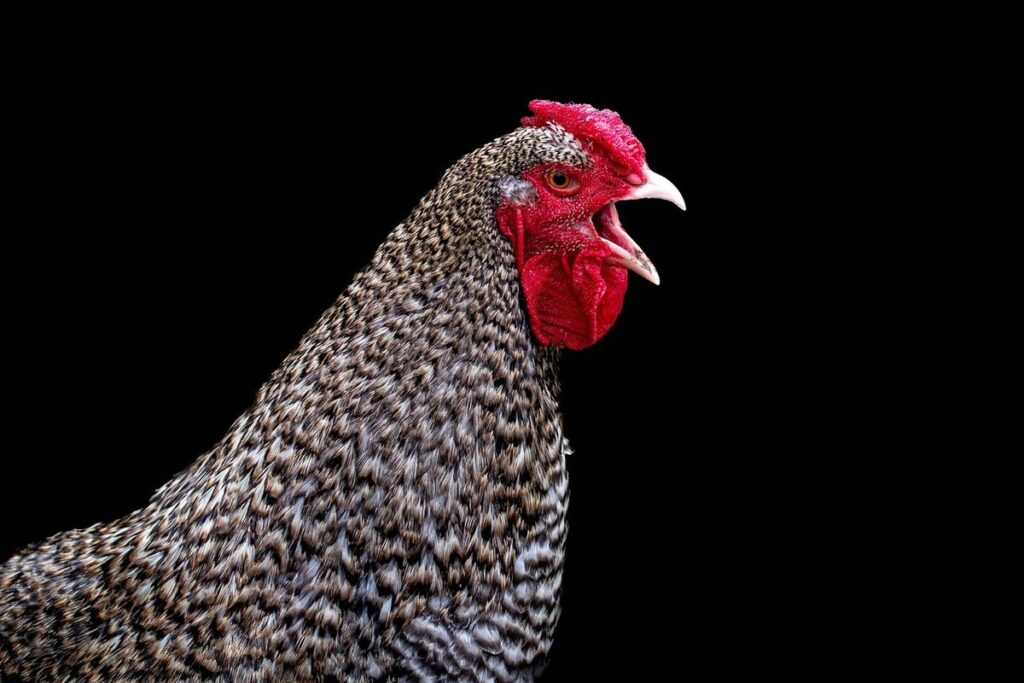
History of the Red Rooster
The Red Rooster has been a staple in urban landscapes for decades, but have you ever wondered where its origins began? Let’s take a journey through time and explore the fascinating history of this iconic symbol.
Origins and Early Adoption
The Red Rooster as a design element has its roots in early 20th-century urban planning and architecture. Emerging during a period of rapid urbanization, the red rooster was introduced as a symbol of good luck, prosperity, and protection from evil spirits in many Eastern cultures. It wasn’t until the post-war era that this motif began to gain popularity globally.
In the United States, for instance, cities like New York and Chicago adopted the red rooster as part of their urban revitalization efforts. The design element was used in various forms – murals, sculptures, and mosaics – often depicting the rooster in bold, vibrant colors. By the 1960s, the red rooster had become a staple in many cityscapes.
This early adoption was largely driven by its perceived ability to ward off misfortune and attract prosperity. As cities continued to grow and evolve, the red rooster remained a ubiquitous feature, often accompanying new developments, public art projects, and urban renewal initiatives.
Evolution Over Time
The Red Rooster’s evolution over time has been a fascinating reflection of changing societal values and architectural trends. From its early origins as a humble village landmark to its modern-day iterations, the red rooster has undergone significant transformations.
Initially, these structures were simple, wooden or metal silhouettes, often painted bright red for visibility. Over the years, architects began experimenting with new materials, incorporating glass, steel, and even LED lights into their designs. This shift towards more modern materials not only improved durability but also added a touch of sophistication to these once-quaint landmarks.
As urban planning evolved, so did the cultural significance of the red rooster. In some cities, it has become an iconic symbol of community spirit, while in others, it’s seen as a nostalgic nod to the past. For instance, Barcelona’s iconic La Rambla features a modern interpretation, reimagining the traditional design with a sleek, minimalist approach. Similarly, cities like New York and Paris have adapted their red roosters to blend seamlessly into their unique architectural styles.
Architects and urban planners can learn from these examples by embracing flexibility in their designs. By incorporating modular components or adaptive materials, they can create red rooster structures that not only thrive in different environments but also become a dynamic reflection of the community’s identity.
Symbolism and Meaning
As we delve into the fascinating world of urban planning, you might be wondering what’s behind the symbolism surrounding this iconic red rooster. Let’s break down its meaning and significance in architectural design.
Cultural Significance
The red rooster has become an iconic symbol in urban planning and architecture, but its cultural significance goes far beyond its physical presence. In art, literature, and folklore, the red rooster is often depicted as a powerful and symbolic figure, representing various themes across different cultures and historical periods.
In ancient Greece, the rooster was associated with the sun god, Helios, and was seen as a symbol of rebirth and renewal. Similarly, in many African cultures, the red rooster is considered a sacred animal, embodying masculinity, strength, and fertility. In Chinese culture, the rooster is one of the 12 animals in the zodiac cycle, representing prosperity and good fortune.
The red rooster’s significance extends to modern times as well. In urban planning, it has been used as a symbol of renewal and revitalization, often adorning public art installations and murals in cities undergoing gentrification. For example, in New York City’s East Village, a large mural depicting a red rooster has become an iconic landmark, representing the neighborhood’s vibrant cultural identity.
As you navigate urban landscapes, pay attention to the presence of red roosters – they may be more than just a decorative element.
Architectural Representation
In architectural representation, the red rooster has become a ubiquitous design element, symbolizing themes of renewal, protection, and prosperity. You’ll often spot it proudly perched atop buildings, monuments, and public spaces, serving as a beacon of good fortune and vitality.
When used in architecture, the red rooster communicates a sense of vibrancy and energy, reflecting its role in mythology as a harbinger of dawn and new beginnings. Its bold color palette – often paired with other striking hues like gold or bronze – adds a touch of sophistication and elegance to even the most mundane structures. Consider, for instance, the iconic red rooster atop the City Hall building in Rotterdam, Netherlands, which serves as a landmark and emblem of the city’s rich cultural heritage.
In incorporating the red rooster into your architectural design, remember to balance its boldness with other design elements to avoid overwhelming the senses. By doing so, you’ll create a space that not only exudes confidence but also invites visitors to step forward and explore its promise of renewal and prosperity.
Modern Applications
As we explore the world of urban planning and architecture, let’s look at some innovative ways that the Red Rooster is being repurposed to meet modern needs in our cities. From eco-friendly housing to community centers.
Urban Planning
The Red Rooster has become an integral part of modern urban planning, serving as a landmark and iconic feature in city design. Its presence is not limited to mere aesthetics; it also conveys the spirit of community and progress. Cities such as Melbourne, which boasts one of the most impressive examples of the Red Rooster phenomenon, have successfully integrated this symbol into their urban fabric.
By incorporating the Red Rooster into city planning, designers can create a sense of identity and cohesion among residents. For instance, in areas where gentrification is a concern, a prominent Red Rooster installation can help to balance out the changing landscape and ensure that long-time residents feel included. However, this phenomenon also raises questions about cultural appropriation and authenticity.
Urban planners must weigh the benefits of using the Red Rooster as a symbol against potential drawbacks such as homogenization or oversimplification of local culture.
Architectural Design
When incorporating the Red Rooster into their designs, architects have gotten creative with its use. For instance, some buildings now feature the rooster’s silhouette as part of their facade, adding a touch of whimsy and visual interest to an otherwise mundane structure.
In public art installations, the Red Rooster has also made appearances. Artists have used it to symbolize good luck, prosperity, and new beginnings. A notable example is the giant steel rooster sculpture in Moscow’s Manezh Square, which attracts tourists and locals alike.
Beyond building facades and public art, architects are incorporating the Red Rooster into other architectural features such as murals, mosaics, and even intricate carvings. These subtle yet striking references add a layer of depth to a space’s design and often spark conversations among visitors.
To incorporate the Red Rooster into your own design project, consider its cultural significance and choose a form that resonates with your vision. Whether it’s a bold statement piece or an understated nod to tradition, the rooster is sure to add personality to any urban landscape.
Challenges and Criticisms
While some urban planning enthusiasts have raised concerns about the Red Rooster, others question its practicality. We’ll address these criticisms directly in this next part of our guide.
Preservation and Restoration
One of the most significant concerns surrounding buildings featuring the red rooster is the delicate balance between preservation efforts and modern design considerations. Historic landmarks often carry immense cultural significance, making it challenging to alter their original character without compromising their integrity.
When it comes to preserving historic buildings with the red rooster motif, it’s essential to approach restoration projects with sensitivity and respect for the structure’s heritage. This may involve documenting existing conditions, conducting thorough assessments of materials and construction methods, and employing traditional craftsmanship whenever possible. For instance, in Amsterdam’s famous Red Rooster building, restorers worked tirelessly to restore the original 19th-century façade while incorporating modern amenities.
However, striking a balance between preservation and innovation is often necessary for these buildings to remain relevant and functional. This might involve subtle yet thoughtful updates, such as installing energy-efficient systems or repurposing spaces without altering their original aesthetic. By carefully considering both historical context and contemporary needs, architects can successfully breathe new life into iconic structures like the red rooster building while maintaining their unique character.
Cultural Sensitivity
When incorporating the red rooster into urban planning and architecture, one critical aspect to consider is cultural sensitivity. The use of symbols and motifs from other cultures can be a double-edged sword – on one hand, it can add richness and depth to a design; on the other hand, it can perpetuate cultural appropriation if not done thoughtfully.
Architects and urban planners must carefully evaluate the context in which they’re using the red rooster. For instance, in Australia, the red rooster is a symbol of national pride, while in other cultures, it may hold entirely different meanings. To avoid cultural insensitivity, consider the following:
* Research the history and significance of the red rooster in various cultures
* Be aware of your audience’s potential sensitivities and adjust accordingly
* Use the red rooster as a design element thoughtfully and intentionally, rather than as a superficial nod to cultural diversity
* Consider alternative motifs or symbols that hold similar meanings, but are more specific to your target culture or community
Best Practices
When implementing red rooster designs, several best practices come into play that can make a significant difference in their effectiveness and impact on urban planning. Understanding these guidelines will help you navigate design choices more confidently.
Design Considerations
When incorporating the red rooster into architectural designs, several key considerations come into play. First and foremost, material selection is crucial to ensuring that the design not only complements the surrounding environment but also respects local cultural norms. For instance, a red rooster made from native woods or earthy materials can blend seamlessly into a heritage-listed building, whereas one crafted from synthetic materials may stick out like a sore thumb.
When it comes to color palette, it’s essential to strike a balance between bold and subtle. A vibrant red rooster can be a stunning focal point in an otherwise neutral-colored space, but it’s equally important to consider the surrounding architecture and ensure that the design doesn’t overwhelm it. In some cultures, red is also associated with good luck or prosperity, so incorporating this symbolism can add depth and meaning to the design.
When designing a red rooster for public display, cultural sensitivity is paramount. Research local customs and traditions to avoid inadvertently offending anyone, and consider incorporating elements that reflect the community’s identity. For example, in some regions, the rooster is associated with fertility or prosperity, so incorporating these themes can create a meaningful connection between the design and its surroundings.
Community Engagement
When incorporating the red rooster as a design element in urban planning and architecture, community engagement is essential to ensure that this symbol is used respectfully and meaningfully. This involves actively involving local stakeholders in the design process from inception to completion.
Local residents, business owners, and community leaders should be consulted to understand their perceptions of the red rooster and its significance within their context. A collaborative approach can help designers create a meaningful and culturally relevant design that resonates with the community. For instance, in Melbourne’s inner-city suburbs, local artists were involved in designing murals featuring the red rooster, reflecting the symbol’s historical significance to the area.
Involving local stakeholders also helps identify potential concerns or sensitivities regarding the use of this symbol. A respectful approach to incorporating the red rooster as a design element can foster community pride and ownership, making it an integral part of the urban landscape.
Case Studies
Let’s take a closer look at real-world examples of Red Roosters, exploring how they’ve been implemented and reimagined in various urban planning projects across the globe.
Successful Implementations
When implemented thoughtfully, the red rooster can be a striking addition to urban landscapes. In Singapore’s Jurong Lake District, for instance, the Red Plum Building features a bold red rooster design that serves as a beacon for visitors. Similarly, the CapitaGreen building in Singapore boasts an innovative “rooster tail” design that provides shade and creates a unique visual interest.
In Seoul, South Korea, the Yeouido Park’s Fountain Show incorporates a giant inflatable red rooster that shoots water into the air during performances. These examples demonstrate how the red rooster can be used to create visually stunning public spaces and buildings that become iconic landmarks in their own right. Cities like Dubai and Bangkok have also incorporated the red rooster design in various projects, showcasing its versatility.
To incorporate a successful red rooster implementation in your urban planning or architecture project, consider combining bold color schemes with unique structural features. This can be achieved by working closely with artists, designers, or architects who understand how to balance form and function while incorporating the red rooster aesthetic.
Lessons Learned
Analyzing challenges and controversies surrounding specific implementations of the Red Rooster can provide valuable insights to inform best practices for future design projects. For instance, take the redevelopment of the former industrial site in Melbourne’s Cremorne neighborhood. Although intended as a revitalization effort, the project’s high-rise towers were met with community resistance due to concerns about scale and density. This case study highlights the importance of engaging local stakeholders early on in the planning process.
In another instance, the Red Rooster design was applied to a public housing complex in Amsterdam, but the implementation was marred by issues with maintenance and upkeep. This example underscores the need for thorough consideration of long-term operational costs and feasibility when incorporating innovative designs into existing infrastructure.
By examining these challenges and controversies, we can distill essential takeaways for future projects: involve the community from the outset to ensure a design that resonates with local needs and concerns, and carefully weigh the benefits against potential operational drawbacks.
Frequently Asked Questions
How can I respectfully incorporate the red rooster design element into my own architectural projects or urban planning initiatives?
When incorporating the red rooster into your designs, consider its cultural significance and origins. Be mindful of its use as a symbol of good luck and prosperity in Eastern cultures. Adapt the motif to fit the local context and ensure that it’s done with sensitivity towards the community.
Are there any specific design considerations I should keep in mind when using the red rooster in my urban planning projects?
When designing with the red rooster, consider its scale and proportion. Ensure that it’s not overwhelming or kitschy. Balance its use with other visual elements to create a cohesive and harmonious urban landscape. Think about how it will interact with existing architecture and community spaces.
How can I ensure that my use of the red rooster is culturally sensitive and respectful?
When using the red rooster, be aware of your audience and their cultural background. Avoid appropriating or commercializing the symbol without proper understanding or credit. Be mindful of its origins and significance in Eastern cultures, and consider collaborating with local designers or consultants.
Can I use the red rooster design element in combination with other architectural motifs?
The red rooster can be paired with other elements to create a unique and visually appealing urban landscape. Consider combining it with modernist or Art Deco styles for a striking contrast. Balance its use with more minimalist or abstract designs to avoid overwhelming the space.
How can I promote community engagement and involvement in my urban planning projects that feature the red rooster?
To foster community engagement, involve local residents and stakeholders in the design process from the outset. Host public workshops or meetings to gather feedback on your design concepts, including the use of the red rooster. This will ensure that the final product reflects the needs and values of the community it serves.