
If you’re looking to add some new friends to your backyard flock or family farm, you might want to consider the lovable Silver Sussex hen. This charming breed is known for its friendly and docile nature, making them a great choice for families with children or for those who just want to enjoy some good company from their feathered friends. But that’s not all – Silver Sussex hens are also high egg producers, laying around 200-220 brown eggs per year. Whether you’re a seasoned farmer or just starting out, learning about the Silver Sussex hen can be a game-changer for your backyard flock. In this article, we’ll delve into the unique characteristics of this breed and provide tips on how to care for them, so you can bring home one (or more!) of these lovable hens and enjoy the benefits of raising Silver Sussex chickens.
Introduction to the Silver Sussex Hen
Welcome to our comprehensive guide, where we’ll introduce you to the wonderful world of the Silver Sussex hen, a versatile and charming breed perfect for backyard flocks. Let’s start with the basics!
History and Origins of the Silver Sussex Breed
The Silver Sussex breed has its roots in England, where it was first developed in the 19th century. The primary objective behind its creation was to produce a dual-purpose bird that excelled both as a laying hen and as meat for the table. This vision led to the combination of native Sussex fowl with other breeds, such as the Leghorn and the Minorca.
As a result, the Silver Sussex breed emerged with its unique characteristics: sleek silver-gray plumage, medium size, and impressive egg-laying abilities. The breed’s creators also emphasized its friendly temperament, which made it an excellent choice for backyard chicken keepers who wanted a low-maintenance yet productive bird.
Interestingly, the Silver Sussex was one of the first breeds to be recognized by the Poultry Club of Great Britain in 1874. Its popularity soon spread across the globe, with many countries adapting the breed to suit their local climate and needs. Today, the Silver Sussex remains a sought-after choice for small-scale farmers and backyard enthusiasts alike, prized for its adaptability and robust health.
Physical Characteristics of the Silver Sussex Hen
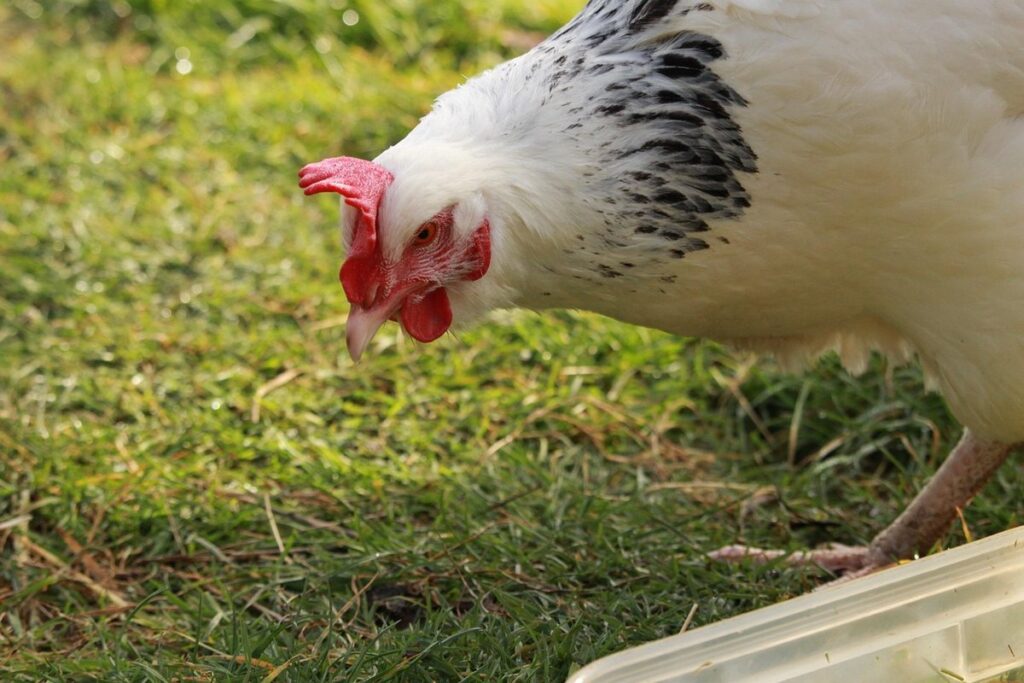
One of the most recognizable features of the Silver Sussex Hen is its stunning appearance. These hens boast a beautiful silver-gray plumage that’s not only visually appealing but also quite durable. The breed’s feathers are relatively soft to the touch, which makes them easy to handle and maintain.
In terms of size, Silver Sussex Hens are considered medium-sized birds, with an average weight range of 6-8 pounds (2.7-3.6 kg). Their compact stature makes them well-suited for smaller backyard flocks or even urban settings where space is limited. One of the most distinctive features of this breed, however, is its unique earlobe structure. Unlike many other breeds, Silver Sussex Hens have small to moderate-sized earlobes that are either lopped or partially feathered.
Their overall build is sturdy and robust, with a slight inclination towards being slightly longer than they are tall. This blend of compact size and robust build makes them an excellent choice for homesteaders and backyard chicken keepers who value eggs over meat production.
Temperament and Personality of the Silver Sussex Hen
When it comes to temperament, silver sussex hens are known for their friendly and docile nature, making them a great choice for families and first-time backyard flock owners. They’re also surprisingly easy-going.
Friendliness and Docility of the Silver Sussex Hen
One of the most endearing characteristics of the Silver Sussex Hen is its exceptional friendliness and docility. These birds are renowned for their calm demeanor, making them a perfect choice for families with children or for experienced backyard chicken keepers who want to enjoy a stress-free flock.
In contrast to some other breeds, the Silver Sussex Hen is remarkably tolerant and affectionate towards humans. They thrive on interaction and attention, often seeking out human company by pecking at their legs or following them around the yard. With proper socialization from an early age, these hens can become incredibly loyal and loving companions.
Their docile nature also makes them easy to handle, even for children who are new to chicken-keeping. They are surprisingly light and manageable, allowing for a stress-free experience when collecting eggs or performing routine care tasks. By building trust through regular handling and interaction, you can create a lifelong bond with your Silver Sussex Hens that brings immense joy and satisfaction.
Suitability for Backyard Flocks and Family Farms
If you’re considering keeping Silver Sussex hens for a small-scale backyard flock or family farm, their social needs and requirements are essential to consider. These gentle birds thrive on human interaction and attention, making them an excellent choice for families with children or for those who want a more personal connection with their poultry.
In terms of social structure, Silver Sussex hens are known to be friendly and docile, getting along well with other breeds, especially if introduced at a young age. However, like any flock, they do require some separation from their human family members to prevent over-familiarization and maintain respect for personal space.
To ensure the Silver Sussex hen’s social needs are met, consider providing a minimum of 5-6 hens per flock to promote natural behavior and social interaction. With adequate space, fencing, and shelter, these hens can live happily alongside other farm animals or pets, making them an excellent choice for those looking to create a harmonious homestead ecosystem.
Regular interaction and enrichment activities will keep your Silver Sussex hens stimulated and engaged, reducing stress and boredom. By understanding their social needs, you’ll be able to provide the perfect environment for these charming birds to thrive in your backyard or family farm.
Egg-Laying Ability and Production
When it comes to their egg-laying ability, Silver Sussex hens are known for producing a decent number of large brown eggs throughout the year. In fact, they can lay up to 200 eggs per year, on average.
Average Annual Egg Production of the Silver Sussex Hen
One of the most impressive aspects of the Silver Sussex hen is its remarkable egg-laying ability. On average, a healthy Silver Sussex hen can produce around 200-220 eggs per year, with some exceptional birds laying as many as 240 eggs annually. This is no small feat, especially considering the breed’s relatively moderate size and gentle temperament.
In comparison to other popular breeds, the Silver Sussex hen’s egg production is quite impressive. For example, the Leghorn breed, known for its high egg-laying capacity, averages around 280-300 eggs per year. However, the Silver Sussex hen makes up for its slightly lower numbers with its rich, dark-brown eggs, which are often preferred by chefs and cooks for their robust flavor and texture.
If you’re considering raising Silver Sussex hens on your farm or homestead, it’s essential to provide them with a balanced diet and plenty of space to roam. By doing so, you can help maximize their egg-laying potential and enjoy a steady supply of fresh, delicious eggs throughout the year.
Egg Size, Shape, and Color
When it comes to egg production, Silver Sussex hens are known for their exceptional laying abilities. But what about the quality and characteristics of their eggs? One thing’s for sure: these birds lay some of the most desirable eggs out there.
On average, a Silver Sussex hen will produce large to extra-large eggs that are around 64-70 grams in weight. The shape is typically round or slightly oval, making them ideal for baking and cooking. In terms of color, you can expect your Silver Sussex eggs to be a beautiful shade of light to medium brown.
It’s worth noting that the eggshell thickness is also quite good, which helps prevent breakage during handling. This, combined with their size and shape, makes Silver Sussex eggs perfect for decorating or using in recipes where presentation matters. When collecting eggs from your Silver Sussex flock, you can expect a steady supply of large, high-quality eggs that will impress both your family and friends.
Health Considerations for the Silver Sussex Hen
When it comes to keeping your Silver Sussex hens happy and healthy, there are some key health considerations to keep in mind, especially as they age. Regular monitoring is crucial to prevent health issues.
Common Health Issues Affecting the Breed
As you care for your Silver Sussex hens, it’s essential to be aware of the common health issues that can affect this breed. One major concern is their susceptibility to diseases such as Marek’s disease and infectious bronchitis. These viral illnesses can cause a range of symptoms, from respiratory problems to neurological issues.
Genetic disorders are also prevalent in Silver Sussex hens. One notable condition is hyperglycemia, a metabolic disorder that affects the bird’s ability to regulate blood sugar levels. This can lead to a range of health complications if left untreated.
It’s crucial to maintain strict biosecurity measures and regular vaccinations to minimize the risk of disease transmission within your flock. Regular health checks by a veterinarian can also help identify any underlying issues early on, enabling you to take preventative action and provide the best possible care for your hens. Keeping accurate breeding records is also vital in identifying genetic disorders that may be linked to specific bloodlines.
By being proactive and informed about these potential health risks, you can minimize the likelihood of your Silver Sussex hens developing serious health issues.
Nutrition and Dietary Requirements for Optimal Health
To maintain the optimal health of your Silver Sussex hen, it’s essential to provide her with a balanced and nutritious diet. These hens are prone to obesity, so it’s crucial to monitor their food intake carefully. A good starting point is to offer a high-quality layer feed as the main staple of their diet. However, you should also supplement this with fresh fruits and vegetables daily.
Some essential nutrients that your Silver Sussex hen needs include protein, calcium, and vitamin D3. You can provide these through oyster shells or crushed eggshells, which are rich in calcium, as well as dark leafy greens like kale and spinach. Ensure that your hens have access to fresh water at all times.
A healthy digestive system is also vital for maintaining the overall health of your Silver Sussex hen. To achieve this, provide a mix of both grass-based and grain-based feeds. You can also offer probiotics or yogurt as an additional supplement to support gut health. By following these dietary guidelines, you’ll be well on your way to keeping your Silver Sussex hen in top condition.
Housing and Environmental Considerations for the Silver Sussex Hen
When it comes to keeping your Silver Sussex hens happy and healthy, their housing and environmental needs are crucial considerations. A suitable coop and outdoor space can make a big difference in their well-being.
Space and Housing Needs of the Breed
When it comes to housing and environmental considerations for Silver Sussex hens, one of the most critical factors is providing them with sufficient space to move around. As a general rule, a good starting point is to provide at least 2-4 square feet of floor space per hen inside the coop, and a minimum of 8-10 square feet of outdoor run space per bird.
In addition to space requirements, proper ventilation is also essential for maintaining a healthy environment. Silver Sussex hens thrive in well-ventilated areas with plenty of natural light. Ensure that your coop has adequate airflow by installing windows, vents, or other openings to allow fresh air to circulate. You should aim to replace the air inside the coop at least three to four times per hour.
To prevent moisture buildup and related health issues, make sure the coop is well-drained and dry. A slight slope or a drainage system can help keep the area clean and comfortable for your hens. By considering these factors and providing a suitable environment, you’ll be able to keep your Silver Sussex hens happy and healthy.
Outdoor Access and Enrichment Opportunities
Providing outdoor access and enrichment opportunities is essential for Silver Sussex hens to maintain their physical and mental health. A minimum of 6 hours of free-range time daily can help them exercise, forage, and engage in natural behaviors like scratching and dust bathing. To encourage this, consider creating a secure enclosed area or “run” where your hens can roam freely.
For enrichment opportunities, provide a variety of activities that challenge their minds and bodies. For instance, hide treats or toys around the enclosure to stimulate their sense of smell and problem-solving skills. You can also offer perches, ladders, or bridges for them to climb on, promoting exercise and mental stimulation.
Another crucial aspect is providing a varied environment. Rotate plants, trees, and shrubs seasonally to keep your hens engaged and interested in exploration. Adding new features like sand pits, mud baths, or shallow pools can also provide novel experiences. Be sure to observe your hens’ preferences and adapt their environment accordingly to ensure they remain stimulated and happy.
Breeding and Raising Silver Sussex Chicks
Raising Silver Sussex chicks can be a fun and rewarding experience, but it requires attention to specific needs and care. This guide will walk you through the process of breeding and raising these adorable chicks.
Sexing and Sex-Linked Traits in Chicks
Sexing and sex-linked traits can be a challenge when it comes to Silver Sussex chicks. As a breeder, understanding these characteristics is crucial for selecting the right birds for your flock. Sexing refers to determining whether an individual chick is male or female, while sex-linked traits are characteristics that differ between males and females.
When it comes to Silver Sussex chickens, there are specific sex-linked traits you should be aware of. The breed’s plumage color, for instance, can give away the sex: females tend to have a darker, more intense grayish-brown coat, while males display a lighter, silvery-gray plumage. Another way to sex your chicks is by observing their comb and wattle development: females typically grow these features faster than males.
Another method is to look for differences in feather growth rates: females will generally develop feathers on the underside of their wings and tail first, whereas males tend to show a more even distribution of feathers across their body. Keep in mind that while these traits can give you an idea of your chick’s sex, they’re not always reliable.
To accurately determine the sex of your chicks, you can perform a visual examination at around 6-8 weeks old. Make sure to handle them gently and observe from multiple angles to avoid misidentification. It’s also essential to remember that some Silver Sussex females may exhibit lighter or more silvery-gray plumage, making identification even more challenging.
In any case, sexing your chicks will help you make informed decisions about breeding pairs and ensure a healthy balance of male-to-female birds in your flock. By paying attention to these sex-linked traits and using visual examination methods, you’ll be well on your way to successfully raising Silver Sussex chickens.
Tips for Successful Brooding and Raising Chicks
When it comes to successfully brooding and raising Silver Sussex chicks, attention to detail is crucial. First and foremost, you’ll need to ensure a safe and comfortable environment for your new arrivals. This means maintaining an optimal temperature range of 90-100°F (32-38°C) for the first week or so, gradually decreasing it by 5°F (3°C) every few days until they’re around 6 weeks old.
In terms of feeding, Silver Sussex chicks require a high-quality starter feed that’s rich in protein and calcium. You can supplement with oyster shells to support their beak development and overall health. Make sure to provide fresh water at all times, and consider adding a shallow dish for grit to help them digest their food more efficiently.
Monitor your chicks’ growth and adjust feeding accordingly – you may need to switch to grower feed around 4-6 weeks of age. Be on the lookout for signs of stress or illness, such as labored breathing or loss of appetite, and seek advice from a veterinarian if necessary. With proper care and attention, your Silver Sussex chicks will thrive under your watch.
Conclusion: Why the Silver Sussex Hen is a Great Addition to Your Flock
Now that you’ve learned all about the unique characteristics and benefits of the Silver Sussex hen, let’s summarize why it’s an excellent choice for your backyard flock. We’ll highlight its advantages in a nutshell.
Recap of Key Points
To summarize our comprehensive guide to the Silver Sussex Hen, let’s revisit some of the key points that make this breed an excellent addition to your flock.
One of the standout features of the Silver Sussex Hen is its friendly and docile nature, making it an ideal choice for backyard farmers with families or small children. We discussed how their gentle disposition allows them to thrive in a variety of settings, from small backyards to large commercial farms.
The breed’s impressive egg-laying abilities were also highlighted, with some hens producing up to 300 large brown eggs per year. This makes the Silver Sussex Hen an excellent choice for those seeking a reliable and productive layer.
In terms of maintenance, we covered how their short, smooth coats require minimal upkeep, reducing the need for frequent grooming or bathing. Additionally, we discussed the importance of proper nutrition and health care to ensure your Silver Sussex Hens remain healthy and thrive throughout their lifespan.
Final Thoughts on Choosing the Right Breed for You
As you’ve reached the end of our comprehensive guide to the Silver Sussex hen, it’s time to think about what we’ve discussed and how it applies to your own flock. If you’re considering adding this versatile breed to your collection, here are some final thoughts to keep in mind.
Firstly, remember that every chicken is an individual, and even within the same breed, personalities can vary greatly. So, don’t be discouraged if your Silver Sussex hen doesn’t quite fit the ‘typical’ description – it’s all part of their charm!
When choosing a Silver Sussex, look for birds with good temperament and a willingness to interact with you. A friendly and curious nature will make them a joy to have around.
In terms of practical considerations, think about your lifestyle and what works best for you. If you’re a busy person or live in a small space, the Silver Sussex’s hardiness and adaptability could be a big plus. On the other hand, if you have plenty of space and time to devote to your flock, you may find that they thrive under more attention.
Ultimately, it’s essential to consider what you want from your chickens and whether the Silver Sussex is the right fit for your needs. With their gentle nature, ease of handling, and impressive egg-laying capabilities, they’re an excellent choice for many backyard chicken keepers.
Frequently Asked Questions
What is the ideal climate for Silver Sussex hens, and can they thrive in different weather conditions?
Silver Sussex hens are adaptable to various climates but prefer a temperate environment with moderate temperatures between 40°F and 80°F (4°C and 27°C). They can tolerate some cold and heat, but extreme temperatures may affect their egg-laying performance. If you live in an area with harsh winters or hot summers, consider providing adequate shelter and ventilation to ensure your hens’ comfort.
How do I introduce a new Silver Sussex hen to my existing flock, especially if they’re already established?
Introducing new birds to an established flock can be challenging. Start by isolating the new hen in a separate enclosure for a few days before introducing her to the main group. Use pheromone sprays or supplements to help reduce stress and promote calm behavior. Monitor both hens’ behavior closely, and if necessary, reintroduce them gradually under close supervision.
Can Silver Sussex hens be kept as pets, or are they primarily raised for their eggs?
While Silver Sussex hens are indeed prolific egg-layers, many keepers also appreciate their friendly, docile nature. Yes, you can raise a Silver Sussex hen as a pet, and many people do so successfully. However, if you plan to breed your hens, ensure you follow local regulations regarding the sale or transfer of breeding stock.
How long does it take for a Silver Sussex hen to reach full maturity and start laying eggs?
Silver Sussex hens typically begin laying eggs at around 18-20 weeks of age. They will reach their peak egg production by about 12 months old, after which they may continue to lay at an excellent rate until the end of their productive life (about 5 years).
What common health issues should I be aware of when raising Silver Sussex hens?
Silver Sussex hens are generally a hardy breed but can be susceptible to certain health issues, including frostbite in cold weather and heat stress during hot summers. Regular monitoring for signs of illness or discomfort will help you catch any potential problems early on and take preventative measures.