
If you’re looking to add some lovable charm to your backyard flock, the Jubilee Orpington hen is definitely worth considering. These gentle giants have stolen the hearts of many chicken enthusiasts with their friendly disposition and stunning plumage. But beyond their impressive appearance, Jubilee Orpingtons are also known for their impressive egg-laying abilities, making them a popular choice among homesteaders and backyard farmers alike.
In this article, we’ll delve into the fascinating history of this breed, covering its origins and development as well as the key factors to consider when caring for your Jubilee Orpington hens. Whether you’re an experienced chicken keeper or just starting out, our in-depth guide will cover everything from maximizing egg production to ensuring these lovable birds thrive under your care.
Characteristics and Origins of Jubilee Orpingtons
So, you’re curious about the history behind these beautiful birds? Let’s dive into their characteristics and origins to give you a deeper understanding of what makes Jubilee Orpington hens so unique.
History of the Breed
The Jubilee Orpington hens have a rich history that dates back to the early 20th century in the United Kingdom. This breed was developed as a direct result of crossing the old-fashioned black Orpington cockerel with various other breeds, including the Langshan and the Brahma.
In the UK, the Jubilee Orpington was first bred in honor of Queen Victoria’s Diamond Jubilee celebration in 1897. The breed’s name is derived from this significant event, which marked a significant milestone in British history. The breeder’s goal was to create a robust, friendly, and docile bird that would excel as both an egg-layer and a show champion.
The breed quickly gained popularity among backyard farmers and small-scale poultry enthusiasts due to its exceptional foraging abilities, gentle nature, and impressive egg-laying capacity. As a result of careful breeding and selection, the Jubilee Orpington hens we know today are direct descendants of these original birds developed in the UK over a century ago.
This breed’s history is a testament to the power of selective breeding and the importance of preserving traditional poultry breeds.
Physical Characteristics
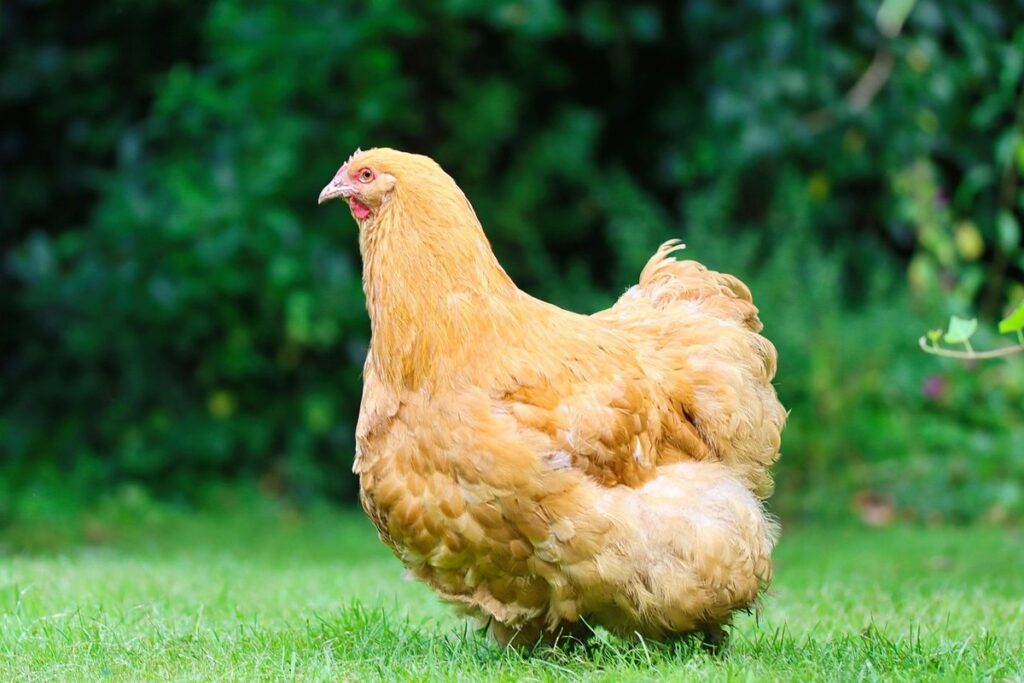
Jubilee Orpington hens are a sight to behold, with their stunning physical characteristics making them a favorite among backyard chicken keepers. When it comes to size, Jubilees are medium to large birds, weighing between 8 and 12 pounds (3.6 to 5.4 kg), with some individuals reaching up to 15 pounds (6.8 kg) or more.
Their feathering is one of the breed’s most distinctive features – soft, fluffy, and incredibly beautiful. Jubilees have a double coat, with a thick underlayer of down feathers that keeps them warm in cold weather, while their outer layer is longer and more lustrous, giving them a stunning appearance. Their feathers come in a variety of colors, including black, blue, white, buff, and chocolate, often in combination with each other.
In terms of overall appearance, Jubilee Orpington hens have a gentle, calm demeanor that’s reflected in their physical characteristics. They have a broad, rounded body shape, with a medium-length neck and legs that are sturdy but not excessively long. Their beak is strong and well-defined, while their eyes are bright and expressive – perfect for surveying their surroundings from the comfort of their perch. Whether you’re a seasoned chicken keeper or just starting out, Jubilees are sure to captivate with their lovable personality and stunning good looks.
Temperament and Personality Traits
Jubilee Orpingtons are renowned for their gentle and affectionate nature, making them an ideal choice for families with children or for those who want a low-maintenance pet. These birds are social creatures that thrive on interaction and attention from their owners. They require regular exercise, such as free-range time in a secure area, to maintain their physical and mental well-being.
One of the most appealing aspects of Jubilee Orpingtons is their adaptability to different environments. They can adjust to various living situations, including small backyards or even apartments with a spacious aviary. However, it’s essential to provide them with enough space to roam and engage in natural behaviors like foraging and scratching.
To ensure your Jubilee Orpingtons’ social needs are met, consider the following:
* Spend quality time with them daily, such as feeding by hand or simply cuddling
* Provide a variety of toys and enrichment activities to stimulate their minds
* Introduce them to other birds gradually, under close supervision, to promote harmonious relationships
By understanding and catering to your Jubilee Orpingtons’ temperament and personality traits, you can build strong bonds and create a happy, healthy environment for these lovable birds.
Caring for Jubilee Orpingtons
To keep your Jubilee Orpingtons happy and healthy, it’s essential to understand their unique needs when it comes to diet, exercise, and regular care. Providing the right attention will make all the difference in their overall well-being.
Housing Requirements
When it comes to housing your Jubilee Orpington hens, you’ll want to create a safe and comfortable environment that meets their specific needs. A good rule of thumb is to provide at least 2-4 square feet of space per hen inside the coop, with additional space for running around outside.
To ensure proper ventilation, consider installing windows or vents in your coop to allow fresh air to circulate. This will help regulate temperatures and prevent ammonia buildup from droppings. A screened-in run is also a must-have to protect your girls from predators like hawks, foxes, and raccoons. You’ll want to secure the fencing around the run with chicken wire or hardware cloth at least 3 feet high.
When building or purchasing a coop, make sure it’s predator-proof and easy to clean. Consider using nesting boxes that are specifically designed for large breed hens like Jubilee Orpingtons. A good nesting box should be about 12 inches wide and 18 inches deep, with perches just outside the entrance to encourage scratching and dust bathing.
Diet and Nutrition
When it comes to feeding your Jubilee Orpington hens, it’s essential to understand their dietary requirements. These birds are heavy breed chickens and require a balanced diet that meets their high energy needs. Start by providing them with a high-quality layer feed that contains around 16-18% protein. Look for a feed that is specifically formulated for layers or pullets, as these will have the right balance of nutrients to support egg production.
In addition to their regular feed, Jubilee Orpingtons also require access to fresh water at all times. Ensure that their watering system is clean and easily accessible, and change the water frequently to prevent bacterial growth. You can also supplement their diet with calcium-rich foods such as crushed oyster shells or dark leafy greens like kale and spinach to support strong bone health.
Some owners also choose to provide their Jubilee Orpingtons with treats like fruits and vegetables, but be sure to introduce these gradually and in moderation to prevent digestive issues.
Health Considerations
As you embark on raising your Jubilee Orpingtons, it’s essential to be aware of some common health issues that may affect these lovable birds. One of the most prevalent problems is obesity, which can lead to a range of other health issues if left unchecked. To avoid this, ensure your girls are getting sufficient exercise by providing them with plenty of space to roam and engage in foraging activities.
Another issue that’s not uncommon among Jubilee Orpingtons is egg-related problems. Some hens may experience reproductive issues, such as prolapse or egg binding, which can be painful and potentially life-threatening if not treated promptly. Regular health checks and maintaining a clean coop are crucial in preventing these types of problems.
Feather pecking is another issue that affects some Jubilee Orpingtons, often due to boredom or stress. Providing plenty of enrichment activities, such as puzzle toys or scratching posts, can help alleviate this behavior. By being aware of these potential health issues and taking proactive steps to prevent them, you can ensure your Jubilee Orpingtons live happy, healthy lives.
To keep your girls in top condition, make sure their diet is well-balanced and they’re getting enough fresh water at all times. Regular veterinary check-ups are also a must to catch any potential health issues early on.
Breeding and Raising Jubilee Orpington Chicks
If you’re planning to breed or raise Jubilee Orpington chicks, understanding their unique needs is crucial for a healthy start. This section covers essential tips and guidelines for breeding and raising these adorable birds successfully.
Choosing the Right Breeder
When it comes to bringing home your very own Jubilee Orpington chicks, finding a reputable breeder is crucial. A good breeder will not only provide you with healthy birds but also pass on their knowledge and expertise to help you raise them successfully.
Start by researching local breeders who specialize in Jubilee Orpingtons. Look for breeders who are experienced, have a good reputation, and are transparent about their breeding practices. You can check online forums, social media groups, or ask fellow chicken enthusiasts for recommendations.
Some key factors to consider when evaluating breeding stock include:
• The breeder’s health testing protocols: Are they up-to-date on vaccinations and disease testing?
• The bloodlines: Are the parents of your chicks purebred Jubilee Orpingtons with a known pedigree?
• The living conditions: Are the birds kept in clean, spacious enclosures with access to fresh air and sunlight?
• The breeder’s communication style: Are they responsive to questions and willing to share information about their breeding program?
By carefully selecting a reputable breeder, you’ll be off to a strong start in raising your own happy and healthy Jubilee Orpington hens.
Hatching and Brooding Methods
When it comes to hatching and brooding Jubilee Orpington chicks, you have several options to consider. One popular method is incubation at home, which requires a suitable incubator and careful temperature control. This can be a cost-effective option, but it does require some technical knowledge and attention to detail.
Alternatively, you may choose to purchase day-old chicks from a reputable hatchery or breeder. This way, you won’t have to worry about the incubation process, but you’ll need to ensure that the chicks arrive safely and are handled with care during transport.
Brooding techniques are also crucial for the first few weeks of life. A brooder is essentially a safe and warm enclosure where your chicks can grow and develop without being exposed to drafts or predators. You can use a heat lamp, ceramic heat emitter, or even a deep litter box to provide warmth. It’s essential to maintain a consistent temperature around 90-100°F (32-38°C) during the first week and gradually reduce it by 5-10°F (3-6°C) each subsequent week.
When selecting a brooder, consider the size of your flock and ensure that there is enough space for your chicks to move around comfortably. A general rule of thumb is to provide at least one square foot of space per chick.
Raising Orpington Chicks to Maturity
Raising Orpington Chicks to Maturity
When you bring home your Jubilee Orpington chicks, they’re tiny balls of fluff with big eyes and even bigger personalities. To raise them into healthy, happy hens that will delight you for years to come, you need to focus on their specific needs from the get-go.
First and foremost, feeding is key – or should I say, ‘chick-ful’! Jubilee Orpingtons are voracious eaters, so make sure you provide a high-quality starter feed specifically formulated for young chickens. A good rule of thumb is to offer 18-20% protein feed during the first eight weeks, then gradually reduce it to 16% as they grow.
Socialization is also vital – introduce your chicks to other birds, and even other animals if possible, to help them develop important social skills that will benefit them throughout their lives. Management strategies come into play here too: provide plenty of space for them to roam, and make sure their coop and run are well-ventilated and safe from predators.
A word of caution: be gentle but firm when handling your chicks – they can be fragile at first, so avoid picking them up by the legs or tail feathers. As they grow stronger, you can gradually introduce more handling and interaction to help build trust between you and your beloved birds.
Egg Production and Quality
When it comes to raising Jubilee Orpington hens, understanding their egg production and quality is crucial for any backyard chicken keeper. Let’s dive into what you can expect from these lovely ladies’ eggs.
Average Daily Egg Lay
Jubilee Orpington hens are known for their gentle nature and rich brown eggs. If you’re planning to keep these lovely birds as pets or for egg production, it’s essential to understand their average daily egg lay. On average, a Jubilee Orpington hen will produce around 200-220 large brown eggs per year.
However, this number can vary depending on several factors such as nutrition, health, and breed quality. A well-balanced diet rich in protein and calcium will help support your hens’ overall health and egg production. Ensure they have access to clean water at all times, and provide a balanced feed that meets their nutritional needs.
The quality of eggs produced by Jubilee Orpingtons is also influenced by factors such as age, nutrition, and genetics. Hens typically begin laying eggs at around 18-20 weeks of age, with peak production occurring between 1-2 years of age. To maximize egg production and quality, provide your hens with a stress-free environment, adequate space to roam, and regular health checks.
Eggshell Characteristics
When it comes to eggshell characteristics, Jubilee Orpington hens do not disappoint. These lovely birds lay large, brown eggs with a unique characteristic that sets them apart from other breeds: their eggshells tend to be slightly more pointed at the large end.
The color of Jubilee Orpington eggs is typically a rich, dark brown, but can range in shade from chocolate brown to almost black. The size of these eggs can vary, but on average, they will be around 28-30 grams or roughly Large-sized. When it comes to shape, as mentioned earlier, the eggshells tend to be slightly pointed at one end, which is a trait that owners have come to love and recognize.
Some breeders attribute this unique characteristic to the Jubilee Orpington’s ancestry, while others believe it may be due to their overall robust build. Whatever the reason, this distinctive shape has become synonymous with these lovable hens, making them instantly recognizable as Jubilee Orpingtons.
Tips for Maximizing Egg Production
To maximize egg production in Jubilee Orpingtons, it’s essential to create an optimal environment that promotes healthy laying habits. First and foremost, ensure they have access to a balanced diet rich in protein, calcium, and other essential nutrients. A good quality layer feed should be supplemented with fresh fruits and vegetables, such as leafy greens and berries.
Provide your Jubilee Orpingtons with ample space to forage and exercise outdoors. This will not only keep them entertained but also stimulate their natural instincts to hunt and peck. Aim for at least 8-10 hours of sunlight exposure per day, as this will regulate their circadian rhythms and promote better egg production.
Regular health checks are also crucial in maintaining optimal egg-laying habits. Make sure to check your hens’ nesting boxes daily, removing any debris or soiled bedding that may harbor bacteria and diseases. A clean and dry environment is essential for preventing health issues and promoting healthy laying habits. By following these simple tips, you can expect an average of 280-300 brown eggs per year from each Jubilee Orpington hen.
Show and Exhibition Opportunities
If you’re interested in showcasing your Jubilee Orpington hens’ unique charm, there are various opportunities to participate in local and national poultry shows. This section highlights these chances.
Preparing Your Bird for the Show Ring
Preparing a Jubilee Orpington hen for show or exhibition requires careful attention to grooming and presentation. When it comes to showcasing your Jubilee Orpington’s unique features, you want to make sure she looks her absolute best.
Grooming is an essential aspect of preparing your bird for the show ring. Start by brushing her feathers regularly to prevent matting and tangling. Pay particular attention to the areas around her vent, wings, and tail, as these are often prone to knots. Use a soft-bristled brush or a slicker brush specifically designed for poultry, and work gently but thoroughly to remove any tangles.
When it comes to presentation, remember that every detail counts. Make sure your Jubilee Orpington’s beak is clean and trimmed, and her feet are well-maintained and free of stains. You can use a pair of poultry shears or nail clippers to keep her nails neatly trimmed. A little bit of elbow grease will go a long way in making a great impression at the show.
Competition Rules and Regulations
When it comes to showing off your Jubilee Orpington hens’ unique characteristics and stunning appearance, understanding the breed-specific rules and regulations governing show competitions is crucial. These guidelines not only ensure fairness but also help preserve the integrity of the breed.
Here are some key points to keep in mind:
* Familiarize yourself with the American Bantam Association (ABA) and the American Poultry Association (APA) guidelines, which provide detailed information on breed standards, judging criteria, and show rules.
* Be aware that Jubilee Orpingtons must meet specific requirements for feather coloration, length, and texture to be eligible for showing.
* Ensure your birds are registered with a reputable poultry association or breed club to verify their authenticity and legitimacy.
To prepare your Jubilee Orpington hens for the show ring, focus on developing their unique characteristics while adhering to these regulations. By understanding and following these rules, you’ll not only increase your chances of success but also contribute to the preservation and appreciation of this beloved breed.
Benefits of Showing Your Birds
Participating in poultry shows is an excellent way to engage with the Jubilee Orpington community and learn from experienced breeders. One of the primary benefits of showing your birds is the opportunity to receive constructive feedback on their conformation, temperament, and overall quality. This feedback can be invaluable in helping you refine your breeding program and improve the health and well-being of your hens.
Attending poultry shows also provides a chance to network with other breeders who share similar interests and goals. You’ll have the opportunity to learn from their experiences, ask questions, and gain insights into best practices for raising and showing Jubilee Orpingtons. Many show attendees are more than happy to offer advice or guidance, making it an excellent way to build relationships within the community.
By participating in poultry shows, you’ll also be contributing to the preservation and promotion of this beloved breed. Your efforts will help ensure that future generations can enjoy these lovable birds just as much as we do today.
Conclusion
As you’ve made it through this comprehensive guide, you’re now equipped with the knowledge to raise happy and healthy Jubilee Orpington hens. Remember, these birds are known for their friendly and docile nature, making them an excellent choice for backyard flocks or families with children. With proper care and attention, your Jubilee Orpingtons will reward you with a steady supply of fresh eggs and endless entertainment. Don’t forget to provide plenty of space for exercise and socialization – these birds thrive on interaction! By following the tips and advice outlined in this guide, you’ll be well on your way to creating a joyful and productive backyard flock that brings joy to your life.
Frequently Asked Questions
What is the ideal climate for raising Jubilee Orpington hens, considering their large size and high egg production?
Jubilee Orpingtons thrive in temperate climates with moderate temperatures between 40°F to 80°F (-40°C to 27°C). They are not well-suited for extremely hot or cold conditions. If you live in an area with harsh winters, ensure your coop is insulated, and provide adequate ventilation during the summer months.
How do I manage Jubilee Orpington hens’ high egg production, especially if I’m a backyard farmer with limited space?
To maximize egg production, focus on providing a balanced diet rich in calcium and protein. Ensure they have access to clean water at all times, and maintain a healthy coop environment by cleaning regularly. Consider adding exercise equipment or creating a foraging area to keep your girls active.
Can Jubilee Orpington hens be used for meat production as well as egg-laying?
Yes. Jubilee Orpingtons are known for their exceptional meat quality due to their large size and fast growth rate. However, if you’re looking to raise them solely for meat, consider selecting chicks that are specifically bred for meat production.
How do I identify potential health issues in my Jubilee Orpington hens, particularly those related to their breed-specific characteristics?
Regularly inspect your birds for signs of respiratory issues due to their large size. Monitor their behavior and appetite, as well as watch for signs of mites or lice infestations. Consult with a veterinarian familiar with poultry health if you notice any unusual symptoms.
Can Jubilee Orpington hens be kept in small backyard flocks, or are they best suited for larger commercial operations?
Jubilee Orpingtons can thrive in both small and large flocks. However, their social nature requires some consideration. In smaller flocks, ensure you provide enough space per bird (around 3-4 sq ft) to prevent overcrowding and stress.