
Are you looking to add some Canadian charm to your backyard farm? Or perhaps you’re an avid enthusiast searching for a new breed to learn about? Either way, we’ve got just the bird for you: the Chantecler chicken breed. Hailing from Canada, this beautiful breed has been a staple among local farmers for over a century. Known for its stunning golden-brown feathers and fluffy plumage, the Chantecler is a sight to behold. But it’s not just about looks – these birds are also friendly, hardy, and adaptable, making them perfect for backyard farming. In this article, we’ll delve into the history of the Chantecler breed, its characteristics, and how to care for these lovable chickens. Whether you’re a seasoned farmer or just starting out, you won’t want to miss our detailed guide on all things Chantecler.
History and Origin of the Chantecler
The Chantecler chicken breed has its roots in Canada, where it was developed from a combination of Marans and White Plymouth Rock breeds. Let’s take a closer look at its fascinating history.
Early Development in Canada
The early 20th century marked the beginning of the Chantecler breed’s development in Canada. At that time, Canadian farmers were looking to create a hardy, dual-purpose bird that could thrive in the country’s harsh climate. To achieve this goal, they crossed various breeds, including the Belgian Bearded d’Anvers and the Cochin, to produce a bird with excellent foraging skills, strong immunity, and impressive egg-laying capabilities.
The resulting breed was indeed robust and capable of adapting to Canada’s diverse geography and weather conditions. Chantecler chickens were designed to be a self-sufficient farm animal, providing both meat and eggs for families. Initially, they were raised on small-scale farms where they would free-range, allowing them to forage for food and exercise naturally.
Today, breeders continue to appreciate the Chantecler’s resilience and ability to thrive in various environments, making it an excellent choice for backyard chicken keepers in Canada or other regions with similar climates.
Influence of European Breeds
When you think of Canadian chicken breeds, the Chantecler is often one of the first to come to mind. But have you ever wondered where this breed came from? The development of the Chantecler was heavily influenced by European breeds that were introduced to Canada during the 19th century.
The Cochin and Brahma are two such breeds that played a significant role in shaping the Chantecler. These large, gentle birds brought desirable traits like size, temperament, and egg-laying abilities to the Canadian breeding scene. The Cochin, with its soft feathers and compact build, was particularly valuable for its ability to thrive in cooler climates. Meanwhile, the Brahma’s impressive size and egg-laying capacity made it an attractive addition to any flock.
By combining the best qualities of these European breeds with their own hardiness and adaptability, Canadian breeders were able to create a truly unique bird: the Chantecler. This careful selection process resulted in a breed that excelled in both egg production and meat quality, making it an ideal choice for farmers and backyard enthusiasts alike.
The influence of European breeds can still be seen in the Chantecler’s physical characteristics today. Its large size, soft feathers, and gentle nature are all testaments to its European heritage. Whether you’re raising Chanteclers for eggs or meat, understanding their origins is essential to appreciating this remarkable breed.
Physical Characteristics of the Chantecler
The Chantecler is a distinctively handsome breed, characterized by its striking appearance and unique physical features that set it apart from other chicken breeds. Let’s take a closer look at these notable characteristics.
Size and Weight
Chanteclers are a large and impressive breed of chicken, known for their imposing size. One of the most notable aspects of this breed is their weight, with roosters reaching up to 8 pounds on average. This makes them one of the heavier breeds available, which can be both an advantage and a disadvantage.
In terms of overall size, Chanteclers are a sturdy and compact breed, with males measuring around 26-28 inches in height and females around 24-26 inches. Their large size means they require plenty of space to move around, so it’s essential to ensure your coop or run is spacious enough to accommodate their needs.
When considering the Chantecler breed, it’s crucial to think about the practicalities of caring for a larger bird. This includes providing adequate food and water, as well as ensuring regular exercise to keep them happy and healthy. If you’re new to chicken keeping, it may be worth starting with a smaller breed before moving on to something like the Chantecler.
Chanteclers are also known for their impressive plumage, which can weigh quite heavily in colder climates. This means that they require extra attention during winter months to keep them warm and dry.
Plumage and Feathers
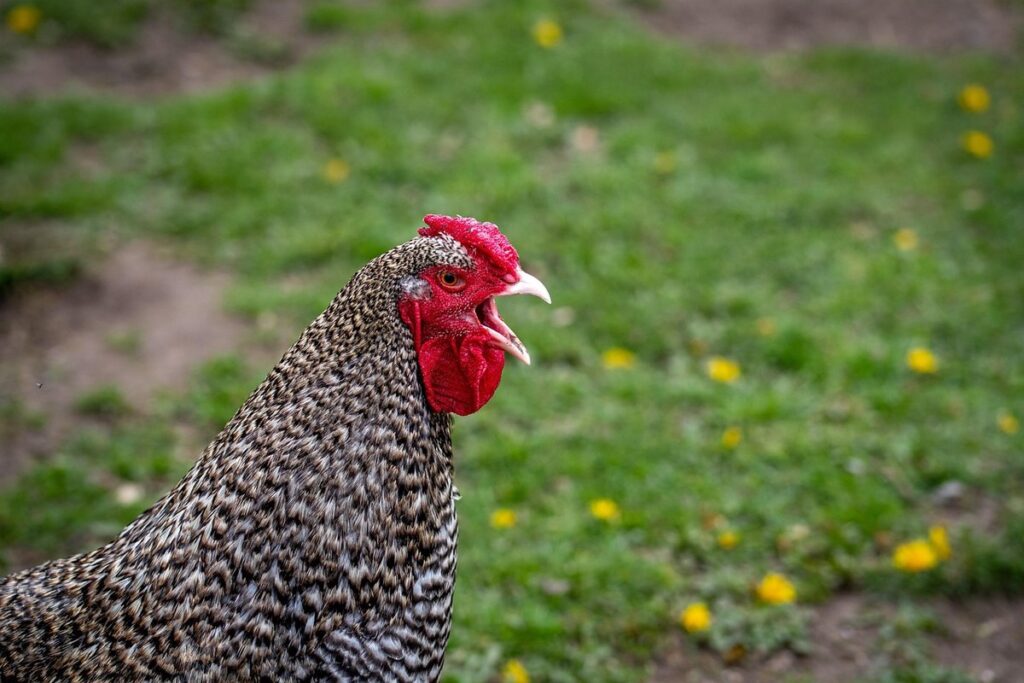
One of the most distinctive features of the Chantecler breed is its unique plumage pattern. When you look at a Chantecler chicken’s feathers, you’ll notice that they have black hackles on a white background. This striking combination gives the breed an elegant and refined appearance.
The hackles are the long feathers that run along the neck and back of the bird. In the case of the Chantecler, these hackles are a deep, rich black color that stands out beautifully against the pure white body feathers. The contrast between the dark hackles and light body feathers creates a visually appealing effect.
The feathering on the Chantecler’s legs is also worth noting. They have clean, bearded faces with long, flowing feathers around the neck and throat area. This gives them a dignified look that’s characteristic of the breed. Overall, the Chantecler’s plumage pattern is one of its most distinctive features, setting it apart from other chicken breeds.
Temperament and Personality of the Chantecler
The Chantecler is a friendly and approachable breed, known for its calm demeanor and affectionate nature, making them a great choice for families.
Friendly Nature
One of the standout characteristics of the Chantecler breed is their exceptionally friendly and docile nature. This makes them an excellent choice for families or small farms where there are children or multiple pets. Chanteclers are known to be gentle giants, getting along well with other animals, including dogs, cats, and even smaller breeds of chickens.
Their calm demeanor also means they are relatively low-maintenance compared to some other breeds. They don’t require a lot of space to roam, making them perfect for backyard flocks or small farms with limited acreage. In fact, Chanteclers thrive in confinement, which makes them an ideal choice for those who live in urban areas and want to keep chickens.
When introducing new chickens to your flock, Chanteclers are usually the first ones to welcome the newcomers with open wings. Their friendly nature also extends to humans; they love interacting with their owners and will often follow you around the yard or even into the house if let inside. With proper care and attention, Chanteclers can become wonderful companions for your family.
If you’re considering bringing home a new Chantecler chick, remember that socialization from an early age is key to developing their friendly personality. Make sure to spend plenty of time with them, handling them gently, and exposing them to various environments and situations. With patience and love, your Chanteclers will grow into confident and affectionate birds that bring joy to your life.
Intelligence and Trainability
When it comes to intelligence and trainability, the Chantecler breed shines. This bird is known for its exceptional problem-solving skills, adaptability, and willingness to learn. Owners have reported that with patience and consistency, Chanteclers can be trained to perform a variety of tasks, from fetching eggs to navigating obstacle courses.
In fact, one breeder notes that her Chantecler hens were able to figure out how to open the door to their coop on their own, much to her surprise. This level of intelligence and resourcefulness makes them an excellent choice for backyard chicken keepers who want a low-maintenance yet engaging pet.
To tap into your Chantecler’s trainability, try incorporating positive reinforcement techniques such as clicker training or offering treats in exchange for desired behaviors. Be prepared to spend quality time with your birds, and don’t be discouraged if progress is slow – it’s worth the investment. With their quick minds and eager nature, Chanteclers can become a beloved and integral part of your flock, providing endless entertainment and joy.
Health Considerations of the Chantecler
If you’re considering adding a Chantecler to your flock, it’s essential to understand their health considerations to ensure a long and happy life for these charming birds. This section covers common health issues that may affect the breed.
Common Health Issues
As with many breeds, Chanteclers are susceptible to specific health issues that can impact their well-being and longevity. Obesity is a common problem among backyard chickens, including Chanteclers, due to overfeeding or lack of exercise. This can lead to various complications such as heart disease, diabetes, and joint problems.
To prevent obesity in your Chantecler flock, it’s essential to monitor their food intake and ensure they have ample space for movement. Provide a balanced diet with high-quality feed that meets their nutritional needs, and avoid overfeeding treats. Limit table scraps and consider supplementing with fresh fruits and vegetables instead.
Respiratory issues are another concern for Chanteclers, particularly during hot weather or in areas with poor ventilation. Keep an eye out for signs of respiratory distress such as labored breathing, coughing, or wheezing. Ensure your coop is well-ventilated and consider using a dehumidifier to maintain a healthy environment.
By being aware of these potential health issues and taking proactive steps, you can help keep your Chantecler flock happy and healthy. Regular check-ups with a veterinarian will also help identify any underlying problems early on, allowing for prompt treatment and preventing more severe complications.
Breeding for Improved Health
When it comes to maintaining the health of Chantecler chickens, responsible breeding practices play a crucial role. Selective breeding is a deliberate process that aims to improve specific traits within a breed. By focusing on genetic diversity and selecting for desirable characteristics, breeders can reduce the incidence of inherited health issues.
This approach has been successful in other breeds, such as Leghorns, which have seen a significant reduction in their mortality rates through targeted breeding programs. Similarly, Chantecler breeders can use this strategy to minimize common health problems like Marek’s disease and respiratory infections.
To implement selective breeding for improved health, breeders must first identify the specific traits they want to emphasize or eliminate. They should then carefully select birds that exhibit these characteristics and breed them with others that share similar qualities. By doing so, breeders can create a healthier, more resilient flock over time.
Care and Management of Chantecler Chickens
To keep your Chanteclers happy and healthy, it’s essential to provide them with proper care and management, from feeding and exercise to health checks and coop maintenance.
Nutrition and Feeding
When it comes to feeding and nutrition for Chantecler chickens, you’ll want to ensure they’re getting a balanced diet to maintain their large size and high energy levels. A good starting point is to provide them with a high-quality layer feed that’s formulated specifically for adult hens. Aim to provide about 1/4 to 1/2 cup of feed per bird per day, depending on their age, size, and activity level.
It’s also essential to supplement their diet with fresh fruits and vegetables, such as leafy greens, carrots, and apples. These treats will not only add variety but also provide essential vitamins and minerals. Aim for about 10-20% of their daily diet to come from these sources. Additionally, make sure they always have access to fresh water to stay hydrated.
Some key nutrients that Chanteclers require include protein (16-18%), calcium (2-3%), and phosphorus (1%). You can also consider providing a calcium supplement or oyster shells as an extra source of calcium for strong eggshell production.
Exercise and Space Requirements
When it comes to providing for your Chantecler flock, exercise and space requirements are crucial to their overall health and well-being. These birds were originally bred as dual-purpose chickens, meaning they’re meant to provide both eggs and meat, so they require a significant amount of room to roam.
A general rule of thumb is to provide at least 2-4 square feet of space per bird inside the coop, and at least 8-10 square feet of outdoor space per bird in a fenced area. However, this can vary depending on factors like climate, breed size, and individual chicken personalities. For example, if you live in an urban area or have limited yard space, you may need to get creative with your coop design.
To create a suitable living environment for your Chanteclers, consider adding features like perches, nesting boxes, and dust baths. Perches allow birds to exercise their legs and stretch their wings, while nesting boxes provide a safe and private spot for laying eggs. Dust baths help keep feathers clean and healthy by removing dirt and parasites.
Some important tips to keep in mind include providing adequate ventilation, insulation, and protection from the elements. A covered run or enclosed coop will help shield your birds from harsh weather conditions, while also keeping predators out.
Breeding and Showing the Chantecler
If you’re looking to breed or show your Chantecler chicken, this is where we break down the process, from selecting breeding stock to exhibiting at a competition.
Selective Breeding Practices
When it comes to preserving the Chantecler’s unique characteristics, responsible breeding practices are crucial. Selective breeding is a deliberate process of choosing parents that exhibit desirable traits and passing those traits on to their offspring. This method allows breeders to concentrate on specific features, such as egg-laying ability, forage production, or plumage quality.
To implement selective breeding effectively, it’s essential to have a clear understanding of the breed standard. Study the characteristics of top-performing Chanteclers and identify the traits that set them apart. Look for birds with desirable characteristics, such as robust bone structure, dense feathers, or high egg production. Record data on these traits, including egg-laying frequency and weight, to track progress.
When breeding Chanteclers, it’s also crucial to consider genetic diversity. Introduce new bloodlines regularly to maintain the breed’s adaptability and prevent inbreeding. This ensures that your flock remains healthy and resilient, with a low risk of inherited diseases. By following these principles, you can preserve the integrity of the breed while promoting its unique qualities.
Show Standards and Judging
When it comes to showing your Chanteclers, understanding the judging criteria is essential to presenting them at their best. The American Bantam Association (ABA) and the American Poultry Association (APA) are two prominent organizations that govern the breed standard for Chantecler chickens.
According to the APA Standard of Perfection, the ideal Chantecler chicken has a sturdy build, with a deep breast and well-filled shoulders. Judges look for a compact, rounded body type, with a moderate length of leg and foot. The neck should be short and deep-set, with a slight inclination towards the back.
When preparing your Chanteclers for show, focus on these key points:
* Keep their plumage clean and well-groomed
* Ensure they have a balanced diet to maintain optimal health and weight
* Get them accustomed to being handled and examined by judges
Remember, practice makes perfect. Work with experienced breeders or handlers to get a sense of the judging process and what judges are looking for in each category. By doing so, you’ll be better equipped to showcase your Chantecler’s best features and give them the best chance at winning.
Conclusion: Why Keep Chantecler Chickens?
So, you’ve learned all about the wonderful qualities of the Chantecler chicken breed and are now wondering if they’re right for your backyard flock. Let’s weigh the pros and cons together!
Unique Benefits and Advantages
One of the most appealing aspects of keeping Chantecler chickens is their unique personality. These birds are known for being friendly and docile, making them an excellent choice for families with children or for small farmers who want to raise a low-maintenance flock. In contrast to some other breeds that can be skittish or aggressive, Chanteclers are generally approachable and gentle.
Their egg-laying abilities are another significant advantage of keeping Chantecler chickens. These birds are prolific layers, producing an average of 200 large brown eggs per year. This makes them a great choice for small farmers who want to produce fresh eggs without breaking the bank on feed or other supplies.
Another benefit of raising Chanteclers is their adaptability. These birds thrive in cold climates and can tolerate temperatures as low as -30°C (-22°F). This means that farmers in regions with harsh winters don’t have to worry about their flock’s well-being during the coldest months. Additionally, Chanteclers are relatively quiet compared to some other breeds, making them a great choice for people who live in close proximity to neighbors.
If you’re considering adding Chantecler chickens to your backyard or farm, here are a few tips to keep in mind:
* Provide plenty of space for your birds to roam and exercise. Chanteclers need room to move around and stretch their wings.
* Ensure access to fresh water and nutritious feed to keep your flock healthy and happy.
* Consider building a coop that is specifically designed for cold climates, with features such as insulation and ventilation.
By following these tips and understanding the unique benefits of Chantecler chickens, you can enjoy the many rewards of raising these friendly and productive birds.
Frequently Asked Questions
Can Chantecler chickens adapt to different climates, or do they thrive best in Canada’s harsh weather conditions?
Chantecler chickens are known for their hardiness and ability to adapt to various climates. While they originated from Canadian farmers who needed a bird that could handle the country’s harsh winters, they can also thrive in temperate zones with proper care and management. With adequate shelter, nutrition, and protection from extreme temperatures, Chanteclers can adjust to different environments.
How do I determine if my Chantecler chicken is laying eggs regularly?
Monitoring your Chantecler’s egg-laying habits requires attention to their behavior and health. Keep an eye on the number of eggs produced daily or weekly, as well as any signs of stress or discomfort that might affect egg production. Regular health checks can also help identify potential issues affecting egg laying.
Can I mix Chantecler chickens with other breeds in my backyard farm?
Introducing Chanteclers to other breeds requires careful consideration and planning. While they are generally friendly, some breeds may not be compatible due to size differences or temperament clashes. Research the specific needs of your current flock and introduce new birds gradually, under close supervision.
How often should I collect eggs from my Chantecler hens?
Regular egg collection is essential for maintaining a healthy and happy flock. Collecting eggs daily will prevent moisture accumulation and potential bacterial growth inside the nest box. This practice also helps monitor for any signs of health issues or stress affecting your birds’ reproductive cycles.
What are some common mistakes new Chantecler chicken owners make when caring for their flock?
Novice Chantecler owners often overlook proper nutrition, inadequate shelter, and insufficient space. Ensure your birds have access to a clean, dry coop with adequate ventilation and ample room for movement. A balanced diet that meets the nutritional needs of your Chanteclers will also support overall health and well-being.