
Are you thinking of adding a Leghorn chicken rooster to your backyard flock? This popular breed is known for its impressive characteristics, and for good reason. Not only are Leghorns renowned for their high fertility rate, making them an excellent choice for breeding purposes, but they also excel at pest control. Their keen instinct to forage for insects and small pests makes them a valuable asset to any flock.
In this article, we’ll delve into the specifics of caring for your Leghorn rooster, from nutrition and health considerations to housing and socialization needs. We’ll also explore the benefits of breeding with a Leghorn rooster, including their impressive egg-laying capabilities and ability to control pest populations. Whether you’re an experienced farmer or just starting out, this expert guide will walk you through everything you need to know about keeping your flock thriving with a healthy and happy Leghorn rooster.
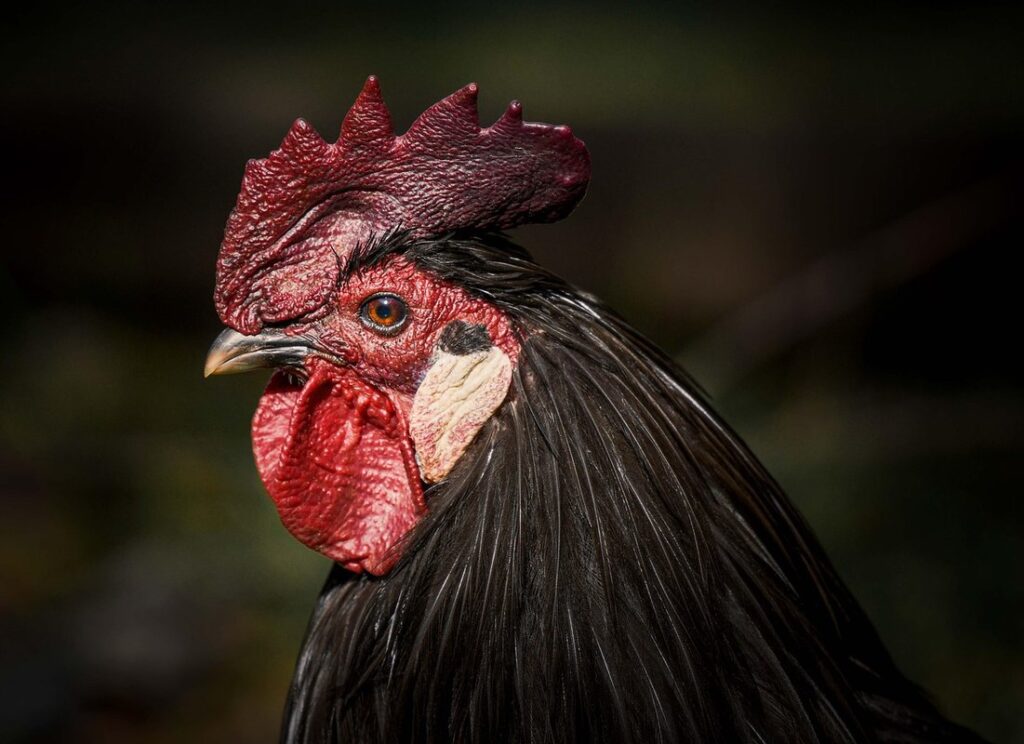
Introduction to Leghorn Chicken Roosters
When it comes to understanding these remarkable birds, knowing their unique characteristics and traits is essential for any chicken enthusiast or potential owner. Let’s take a closer look at what makes Leghorn roosters so special.
Brief History of the Breed
The Leghorn chicken breed has a rich history that dates back to Italy in the late 19th century. Developed specifically for egg production, the original intent was to create a bird that could lay a high number of eggs per year while being relatively low-maintenance. The breed’s popularity quickly spread among farmers due to its exceptional productivity and adaptability.
By the early 20th century, Leghorns had become one of the most sought-after breeds worldwide for commercial egg farms. Their impressive annual egg-laying capacity – up to 300 eggs per year – made them a favorite among large-scale producers. Even backyard enthusiasts couldn’t resist their charm; Leghorn roosters are prized not only for their remarkable fertility but also for their friendly, energetic nature.
The breed’s versatility has played a significant role in its enduring popularity, as it thrives in various environments and can adjust to different living conditions with ease. Whether you’re an experienced farmer or a newcomer to backyard chicken-keeping, the Leghorn rooster is certainly worth considering due to its numerous benefits and impressive characteristics.
What Makes a Leghorn Rooster Unique
Leghorns are one of the most recognizable rooster breeds, and for good reason. Their unique characteristics set them apart from other breeds. In terms of size, Leghorn roosters tend to be smaller than some other breeds, weighing around 4-6 pounds on average. This compact size makes them a great choice for backyard flocks or smaller farms.
Another distinctive trait of the Leghorn is their temperament. They are known for being friendly, outgoing, and energetic. These birds love to socialize and interact with humans, which can make them a joy to have around. However, this also means they require regular attention and care to prevent boredom and stress.
The plumage of the Leghorn rooster is perhaps its most striking feature. They have a distinctive red or gold-brown sheen to their feathers, with white undersides and black neck feathers. This striking coloration makes them stand out in even the most vibrant flocks.
Their energetic nature and compact size make Leghorns ideal for backyard keepers who want a lively rooster without taking up too much space.
Characteristics of Leghorn Chicken Roosters
When it comes to identifying a healthy Leghorn rooster, there are several key characteristics you should look for, including plumage and comb health. A well-cared-for Leghorn rooster will display vibrant feathers and a robust comb.
Physical Characteristics
Leghorn roosters are renowned for their striking physical attributes. On average, they weigh between 4-5 pounds (1.8-2.3 kg) and reach a height of about 20-24 inches (51-61 cm). Their lean bodies and muscular build enable them to thrive in confinement or free-range environments.
One distinctive feature of Leghorn roosters is their beak shape, which is medium-sized with a moderate curve. This shape helps them forage efficiently without becoming too cumbersome. In contrast, their combs are large, reddish-pink, and feathery, adding to the overall visual appeal of these birds.
In terms of feathering, Leghorn roosters often have a mix of white and light gray plumage with a subtle sheen to it. While not as flashy as other breeds, this coat pattern helps them blend in with their surroundings while maintaining an air of elegance. Overall, the physical characteristics of Leghorn roosters make them well-suited for backyard flocks or small-scale commercial operations.
Temperament and Behavior
Leghorns are known for their high energy levels, which can make them quite entertaining to watch. However, this also means they require regular exercise and mental stimulation to prevent boredom and stress. Roosters will typically spend their days strutting around the coop, searching for food and interacting with other birds.
One of the most notable personality traits of Leghorns is their aggression. While not all roosters are aggressive, many can be territorial and will defend themselves if they feel threatened. This is especially true during mating season or when introducing new birds to the flock. As a responsible owner, it’s essential to manage this behavior through proper socialization and training from an early age.
In terms of social interactions with humans, Leghorns are relatively friendly but can be skittish at times. They’ll often follow their owners around the yard, pecking at feet or snatching at clothing. However, they may not tolerate handling as well as other breeds, so it’s crucial to respect their boundaries and let them come to you for attention.
When introducing a Leghorn rooster to your flock, be prepared for some initial drama. Start by keeping the birds separated for a few days before allowing them to meet in a neutral area under close supervision. Monitor their behavior closely and separate them if signs of aggression or stress arise. With patience and proper management, even the most aggressive roosters can learn to live harmoniously with other birds.
Health Considerations for Leghorn Rooster Owners
When it comes to caring for your Leghorn rooster, it’s essential to consider their specific health needs and potential risks, such as heat stress and disease susceptibility. Understanding these factors will help you keep your bird thriving.
Common Health Issues in Leghorns
As a Leghorn rooster owner, it’s essential to be aware of the potential health issues that can affect these birds. Respiratory problems are one common concern, particularly in hot and humid environments. Dusty bedding and poor ventilation can exacerbate respiratory issues, leading to coughing, sneezing, and labored breathing. Regular cleaning of the coop and providing adequate airflow can help mitigate this problem.
Leg disorders, such as bumblefoot and joint pain, are also common in Leghorns. Bumblefoot is a painful condition that occurs when bacteria infects the foot pads, causing swelling and lameness. To prevent this, provide soft, dry bedding and ensure your rooster has enough space to move around comfortably. Regular trimming of toenails can also help prevent bumblefoot.
Parasites are another health concern for Leghorns, including mites, lice, and internal parasites like worms. Regular cleaning of the coop, use of diatomaceous earth or other natural de-wormers, and providing a balanced diet can all help keep parasites under control.
Nutritional Needs and Feeding Guidelines
When it comes to providing optimal care for your Leghorn rooster, nutrition plays a crucial role. A balanced diet is essential for maintaining his overall health and well-being. Leghorns are dual-purpose birds, bred for both egg production and meat, which means they have different nutritional requirements compared to other chicken breeds.
A high-quality commercial layer feed or starter-grower feed should form the foundation of your rooster’s diet. These feeds are specifically formulated to meet the nutritional needs of chickens in various growth stages. However, it’s essential to ensure that the feed is free from contaminants and meets the standards set by organizations such as the National Research Council (NRC).
In addition to a balanced commercial feed, Leghorn roosters also benefit from supplemental nutrients like calcium for strong bone development and vitamins E and C to boost immunity. Fresh fruits and vegetables can be added to their diet in moderation, but make sure to introduce new foods gradually to prevent digestive upset.
As a general rule of thumb, provide about 1-2% of your rooster’s body weight in feed per day. For example, if your Leghorn weighs around 8 pounds, offer about 4-8 ounces of feed daily. This will help maintain optimal health and support his growth.
Breeding and Raising Leghorn Chicken Roosters
If you’re planning to breed or raise Leghorn roosters, it’s essential to understand their unique needs and characteristics that set them apart from hens. This section will walk you through what to expect.
Breeding Strategies for Improved Traits
When breeding Leghorn roosters for specific traits, breeders can employ various strategies to select for desirable characteristics. One common approach is selecting for fertility, which involves breeding roosters with high fertility rates and ensuring that they pass on their genetic traits to their offspring. This can be achieved through a process called “proband selection,” where the most fertile rooster in a flock is chosen as a stud.
Another strategy is to select for egg production, which is ideal for commercial egg farms. Breeders can choose roosters with high egg-laying ability and breed them with hens that have a similar trait. To do this, they can use techniques such as “linebreeding” or “inbreeding,” where they mate closely related birds to concentrate desirable traits.
Some breeders may also focus on specific coat colors or patterns, which can be achieved through selective breeding. For example, breeders interested in developing a red Leghorn rooster would choose parents with the desired coloration and breed them together to produce offspring with the same trait.
Tips for Raising Healthy Chicks and Young Roosters
When you bring home newly hatched Leghorn chicks and young roosters, it’s essential to create a conducive environment for their growth and development. One of the most crucial steps is brooding – providing them with a warm and safe space to grow. You can use a heat lamp or a heat mat specifically designed for chickens to maintain a temperature range of 90-100°F (32-38°C) in the first week.
As they begin to grow, it’s vital to introduce vaccination protocols to protect them from diseases common in chicken flocks, such as Marek’s disease and Newcastle disease. Consult with a veterinarian to determine the best course of vaccinations for your Leghorn roosters.
Socialization is also critical during this early stage. Introduce your chicks to different environments, people, and other animals to help them become confident and well-adjusted adults. This can be as simple as taking them outside into a fenced area or introducing them to existing adult hens in the flock. By following these steps, you’ll set your young Leghorn roosters up for a healthy and happy life.
Benefits of Keeping a Leghorn Chicken Rooster
If you’re considering bringing home a Leghorn rooster, you’ll want to know about the benefits that come with having one as part of your flock, including improved egg production and enhanced farm security.
Fertility and Egg Production
When it comes to egg production, many backyard chicken keepers assume that a male Leghorn is unnecessary, and that the presence of a rooster will only serve to distract from their primary goal: gathering eggs. However, this couldn’t be further from the truth. In fact, a male Leghorn can have a significant impact on fertility and egg production in your flock.
The presence of a rooster can increase the likelihood of fertile eggs by as much as 80%. This is because he will mate with your hens more frequently, resulting in a higher rate of successful fertilization. Additionally, a rooster will typically encourage more frequent breeding cycles among your hens, leading to a greater number of eggs being laid overall.
In practical terms, this means that if you have a flock of 10 hens and a single rooster, you can expect to see a significant increase in the number of fertile eggs being produced. Of course, this will depend on various factors such as nutrition, health, and breed quality – but overall, a male Leghorn is an excellent addition to any backyard flock looking to maximize their egg production potential.
Pest Control and Weed Suppression
One of the often-overlooked benefits of keeping a Leghorn rooster is their ability to control pests and weeds on your property. As natural foragers, these birds are instinctively drawn to areas where insects and other small creatures congregate. By allowing them to roam freely, you can leverage this behavior to keep your land pest-free.
For example, a Leghorn rooster will happily spend its days pecking at grubs and snails in the garden, reducing the need for chemical pesticides. Similarly, their scratching and digging activities help break up compacted soil, allowing air and water to penetrate more easily and promoting healthy root growth. In fact, research has shown that free-range chickens can reduce weed populations by up to 75% through their foraging activities.
To harness this benefit effectively, it’s essential to provide your Leghorn rooster with a suitable environment. Make sure they have access to adequate food, water, and shelter, as well as enough space to roam and forage freely. With proper care and management, these birds can become valuable assets in maintaining the health and biodiversity of your land.
Conclusion: Why Keep a Leghorn Rooster?
In conclusion, keeping a Leghorn rooster can be a rewarding experience for backyard chicken enthusiasts. These birds are known for their friendly and docile nature, making them an excellent choice for families with children or for those who want to add some personality to their flock. With proper care and attention, a Leghorn rooster can provide entertainment, companionship, and even help protect your hens from predators. They’re also relatively low-maintenance compared to other breeds, requiring less space and nutrition. By bringing a Leghorn rooster into your backyard, you’ll not only enjoy the benefits of having a unique and charming pet but also contribute to the overall health and well-being of your flock.
Frequently Asked Questions
Can I keep a Leghorn rooster with other breeds of chickens?
Leghorns are known for their friendly and outgoing personalities, making them an excellent choice to integrate with other breeds. However, it’s essential to introduce them slowly and under close supervision to ensure a smooth transition. With proper introduction and management, you can create a harmonious flock with Leghorn roosters and other breeds.
How do I determine the ideal housing space for my Leghorn rooster?
When calculating the square footage needed for your Leghorn rooster’s enclosure, consider providing at least 3-4 square feet per bird inside the coop and 8-10 square feet outside in the run. This will give them ample space to move around and exercise while reducing stress and promoting overall health.
What are some common challenges I might face when breeding with a Leghorn rooster?
Leghorn roosters are renowned for their high fertility rate, but breeding can still be affected by various factors such as nutrition, management, and disease prevention. Keep a close eye on your flock’s health and ensure they receive optimal nutrition to minimize the risk of common issues like broodiness or poor hatch rates.
How do I manage the Leghorn rooster’s foraging instinct in my backyard?
To make the most of your Leghorn rooster’s foraging abilities, consider providing a mix of free-range access to your yard and supplementing with grains or commercial feeds. This will allow them to satisfy their natural instincts while also meeting their nutritional needs.
Can I use my Leghorn rooster as a guard animal?
Leghorns are generally docile birds but can be quite alert when it comes to potential threats. With proper training and socialization, you can utilize your Leghorn rooster as a watchful companion to help protect your flock from predators or other external dangers.