
Are you looking to add some charm to your backyard with a unique and beautiful chicken breed? Look no further than the Silver Sussex poultry! This delightful bird has been around for centuries, originating in England where it quickly became a favorite among farmers and hobbyists alike. With its stunning silver-gray feathers and gentle nature, it’s easy to see why the Silver Sussex is a popular choice for backyard flocks.
In this article, we’ll delve into the rich history of the Silver Sussex poultry breed, exploring its characteristics, temperament, and essential care tips to ensure your girls thrive. Whether you’re a seasoned chicken keeper or just starting out, we’ll cover everything from habitat and nutrition to health and behavior, providing you with the knowledge to raise happy and healthy chickens.
Origin and History of the Silver Sussex Breed
The Silver Sussex breed has a rich history that dates back to the 19th century, originating from England as a dual-purpose bird. Let’s dive into its fascinating past and evolution over time.
Early Development and Introduction to England
The story of the Silver Sussex breed begins in the United States, where it was developed in the late 19th century from a combination of White Sussex and light-colored Brahmas. This crossbreeding effort aimed to create a bird with superior egg-laying capabilities and a robust constitution.
In the early 1900s, the breed made its way across the Atlantic to England, where it quickly gained popularity among poultry enthusiasts due to its impressive egg production and attractive plumage. The Silver Sussex was initially met with skepticism by some British breeders, who questioned its suitability for English climate conditions.
However, subsequent trials and experiments demonstrated that the breed’s hardiness and adaptability made it an excellent choice for English farms. Today, the Silver Sussex is a beloved breed in England, prized for its friendly temperament and impressive egg-laying abilities.
To introduce the Silver Sussex breed to your own flock, consider starting with high-quality breeding stock from reputable sources. With proper care and management, these birds will thrive and reward you with an abundance of fresh eggs and delightful companionship.
Key Factors Contributing to Its Popularity
One of the key factors contributing to the Silver Sussex breed’s popularity is its exceptional foraging ability and hardiness. This makes it an attractive choice for farmers and enthusiasts who want a low-maintenance yet high-yielding bird. The breed’s unique characteristics, such as its silver-gray plumage and lean body type, also set it apart from other poultry breeds.
Another factor contributing to the Silver Sussex’s popularity is its impressive egg-laying capacity. Hens can produce up to 200 large brown eggs per year, making them a valuable addition to any backyard flock or commercial farm. Their docile nature and calm temperament also make them an excellent choice for families with children or for farmers who want to incorporate poultry into their diversified farming operations.
The Silver Sussex breed is also known for its adaptability to different environments and management systems, which has further contributed to its popularity among farmers and enthusiasts. Its ability to thrive in a variety of settings makes it an attractive option for those looking to start or expand their poultry operations.
Characteristics of the Silver Sussex Breed
The Silver Sussex breed is known for its distinctive characteristics, including its plumage and temperament. In this section, we’ll delve into what makes these birds so unique.
Physical Description and Build
The Silver Sussex breed is a medium-sized poultry bird, known for its attractive appearance and robust build. Adult birds typically weigh between 8-10 pounds (3.6-4.5 kg) and stand about 18-20 inches (45-50 cm) tall.
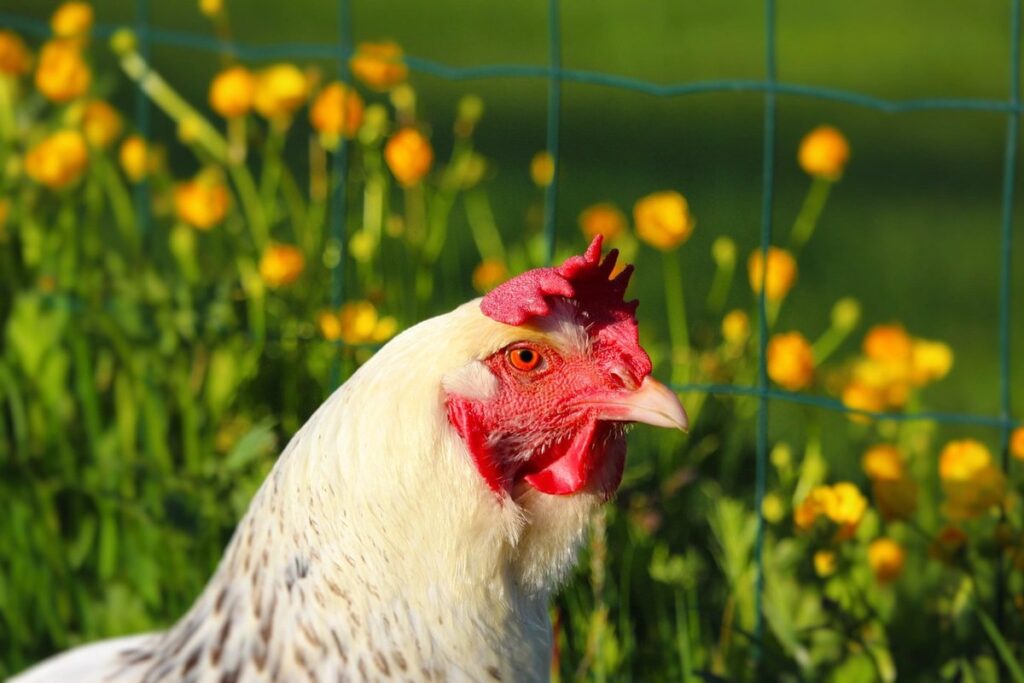
In terms of plumage, the Silver Sussex boasts beautiful, lustrous feathers that are a striking grey-blue color with black highlights. The hackle feathers on their neck are long and flowing, while their saddle feathers are broad and well-rounded. Their wings are strong and broad, with a subtle curve to the wing tip.
Their body type is sturdy and compact, with a deep chest and strong legs. Silver Sussex birds have a medium-length tail, which is carried proudly when they walk or run. Overall, their appearance exudes a sense of energy and vitality, making them a delight to watch in your backyard flock. If you’re looking to add some visual interest to your poultry collection, the Silver Sussex breed is definitely worth considering.
Temperament and Behavior
One of the standout characteristics of the Silver Sussex breed is its temperament and behavior. Known for being friendly and docile, these birds make wonderful pets for beginners and experienced poultry enthusiasts alike.
They are often described as gentle giants, with a calm demeanor that makes them an excellent choice for families with children or for those living in small spaces. Their laid-back nature also means they adapt easily to different environments and can thrive in a variety of settings.
If you’re new to raising chickens, the Silver Sussex breed is an excellent choice due to its easy-going temperament. They are relatively low-maintenance, requiring less attention and care compared to some other breeds. Additionally, their friendly nature makes them social birds that enjoy human interaction, so be prepared for plenty of entertainment as they strut around your backyard.
In terms of behavior, Silver Sussex chickens are known to be active foragers, making them a great choice for those who want to provide a natural and stimulating environment for their birds.
Advantages and Disadvantages of Raising Silver Sussex Chickens
If you’re considering adding Silver Sussex chickens to your flock, it’s essential to weigh the pros and cons of raising these birds. Understanding their advantages and disadvantages will help you make an informed decision.
Pros: Egg-Laying Ability, Foraging Skills, and Disease Resistance
One of the most significant advantages of raising Silver Sussex chickens is their exceptional egg-laying ability. On average, a healthy Silver Sussex hen can produce around 200-220 large brown eggs per year. This is particularly impressive considering that they are considered a dual-purpose breed, meaning they also excel at meat production. Their egg-laying capacity makes them an excellent choice for small-scale farmers and backyard chicken keepers who want to harvest fresh eggs regularly.
Another benefit of raising Silver Sussex chickens is their impressive foraging abilities. These birds are naturally inclined to roam and search for food on their own, which means you won’t need to spend too much time providing them with commercial feed or supplements. By allowing them to free-range in a secure area, you can save money on feed costs and also enjoy the satisfaction of seeing your chickens lead an active, natural lifestyle.
In addition to their impressive egg-laying capacity and foraging abilities, Silver Sussex chickens are also known for their robust health. They possess a strong immune system that helps them resist certain diseases, such as Marek’s disease and avian influenza. This makes them a relatively low-maintenance breed to care for, especially if you’re new to chicken keeping.
Cons: Noise Level, Broodiness, and Predator Attraction
While Silver Sussex chickens have their fair share of advantages, there are some potential drawbacks to consider before deciding to raise them. One significant con is their noise level. Known for their distinctive loud crowing, Silver Sussex roosters can be quite vocal, especially during mating season or when they sense a potential threat. If you live in a residential area or have close neighbors, this might not be the ideal breed for you.
Another drawback of Silver Sussex chickens is their broodiness. These hens are prolific layers, but some individuals may exhibit strong motherly instincts and want to incubate eggs at any cost. This can lead to them abandoning their own nesting boxes in favor of a more secluded spot where they can raise their “babies”. If you’re not prepared to manage this behavior, it might result in reduced egg production or even the loss of your flock.
Unfortunately, Silver Sussex chickens also have a tendency to attract predators due to their friendly and trusting nature. They may wander off on their own if not supervised, making them an easy target for foxes, coyotes, or other wildlife. To mitigate this risk, it’s essential to provide secure fencing, regular monitoring, and proper supervision of your flock.
Tips for Raising Healthy and Happy Silver Sussex Chickens
If you’re a proud owner of Silver Sussex chickens, you’ll want to ensure they thrive under your care. In this next part, we’ll share some expert tips for raising happy and healthy flock members.
Nutrition and Feeding Requirements
When it comes to feeding your Silver Sussex chickens, it’s essential to provide them with a balanced diet that meets their nutritional needs. As a general rule, adult Silver Sussex chickens require about 16-20% protein and 2-4% calcium in their feed. However, this can vary depending on factors such as age, sex, and whether they are laying eggs or not.
To ensure your flock is getting the nutrients they need, consider providing a high-quality commercial chicken feed as the main staple of their diet. You can also supplement with fruits and vegetables, such as leafy greens, carrots, and apples, to add variety and essential vitamins and minerals. It’s also crucial to provide access to fresh water at all times.
In terms of feeding amounts, a good starting point is to provide 1/4 to 1/2 pound of feed per chicken per day. However, this can vary depending on individual needs and activity levels. Be sure to monitor your flock’s weight and adjust feed accordingly to avoid overfeeding or underfeeding.
A well-balanced diet will play a significant role in maintaining the overall health and well-being of your Silver Sussex chickens. By providing the necessary nutrition and feeding requirements, you’ll be able to enjoy happy and healthy birds that will thrive on your farm or backyard.
Housing and Environmental Considerations
When it comes to raising healthy and happy Silver Sussex chickens, providing suitable housing conditions and environmental factors is crucial. These birds need enough space to roam freely, stretch their wings, and engage in natural behaviors.
Aim for at least 4-6 square feet of space per bird inside the coop, with additional outdoor run or enclosed area for exercise. This breed is not as tolerant of confinement as some other varieties, so it’s essential to provide ample room for movement.
Proper ventilation is also vital to maintain a healthy environment. Ensure good airflow by installing windows, vents, or adjustable roof panels. A well-ventilated coop will help regulate temperature and reduce ammonia buildup from droppings.
Protect your birds from extreme weather conditions by providing adequate shelter and shade. Consider adding a covered run or shaded area for hot summer days, as well as a windbreak or insulated coop for cold winters. By creating a comfortable and safe living space, you’ll be well on your way to raising happy, healthy Silver Sussex chickens.
Breeding and Showing Silver Sussex Chickens
If you’re interested in participating in poultry shows or starting your own flock, understanding how to breed and show Silver Sussex chickens is essential. This section will walk you through the process step by step.
Selection Criteria for Breeding Stock
When selecting breeding stock for your Silver Sussex flock, there are several key characteristics to consider. Egg-laying ability is a crucial factor, as you’ll want birds that can provide a consistent supply of eggs. Look for hens that are around 18-20 months old and have already begun laying at a rate of around 280-300 large brown eggs per year.
Growth rate is also important, especially if you’re planning to exhibit your Silver Sussex birds in shows. Opt for young birds with a good growth rate to ensure they reach the standard weights quickly and efficiently. Conformation is another critical aspect; inspect the bird’s overall structure, paying attention to posture, balance, and correctness of features.
You can also consider factors like temperament, feather quality, and fertility rates when making your selection. It’s essential to remember that breeding stock should be selected for their potential to produce high-quality offspring rather than their immediate performance. With careful consideration and evaluation, you’ll be able to identify the perfect breeding stock for your Silver Sussex flock.
Tips for Successful Showing and Competition Preparation
When it comes to showing and competing with your Silver Sussex chickens, preparation is key. Start by familiarizing yourself and your birds with handling techniques that are gentle yet firm. This will help them become accustomed to being held, lifted, and examined, reducing stress and anxiety on show day.
To train your birds for the judging table, practice lifting and holding them securely but comfortably, paying attention to their weight distribution and balance. You can also try dressing them in a show-style costume or harness to get them used to wearing items that might be required at competitions.
On grooming, keep your Silver Sussex chickens’ plumage clean and well-maintained by regularly brushing their feathers with a soft-bristled brush, paying particular attention to areas prone to matting. For competition preparation, make sure their beaks are trimmed neatly and their nails are short but not over-clipped, as excessive trimming can cause discomfort.
When it comes to handling your birds at the show, remember to handle them gently yet confidently. Keep an eye on the judges’ instructions and follow any specific guidelines for handling and presenting your birds.
Health Considerations and Common Issues in the Breed
When it comes to owning Silver Sussex chickens, understanding their unique health needs is crucial for a happy and healthy flock. Let’s discuss some common issues that may arise.
Genetic Predispositions and Common Health Problems
As with many poultry breeds, Silver Sussex chickens can be prone to certain health issues due to their genetic makeup. One common concern is their susceptibility to Marek’s disease, a viral condition that affects the nervous system and immune system of birds. This breed is also at risk for tumors, specifically lymphomas, which are often caused by a virus.
Another potential issue affecting Silver Sussex chickens is obesity, which can lead to a range of secondary health problems, including heart disease and diabetes. To mitigate this risk, it’s essential to provide your birds with plenty of space to roam and engage in physical activity. This can be achieved through regular exercise sessions or providing a large enough enclosure for them to move around freely.
It’s also crucial to maintain a healthy diet for your Silver Sussex flock. Ensure that their feed is well-balanced and nutrient-rich, and consider incorporating supplements like probiotics to support digestive health.
Regular check-ups with a veterinarian will help identify any potential issues early on, allowing for prompt treatment and care. By being aware of these genetic predispositions and taking proactive steps to maintain your birds’ health, you can help minimize the risk of common health problems affecting the Silver Sussex breed.
Strategies for Prevention and Management
To ensure the health and well-being of your Silver Sussex poultry, it’s essential to implement prevention and management strategies for common issues. One critical aspect is vaccination protocols. Consult with a veterinarian to determine the best course of action for your flock. Typically, vaccinations against diseases such as Marek’s disease, infectious bronchitis, and Newcastle disease are recommended.
Parasite control measures also play a crucial role in maintaining a healthy flock. Regular checks for internal parasites like worms and external parasites like mites and lice should be performed. Treatment options vary depending on the severity of infestation and type of parasite.
Nutritional adjustments can also impact your Silver Sussex’s health. Ensure they have access to fresh, high-quality feed that meets their nutritional needs. A balanced diet rich in essential vitamins and minerals will help maintain a robust immune system. Consider adding supplements like probiotics or oyster shells to support digestive health.
By implementing these strategies, you’ll be better equipped to prevent common health issues and manage any that may arise, ensuring the optimal well-being of your Silver Sussex flock.
Frequently Asked Questions
How do I ensure my Silver Sussex chickens get enough foraging time and exercise?
Yes, it’s essential to provide your Silver Sussex chickens with regular foraging opportunities and adequate space to move around. Consider free-ranging them under close supervision or creating a foraging area within their coop or run. This will help maintain their physical health and mental stimulation.
Can I breed my Silver Sussex chickens without prior experience in poultry breeding?
No, breeding a new generation of Silver Sussex chickens requires knowledge of genetics, nutrition, and poultry management. It’s crucial to start with high-quality breeding stock and follow proper selection criteria for breeding purposes. If you’re new to breeding, it’s recommended to seek guidance from an experienced breeder or attend workshops and seminars to gain the necessary expertise.
How do I handle broodiness in my Silver Sussex hens?
If your Silver Sussex hen becomes broody, provide her with a safe and comfortable nesting area where she can incubate eggs without disturbing other birds. You can also try removing any fertile eggs from the coop or substituting them with dummy eggs to break the brooding cycle.
Can I keep Silver Sussex chickens in smaller backyards?
Yes, Silver Sussex chickens are relatively compact birds that can thrive in smaller spaces as long as they receive adequate care and attention. Consider the size of your flock, the availability of resources, and local regulations before deciding on a breed suitable for your backyard.
What are some common health issues to watch out for in my Silver Sussex flock?
Keep an eye out for common health problems such as respiratory issues, mites, and feather pecking in your Silver Sussex flock. Regular health checks, proper nutrition, and clean living conditions can help prevent or manage these issues. Consult with a veterinarian experienced in poultry care if you have concerns about the health of your birds.