
Are you ready to meet some stunning birds that command attention with their sleek, glossy coats? Black roosters are indeed showstoppers in any backyard flock or exhibition hall. But beyond their good looks, these fascinating fowl have a rich history and unique characteristics that make them worth learning about. Whether you’re a seasoned poultry enthusiast or just starting out, understanding the intricacies of black rooster breeds can help you make informed decisions when it comes to selecting the perfect birds for your needs. In this article, we’ll delve into the world of popular show birds, backyard favorites, and everything in between. We’ll explore their distinct traits, health considerations, breeding requirements, and more – giving you a comprehensive understanding of these captivating creatures.
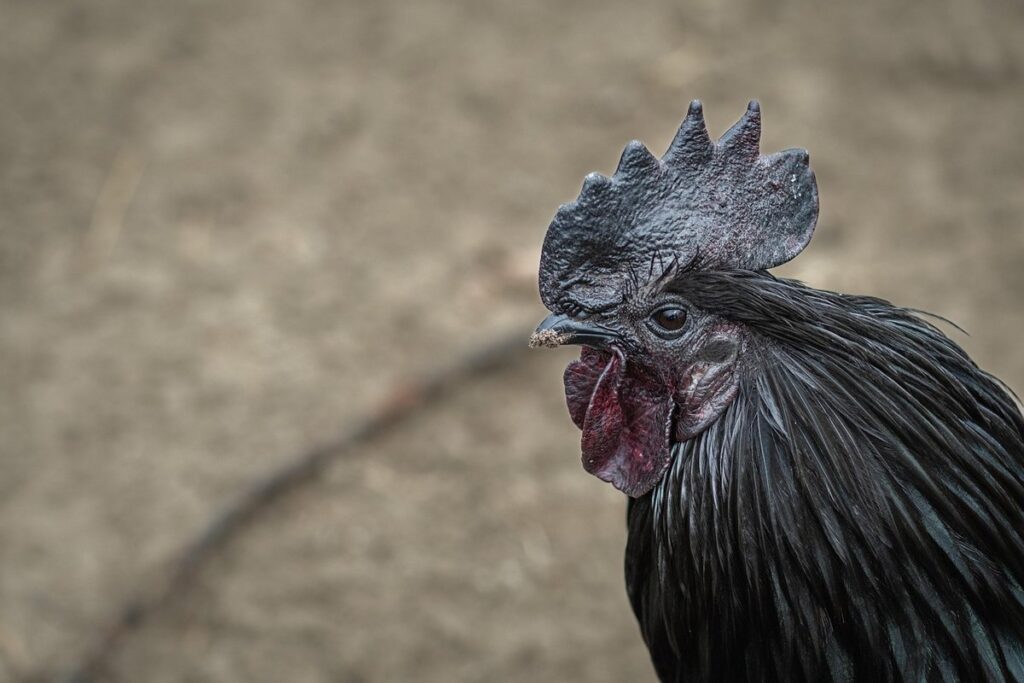
History and Origins of Black Roosters
Let’s take a fascinating journey through time as we explore how some of the most iconic black rooster breeds came to be, tracing their origins back to ancient civilizations. We’ll uncover the secrets behind these majestic birds’ evolution.
Early Beginnings of Black Fowl
The history of black roosters is as old as agriculture itself. In ancient civilizations such as Egypt and Greece, black fowl were highly valued for their unique appearance and desirable traits. Archaeological evidence suggests that black roosters were first bred around 4000 BC in the Nile River Valley. These early birds were prized for their striking coloration, strong build, and robust fertility.
As farming practices spread throughout ancient civilizations, selective breeding led to the development of distinct black rooster breeds. For example, the Egyptian Fayoumi breed emerged as a result of centuries-long cross-breeding programs focused on enhancing their striking appearance and exceptional egg-laying abilities. Similarly, in Southeast Asia, early farmers cultivated the Langshan breed for its impressive size, glossy feathers, and distinctive beak.
The origins of black roosters are a testament to human ingenuity and adaptability. By carefully selecting and breeding these birds over centuries, ancient civilizations created some of the most iconic and enduring breeds we know today.
Evolution of Black Rooster Breeds
The evolution of black rooster breeds is a fascinating story that spans centuries and continents. Through selective breeding, these magnificent birds have undergone significant transformations, resulting in the diverse array of breeds we see today.
In ancient Egypt, around 1500 BCE, black roosters were highly valued for their striking appearance and strength. They were often depicted in art and literature as symbols of fertility and virility. The Egyptians likely developed early black rooster breeds through selective breeding, emphasizing desirable traits such as glossy feathers, robust build, and vibrant plumage.
As civilizations rose and fell, new breeds emerged, influenced by regional tastes and preferences. In medieval Europe, the Silkie breed was developed, prized for its soft, fluffy feathers and docile nature. Meanwhile, in Asia, the Ayam Cemani breed was bred to possess an unusually dark coloration, with some individuals displaying a rare genetic trait known as “melanism.”
Throughout history, black rooster breeds have been refined through careful breeding practices, resulting in the stunning variety of modern breeds we know and love today. Whether you’re a seasoned breeder or a curious enthusiast, understanding the evolution of these incredible birds can help inform your choices when selecting a breed for your flock.
Popular Black Rooster Breeds Around the World
From the French La Fleur d’Epee to Japan’s majestic Kokken, each region boasts its own unique and fascinating black rooster breed. Let’s take a look at some of these stunning birds from around the world.
French Black Copper Marans
The French Black Copper Marans is a striking breed that originates from France and boasts an impressive list of characteristics. One of its most notable features is its dark eggs, which have a rich, dark brown color due to the high copper content in their diet. Female French Black Copper Marans typically lay around 150-180 medium-sized eggs per year.
In terms of temperament, this breed is known for being friendly and outgoing. They are social birds that thrive on human interaction and attention, making them an excellent choice for families or individuals who want to raise a pet rooster. French Black Copper Marans are also relatively low-maintenance when it comes to grooming, with their glossy feathers requiring only occasional cleaning.
Roosters of this breed are known for their impressive plumage, with a predominantly black coat that features copper-colored highlights on the wings and tail. If you’re interested in raising a French Black Copper Marans, be sure to provide them with plenty of space to roam and exercise, as well as a balanced diet rich in protein and calcium to support their egg-laying abilities.
American Black Java
The American Black Java is a hardy and robust breed that originated in the southeastern United States. Known for its excellent meat production, this breed has been prized by farmers for generations. One of the key traits of the American Black Java is its ability to thrive in hot and humid climates, making it an ideal choice for farmers in regions with challenging weather conditions.
In terms of physical characteristics, the American Black Java stands out with its glossy black plumage and distinctive red comb. Males typically weigh between 15-20 pounds and are known for their friendly yet assertive personalities. As a meat producer, this breed excels due to its fast growth rate and high-quality carcass. With proper care and management, the American Black Java can provide a consistent supply of fresh eggs and exceptional broiler quality.
Whether you’re looking to raise chickens for personal consumption or commercial purposes, the American Black Java is an excellent choice. Its hardiness and adaptability make it an ideal breed for backyard flocks or large-scale farms.
Characteristics and Traits of Black Roosters
Let’s dive into the distinctive characteristics that set black rooster breeds apart, from their striking plumage to their confident personalities.
Color Variations in Black Rooster Breeds
One of the most distinctive features of black rooster breeds is their varied shades of black. While some breeds sport a glossy, deep black coat, others display a more subtle charcoal gray or dark brown hue. The breed’s color variation is not just aesthetically pleasing but also a result of genetic diversity.
For example, the Silkie rooster boasts a soft, fluffy plumage that appears as a rich, dark brown in certain lighting conditions. In contrast, the Malay rooster has a glossy black coat with a subtle sheen, making it one of the most striking black breeds out there.
To appreciate the color variations in black roosters, consider the breed’s heritage and purpose. Some breeds, like the Polish, were developed for their distinctive beards and muffs, which can come in various shades of black. Others, such as the Brahma, have a more rugged appearance with a dark brown or charcoal gray coat.
When selecting a black rooster breed, consider your preferences regarding color intensity. If you want a breed that makes a statement with its glossy black plumage, look for breeds like the Malay or the Black Java.
Size and Weight of Black Roosters
When it comes to the physical characteristics of black roosters, size and weight are crucial factors to consider. The ideal size and weight of a black rooster depend on its breed, purpose, and intended use. For backyard flocks, smaller breeds with manageable weights are often preferred for their compact size and gentle nature.
Some popular black rooster breeds include the Japanese Black, which weighs between 5-7 pounds (2.3-3.2 kg), making them an excellent choice for small farms or homesteads. On the other hand, commercial production often requires larger breeds like the Cornish Black Rooster, weighing around 9-12 pounds (4-5.4 kg).
Other factors to consider include growth rates and meat quality. For instance, faster-growing breeds might be better suited for large-scale commercial operations, while slower-growing varieties are more suitable for heritage farming or specialty markets. If you’re new to raising black roosters, it’s essential to research specific breed requirements and needs before making a purchase.
In general, most black rooster breeds fall within the weight range of 5-12 pounds (2.3-5.4 kg), depending on their intended use and purpose.
Health Considerations and Care for Black Roosters
When it comes to caring for your black rooster, there are several health considerations you should be aware of to ensure their longevity and well-being. Providing proper care is essential for a long and happy life.
Common Health Issues in Black Roosters
As you care for your majestic black roosters, it’s essential to be aware of potential health issues that can affect their well-being. One common problem is parasites, such as mites and lice, which can lead to discomfort, stress, and even anemia if left untreated. Regular cleaning of the coop, dust baths, and preventative medications can help minimize this risk.
Respiratory problems are also prevalent in black roosters due to their heavy build and tendency to be overweight. This can cause breathing difficulties, especially during hot summer months or when exercising. To mitigate this issue, ensure your rooster has access to plenty of space for exercise and maintain a balanced diet that promotes healthy weight.
Skin conditions like black skin disease, which causes discoloration and scaly patches, can also affect black roosters. A combination of proper nutrition, regular grooming, and consulting with a veterinarian if necessary will help address this issue.
It’s crucial to monitor your rooster regularly for any signs of illness or discomfort and take prompt action if you notice anything unusual.
Nutrition and Feeding Requirements
Providing the right nutrition for your black rooster is crucial to maintaining its health and well-being. Black roosters have specific dietary needs that are different from other breeds, so it’s essential to choose a high-quality feed that meets their requirements.
When selecting a feed for your black rooster, look for one that is formulated specifically for game birds or chickens. These feeds typically contain a balanced mix of protein, fat, and carbohydrates, as well as essential vitamins and minerals. A good quality feed should also be rich in omega-3 fatty acids to promote healthy skin, feathers, and overall health.
In addition to a high-quality feed, it’s also important to provide your black rooster with access to fresh, clean water at all times. Change the water frequently to prevent bacterial growth and ensure that it remains free from contamination. You can also consider adding a few drops of apple cider vinegar or electrolytes to the water to help maintain hydration and support overall health.
As for supplements, you may want to consider adding a small amount of crushed oyster shells or dark leafy greens such as kale or spinach to their diet. These will provide essential calcium and other nutrients that can help promote strong bones and eggshell production in hens.
It’s also worth noting that black roosters have a tendency to overeat, so it’s essential to monitor their food intake and make adjustments as needed. Providing plenty of exercise and mental stimulation through activities such as foraging or providing puzzle toys can also help prevent obesity and maintain overall health.
By following these guidelines and making sure your black rooster has access to a balanced diet and fresh water at all times, you’ll be well on your way to raising a happy and healthy bird.
Breeding and Raising Black Rooster Chicks
Raising black rooster chicks requires attention to detail, but with a solid understanding of their needs, you’ll be well on your way to raising healthy, thriving birds. Let’s dive into the specifics of breeding and caring for these beautiful creatures.
Choosing a Hatchery or Breeder
When it comes to choosing a reputable hatchery or breeder for your black rooster chicks or breeding stock, there’s no room for error. A trustworthy supplier can make all the difference in the success of your flock, while a disreputable one can lead to heartache and financial losses.
Start by researching potential suppliers online, reading reviews from other customers, and checking their reputation with organizations like the American Poultry Association (APA). Look for breeders who specialize in black rooster breeds and have experience with the specific variety you’re interested in. A good breeder will be transparent about the genetics of their stock, provide health guarantees, and offer support throughout the process.
Be wary of hatcheries or breeders that seem too good to be true – they may be selling birds that are not purebred, or worse, unhealthy. Always ask for documentation and proof of ancestry before making a purchase. By doing your homework and selecting a reputable supplier, you can ensure the health, quality, and authenticity of your black rooster chicks or breeding stock.
Caring for Baby Chicks
Caring for newly hatched black rooster chicks requires attention to detail and a gentle touch. The first few days after hatching are crucial, as the chicks need warmth, hydration, and nutrition to develop their immune system. For brooding, provide a temperature of around 90-95°F (32-35°C) with a heat lamp or heat plate. Maintain humidity levels between 40-60% by misting the area lightly.
Once your chicks are dry and fluffy, introduce a shallow dish of water and starter feed specifically formulated for young chickens. Start by offering a pinch of feed in front of their beaks to encourage eating. A general rule is to provide around 1/4 inch (6 mm) of feed per chick per day. Monitor their intake closely and adjust as needed.
It’s also essential to ensure the chicks have access to fresh air, even if it’s just a small window or ventilation opening. Keep the brooder area clean by removing any droppings daily and disinfecting surfaces regularly. With proper care, your baby black rooster chicks will thrive and grow into healthy young birds.
Show and Exhibition of Black Roosters
Whether you’re a seasoned breeder or just starting out, we’ll take a closer look at the impressive show potential and exhibition characteristics of black rooster breeds. From strut to pride, learn what makes them shine in the ring.
Preparation for Shows and Competitions
Preparation is key when it comes to showing off your prized black rooster at exhibitions. Before entering your bird into a show, make sure you’re aware of the specific breed standards and requirements for grooming, training, and handling.
For black roosters, one of the most critical aspects of preparation is their plumage. A well-groomed bird will not only look stunning but also demonstrate attention to detail on your part as an exhibitor. Start by brushing your rooster’s feathers regularly to prevent matting and tangling. This will make it easier for you to comb out any knots, which can be a challenge in show conditions.
In terms of training, socialization is essential. Get your rooster accustomed to being handled, especially around his feet, legs, and wings. You’ll want him to remain calm and composed when placed on a pedestal or stand during the judging process. Practice walking on a leash, getting used to having his beak and ears touched, and desensitizing him to noise and crowds.
Remember to familiarize yourself with the exhibition rules and regulations beforehand, including any specific requirements for health certificates, vaccinations, or equipment. This will save you time and stress come show day.
Judging Criteria for Black Roosters
When participating in poultry shows for black roosters, judges scrutinize each bird’s appearance to determine its overall quality and breed standards. One of the most critical aspects is feather quality, which includes both texture and density. Judges look for birds with crisp, tightly packed feathers that display an even pattern. Feather quality is not only aesthetically pleasing but also serves as a sign of good health.
Plumage color is another key aspect, as black roosters should have a rich, glossy sheen to their feathers. Judges examine the bird’s overall appearance from different angles, taking note of any areas where the plumage may appear dull or lackluster. Overall appearance encompasses not only feather quality and plumage color but also posture, movement, and tail carriage.
In poultry shows, judges use a comprehensive scoring system to evaluate each black rooster. A well-crafted bird will have a score that reflects its exceptional feather quality, stunning plumage color, and impressive overall appearance.
Frequently Asked Questions
What are the best black rooster breeds for beginners?
For those new to raising black roosters, consider starting with popular breeds like the French Black Copper Marans or American Black Java. These birds are known for their friendly temperaments and adaptability to backyard flocks.
How do I prevent health issues in my black rooster flock?
Common health issues in black roosters include Marek’s disease and blackhead disease. To prevent these conditions, ensure proper vaccination protocols, maintain a clean living environment, and provide a balanced diet rich in nutrients.
Can I raise black roosters in colder climates?
Yes, many black rooster breeds are suitable for cold climates. When selecting birds for your flock, look for breeds with thick feathering and a hardy temperament. Provide adequate shelter and ensure access to nutritious food and water during harsh weather conditions.
What’s the best way to care for baby black rooster chicks?
Baby black rooster chicks require a warm, draft-free environment with adequate ventilation. Ensure they have access to fresh water and a high-quality starter feed. Monitor their growth and development closely, and be prepared to address any potential health issues early on.
How do I prepare my black roosters for show or exhibition?
To prepare your black roosters for shows or exhibitions, focus on developing their plumage, muscle tone, and overall appearance. This can involve regular grooming, a balanced diet, and adequate exercise. Familiarize yourself with judging criteria to ensure you’re meeting the required standards.